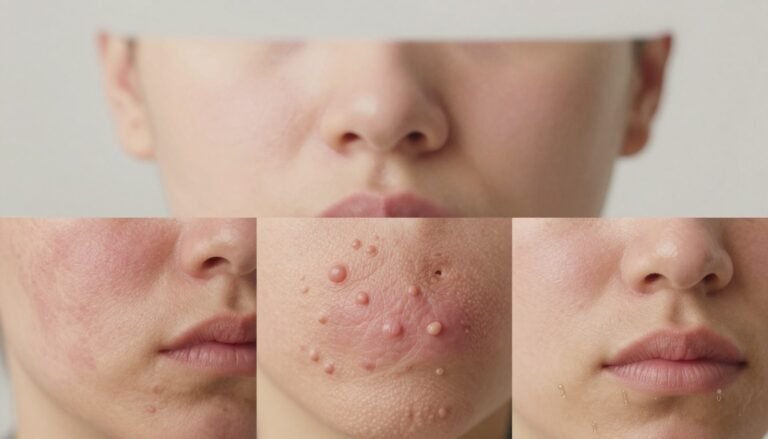

When Should You See a Dermatologist for Pigmentation or Melasma?
Have you noticed stubborn dark spots or uneven tone on your face and wondered if they will fade on their own?
We often meet patients in Bangalore who feel anxious about new patches. Post-inflammatory hyperpigmentation is a common term for dark spots that follow inflammation, acne, or minor injury. Genetics and strong sun exposure can make these marks more persistent.
Understanding your skin type is the first step. Dr. Varsha D.V. at Boss Multispeciality Hospital emphasizes accurate diagnosis. That helps us distinguish harmless spots from skin conditions that need medical care.
Effective treatment plans blend topical medication, lifestyle changes, and sometimes chemical peels or light-based treatments. If over-the-counter options fail, a tailored plan may help you fade dark spots and even your skin tone more safely.
Understanding Skin Pigmentation and Melasma
Not all dark marks on the face mean the same thing; identifying the cause guides better care. We find that clear definitions help you decide the next step and avoid unnecessary treatments.
What is Hyperpigmentation
Hyperpigmentation happens when skin cells make extra melanin, the protein that gives color to skin and hair. This overproduction creates areas that look darker than your natural tone.
Understanding Melasma
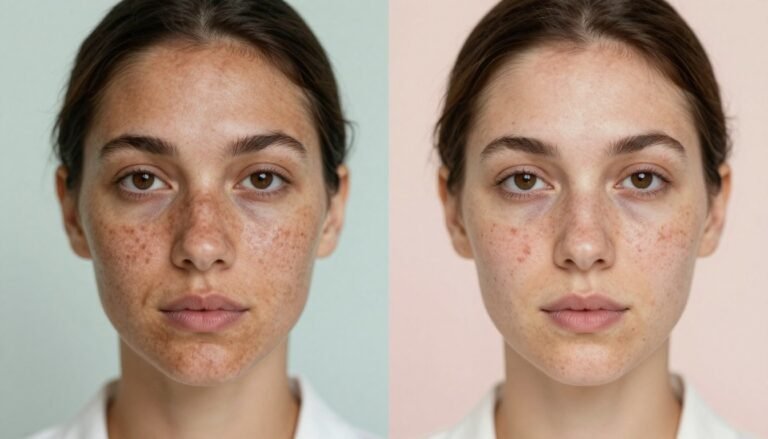
Melasma often affects women in their 20s and 30s and shows up as irregular patches on the cheeks, forehead, and upper lip. Hormonal shifts and chronic sun exposure commonly trigger these changes.
| Condition | Common Triggers | Typical Areas |
|---|---|---|
| Hyperpigmentation | Sun exposure, hormones, injury | Any exposed area, often the face |
| Melasma | Hormonal changes, sun | Cheeks, forehead, upper lip |
| Post-inflammatory | Acne, rashes, cuts | Spots left after healing |
- Hyperpigmentation: darker patches from extra melanin.
- Melasma: hormone-linked patches, often on the face.
- Acne can lead to post-inflammatory dark spots that linger.
Understanding these types helps us recommend a tailored treatment plan that addresses the root cause and protects your skin long term.
Common Triggers for Dark Spots
Several everyday factors can prompt dark areas on the skin, and understanding them helps with care.
Sun exposure is the most important external cause. Long time in bright sun prompts melanin production, which leads to age spots and other dark spots on the face.
Hormonal changes, such as pregnancy or use of oral contraceptives, often cause melasma-type patches. These types usually need a tailored plan.
Medications and some products can increase sensitivity and lead to unexpected discoloration.
Acne and other inflammatory events often leave post-inflammatory hyperpigmentation as the skin heals.
- People living in sunny climates report more persistent age spots from repeated exposure.
- Review medications if new discoloration appears after starting treatment.
- Pollutants and heavy metals may worsen dark areas in susceptible skin.
| Trigger | How it acts | Common result |
|---|---|---|
| Sun exposure | Boosts melanin | Age spots / hyperpigmentation |
| Hormonal changes | Alters pigment regulation | Melasma patches on face |
| Inflammation (acne) | Healing leaves marks | Post-inflammatory dark spots |
When to See Dermatologist for Pigmentation
Persistent dark patches that resist over-the-counter creams often signal a need for professional assessment. If your skin care routine gives no visible change after several months, we recommend a consultation.
Rapid shifts in size, color, or texture of spots deserve prompt evaluation. A clear diagnosis rules out medical causes and guides safe, effective treatment.
Prescription options such as topical medication, chemical peels, and laser therapy often work better than home remedies for stubborn hyperpigmentation. Daily sunscreen with iron oxide helps block visible light and prevents further darkening.
- Consider expert care when dark spots do not improve after consistent gentle skin care.
- Seek diagnosis if new patches appear or existing marks change rapidly.
- Discuss medications and hormonal changes with a qualified doctor, as these can affect results.
| Sign | Recommended Action | Common Professional Treatments |
|---|---|---|
| Stable but persistent dark spot | Clinic review after months of no improvement | Topical prescription, peels |
| Rapid change in size or color | Immediate medical evaluation | Biopsy if needed, targeted therapy |
| Widespread or hormone-linked patches | Comprehensive plan with medication review | Laser, chemical peels, hormonal management |
Distinguishing Between Harmless Spots and Medical Concerns
Knowing how different types of marks behave makes it easier to protect your skin health.
Freckles and similar harmless marks often fade in cooler months. Age spots usually appear as tan to dark brown areas on the face and hands after years of sun exposure.
Signs of Concern
Post-inflammatory hyperpigmentation follows acne or minor injury and often fades with careful care and sun avoidance.
Watch for spots that are multi-colored, have irregular borders, or do not respond to standard skin care. Such changes may need a closer look and, sometimes, a biopsy to rule out a more serious issue.
| Condition | Typical Color | Usual Course |
|---|---|---|
| Freckles | Light brown | May lighten in low sun |
| Age spots | Tan to dark brown | Accumulate with age |
| Post-inflammatory hyperpigmentation | Brown or red-brown | Fades with protection and time |
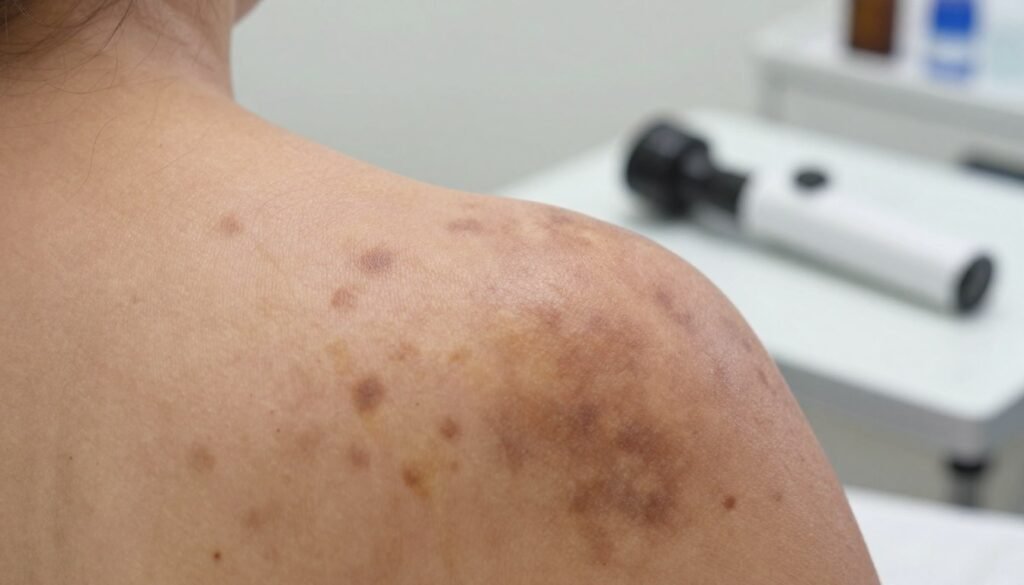
- Distinguishing harmless marks and medical concerns supports long-term skin health.
- If acne-related dark spots do not fade, discuss options for targeted treatment.
- Seek a professional opinion if any patch is growing or changing in appearance.
The Role of Sun Exposure in Skin Discoloration
Sunlight drives many changes in skin tone by signaling pigment cells to act. When ultraviolet rays reach the layers of your skin, those cells make extra melanin as a shield. That process often causes visible dark spots and uneven patches over time.
Daily protection is essential. We recommend a broad-spectrum tinted sunscreen with iron oxide because it blocks both UV and visible light, which can worsen hyperpigmentation.
Wear a wide-brimmed hat and protective clothing when outdoors. Limiting sun exposure during peak hours, roughly 10 a.m. to 2 p.m., reduces cumulative damage and helps prevent new spots.
- Apply sunscreen every two hours and after swimming or heavy sweating.
- Use a tint with iron oxide to guard against visible light that can trigger melanin.
- Combine shade, hats, and clothing for better protection than sunscreen alone.
| Action | Benefit | Best Practice |
|---|---|---|
| Daily sunscreen | Prevents new dark spots | Reapply every two hours |
| Tinted formulas | Blocks visible light | Choose iron oxide ingredients |
| Physical barriers | Reduces overall exposure | Wear hats and long sleeves |
Effective Topical Treatments and Skincare
Effective creams and serums can change how your skin looks over weeks, but choosing the right mix matters.
Key Ingredients to Look For
Look for actives that slow melanin and speed cell renewal. Azelaic acid, glycolic acid, kojic acid, and retinoids are proven options for hyperpigmentation.
Vitamin C and niacinamide brighten and support a more even skin tone. Combination therapy often works better than a single product.
If you have acne-prone or sensitive skin, choose gentle, non-comedogenic formulas to avoid irritation and new dark spots.
Sunscreen Best Practices
Daily protection prevents old patches from darkening and stops new marks. Use a broad-spectrum, water-resistant formula with SPF 30 or higher.
Reapply every two hours during sun exposure and use physical barriers like hats and shade when possible.
- Pick proven actives and use them consistently for visible results.
- Combine brighteners with a retinoid under guidance if your skin tolerates both.
- Always pair treatments with reliable sunscreen and sun-safe habits.
| Goal | Active Ingredients | Practical Tip |
|---|---|---|
| Reduce hyperpigmentation | Azelaic acid, kojic acid, glycolic acid | Use nightly or as advised; combine carefully |
| Brighten skin tone | Vitamin C, niacinamide | Apply in morning under sunscreen |
| Support cell turnover | Retinoids | Start slowly; protect from sun daily |
Professional Procedures for Stubborn Pigmentation
Targeted clinic therapies can reach deeper layers of the skin and reduce persistent spots. These options often work faster than home creams when a mark won’t budge.
Laser therapy and chemical peels are common choices. Laser targets melanin in specific layers, while chemical peels remove damaged surface cells. Microneedling helps rebuild texture and fade acne-related marks.
We often combine treatments with prescription lightening creams such as hydroquinone or tranexamic acid. This paired approach speeds results and lowers the chance of recurrence when sun exposure is controlled.
Professional care is best for complex cases like melasma, widespread age spots, or deep post-inflammatory hyperpigmentation. Each plan is adjusted for your skin tone and conditions to reduce risks.
- Clinic procedures can offer more dramatic improvement than topical products alone.
- Combination therapies give safer, longer-lasting outcomes.
- Protecting the face from sun exposure after treatment is essential for success.
| Procedure | Primary Target | Recovery |
|---|---|---|
| Laser | Deep melanin, dark spots | Few days to a week |
| Chemical peels | Surface hyperpigmentation, age spots | Several days of peeling |
| Microneedling | Texture, acne scars, patches | Minimal downtime, repeat sessions |
Why You Should Avoid Harmful DIY Remedies
Some internet remedies claim miracle fades, yet they often cause more harm than good.
Liquid bleach and other household chemicals can burn the skin, leaving scars that do not heal well. We have seen patients with deep injury from such experiments. That kind of damage can worsen hyperpigmentation and affect overall health.
Imported or unregulated products may hide steroids or mercury. These hidden ingredients can thin the skin and trigger rashes. Using them without guidance can make dark spots harder to treat and increase long-term risk.
- Avoid harsh DIY mixes such as bleach or strong acids on the face.
- Choose vetted products from reputable brands and check ingredient lists.
- Discuss any new medication or treatment with a qualified clinician first.
| Risk | What it causes | Safe alternative |
|---|---|---|
| Liquid bleach | Chemical burns, scarring | Licensed clinic treatment |
| Hidden steroids/mercury | Thinning skin, rashes | Derm-approved products |
| Unverified DIY | Worsened hyperpigmentation | Evidence-based care plan |
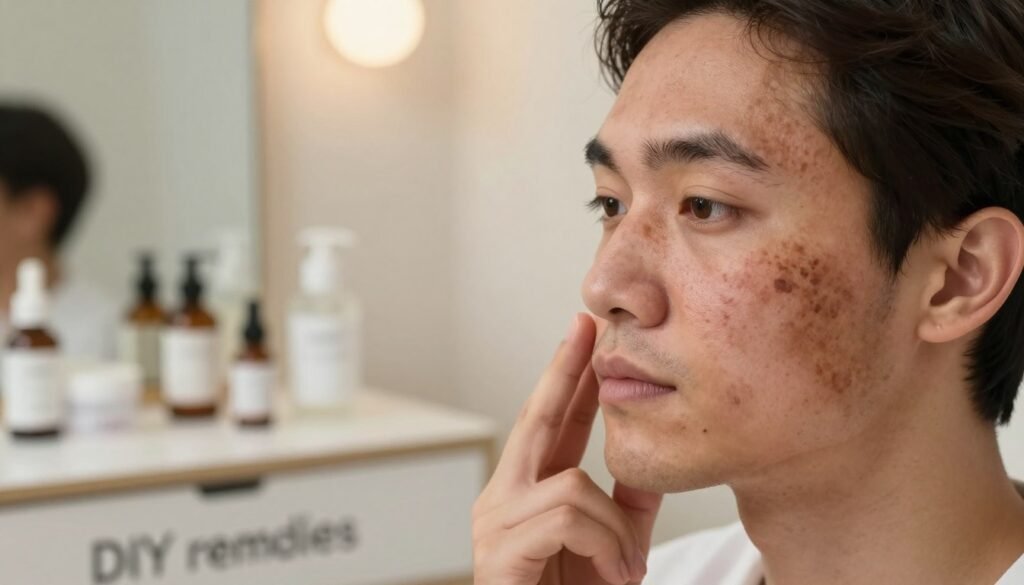
Protecting your skin means choosing safe treatments and seeking professional advice early. We encourage you to avoid quick fixes and focus on steady, evidence-based care.
Managing Expectations During the Fading Process
Fading dark marks takes steady care and realistic expectations about time and results.
Surface-level spots often show clear improvement within six to twelve months once the cause is treated and the skin is protected. Deeper discoloration sits under layers of tissue and can take years to fade.
Daily sunscreen is essential while patches heal. Sun exposure can darken treated areas and slow progress. Use gentle products alongside prescribed treatment to support results.
- Be patient: even strong therapies need the skin’s renewal cycle and time.
- Keep regular follow-ups so we can adjust your plan based on observed changes.
- Protect skin from sun and avoid irritants that raise melanin production.
| Stage | Typical Timeframe | What Helps |
|---|---|---|
| Surface hyperpigmentation | 6–12 months | Sunscreen, topical treatments, gentle care |
| Deep hyperpigmentation | Months to years | Consistent therapy, clinic procedures, strict sun protection |
| Maintenance | Ongoing | Daily sunscreen, follow-up visits, safe products |
Importance of Professional Diagnosis at Boss Multispeciality Hospital
Accurate assessment in clinic gives us the best chance to match treatment to your skin type.
At Boss Multispeciality Hospital, Bangalore, we make a full evaluation the first step. A clear diagnosis guides safe, evidence-based care and reduces trial-and-error.
Expert Care with Dr. Varsha D.V.
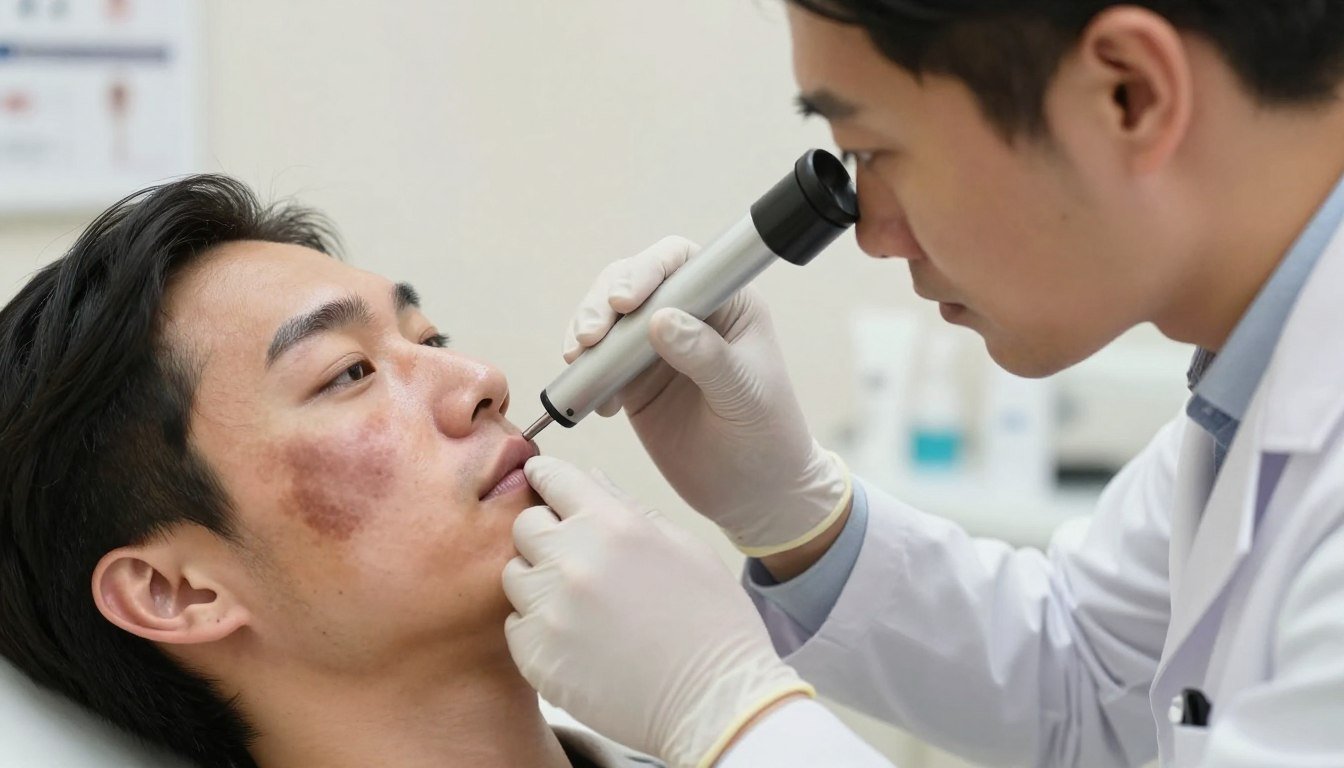
Dr. Varsha D.V. (MBBS, DDVL, Consultant Dermatologist & Dermatosurgeon) leads assessments using advanced diagnostic tools. These tests identify the exact type of hyperpigmentation and underlying causes such as melasma or acne-related marks.
With an accurate diagnosis, we design a plan that may include topical medication, chemical peels, light-based treatments, or tailored skin care to protect long-term health.
- Personalized plans based on evidence and skin tone.
- Targeted treatments to fade dark spots while preserving skin health.
- Ongoing follow-up to adjust medication and procedures as needed.
| Diagnostic Step | Purpose | Benefit |
|---|---|---|
| Clinical exam | Identify type and depth of discoloration | Right treatment choice |
| Imaging/wood’s lamp | Reveal melanin distribution | Precise treatment targeting |
| Medical review | Check medications and causes | Reduce recurrence risk |
If you live in Bangalore and want a reliable diagnosis and compassionate care, we invite you to consult with our team at Boss Multispeciality Hospital. Accurate diagnosis is the cornerstone of lasting results and healthier skin tone.
Long-Term Prevention Strategies for Clearer Skin
A consistent routine and sun-smart habits greatly reduce the risk of new patches. Start each day with a broad-spectrum sunscreen and protective clothing when you step outside.
Keep skincare gentle. Use non-irritating products and avoid harsh scrubs that cause inflammation and new dark spots. Treat acne promptly so post-inflammatory marks do not form.
Limit sun exposure during peak hours and add a hat or umbrella on bright days. Regular follow-ups with your dermatologist help catch small changes early and guide safe treatments like laser only when needed.
- Daily sunscreen and protective clothing are the foundation of prevention.
- Use mild skin care to reduce inflammation that leads to patches.
- Manage acne and other conditions promptly to avoid recurring spots.
- Schedule periodic clinic reviews for early detection and tailored care.
| Action | Benefit | Suggested Timeframe |
|---|---|---|
| Daily sunscreen + hat | Prevents new dark spots | Every day, ongoing |
| Gentle skin care | Reduces inflammation | Daily |
| Regular check-ups | Early detection of changes | Every 6–12 months or as advised |
Conclusion
Small, consistent steps in daily care can make a big difference in how your skin looks and feels.
Understanding your skin and the causes of dark spots helps protect long-term health. We focus on practical routines and safe clinic treatments that reduce risk and support steady improvement.
Professional assessment from a trusted dermatologist guides targeted therapy for stubborn hyperpigmentation. We work with you to build a plan that fits lifestyle and goals.
Consult Dr. Varsha at Boss Multispeciality Hospital, Bangalore — Call +91 9986607601 to Book an Appointment with our doctor and begin a clear, confident path toward healthier skin.
FAQ
When should you see a dermatologist about dark spots or melasma?
Visit a specialist if spots appear suddenly, grow, bleed, or change shape or color. Also seek help when patches affect your daily life, don’t improve after consistent home care for several months, or if hormonal changes and medications seem linked to flare-ups.
What is hyperpigmentation?
Hyperpigmentation is excess melanin production that causes darker patches on the skin. Common types include post-inflammatory marks from acne, sun-induced spots, and age spots. It’s usually harmless but may respond to medical treatments if bothersome.
What is melasma and how does it differ from other discoloration?
Melasma appears as symmetric brown patches, often on cheeks, forehead, and upper lip. Hormones, pregnancy, and sun exposure commonly trigger it. Unlike simple sun spots, melasma often needs combined medical and sun-protection strategies for improvement.
What common triggers cause dark spots?
Key triggers include UV exposure, hormonal shifts (pregnancy, contraceptives), inflammation from acne or injury, certain medications, and aging. Genetics and skin type also influence how easily pigmentation develops.
How can I tell if a spot is harmless or needs medical attention?
Be concerned if a spot changes size, color, or border irregularity, itches, hurts, or bleeds. Rapid growth or a new, unusual lesion warrants prompt evaluation to rule out skin cancer or other conditions.
What signs suggest a spot needs urgent review?
Seek immediate assessment for asymmetry, uneven borders, multiple colors in one lesion, diameter larger than a pencil eraser, or any sudden bleeding or ulceration. These are red flags that require a dermatologist’s exam.
How does sun exposure contribute to skin discoloration?
UV rays stimulate melanin production and deepen existing pigmentation. Repeated sun damage creates new age spots and worsens conditions like melasma. Daily protection is essential to prevent recurrence and help treatments work.
Which topical ingredients help fade dark spots?
Look for evidence-backed ingredients such as hydroquinone (under supervision), azelaic acid, kojic acid, niacinamide, retinoids, and vitamin C. A dermatologist can recommend concentrations and combinations suited to your skin tone.
What are best practices for sunscreen use?
Use broad-spectrum SPF 30 or higher daily, reapply every two hours outdoors, and choose physical filters like zinc oxide for sensitive or melasma-prone skin. Wear hats and seek shade during peak sun hours to reduce recurrence.
When are professional procedures recommended for stubborn pigmentation?
Consider chemical peels, microneedling, fractional lasers, or intense pulsed light when topical care and sun protection produce limited results. A dermatologist will tailor treatments to your skin type and condition to minimize risks.
Why should you avoid DIY remedies for discoloration?
Home remedies like harsh acids, undiluted bleach, or unregulated creams can cause irritation, worsening pigmentation, scarring, or infection. Evidence-based treatments under medical guidance are safer and more effective.
How long does it take for dark spots to fade with treatment?
Improvement can take weeks to months depending on the cause and therapy. Expect gradual fading; combining sun protection, topical agents, and occasional in-clinic procedures yields the best long-term results.
Why is a professional diagnosis important at Boss Multispeciality Hospital?
A clinic evaluation identifies the exact cause, rules out serious conditions, and creates a personalized plan using tested therapies. Accurate diagnosis prevents ineffective or harmful treatments and speeds recovery.
What expertise does Dr. Varsha D.V. provide in managing pigmentation?
Dr. Varsha D.V. offers clinical assessment, dermoscopy, and tailored treatment plans combining topical regimens, procedural options, and preventive advice. Her care emphasizes safety for diverse skin tones and evidence-based outcomes.
What long-term strategies help prevent new pigmentation?
Consistent sun protection, gentle skincare with anti-inflammatory and barrier-supporting products, hormonal management when indicated, and regular dermatology follow-up reduce recurrence and maintain clearer skin.