
Skin Pigmentation: Types, Causes & Treatment Options Explained
Have you ever wondered why dark marks appear in certain areas while other spots stay clear?
We will walk you through what causes uneven coloring and how evidence guides care. Melanin is the pigment made by your cells. When it builds up in patches, it leads to hyperpigmentation that many people want to manage.
People often try home remedies for quick fixes. Some remedies may help, but not all are backed by solid research. Medical News Today updated clinical guidance on November 11, 2020, and highlights the need for accurate diagnosis before picking an approach.
We believe learning the types of discoloration is the first step. Our goal is to give clear, evidence-based information so you can make informed choices with your dermatologist in Bangalore or elsewhere in India.
Understanding Skin Pigmentation and Melanin
The pigment melanin controls color and helps protect cells from UV damage.
Your cells boost melanin when they sense stress from sun or other irritants. That is why areas often darken after strong sun exposure.
Different people make different amounts of melanin. This explains the wide range of natural tones we see across India and beyond.
- Melanin rises as a defense after UV exposure.
- Localized overproduction can create darker patches.
- Most changes are harmless but may cause cosmetic concern.
Understanding how this system works helps you protect your complexion. Simple steps, like sun protection and avoiding harsh irritants, reduce the risk of uneven darkening.
| Factor | How it affects melanin | Practical tip |
|---|---|---|
| UV exposure | Triggers increased melanin production | Use broad protection and seek shade |
| Inflammation | Can cause localized overproduction | Avoid picking and treat redness early |
| Genetics | Determines baseline melanin level | Tailor protection to your natural tone |
Common Causes of Hyperpigmentation
Many common triggers lead to darker patches, and knowing them helps guide care. Identifying the root cause is key to choosing the right next steps with your dermatologist or endocrinologist.
Hormonal Imbalances
Changes in hormones can prompt uneven coloring. Pregnancy often causes melasma. Insulin resistance and endocrine disorders also alter pigment production.
When hormones play a role, we recommend evaluation of metabolic and reproductive health to guide tailored care.
Environmental Factors
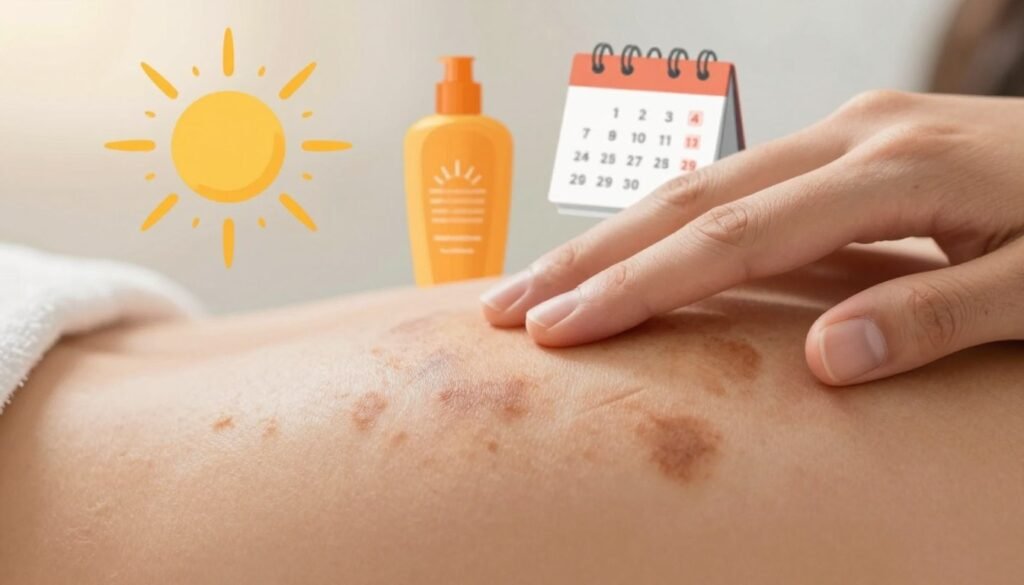
Sun exposure is the most common external trigger. Repeated UV exposure leads to age spots and darker patches over time.
Direct trauma from cuts, acne, or burns can leave lasting marks that may need specialist review.
| Cause | How it acts | What to discuss |
|---|---|---|
| Hormonal changes | Stimulate melanin production | Check endocrine tests; consider safe options |
| UV exposure | Darkens surface cells over time | Sun protection plan and monitoring |
| Medical drugs | Certain medicines can alter tone | Review medications with your doctor |
Whether your concern arises from sun damage or internal shifts, we are here to help you understand the triggers and plan sensible next steps toward restoration.
Natural Home Remedies for Skin Pigmentation Treatment
Everyday botanicals and acids can play a role in fading stubborn spots over weeks. We present safe, evidence-informed options you can try at home while staying cautious and patient.
Apple Cider Vinegar and Acids
Many people use apple cider vinegar because its acetic acid may act as a mild chemical peel for a pigmented area. To use apple cider vinegar, mix 1 part vinegar with 1 part water and apply for a few minutes twice daily.
Always rinse the area thoroughly after application to avoid irritation. If redness or burning occurs, stop and consult your dermatologist.
Green Tea and Antioxidants
Green tea contains EGCG, a strong antioxidant that can block processes that lead to darkening. A wet green tea bag applied for a few minutes each day may help, as noted in the Journal of Cutaneous and Aesthetic Surgery.
Antioxidant approaches may also support overall cell health and reduce visible color over time.
Botanical Extracts
Botanical extracts may help alter local tone. Licorice extract (glabridin) can protect from UVB rays, and dried mulberry leaves contain active factors that block excess pigment formation.
Aloe vera gel contains aloesin, which Planta Medica reports may reduce color changes in models. Results vary, so be patient and consistent.
| Remedy | Main active ingredient | How to use & caution |
|---|---|---|
| Apple cider vinegar | Acetic acid | Mix 1:1 with water; apply for a few minutes; rinse the area thoroughly; avoid if irritated |
| Green tea | EGCG antioxidant | Use a wet tea bag on the spot for a few minutes daily; cool and gentle application |
| Licorice & mulberry | Glabridin; mulberry isolates | Apply topical extracts as directed; may help reduce UV-driven darkening |
| Aloe vera gel | Aloesin / aloin | Apply pure gel daily; monitor for improvement; safe for most people |
When to Seek Professional Dermatological Care
Persistent marks that do not fade with home remedies are a clear sign to see a doctor for a full diagnosis. We recommend prompt review if you notice rapid change, pain, or spreading.

A doctor full diagnosis can rule out hormonal or systemic causes and guide safe next steps. While some home remedies may help, they are not a substitute for clinical evaluation when changes are stubborn.
- If your condition does not respond to home remedies, see doctor full for a full diagnosis to exclude underlying issues.
- A specialist can offer a full diagnosis and suggest advanced options that may help reduce persistent marks.
- Consult a doctor for a full diagnosis if you suspect an endocrine link or notice sudden changes.
| When to See a Doctor | What the Doctor Does | Expected Next Step |
|---|---|---|
| No improvement after several weeks | Clinical exam and tests for causes | Personalized plan and referral if needed |
| Rapid or painful changes | Rule out medical conditions | Targeted therapies that may also speed recovery |
| Suspected hormonal cause | Coordinate endocrine evaluation | Combined care to help reduce recurrence |
We are here to support you in finding clear answers. If home approaches may help, they can be part of your plan, but a doctor full diagnosis gives the safest path forward.
Advanced Clinical Procedures for Skin Restoration
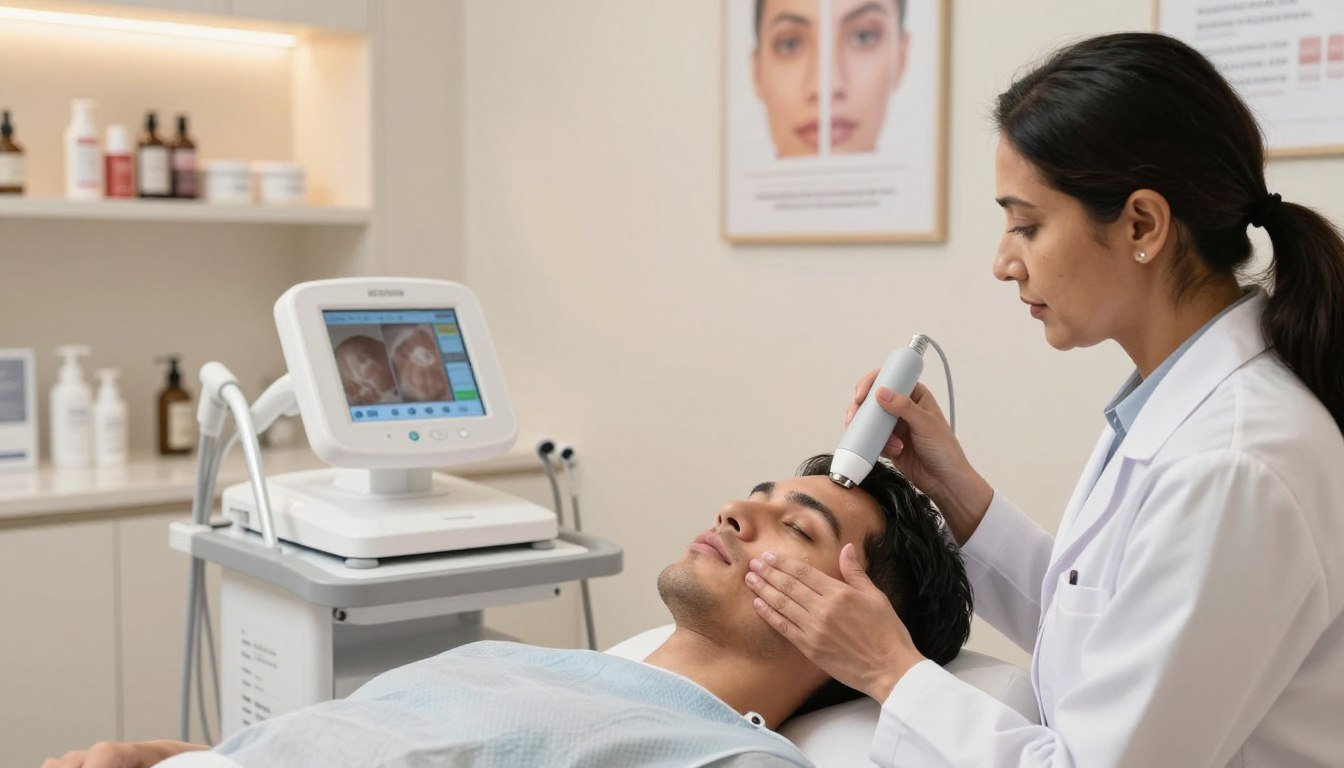
Cutting-edge procedures help remove damaged layers and allow healthy cells to emerge. We discuss common in-clinic options so you know what to expect and can make a calm, informed choice.
Laser and Chemical Resurfacing
Dermatologists often use laser resurfacing, chemical peels, microdermabrasion, and cryotherapy to renew tissue. These methods focus on replacing old cells with fresh ones for a smoother finish.
- Laser resurfacing may help reduce visible marks by removing damaged layers and promoting collagen growth.
- Chemical peels may also help improve texture and tone using controlled acid concentrations.
- Microdermabrasion and cryotherapy offer less aggressive options with quicker recovery for mild concerns.
- We prioritise comfort and safety, explaining risks, downtime, and likely outcomes so you feel supported.
| Procedure | Main effect | Typical recovery |
|---|---|---|
| Laser resurfacing | Removes damaged layers; stimulates renewal | Several days to weeks |
| Chemical peel | Exfoliates surface cells; evens tone | Days to two weeks |
| Microdermabrasion | Gentle exfoliation; brightens | Minimal downtime |
These professional options generally provide stronger, faster results than home care and may help restore a more even appearance. With careful selection, they can help reduce long-term concerns while keeping your wellbeing central to the plan.
Conclusion
In summary, combining cautious home care with expert input gives the best chance for steady improvement. Simple home remedies can be a gentle starting point while you monitor progress.
We recommend professional guidance when marks persist or change. Dr. Varsha D.V (MBBS, DDVL) at Boss Multispeciality Hospital, Bangalore, offers expert, compassionate care tailored to your needs.
Take the next step with a personalised consultation. Consult Dr. Varsha at Boss Multispeciality Hospital, Bangalore — Call +91 9986607601 to Book an Appointment.
Your wellbeing matters to us. We are here to support you with clear advice and a careful plan to help you feel confident again.
FAQ
What are the main types and causes of uneven skin colouring?
Uneven colouring commonly arises from excess melanin in specific areas. Common types include sunspots (lentigines), post-inflammatory darkening after acne or injury, and hormonal melasma. External factors such as sun exposure and some medications, plus internal drivers like hormonal imbalance, can all play a role. A doctor can give a full diagnosis and advise tailored care.
How does melanin affect tone and why do some areas darken more than others?
Melanin is the pigment produced by melanocytes that gives colour to the epidermis. When these cells become overactive in a localized area—due to UV light, inflammation, or hormones—they deposit more pigment, and the area appears darker. Genetic predisposition also affects how easily this happens.
Can apple cider vinegar or other acids at home help reduce dark spots?
Apple cider vinegar contains acetic acid and may slightly increase cell turnover when used briefly, but it can irritate sensitive skin and worsen marks if left too long. Mild chemical acids (like low‑strength glycolic or lactic acids) used under guidance are safer. If you try household remedies, rinse the area thoroughly and stop if you get redness or burning, then see your dermatologist for safer options.
Are green tea, aloe vera, or mulberry leaf remedies effective?
Ingredients such as green tea extract, aloe vera gel, and dried mulberry leaves contain antioxidants and compounds that may help calm inflammation and slightly reduce excess pigment over time. They are generally gentle and may support recovery, but evidence is modest. Use them as adjuncts—not replacements—for medical advice.
What botanical extracts have shown promise for reducing discolouration?
Botanical extracts like licorice extract and certain tea polyphenols can inhibit pathways that lead to excess melanin production. These are present in many over‑the‑counter brightening formulations and may help when used consistently alongside sun protection.
When should we seek a dermatologist rather than using home remedies?
See a dermatologist for a full diagnosis if marks are spreading, painful, rapidly changing, or if home remedies irritate the area. Also consult before combining acids, starting clinical procedures, or when over‑the‑counter options do not improve the problem after several months.
What advanced procedures are available for persistent discolouration?
Clinically, options include topical prescription agents, chemical peels with controlled acids, and various laser or light‑based resurfacings performed by trained cutaneous aesthetic specialists. Each has benefits and risks; a specialist in cutaneous aesthetic surgery will recommend the best modality based on lesion type, tone, and your medical history.
How long does it take to see results from remedies or procedures?
Timelines vary. Gentle topical measures or botanical supports may show changes in weeks to months. Chemical peels and laser resurfacing can produce quicker visible improvement, but multiple sessions are often needed and healing time varies. Your clinician will give a realistic plan and follow‑up schedule.
Are there risks to trying DIY acids or tea‑bag compresses at home?
Yes. DIY acids and prolonged compresses can cause burns, irritation, or paradoxical darkening, especially in darker complexions. If you try a short, low‑strength application, test a small patch first and rinse thoroughly. If irritation occurs, stop and consult your dermatologist.
What daily care helps prevent recurrence or worsening of discolouration?
Regular broad‑spectrum sunscreen, gentle cleansing, and avoiding peak sun hours are key. Use products with proven active ingredients recommended by your clinician, and avoid aggressive home procedures that can inflame the area. Routine follow‑ups with your dermatologist help tailor maintenance and reduce relapse.