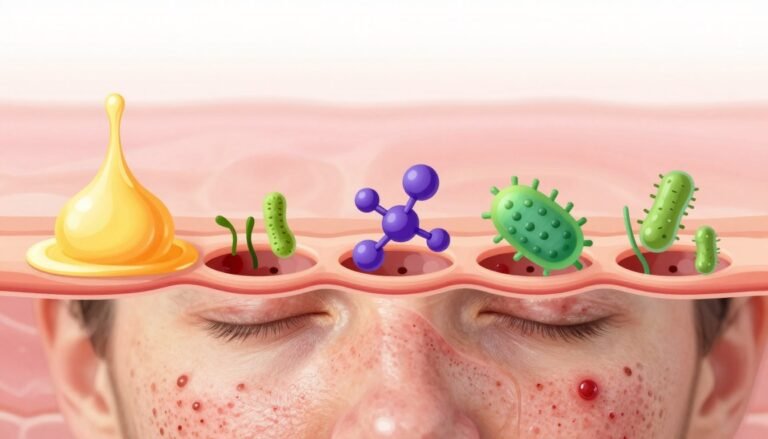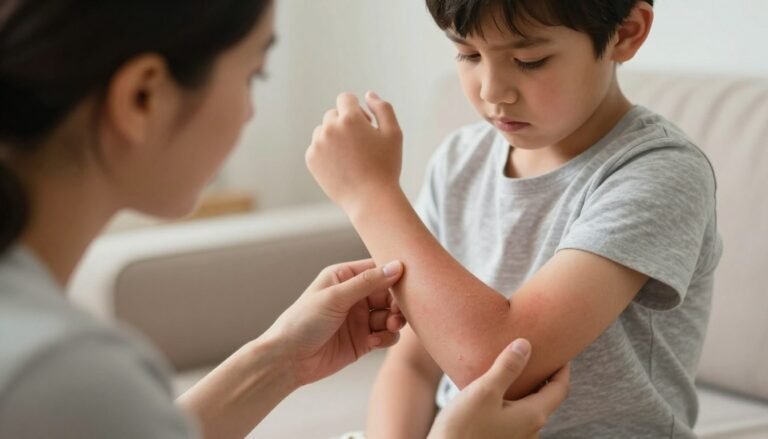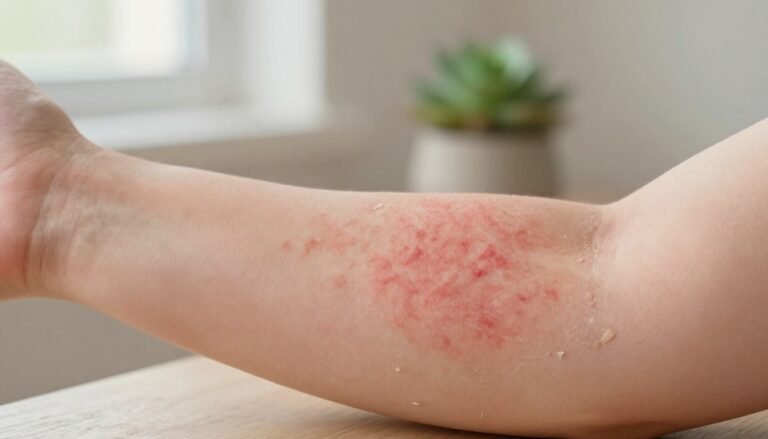

Common Skin Conditions in Children: A Parent’s Complete Guide
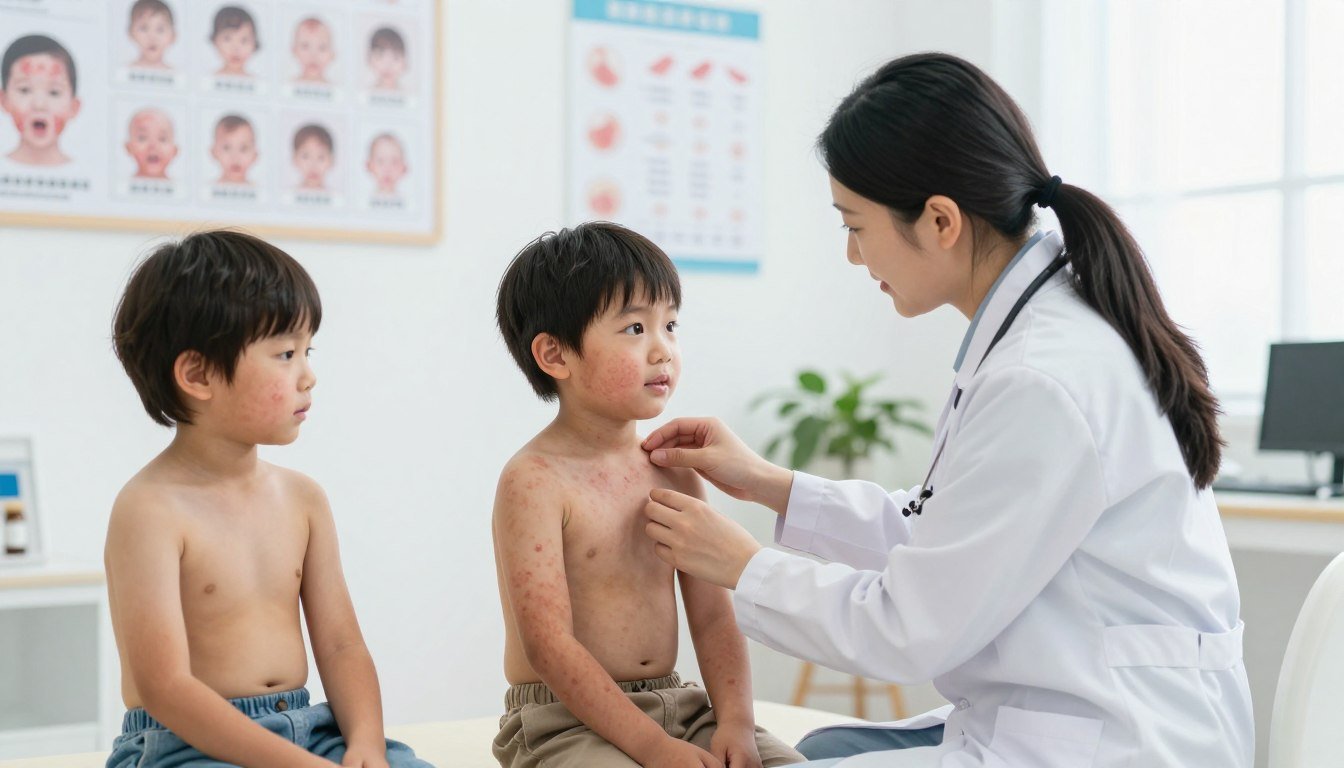
Have you ever wondered which marks or rashes deserve a quick home remedy and which need a doctor’s visit?
We know that spotting a new rash on your child can cause real worry for parents across Bangalore. Our goal is to help you tell mild irritation from issues that need timely care.
This short guide gives clear, evidence-based tips and simple explanations. We explain typical signs, basic steps to ease discomfort, and when to seek professional help.
Being informed helps you act with calm and confidence. We are here to support your family with caring advice and practical next steps for your child’s health.
– Recognize early signs and know when to consult a doctor.
– Practical tips to reduce discomfort and protect the child.
– Compassionate, evidence-based guidance for Bangalore families.
Understanding Common Skin Conditions in Children
When a new rash appears, knowing what usually needs simple care helps calm worried parents.
Many childhood rashes are brief and harmless. They often fade with basic home care and gentle observation.
Some issues, however, last longer or show worrying symptoms. If a rash spreads, causes severe discomfort, or the child has a fever, you should seek specialist review.
- Many problems are transitory; others need evaluation.
- Identifying triggers builds confidence when you watch for changes.
- Environmental and inherited causes both play a role.
| Type | Typical Course | When to Act |
|---|---|---|
| Transient rash | Days to weeks | If discomfort persists |
| Persistent issue | Weeks or more | Specialist review advised |
| Allergic reaction | Variable | Rapid care if breathing affected |
We aim to help every family in Bangalore make calm, informed choices about their child’s care.
Recognizing Warning Signs and When to Seek Help
Spotting a worrying rash can feel urgent; knowing clear warning signs helps you act quickly. We want you to feel confident about when to watch and when to seek care.
Identifying Red Flags
Look for sudden high fever with a spreading rash. If your child becomes confused or has a stiff neck, get prompt medical help.
Difficulty breathing, grunting, or rapid chest movement are emergencies. A rash that looks like tiny bruises or does not fade when pressed with a glass needs urgent review.
When to See a Doctor
- If a fever and rash appear together, watch for any change in alertness or behaviour.
- Seek urgent care for breathing trouble or signs of bleeding under the skin.
- Ask a clinician about medications and treatments if you worry the problem may worsen.
| Sign | Likely Action | When to Act |
|---|---|---|
| Low-grade rash or small bumps | Home care and monitoring | Within days if stable |
| Fever with spreading rash | Clinical assessment | Same day |
| Breathing trouble or confusion | Emergency care | Immediately |
Bacterial Infections and Skin Health
Certain bacterial infections lead to crusted sores or a sandpaper rash that we should not ignore.
Impetigo often causes small blisters that burst and form a yellow-brown crust. These sores usually appear around the nose and mouth and spread easily through close contact.
Scarlet fever, caused by group A Streptococcus, often presents with a rough, sandpaper-like rash on the chest. The child may also have a sore throat and a high fever, so prompt assessment is important.
- Impetigo is highly contagious and frequently needs antibiotic treatment to stop spread of the sores.
- Scarlet fever benefits from antibiotics; early treatment shortens illness and lowers complications.
- We focus treatment on the visible symptoms—crusty sores near the nose or mouth and any fever or throat pain.
- If your child has persistent pain or worsening signs, seek care so we can guide appropriate medications and follow-up.
| Infection | Key Signs | Treatment |
|---|---|---|
| Impetigo | Blisters, yellow-brown crusts around nose and mouth | Topical or oral antibiotics, hygiene to prevent spread |
| Scarlet fever | Sandpaper rash on chest, sore throat, fever | Oral antibiotics (penicillin or amoxicillin commonly used) |
| When to see us | Spreading rash, high fever, persistent pain | Clinical review and tailored antibiotics |
Viral Rashes and Childhood Illnesses
Viral eruptions in young patients can be itchy or mild, so knowing typical features eases worry. We describe three frequent viral illnesses and what to watch for at home.
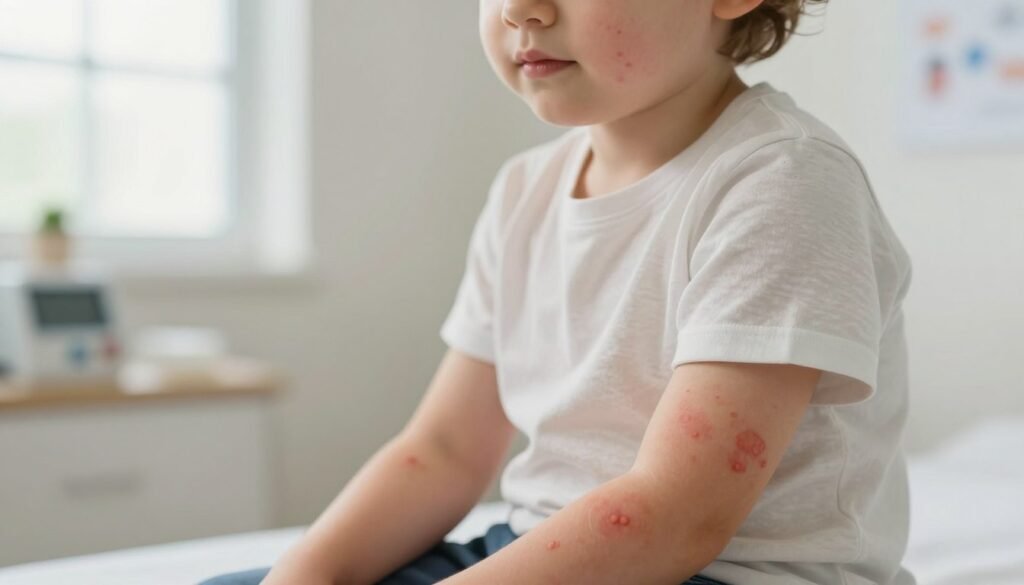
Chickenpox
Chickenpox starts as red, itchy spots that turn into fluid-filled blisters. These blisters crust over after a few days.
Cooling gels and paracetamol for fever can ease discomfort. Keep nails short to prevent scratching and secondary infection.
Hand, Foot, and Mouth Disease
This virus causes mouth ulcers and spots on the palms and soles. It spreads easily through close contact and shared objects.
Hydration and soft foods help when the mouth hurts. We advise keeping your child home until they recover to limit contact spread.
Slapped Cheek Syndrome and Molluscum Contagiosum
Slapped cheek syndrome, caused by Parvovirus B19, creates a bright red rash on the face. It is usually mild and clears on its own.
Molluscum contagiosum produces small, dome-shaped bumps that may also resolve within 18 months. These viral lesions often need only symptom care while the immune system responds.
- Most viral infections rely on the child’s immune system to clear the virus.
- Focus on treating fever, soothing itchy patches, and preventing spread through good hygiene.
- Seek medical advice if fever is high, a rash spreads rapidly, or the child becomes lethargic.
| Illness | Key Symptoms | At-Home Care |
|---|---|---|
| Chickenpox | Itchy blisters, fever | Cooling gels, fever control, avoid scratching |
| Hand, Foot, & Mouth | Mouth ulcers, spots on hands and feet | Fluids, soft diet, keep home until recovered |
| Slapped Cheek / Molluscum | Facial redness / dome bumps | Reassurance, symptom care, monitor for secondary infection |
Managing Eczema and Chronic Skin Issues
Long-term eczema needs steady care that keeps the moisture barrier healthy and reduces itchy patches. We focus on simple daily steps you can use at home to lower flare-ups and improve comfort for your child.
Use generous emollients several times a day and after baths. Choose gentle, non-soap cleansers to avoid stripping natural oils. Short, lukewarm baths followed by prompt moisturising help prevent cracking and redness.
- Identify triggers—heat, harsh detergents, or rough fabrics—and avoid them when possible.
- For flare-ups, mild topical creams can calm inflammation; we can guide which formulations suit your child.
- Keep nails short and use soft clothing to protect affected patches and reduce scratching.
| Feature | What to do | When to see us |
|---|---|---|
| Dry, cracked areas | Daily emollients and gentle cleansers | If redness or bleeding persists |
| Itchy rashes or bumps | Soothing creams and trigger review | Frequent flares despite care |
| Infected patches | Topical or oral medications as advised | Spreading crusts, fever, or growing pain |
Allergic Reactions and Hives
Allergic reactions can start suddenly, and hives are one of the most visible signs caregivers notice.
Hives, or urticaria, happen when a trigger causes histamine release. This leads to raised, itchy red or pink patches on the skin.
These welts can appear anywhere on the body and may change shape or move over a few hours. Triggers include certain foods, latex, insect bites, medicines, or physical factors such as heat or pressure.
- Hives often settle with oral antihistamine treatments and simple cooling measures.
- If your child had recent contact with a known irritant, we can help plan avoidance and prevention.
- Seek urgent care for breathing difficulty, swelling of the face or mouth, or if symptoms worsen rapidly.
| Feature | Usual Course | When to Seek Help |
|---|---|---|
| Raised itchy welts | Hours to days | Rapid spread or severe itching |
| Trigger known (food/contact) | Avoidance and antihistamine | Recurrent episodes or severe reaction |
| Systemic signs | May need urgent care | Breathing trouble or facial swelling |
We focus on finding the likely cause and guiding safe, effective care at home. If you are unsure, please contact us for personalised advice.
Fungal Infections and Ringworm
A ring-shaped patch or scaly spot may point to a fungal infection rather than a simple irritation. Ringworm is a highly infectious fungal problem that can affect the scalp, feet, or other parts of the body.
We often see round red patches that spread outward and may cause itching. On the scalp, the infection can cause bumps and hair loss. On the feet it appears as itchy, flaky areas between toes.
Because ringworm spreads by close contact, avoid sharing towels, hats, or clothes that touched the affected area. Early diagnosis helps us pick the right antifungal creams or shampoos.
- Seek professional advice for scaly, itchy patches to confirm the diagnosis.
- Topical creams work for many rashes; scalp infections may need medicated shampoo or oral tablets.
- Keep the area clean and discourage scratching to prevent spread and secondary infection.
| Location | Key signs | Usual treatment |
|---|---|---|
| Scalp | Round patches, bumps, hair loss | Antifungal shampoo, sometimes oral medicine |
| Body / hands | Ring-shaped red patches, itching | Topical antifungal creams, hygiene |
| Feet | Cracked, flaky areas between toes | Antifungal creams, keep feet dry |
Heat-Related Skin Problems
Hot, humid days can bring red, prickly patches that make little ones restless and sore. These arise when sweat ducts become blocked and trapped fluid irritates the surface.
Prickly Heat Management
Prickly heat, or miliaria, shows as small, red bumps on the face, neck, or chest. The child may complain of a stinging feeling where the rash is most dense.
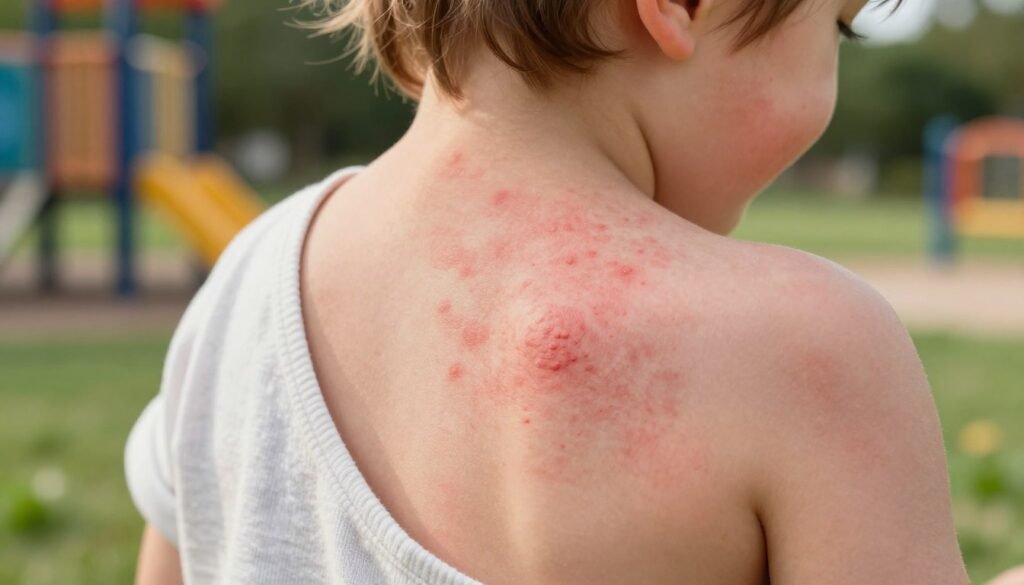
To prevent these problems, keep your child cool and dress them in light, breathable clothing. Offer shade, frequent fluids, and avoid heavy layers during playtimes.
- Use cooling calamine lotion to ease the stinging and reduce redness.
- Give short, lukewarm baths and pat the area dry rather than rubbing.
- Watch for spreading or signs of infection and seek advice if the rash worsens.
| Feature | Typical Signs | Practical Advice |
|---|---|---|
| Miliaria (prickly heat) | Small red bumps, stinging on warm areas | Cool environment, breathable clothes, calamine lotion |
| Usual course | Resolves with cooling and rest | Short baths, loose cotton garments |
| When to seek help | Spreading rash, pus, persistent fever | Clinical review for possible secondary infection |
Prickly heat rarely needs major treatment, but we are here to help you manage symptoms and keep your child comfortable during Bangalore’s warmer months.
Understanding Keratosis Pilaris
Those small, grainy bumps that feel like gooseflesh are often keratosis pilaris and are usually harmless.
The condition causes tiny, rough bumps on the upper arms, thighs, or buttocks. It often becomes more noticeable during puberty as hormone changes alter the texture of the skin.
We recommend gentle care: non-soap cleansers and liberal moisturising help to soften the bumped areas. Avoid harsh scrubs that can worsen irritation.
- Harmless and painless, often called a normal variation of texture.
- Regular emollients and gentle hygiene reduce roughness over time.
- No permanent cure, but steady routines deliver visible improvement for many.
| Feature | Typical Location | Care |
|---|---|---|
| Rough, tiny bumps | Upper arms, thighs, buttocks | Non-soap cleansers, daily moisturiser |
| Often worse at puberty | Body areas with hair follicles | Avoid abrasive scrubs; gentle exfoliation may help |
| Long-term course | May improve with age | Consistent routine; consult us for extra options |
If you are worried about appearance or persistent changes, we are here to advise and offer tailored care so your child feels confident and comfortable.
The Role of Professional Dermatological Care
Persistent or spreading problems need a specialist to confirm the cause and plan care.
We ensure accurate diagnosis for tricky cases such as persistent impetigo and recurring infections. Early review helps prevent spread and reduces time away from school or play.
Our team offers comprehensive evaluations. We use evidence-based protocols to choose the safest treatment and follow-up plan for your child.
- Thorough clinical assessment and targeted tests where needed.
- Clear guidance on home care plus medical therapy when required.
- Follow-up to confirm healing and prevent repeat episodes.
| Issue | Why see a specialist | Typical approach |
|---|---|---|
| Persistent impetigo | May need culture or oral therapy | Topical or oral antibiotics, hygiene advice |
| Recurrent infections | Identify triggers and resistance patterns | Tailored antibiotic plans and prevention tips |
| Unclear rash | Rule out similar causes and complications | Diagnostic tests and evidence-based treatment |
At Boss Multispeciality Hospital we prioritise compassionate care and clear communication. If you are worried, reach out early so we can guide you through safe, effective options.
Expert Consultation at Boss Multispeciality Hospital
A specialist review can clarify whether a problem needs simple home care or medical treatment. We offer personalised evaluations at Boss Multispeciality Hospital, Bangalore to help you decide the right next step.
Dr. Varsha D.V (MBBS, DDVL) is a Consultant Dermatologist & Dermatosurgeon who treats young patients with empathy and skill. She focuses on accurate diagnosis and gentle, evidence-based plans that fit your family’s routine.
- Experienced consultant managing a wide range of paediatric dermatology needs.
- Compassionate explanations and tailored treatment options for each case.
- Modern facility in Bangalore with diagnostics and follow-up care.
| Service | What to expect | When to book |
|---|---|---|
| Initial consultation | Assessment, diagnosis, treatment plan | If a mark or rash persists over a few days |
| Follow-up visit | Review response and adjust therapy | As advised by Dr. Varsha |
| Procedural care | Minor office procedures when needed | Booked after clinical assessment |
Please call +91 9986607601 to book an appointment and secure a time with our team. Consult Dr. Varsha at Boss Multispeciality Hospital, Bangalore — Call +91 9986607601 to Book an Appointment.
Conclusion
When a spot, patch, or bump appears, practical steps and timely advice keep your child safe and comfortable.
We hope this guide gives you the clarity and confidence to manage a rash at home and to spot signs of infection that need care.
Your child’s immune system learns with each illness, so mild cases often settle with rest, creams, and good hygiene. If you feel unsure, please contact our team for a personalised evaluation.
We are here for families across Bangalore, offering expert advice and prompt appointments to help your child stay healthy and happy. Call +91 9986607601 to reach us.
FAQ
What rashes should make me call a doctor right away?
If your child has a high fever with a spreading rash, painful red streaks, pus-filled sores, rapid swelling, difficulty breathing, drooling, or a stiff neck, seek urgent medical care. Also contact a doctor for any rash that looks infected—warm, tender, or oozing—or if your child is unusually drowsy, confused, or not eating.
How can I tell the difference between a viral rash and a bacterial infection?
Viral rashes often come with fever and mild illness, and they usually look widespread, blotchy, or spotty. Bacterial infections such as impetigo typically cause localized sores, honey-colored crusts, or painful, swollen areas that may leak pus. If the rash is rapidly worsening or producing discharge, we recommend an evaluation to decide if antibiotics or other treatments are needed.
What are signs of impetigo and when are antibiotics needed?
Impetigo shows as red sores that burst and form yellowish crusts, often around the nose and mouth or on hands. If lesions are multiple, spreading, or causing fever, a physician may prescribe topical or oral antibiotics. Good hygiene and keeping lesions covered help prevent spread to others.
My child has blisters and a fever—could this be chickenpox or hand, foot, and mouth disease?
Both illnesses cause blisters. Chickenpox usually starts with itchy, fluid-filled lesions across the body. Hand, foot, and mouth disease causes small painful sores in the mouth and blisters on the palms and soles, often with low fever and sore throat. A clinician can confirm the cause and advise on symptomatic care, hydration, and isolation periods.
What is slapped cheek syndrome and how long is my child contagious?
Slapped cheek syndrome (erythema infectiosum) is caused by parvovirus B19 and produces bright red cheeks and a lacy rash on the body. Children are most contagious before the rash appears, and after the rash shows up they usually are no longer infectious. Pregnant caregivers should inform their doctor because of potential risks.
How do we manage eczema at home and when should we see a dermatologist?
Regular moisturising, avoiding known triggers, using gentle cleansers, and applying topical emollients reduce flare-ups. Short courses of topical corticosteroids help control inflammation during flares. See a dermatologist if eczema is severe, affects sleep, becomes infected, or does not respond to basic treatment—specialist care can include tailored prescriptions and education on flare prevention.
Are hives dangerous and how do I treat them?
Hives (urticaria) are raised, itchy welts that often come and go. They usually respond to oral antihistamines and cooling measures. Seek immediate care if hives come with difficulty breathing, facial or throat swelling, fainting, or rapid heart rate—these signs suggest a severe allergic reaction (anaphylaxis).
How do we recognise and treat ringworm or other fungal infections?
Ringworm typically appears as a round, scaly patch with clearer center and raised edges. Athlete’s foot affects the feet with itching and peeling. Topical antifungal creams applied as directed usually clear the infection; widespread or stubborn cases may need prescription oral antifungals. Keep affected areas dry and avoid sharing towels or clothing.
What causes prickly heat and how can I prevent it?
Prickly heat (miliaria) happens when sweat ducts clog in hot, humid weather, causing tiny red bumps and itching. Prevent it by dressing your child in loose, breathable clothing, keeping the environment cool, and avoiding heavy lotions. Cool baths and light calamine or soothing emollients ease symptoms; severe cases should be assessed by a clinician.
Is keratosis pilaris harmful and can it be treated?
Keratosis pilaris shows as small rough bumps, often on the upper arms, thighs, or cheeks. It’s harmless but may worry parents. Regular gentle exfoliation, moisturisers with lactic or salicylic acid, and patience help improve texture. A dermatologist can recommend stronger topical options if needed.
When should we book a dermatology appointment at Boss Multispeciality Hospital?
Schedule an appointment if rashes are persistent, recurrent, widespread, cause significant discomfort, or resist first-line treatments. Also consult us for diagnostic uncertainty, suspected infections needing prescription medications, or when you want an expert care plan for chronic issues like eczema or recurrent fungal disease.
Can skin infections spread to other family members and how do we limit transmission?
Many rashes and infections—such as impetigo, ringworm, and viral illnesses—can spread through direct contact or shared items. Limit transmission by isolating affected areas, practicing strict hand hygiene, laundering clothing and bedding separately, avoiding shared towels, and following your clinician’s treatment and return-to-school guidance.