
Skin Allergies in Children: Common Triggers & How to Manage Them
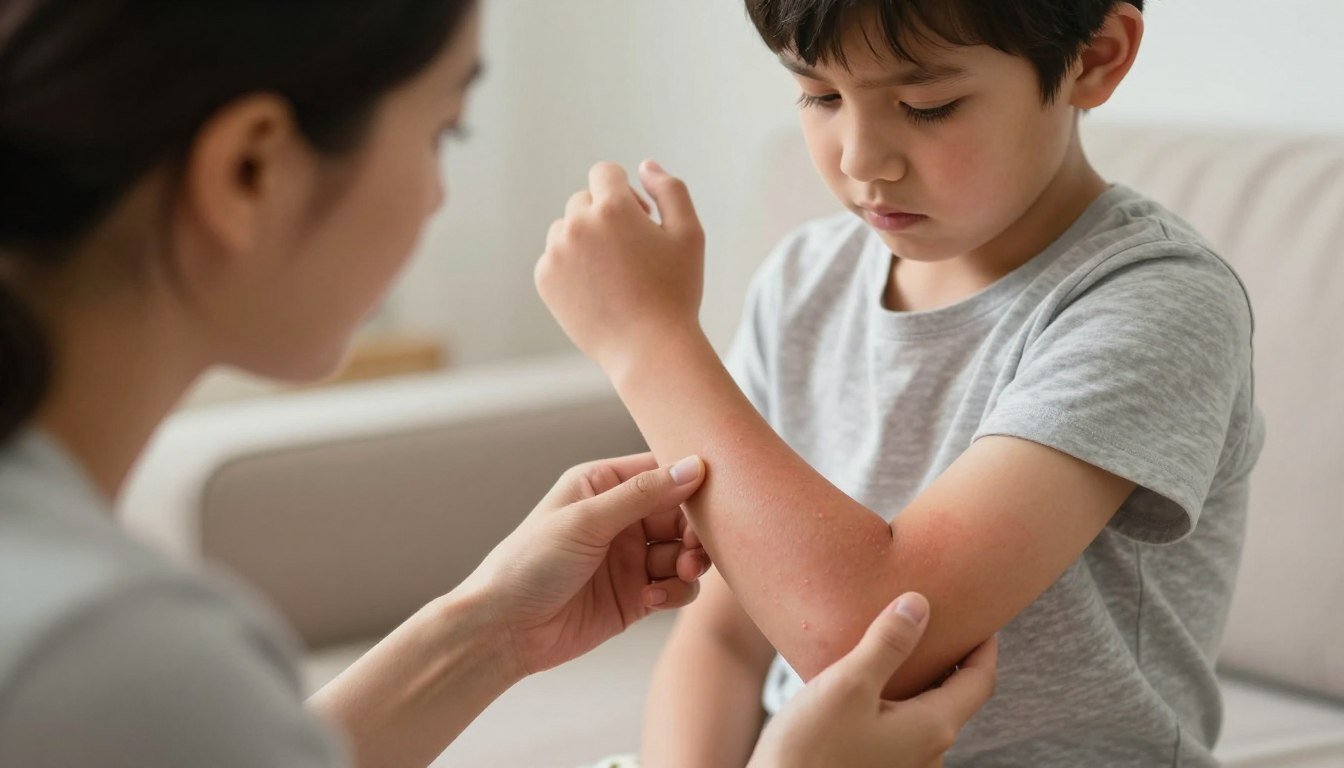
Have you ever paused at a sudden rash and wondered what it really means for your child?
We know that visible rashes can cause worry, especially for parents in Bangalore managing busy family days. Identifying the root cause is the first step to steady relief and smart treatment choices.
Many childhood rashes are mild and clear on their own. Still, persistent symptoms or spreading marks on the body deserve a careful look from a clinician.
Our goal is to help you spot common triggers, learn simple home care, and know when to seek medical help so your kids stay comfortable as they grow.
Understanding Skin Allergies in Children
Many parents spot a new rash and feel unsure about the next step for their child. We aim to make this clearer with facts and practical advice you can use at home.
The Prevalence of Allergies
Research from the Centers for Disease Control and Prevention shows cases rose between 1997 and 2011. This rise affects overall paediatric care and public health planning.
Impact on Daily Life
Early-onset problems can disrupt school, sleep, and play. Symptoms may appear with congestion or sneezing and make daily routines harder for kids and caregivers.
By monitoring any new rash or persistent irritation, you help protect long-term comfort and wellbeing. Timely attention often reduces stress for the whole family.
| Metric | What to watch | Typical effect |
|---|---|---|
| Prevalence | Rising cases from CDC data | More families need guidance |
| Common signs | Rash, itching, other symptoms | Sleep loss, irritability |
| Daily impact | Missed play or school | Emotional and physical strain |
Common Types of Pediatric Skin Conditions
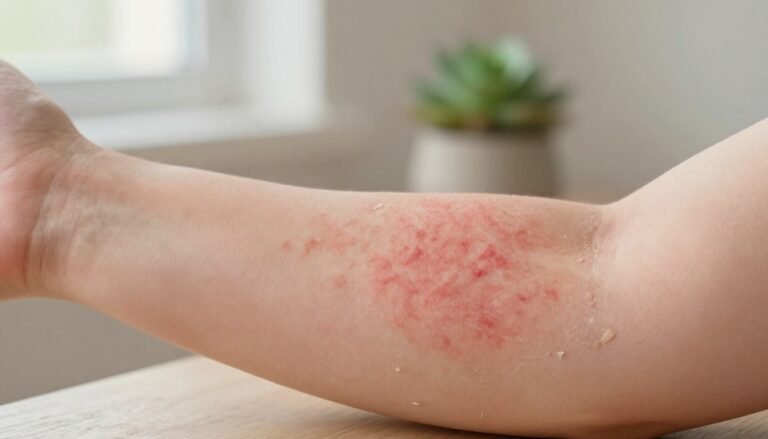
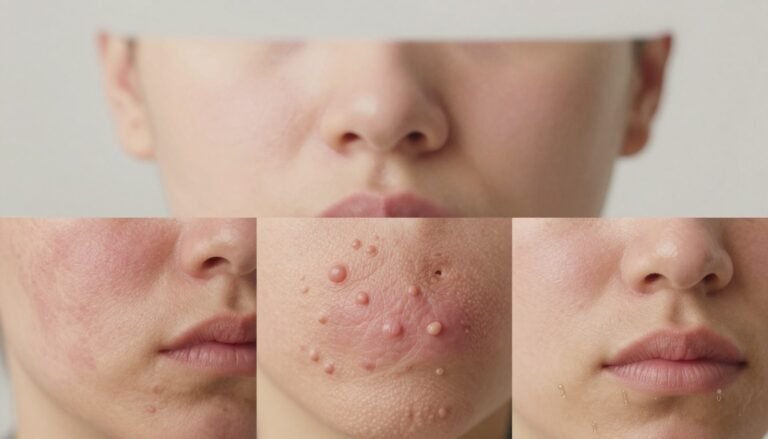
Some common childhood conditions show up as red patches, blisters, or raised bumps. Recognizing which type your child has helps you choose safe care and know when to seek urgent help.
Here are frequent causes you may see at home or school:
- Eczema: about one in ten kids develops this inflammatory dermatitis with itchy patches on the face, elbows, and knees.
- Impetigo: a contagious infection that often causes sores around the nose and mouth and needs prompt treatment.
- Hand, foot and mouth disease: a viral mouth disease that brings small ulcers and spots on hands and feet.
- Cellulitis: a deeper bacterial infection causing a painful red rash, swelling, and fever.
- Chickenpox and hives: chickenpox shows fluid-filled blisters that crust over; hives are raised welts that can appear across the body.
| Condition | Typical signs | Common locations | When to act |
|---|---|---|---|
| Eczema | Red, itchy patches | Face, elbows, knees | If severe or infected |
| Impetigo | Sores, yellow crusts | Around mouth, nose | Start antibiotics early |
| Hand, foot & mouth | Mouth ulcers, tiny spots | Hands, feet, mouth | Hydration, seek care if high fever |
| Cellulitis | Redness, swelling, fever | Any part of the body | Urgent medical attention |
Identifying Potential Triggers
Observing where and when a rash shows up helps us find likely causes quickly. A careful history of exposures, meals, and recent contact narrows the list of triggers.
Environmental Factors
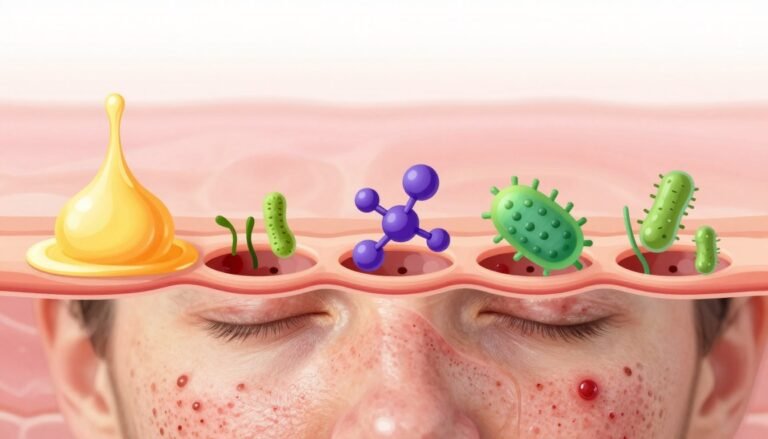
Common household agents such as dust mites, pet dander, pollen, mold, or strong fragrances may prompt an immune system overreaction. These often cause itchy patches or small bumps on the face or around the nose and mouth.
Dietary Influences
Food reactions may show as hives or eczema flare-ups shortly after a meal. Eggs, milk, nuts, and seafood are frequent culprits. Watch for mouth irritation, rapid spread of rashes, or fever that may suggest a viral mouth disease rather than a food cause.
Contact Irritants
Contact dermatitis appears where the child touched an irritant — often the hands or face. Soaps, metals, plants, and topical ointments may cause red, itchy areas. Impetigo and chickenpox may also be confused with simple contact reactions, so note fever or spreading infection signs.
| Trigger | Clues | Typical spots |
|---|---|---|
| Allergens (pollen, pets) | Seasonal, itchy | Face, neck |
| Food | After meal, hives | Mouth, body |
| Contact irritants | Localised redness | Hands, face |
Diagnostic Approaches for Skin Allergies
A clear diagnostic plan helps separate allergic reactions from infections and other causes.
We begin with a careful history. A doctor asks about timing, recent foods, contacts, and any fever or mouth symptoms. This helps us judge how the immune system reacts and which causes to suspect.
Common diagnostic steps include:
- Skin prick or patch tests to check for specific allergens.
- Clinical exam to spot signs of impetigo, hand, foot and mouth disease, or chickenpox.
- Targeted blood tests when needed, keeping age-related limits in mind.
Tests are useful, but a clinical exam often gives the clearest answer for young kids. Blood tests can be less accurate at early ages.
By matching the types of rash and symptoms to likely causes, we can plan the right treatment and advise you on home care and follow-up.
| Test | Purpose | Notes |
|---|---|---|
| History & exam | Identify likely cause | Preferred for young children |
| Patch/Prick | Detect specific allergens | Useful for dermatitis and hives |
| Blood tests | Support diagnosis | Used selectively; limits in infants |
Effective Management and Treatment Strategies
Small daily steps at home can ease irritation and help rashes heal faster. A clear routine reduces flare-ups and keeps your child comfortable while you watch for any worrying signs.
Home Care and Moisturizing
Managing atopic dermatitis and other dermatitis types starts with gentle care. We recommend plain, fragrance-free ointments and moisturizers applied soon after bathing to lock in moisture.
Keep the child body cool and dress kids in breathable cotton. Avoid known triggers and harsh soaps that strip the natural barrier.
- For mild reactions, your doctor may suggest over-the-counter antihistamines to reduce intense itching.
- If scratching leads to a secondary infection, seek prompt medical treatment to prevent spreading or fever.
- Consistent moisturising helps control eczema and lowers the chance of repeated flare-ups.
| Focus | Action | Why it helps |
|---|---|---|
| Barrier care | Daily ointments | Prevents moisture loss |
| Itch relief | Antihistamines (as advised) | Reduces sleep loss |
| Infection watch | See a doctor if red or warm | Stops worsening condition |
Recognizing Emergency Symptoms
Not all rashes are harmless; some signs need urgent assessment and prompt care.
If your child develops hives with any breathing difficulty or swelling of the face, lips, or mouth, seek emergency care right away. Rapid swelling may signal a severe reaction that needs fast treatment.
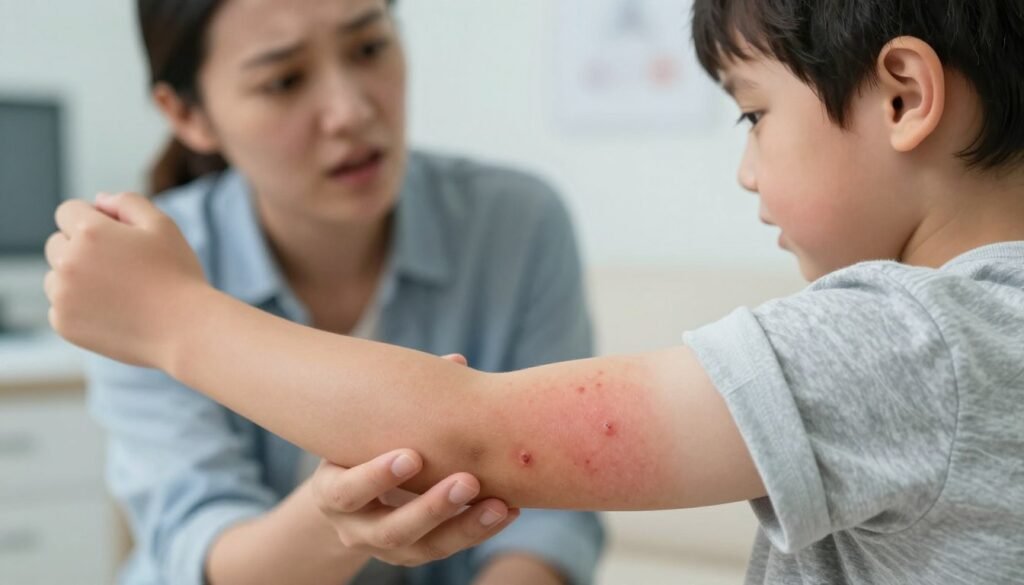
A rash that looks like small bruises or tiny spots of bleeding under the skin and does not fade when pressed is a red flag. This can indicate a serious infection or a clotting problem and needs immediate review.
High fever with a stiff neck, confusion, or an unusually fast pulse are warning symptoms beyond simple home care. Watch for dizziness after contact with a known allergen — this can be part of anaphylaxis.
Also inspect palms and soles for odd patches or bumps. Conditions such as impetigo or hand, foot and mouth disease may cause fever, but breathing problems or sudden collapse are distinct emergencies.
| Sign | What it may mean | Immediate action |
|---|---|---|
| Hives + breathing trouble | Possible anaphylaxis | Call emergency services |
| Non-blanching rash | Serious infection/bleeding | Urgent hospital assessment |
| High fever + confusion | Systemic illness | Seek emergency care |
| Painful patches on hands/feet | Wider illness like HFMD or spread | Contact your doctor promptly |
When to Seek Professional Medical Advice
If a rash appears and won’t settle after simple care, it’s time to act. We recommend scheduling an appointment when basic home treatment fails to improve the mark or itching.
Call your doctor before visiting if you suspect a serious infection, such as scarlet fever or measles. This helps protect your family and clinic staff.
If the child seems unwell, has a high fever, or if the rash is spreading quickly across the body, seek advice promptly. Also reach out when a rash comes with sore throat or mouth discomfort.
- Persistent rash not improving with home care.
- Rapidly spreading marks or rising fever.
- Signs that suggest a possible infection or mouth involvement.
- When you feel unsure about the child’s symptoms and need expert guidance.
Early review by a doctor can prevent complications and ensure the right treatment. We are here to support you and arrange timely care.
| Situation | What it may indicate | Action |
|---|---|---|
| Worsening rash + fever | Possible infection | Contact doctor urgently |
| Rapid spread across body | Systemic reaction | Arrange medical review |
| Mouth sores or sore throat | Viral or bacterial cause | Call before clinic visit |
Expert Care at Boss Multispeciality Hospital
Finding a trusted dermatologist can turn worry into a clear treatment plan for your child. We provide focused, practical care for persistent rashes and worrying symptoms. Our team guides you through diagnosis, short-term relief, and long-term management with calm support.
Consulting Dr. Varsha D.V.
Dr. Varsha D.V. (MBBS, DDVL) is a Consultant Dermatologist & Dermatosurgeon at Boss Multispeciality Hospital, Bangalore. She specialises in diagnosing hives, infections that may also affect the mouth or hands, and complex cases that need advanced therapies.
- Personalised plans that use targeted ointments and evidence-based treatment.
- Care for chronic conditions and sudden rashes with a family-friendly approach.
- Quick assessment for fever, spreading marks on the face, or signs of infection.
| Service | When to consult | What we offer |
|---|---|---|
| Rapid rash review | New or spreading rash | Same-day assessment, topical care |
| Chronic care | Recurrent irritation | Long-term plans, ointments, follow-up |
| Emergency advice | High fever or severe symptoms | Fast triage, urgent referrals |
Consult Dr. Varsha at Boss Multispeciality Hospital, Bangalore — Call +91 9986607601 to Book an Appointment.
Long Term Outlook for Pediatric Skin Health
We expect many long-term conditions such as eczema to ease as a child grows and immunity matures. Early years can bring frequent flare-ups, but severity often drops over time.
Proactive steps make a big difference. Use prescribed moisturisers, avoid known triggers, and consider antihistamines for intense itching when your doctor advises. These measures lower the chance of a painful rash returning.
Regular check-ups let us track progress and adjust treatment plans. Even after a rash clears, stay alert for new symptoms or signs of infection or fever that may need prompt review.
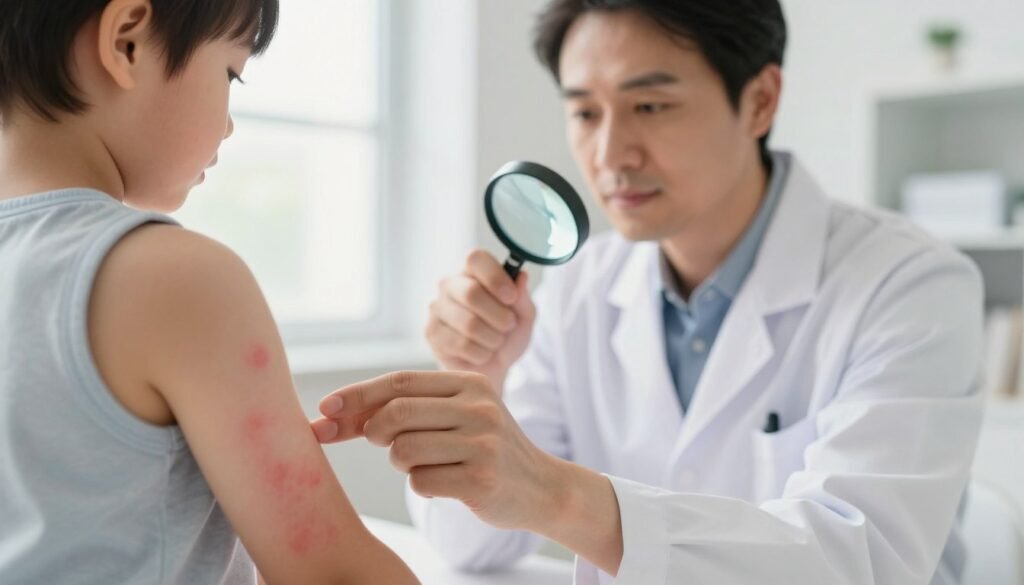
Working closely with a specialist helps your child get tailored care through childhood. Our goal is steady improvement so kids can play, learn, and sleep with less disruption from dermatitis or hives.
| Focus | Why it matters | Action |
|---|---|---|
| Prevention | Fewer relapses | Avoid triggers |
| Symptom control | Comfort and sleep | Moisturise, antihistamines |
| Follow-up | Adjust treatment | See a doctor regularly |
Conclusion
This summary aims to give clear, practical steps so you can act calmly when a new rash appears. We want you to feel prepared and supported.
Early detection and prompt review by a qualified doctor make a big difference. Follow basic home care and use prescribed treatment as directed to help resolve most issues quickly.
If a mark shows signs of spreading, rising warmth, or fever, seek advice right away to rule out a serious infection. We are here to support your family and to offer focused care whenever you need help.
FAQ
What are common triggers for skin reactions in young patients?
Common triggers include environmental irritants such as pollen, dust mites, and pet dander; contact agents like soaps, fragrances, and nickel; certain foods such as eggs or milk; and heat or sweat. Identifying patterns—when a rash appears, what the child was exposed to, and any accompanying symptoms—helps narrow the cause.
How can I tell if a rash is from an allergic reaction or an infection?
Allergic rashes often itch, appear suddenly after exposure, and may be patchy or raised. Infections can cause pus, spreading redness, crusting, or fever. If the area is warm, painful, or spreading quickly, or if your child has fever, consult a clinician for evaluation and possible tests.
What steps can we take at home to soothe irritated skin?
Gentle care helps most: use mild, fragrance-free cleansers; apply emollients regularly to keep the surface hydrated; avoid hot baths; dress your child in breathable cotton; and remove potential contact irritants. Cool compresses and short-term oral antihistamines can relieve intense itching—ask a pediatrician about appropriate dosing.
When should we see a doctor for a recurring rash?
See a specialist if the rash returns despite home care, interferes with sleep or school, causes severe discomfort, or is accompanied by breathing difficulty, swelling of the face or mouth, or high fever. Persistent or recurring problems often need targeted testing and a treatment plan.
What diagnostic tests are used to find allergic causes?
Clinicians may use a detailed history and physical exam, patch testing for contact reactions, or skin-prick and blood tests for specific immune responses. Sometimes a supervised trial of eliminating suspected foods or products helps identify the trigger.
Are topical creams safe for long-term control?
Many emollients and nonsteroidal moisturizers are safe for daily use. When topical steroids are needed, physicians prescribe the lowest effective potency for the shortest period and monitor use. Always follow specialist guidance to balance benefit and safety.
Can dietary changes prevent flare-ups?
Only avoid foods when a clear connection exists—confirmed by testing or a supervised elimination diet. Unnecessary restrictions can harm nutrition. Work with a pediatrician or allergist before making long-term changes.
What emergency signs require immediate care?
Seek urgent care if your child has difficulty breathing, swelling of the lips or tongue, severe facial swelling, fainting, or a rapidly spreading rash with high fever. These may indicate a life-threatening reaction needing prompt treatment.
How do we reduce exposure to environmental triggers at home?
Reduce dust by vacuuming with a HEPA filter, wash bedding in hot water weekly, keep pets out of bedrooms if dander is a problem, use air purifiers, and avoid indoor smoking. For pollen season, keep windows closed and change clothes after outdoor activities.
When is referral to a dermatologist or allergist appropriate?
Referral is appropriate for severe or persistent conditions, unclear diagnosis, multiple suspected triggers, or when specialized testing or prescription therapies are needed. Specialists create personalized plans to control symptoms and improve quality of life.
Can routine vaccinations or common childhood illnesses cause rashes?
Some viral illnesses and occasional vaccine reactions produce rashes. These are usually short-lived and accompanied by other signs like fever. If a rash follows vaccination and causes concern, contact your pediatrician for advice and assessment.
How can we prevent secondary infection of irritated areas?
Keep nails short to reduce scratching, clean lesions gently, use barrier ointments when advised, and seek medical care if you notice increasing pain, pus, spreading redness, or fever. Early treatment of bacterial infection prevents complications.
What role do antihistamines play for itchy rashes?
Antihistamines relieve itching for many allergic reactions and can help children sleep when itching is worse at night. Non-drowsy options exist for daytime use; sedating forms may be used briefly at night under clinician guidance. Always follow dosing instructions for age and weight.
How do we choose moisturizers and cleansers for sensitive skin?
Pick fragrance-free, dye-free formulas labeled for sensitive or atopic-prone skin. Look for products with simple ingredient lists and avoid known irritants like perfumes and harsh surfactants. A patch test on a small area can help check tolerance before wider use.
Are there long-term outlooks for children with chronic rash conditions?
Many children improve with proper management, trigger avoidance, and ongoing care. Some conditions can persist or change over time; regular follow-up with a dermatologist helps adjust treatment and support skin health into adolescence and adulthood.