
Eczema in Babies & Toddlers: Symptoms, Causes & Safe Treatment
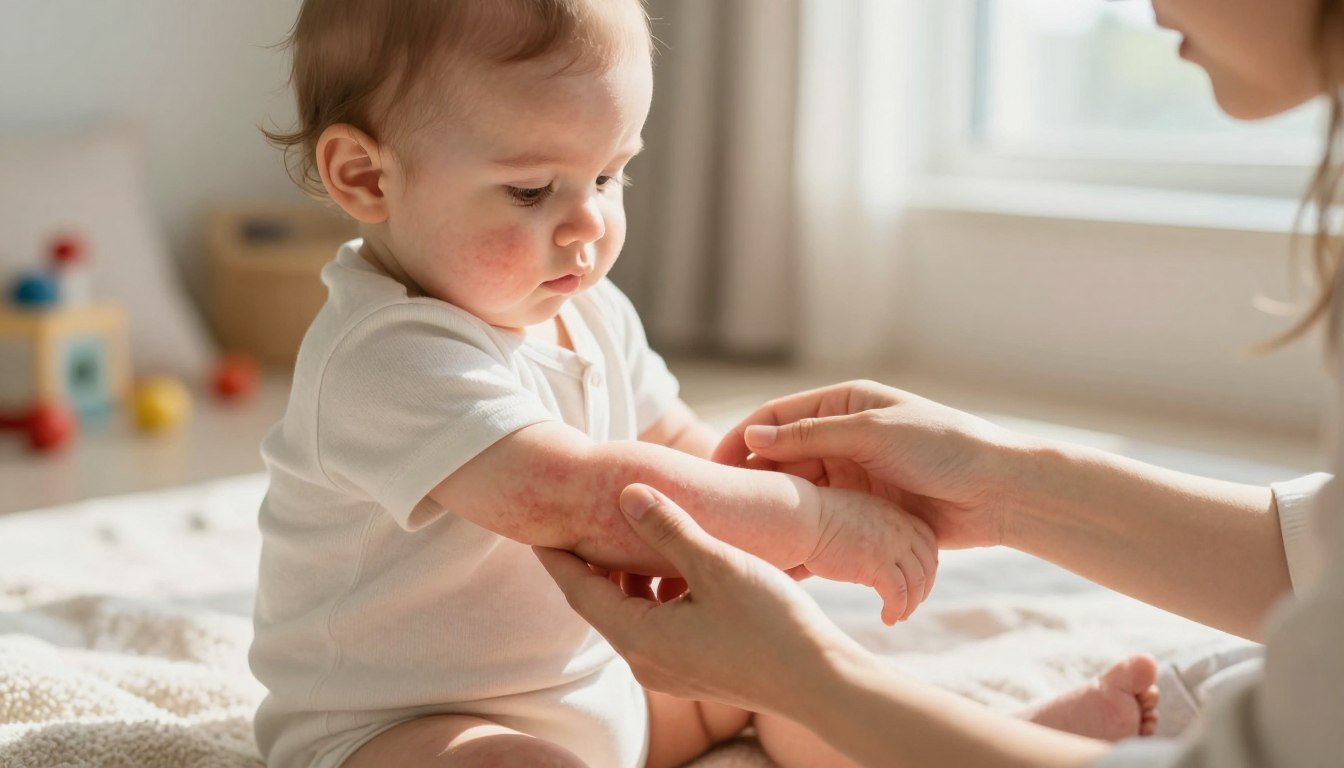
Have you ever wondered why your little one’s skin flares up and what you can do right away to help?
We know how hard it is to watch a child feel itchy or uncomfortable. Our goal is to guide you with calm, clear steps so you can spot symptoms early and protect your baby’s skin.
We explain common signs, simple daily care tips, and when to seek medical advice. This short guide blends practical advice with gentle reassurance tailored for parents in Bangalore and across India.
You will find safe options for soothing delicate skin and ideas that fit a busy family routine. We aim to help you feel confident about your child’s health and comfort.
Understanding Eczema in Infants
Many infants show signs of irritated skin during their first few months, and this can feel overwhelming for parents.
Infantile atopic dermatitis is a chronic inflammatory condition that often appears within the first six months of age. It is not contagious, but it can cause persistent redness and itching that affects a child’s comfort and family sleep.
Knowing that baby skin issues are common helps you approach daily care with calm and confidence. Your infant’s age and months of exposure to new fabrics, soaps, or foods can change how the skin reacts.
| Age (months) | Common signs | Simple care steps |
|---|---|---|
| 0–3 | Red, dry patches on cheeks and scalp | Mild moisturiser, gentle baths, cotton clothing |
| 4–6 | Spread to arms or trunk; increased scratching | Short nails, soft mittens, regular emollient |
| 7–12 | Flare-ups with seasonal changes | Monitor triggers, consistent skin care, seek advice if severe |
With guided care, many cases are manageable at home. We are here to support your child’s skin health and answer questions as they grow.
Recognizing Common Symptoms
Small red patches or scratching can be the first hints that your child’s skin needs attention. Early recognition helps you reduce discomfort and avoid complications.
Physical Appearance
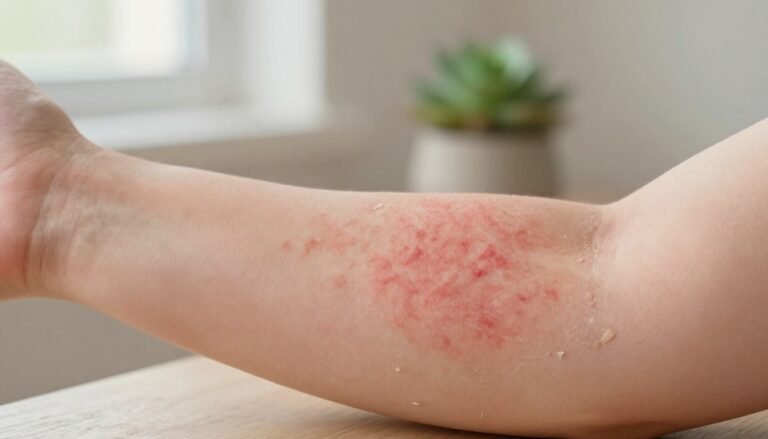
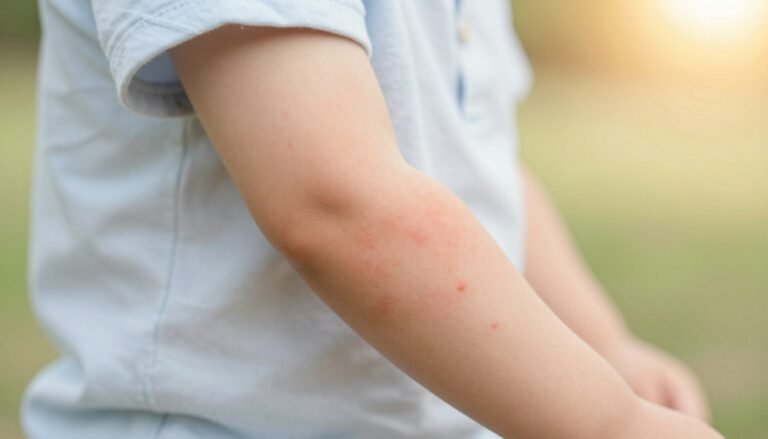
Common signs include dry, red, or scaly patches on the cheeks, forehead, scalp, and chest. These patches may be itchy and can change with age.
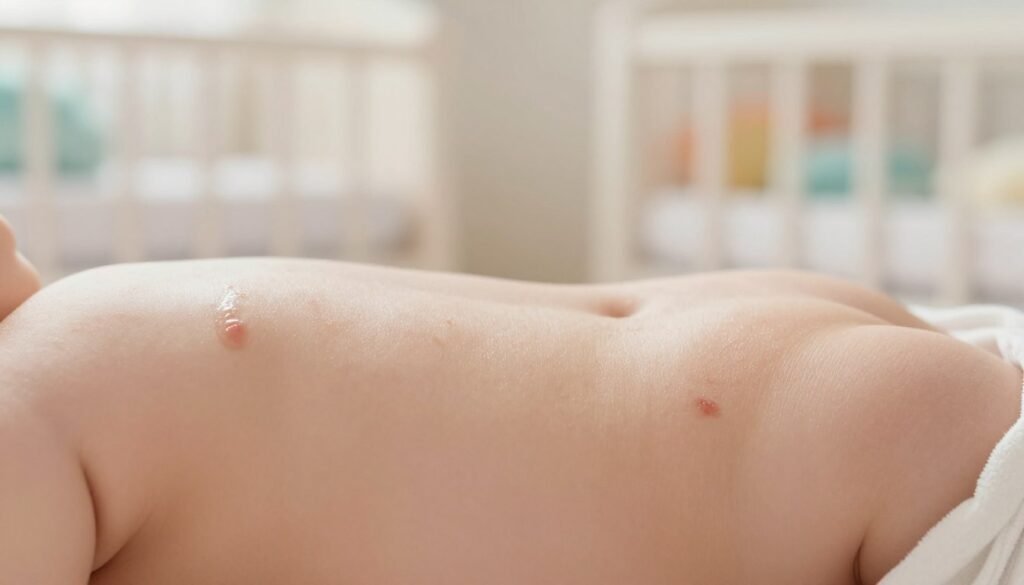
Areas behind knees or at elbow folds often show more rubbing. Repeated scratching can thicken the skin or cause open sores that invite infection.
Impact on Sleep
Itching often worsens at night. Your baby may wake more, feed more, or seem unsettled. Sleep loss affects the whole family and can make daytime care harder.
We recommend noting when flare-ups disturb rest and sharing that pattern with your clinician.
- Look for persistent red or dry patches
- Watch for increased night-time itching
- Protect elbow and knee areas to reduce breaks in skin
| Area | Typical sign | Care tip |
|---|---|---|
| Cheeks & forehead | Red, dry patches | Use mild moisturiser often |
| Scalp | Flaky or scaly skin | Mild shampoo, gentle combing |
| Elbows & knees | Thickened or scratched areas | Keep nails short; use soft coverings |
Identifying Potential Causes
Understanding what weakens tender skin helps you reduce flare-ups at home.
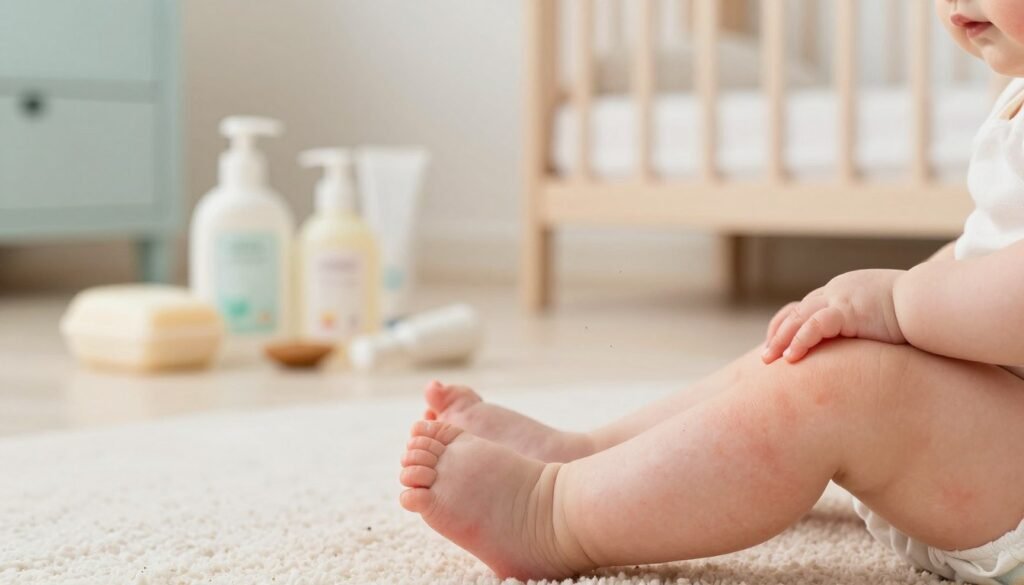
A common genetic factor is a filaggrin gene change that weakens the skin barrier. That lets moisture escape and allows irritants to enter. This defect often underlies atopic dermatitis and makes dry skin more likely.
Environmental triggers play a big role. Dry air, harsh soaps, and dust mites can worsen inflammation. Even fabrics and household detergents may irritate sensitive skin areas.
- Food allergies or sensitivities may show as red patches on the scalp or body and can raise inflammation.
- Family history raises risk: children with relatives who have dermatitis are more likely to react.
- Identifying and avoiding specific allergens can improve baby skin health significantly.
| Cause | How it acts | What to watch for | Simple action |
|---|---|---|---|
| Filaggrin mutation | Weak barrier, moisture loss | Dry, cracked areas | Use regular emollients |
| Environmental irritants | Skin irritation, inflammation | Red patches, itching | Switch to mild soaps; control air humidity |
| Food allergies | Immune response, flare-ups | Patches on scalp or body after meals | Discuss testing with your clinician |
Effective Eczema in Babies Treatment Strategies
A clear routine of moisturising and gentle skin care often brings quick relief for a restless child. We focus on repairs that rebuild the barrier and reduce itching through simple daily steps.
Moisturizing Techniques
Apply a fragrance-free cream or ointment 2–3 times each day. Use richer ointments at night to lock in moisture and protect fragile areas.
Medicated Creams
Low-potency topical corticosteroids can reduce inflammation but should be used under a doctor’s direction. We advise following dosage and duration guidance to keep care safe for your baby.
Avoiding Irritants
Keep fabrics soft and choose mild laundry soaps. Remove known irritants like synthetic clothing and strong detergents from daily use.
- Consistent emollient use helps trap moisture and ease itching throughout the day.
- Reserve medicated cream use for flare-ups as advised by a clinician.
- Maintain a simple, steady routine to manage symptoms effectively.
| Focus | What to use | How often |
|---|---|---|
| Barrier repair | Fragrance-free ointment | 2–3 times per day |
| Inflammation control | Low-potency steroid cream | Only as prescribed |
| Irritant avoidance | Soft cotton clothing, mild soap | Daily |
| Night care | Thick emollient or ointment | At bedtime |
Daily Skincare and Bathing Practices
A gentle daily routine can make a big difference for sensitive baby skin.
Limit each bath to 5–10 minutes using lukewarm water. Short, warm soaks help avoid drying the skin and preserve natural oils.
Choose fragrance-free, mild soaps that do not strip the body’s protective layer. Use soap only where needed and rinse gently.
- Pat the skin dry—do not rub. Leave a little dampness to help lock in moisture.
- Apply a thin layer of emollient immediately after drying to seal hydration across affected areas.
- Keep a consistent bathing time each day to reduce flare-ups and ease care for children who react often.
| Focus | Guideline | Why it helps |
|---|---|---|
| Bath length | 5–10 minutes | Prevents excessive water loss |
| Water temp | Lukewarm | Comfortable and non-irritating |
| After bath | Pat dry & moisturize | Seals moisture and protects the barrier |
These steps are an easy, evidence-based part of any care plan. With steady routines, you can help reduce symptoms and keep your child more comfortable each day.
Managing Environmental Triggers
Simple shifts in your living space can greatly reduce skin irritation for your baby.
We focus on practical steps you can adopt today. A calm home lowers the chances of sudden flares and helps your family sleep better.
Creating a Skin-Friendly Home
Use a humidifier to keep air from becoming too dry. Stable humidity helps prevent moisture loss from fragile skin.
Dress your child in soft, breathable cotton layers. Avoid overheating; sweat can worsen sensitive skin and cause discomfort.
- Remove pollen and pet dander where possible; regular cleaning and HEPA filters help reduce common triggers.
- Keep detergents mild and fragrance-free to limit contact with irritants that aggravate baby skin.
- Watch food introductions and note any flare patterns after meals; managing food and environmental irritants builds a protective barrier.
| Trigger | How it affects skin | Simple action |
|---|---|---|
| Dry air | Increases moisture loss and itch | Use a humidifier; keep indoor humidity 40–50% |
| Heat & sweat | Causes irritation and flares | Dress in cotton layers; avoid overdressing |
| Pollen & pet dander | Raises inflammation and itch | Clean often; use air filters; limit pet access |
When to Seek Professional Medical Advice
If your child shows new redness, pus, or yellow crusts you should see a doctor promptly. These signs may mean an infection that needs antibiotics and quick attention.
If home care does not ease the rash or it spreads, consult a dermatologist for focused assessment. A specialist can review treatment options and tailor care to your child’s needs.
Seek help when feeding or sleep are affected. Disturbed rest or poor feeds may also point to food allergies or larger health concerns that require testing.
- A doctor can tell simple dryness from a secondary infection and prescribe the correct medicines.
- Get advice if persistent itching or worsening atopic dermatitis interferes with daily life.
- Prompt review helps prevent complications and protects your child’s overall health.
| When | What to look for | Why see a doctor |
|---|---|---|
| Obvious infection | Pus or yellow crusts | May need antibiotics |
| No response | Rash spreading or not improving | Specialist care and new treatment |
| Life impact | Poor sleep or feeding | Check for allergies or infections |
We recommend timely medical review when signs persist. Early care keeps your child comfortable and supports long-term skin health.
Expert Dermatological Care at Boss Multispeciality Hospital
Access to a skilled dermatologist helps families find lasting solutions for their child’s sensitive skin. At Boss Multispeciality Hospital, Bangalore, we offer focused care that blends clinical expertise with practical guidance for daily skin care.
Consulting Dr. Varsha D.V.
Dr. Varsha D.V (MBBS, DDVL) is a Consultant Dermatologist & Dermatosurgeon who specialises in pediatric skin concerns. She evaluates each child thoroughly and creates a clear, personalised plan that parents can follow at home.
Our approach combines medical assessment with simple steps to protect fragile skin. We aim to reduce flare-ups, prevent complications, and support long-term skin health with kind, evidence-based care.
| Service | Who leads | Key benefit |
|---|---|---|
| Clinical assessment | Consultant dermatologist | Accurate diagnosis and plan |
| Personalised skin care | Dermatosurgeon team | Practical daily routines |
| Follow-up support | Doctor & nursing staff | Ongoing guidance and monitoring |
Trust our dedicated team to guide you with compassion and clear answers. Consult Dr. Varsha at Boss Multispeciality Hospital, Bangalore — Call +91 9986607601 to Book an Appointment.
Conclusion
Helping your child feel comfortable often starts with small, consistent steps each day. With steady care and attention to symptoms, you can reduce flare-ups and lower the risk of secondary infections.
Identify common triggers, keep a simple routine, and use evidence-based measures for barrier repair and soothing. This approach makes a real difference over time for children with atopic dermatitis or other forms of dermatitis.
Always speak with your doctor when rashes worsen, do not improve, or affect sleep and feeding. Personalized guidance speeds recovery and shapes safe treatment choices.
We are here to support your family’s skin health and help you find calm, practical care that lasts.
FAQ
What are the usual signs of eczema in infants and toddlers?
Common signs include dry, red patches on the cheeks, scalp, elbows or knees, persistent itching, and areas that may crust or weep with scratching. Babies often show more facial and scalp involvement, while older toddlers tend to have patches on flexural areas like the inner elbows and behind the knees. Watch for changes in sleep or feeding when irritation is severe.
What triggers flare-ups and how can we identify them?
Flare-ups often follow exposure to irritants (fragranced soaps, certain laundry detergents), heat and sweat, rough fabrics, or sudden changes in humidity. Food or environmental allergies can also play a role. Keep a simple diary of creams, foods, clothing and environment to spot patterns. If triggers are unclear, a dermatologist can help with testing and review.
How should we bathe a child with sensitive skin?
Use short lukewarm baths (5–10 minutes) with a mild, fragrance-free cleanser or plain water. Pat skin dry gently and apply a generous emollient within three minutes to lock in moisture. Avoid bubble baths, harsh soaps and very hot water, which strip natural oils and worsen dryness.
Which daily moisturizers and skincare products are safe to use?
Choose thick, fragrance-free creams or ointments labeled for sensitive or atopic skin. Look for simple ingredient lists and avoid products with essential oils or alcohol. Apply moisturizers at least twice daily and after baths. For scalp, use gentle, non-medicated baby oils or recommended emollient shampoos sparingly.
When are medicated creams needed and are they safe?
If emollients and trigger avoidance don’t control symptoms, a doctor may prescribe topical corticosteroids or non-steroidal anti-inflammatory creams for short courses. When used as directed, these medicines are safe and effective to reduce inflammation and itching. Always follow pediatric dermatology guidance on potency and duration.
How can we avoid infections in irritated skin?
Keep nails short and use soft mittens if needed to reduce scratching. Clean any broken skin with mild antiseptic as advised by your clinician and seek prompt care if you see spreading redness, pus, fever, or increased pain—signs of a bacterial or viral infection needing treatment.
Are dietary changes useful for managing symptoms?
Most infants do not need dietary restriction unless a clear food allergy is suspected. If a pattern links certain foods to flares, discuss supervised elimination and testing with your pediatrician or allergist. Never restrict an infant’s diet without medical guidance.
How do we manage flare-ups at night to protect sleep?
Keep the bedroom cool and breathable, dress your child in soft cotton sleepwear, and apply emollient before bed. Short nails, mittens, and distraction techniques can lessen nocturnal scratching. If itching remains severe, consult your dermatologist about safe nighttime strategies.
Can environmental controls at home help reduce symptoms?
Yes. Maintain moderate humidity, avoid overheating, use gentle unscented laundry detergents, and choose breathable cotton clothing. Regularly wash bedding in hot water to reduce dust-mite exposure and limit exposure to smoke and strong fragrances.
When should we see a dermatologist or pediatrician?
See a specialist if symptoms are severe, widespread, persist despite emollients, or if there are repeated infections. Early referral helps confirm the diagnosis, rule out allergies or other skin conditions, and tailor a safe, effective plan for long‑term care.
What can we expect from specialist care at a dermatology clinic?
A dermatologist will review the child’s history, examine the skin, identify triggers, and recommend a stepwise plan—emollient regimens, targeted topical medicines, infection control and follow-up. They may coordinate with pediatricians or allergists for tests or multidisciplinary care when needed.
Are there safe over-the-counter ointments to use for flare-ups?
Simple, fragrance-free emollients and petrolatum ointments are safe for most flare-ups and for protecting broken skin. Avoid topical products with menthol, camphor, lanolin mixed with fragrances, or high alcohol content. For stronger inflammation, prescription medications may be required.
How long does it typically take to see improvement after starting care?
With consistent moisturizing and trigger reduction, you may see improvement within days to a few weeks. Medicated creams can reduce inflammation in days, but full control often requires ongoing skin care and environmental changes to prevent relapses.
Can sun exposure help or harm sensitive skin?
Limited, gentle sun exposure can sometimes improve symptoms, but strong sun increases risk of burns and irritation. Use protective clothing and child-safe sunscreen recommended by your clinician. Avoid prolonged midday sun and watch for heat-induced sweating that can trigger flares.