
How to Fade Dark Spots: A Dermatologist’s Step-by-Step Guide
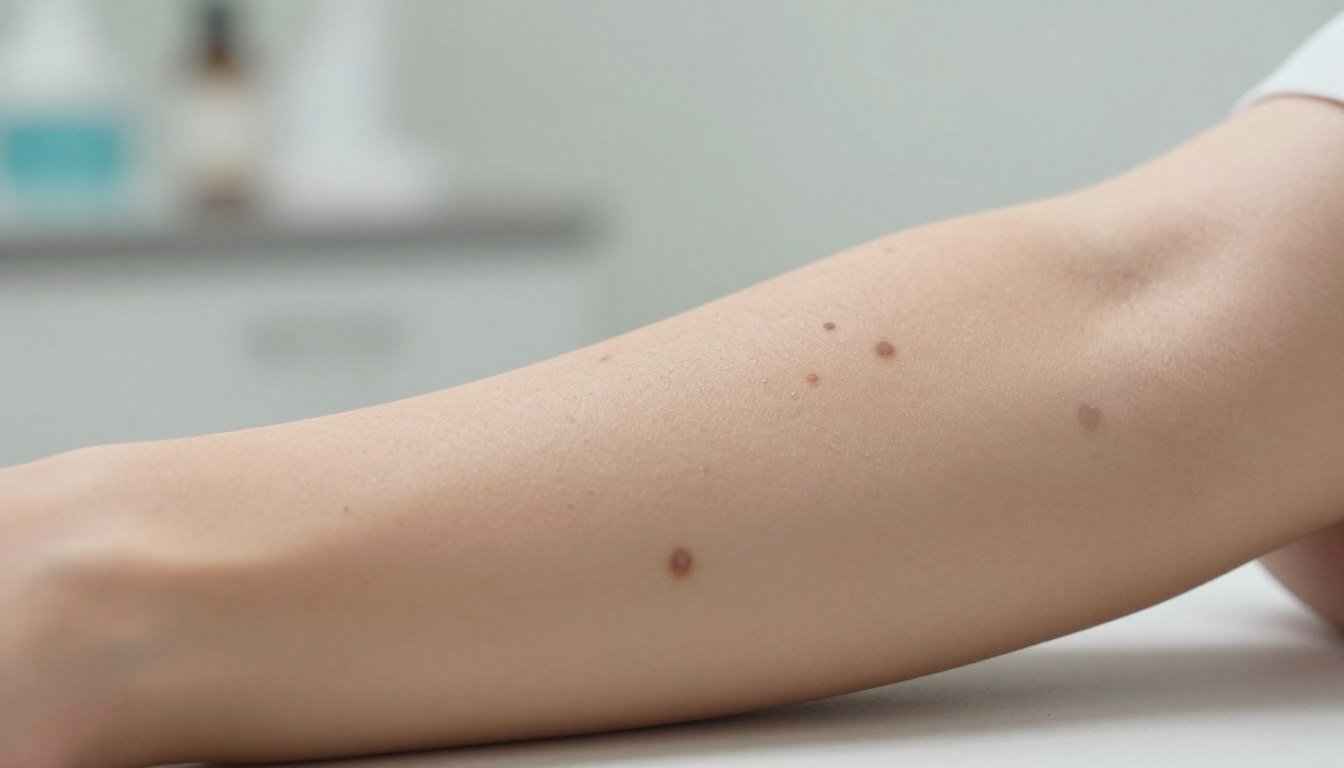
Are stubborn marks on your skin holding you back from feeling confident? We see many patients who want clear, even tone and practical answers that work.
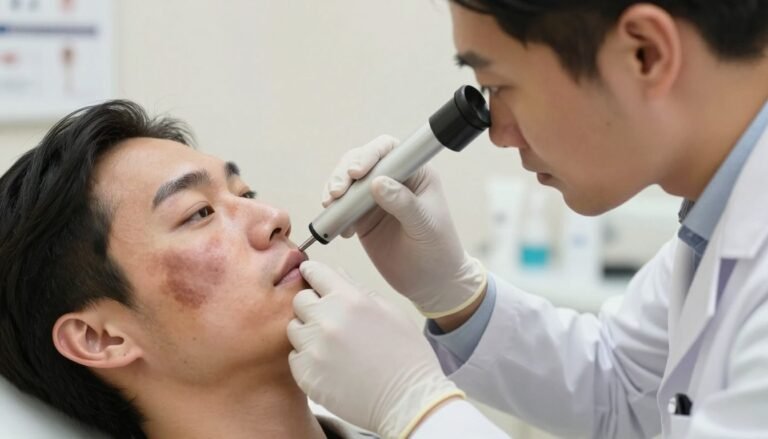
As a caring dermatologist team, we explain treatments in plain terms. Dr. Varsha D.V (MBBS, DDVL) treats pigmentation at Boss Multispeciality Hospital in Bangalore. She tailors plans that mix prescription creams and in-clinic procedures to suit your skin and lifestyle.
Laser therapy and prescription-strength hydroquinone can even tone within eight weeks for many patients. We focus on safe, evidence-based care and avoid harsh, unproven bleaching products that harm skin.
If you want a personalized plan, call +91 9986607601 to consult Dr. Varsha at Boss Multispeciality Hospital, Bangalore. We will guide you step by step toward healthier, clearer skin.
Understanding the Science of Dark Spots
Understanding why patches appear helps you choose the right care for your skin. We explain the basics simply so you can make informed choices about home remedies or clinical treatments.
What is Melanin
Melanin is the natural pigment that gives your skin color. Skin cells called melanocytes make melanin in response to triggers such as sun exposure or hormonal changes.
Why Spots Form
When melanocytes overproduce pigment, visible patches and uneven tone can form on the face and body. Post-inflammatory hyperpigmentation is common after acne, injuries, or inflammation.
- Overproduction of melanin creates dark marks on the face and body.
- Sun exposure and hormonal changes raise melanin production in skin cells.
- Darker skin often shows stronger post-inflammatory hyperpigmentation after acne or injury.
| Type | Common Triggers | Typical Areas |
|---|---|---|
| Post-inflammatory hyperpigmentation | Acne, cuts, inflammation | Face, back, arms |
| Sun-induced spots | UV exposure, tanning | Face, hands, chest |
| Hormonal pigmentation | Pregnancy, hormonal changes | Cheeks, forehead, upper lip |
Common Triggers for Skin Pigmentation
Several everyday events can prompt pigment changes and leave lasting marks on the skin.
Post-inflammatory hyperpigmentation often follows acne, cuts, insect bites, or psoriasis. These reactions leave patches that can stay for months, especially on darker skin.
Hormonal changes during pregnancy or with certain medications commonly trigger melasma. Many people notice brown marks on the face that need gentle, targeted care.
Chronic sun exposure causes cumulative damage and brown spots on the face and hands. Friction from tight clothing or frequent shaving can also stimulate melanin in body areas like underarms and thighs.
- Identify the trigger — acne, exposure, or friction — before trying home remedies.
- Addressing the root cause helps prevent new spots and improves results from treatments.
| Trigger | Common Cause | Typical Areas | Simple Prevention |
|---|---|---|---|
| Acne | Inflammation after breakouts | Face, jawline | Treat acne early; avoid picking |
| Hormonal changes | Pregnancy, hormonal shifts | Cheeks, forehead, upper lip | Gentle sun protection, medical review |
| Sun exposure | UV damage over time | Face, hands, chest | Daily sunscreen, hats |
| Friction | Tight clothes, shaving | Underarms, thighs | Looser clothing, gentle shaving |
How to Fade Dark Spots with a Consistent Skincare Routine
A steady daily routine gives the best chance of evening out your skin tone over time. We focus on simple steps that remove impurities, support cell renewal, and protect treated areas.
Cleansing and Exfoliation
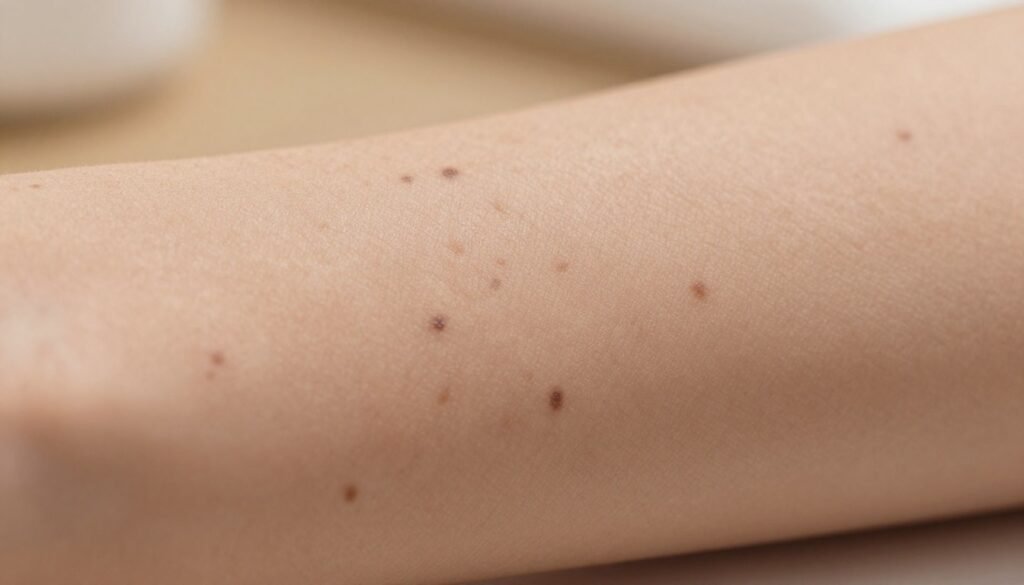
Use a gentle cleanser for the face and body each day. This removes oil and dirt and prepares skin for targeted products.
Exfoliate lightly one to three times a week. Removing dead cells helps brightening ingredients reach deeper layers and improves appearance without irritation.
Nighttime Repair
Night creams with retinoids or vitamin C support cell turnover while you sleep. These ingredients help rid dark patches and reduce the look of post-acne marks over time.
- Stick with a consistent skin care routine for steady progress.
- Apply targeted treatment products after cleansing, then follow with moisturizer.
- Even when trying home remedies, protect treated areas from the sun for lasting results.
Essential Ingredients for Brightening Your Complexion
Targeted ingredients act at the cellular level to reduce visible patches and support renewal. We recommend evidence-based choices that work gently on face and body.
Thiamidol is a patented compound that rebalances melanin production in skin cells. It helps reduce the look of dark spots and improves even skin tone when used in regular products.
- Choose daily formulas with SPF 30 or higher to prevent new dark spots from forming after sun exposure.
- Tinted sunscreen with iron oxide blocks visible light and protects areas prone to patches.
- Pick a moisturizer that brightens and shields; match the product to your skin type for best results.
| Ingredient | Main Action | Best Use |
|---|---|---|
| Thiamidol | Reduces melanin production | Daily serums or creams for face and body |
| Iron oxide (tinted SPF) | Protects against visible light | Morning sunscreen on exposed areas |
| Broad‑spectrum SPF 30+ | Blocks UV that worsens patches | Everyday application, reapply outdoors |
Professional Dermatological Treatments for Stubborn Spots
If topical products and home remedies fall short, we can offer clinic treatments tailored for your skin. A dermatologist will assess the type of hyperpigmentation and suggest a safe plan.
Laser Therapy
Laser targets melanin directly and often needs multiple sessions. It works well on specific patches and can improve the appearance of sun‑related and post‑inflammatory hyperpigmentation.
Chemical Peels
Peels remove outer layers of the skin and encourage new skin to form. Many people with darker skin find supervised peels helpful when chosen carefully.
Microdermabrasion
This non‑invasive option lifts the outermost layer and refreshes texture. It can help get rid of superficial discolouration with minimal downtime.
- Combining treatments can treat different types and areas more effectively.
- Full improvement may take several months and follow‑up sessions.
- We tailor care for acne or hormonal changes that cause persistent marks.
| Treatment | Best for | Sessions | Typical time to results |
|---|---|---|---|
| Laser therapy | Deep pigment, localized spots | 2–6 sessions | 2–4 months |
| Chemical peels | Surface pigment, uneven tone | 1–4 sessions | 1–3 months |
| Microdermabrasion | Texture, mild discolouration | 3–6 sessions | 1–2 months |
The Role of Sun Protection in Skin Recovery
Protecting skin from the sun is the single most effective step in preventing new dark spots and helping existing patches improve during treatment.
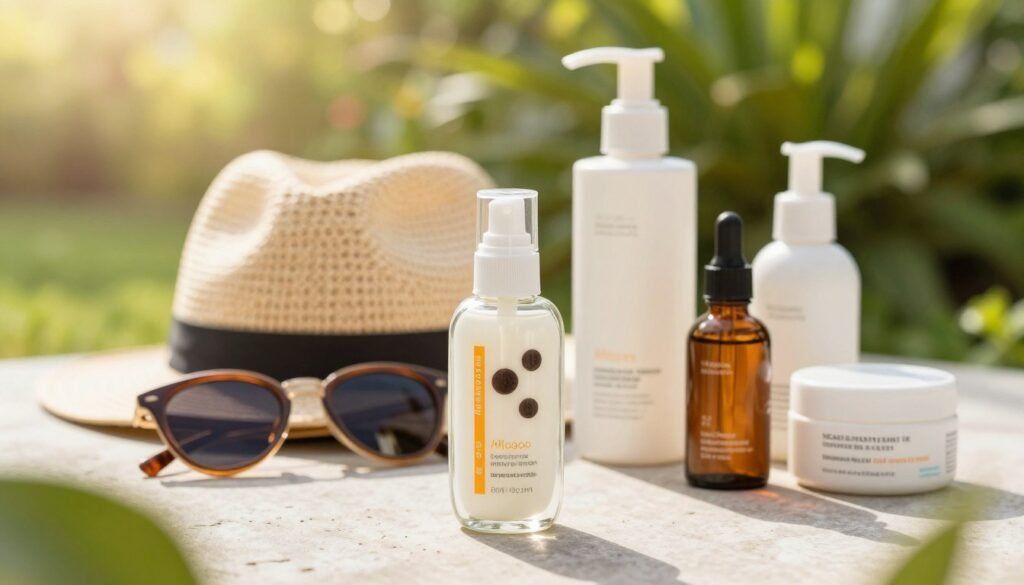
Use a broad-spectrum sunscreen with at least SPF 30 every morning on all exposed areas of the body. Reapply when you are outdoors for long periods or after sweating.
We advise wearing protective clothing and a wide-brimmed hat for extra coverage of the face and neck during peak sun hours. Sunglasses and long sleeves cut direct exposure and lower future damage risk.
- Consistent sunscreen use is the foundation of any care plan aimed at preventing new spots and preserving results from treatment.
- Even on cloudy days, UV rays reach the skin and can trigger new patches or darken existing marks; a dermatologist will stress this point.
- Pair sun protection with gentle products and follow-up visits for the best long-term results.
Lifestyle Habits That Support Even Skin Tone
Small daily habits can make a big difference in keeping an even skin tone. These changes support recovery after acne or minor injuries and help treatments work better over time.
Hydration and Diet
Drink enough water each day; hydration helps skin cells repair and renew. A balanced diet rich in fruits, vegetables, and lean proteins gives your skin the nutrients it needs.
Avoid picking at acne or open wounds. Picking often leads to lasting marks and slows healing for many people.
- Keep a steady water intake for cell recovery and a healthier appearance.
- Choose gentle skin care products and skip harsh home remedies that irritate skin.
- Use sunscreen daily and limit friction from tight clothing on body areas prone to patches.
- Be patient: even skin tone takes time as the body regenerates.
| Habit | What it helps | Quick tip |
|---|---|---|
| Hydration | Cell repair and elasticity | Carry a water bottle; aim for regular sips |
| Balanced diet | Reduced inflammation; better recovery | Include fruits, greens, and protein at meals |
| Avoid picking | Prevents new spots skin issues | Use spot treatment and cover if needed |
| Sun protection | Stops new patches and supports treatment | Apply sunscreen each morning and reapply outdoors |
When to Seek Expert Medical Advice
If a mark on your skin changes in size, shape, or colour, please seek medical review promptly. Such changes can signal an underlying condition that needs evaluation.
If over-the-counter products and home remedies do not improve the area, it is time for a professional assessment. A dermatologist can examine the spot, offer a diagnosis, and recommend an evidence-based plan.
We can combine prescription-strength ingredients with in-clinic options. For persistent hyperpigmentation, treatments such as prescription retinoids and laser therapy are often more effective than standard products alone.
- See a dermatologist if a spot grows quickly, has irregular borders, or changes colour.
- Consult professional care when OTC products and simple remedies fail to improve the skin.
- A specialist can rule out serious conditions and tailor treatments that suit your skin type and medical history.
| Concern | What a dermatologist offers | Expected next step |
|---|---|---|
| Non‑responsive patches | Prescription ingredients and targeted treatment plans | Clinical evaluation and customised regimen |
| Rapid change in mark | Diagnostic exam and biopsy if needed | Immediate follow-up and safety checks |
| Persistent post‑acne spots | Combination therapies including laser | Scheduled treatments with monitoring |
We are committed to careful assessment and clear guidance. If you are concerned about any spot on your skin, contact our clinic for a compassionate, evidence-based consultation.
Expert Care at Boss Multispeciality Hospital
At Boss Multispeciality Hospital, our team offers tailored plans for lasting skin improvement. We assess each case and design a personalised path that balances safety and results.
Dr. Varsha D.V provides focused dermatological care for patients with stubborn dark spots. Her approach blends prescription options with in‑clinic treatments, including laser therapy when appropriate.
- Comprehensive evaluation for all skin types and concerns.
- Advanced treatments and gentle follow-up care.
- Personalised plans that match your lifestyle and skin goals.
| Service | Best for | Expected outcome |
|---|---|---|
| Clinical assessment | All pigment types | Custom treatment plan |
| Laser treatment | Stubborn dark spot removal | Targeted reduction over months |
| Follow-up care | Maintenance and prevention | Long‑term skin health |
We invite you to consult Dr. Varsha at Boss Multispeciality Hospital, Bangalore. Call +91 9986607601 to Book an Appointment and start a safe, effective treatment plan for your skin care needs.
Conclusion
Managing lingering marks on the face and body is a gradual, achievable process. With steady care and the right skin care products, many people see steady improvement in hyperpigmentation and overall appearance. Protecting skin from the sun and using daily sunscreen remain the most important actions while you wait for new skin to emerge.
If you want a tailored plan, consult a dermatologist for the right treatment and product choices. Our team can help you get rid dark spots safely and set realistic expectations for time and results. We are here to guide your care with evidence‑based options and gentle follow‑up.
FAQ
What causes melanin to cluster and create spots on the skin?
Excess production of melanin — the pigment that gives skin its color — is the main cause. Cells called melanocytes make more pigment after inflammation, acne, sun exposure, or hormonal changes. That pigment collects in patches and shows as darker areas on the face and body.
Which common triggers lead to increased pigmentation?
Sun exposure, injury or inflammation (including acne), hormonal shifts such as pregnancy or birth control, and certain medications can all trigger pigment production. Lifestyle factors like smoking and repeated friction on skin may worsen the appearance.
What daily skincare steps help improve uneven tone?
Use a gentle cleanser, a chemical exfoliant like a low‑strength AHA or BHA once or twice weekly, a targeted brightening serum at night, and a non‑irritating moisturizer. Consistent nightly repair with retinoids or niacinamide helps skin renew and reduces pigment over months.
Which active ingredients should I look for in products?
Evidence‑backed ingredients include topical retinoids, vitamin C (ascorbic acid), niacinamide, azelaic acid, hydroxy acids (glycolic or lactic), and tranexamic acid. Sunscreen is essential every day to prevent new pigment and protect results.
How important is sunscreen in treating spots?
Sunscreen is critical. UV exposure darkens existing pigment and triggers new production. Use a broad‑spectrum SPF 30 or higher daily, reapply every two hours if outdoors, and combine with physical barriers like hats for best protection.
When are professional treatments appropriate?
If topical care after three to six months gives limited improvement, consult a dermatologist. In‑clinic options include laser therapy for deeper pigment, chemical peels to accelerate turnover, and microdermabrasion for superficial discoloration. A specialist will tailor treatment by skin type.
Are lasers safe for darker skin tones?
Some lasers carry higher risk of post‑treatment pigmentation in darker skin. Dermatologists experienced in pigmented lesions will choose appropriate devices and settings, often recommending test spots and pre‑ and post‑treatment care to reduce complications.
How long will it take to see noticeable improvement?
With consistent skincare and sun protection, mild post‑inflammatory pigment can improve in 8–12 weeks. More stubborn or deeper pigment often needs several months of combined topical therapy and professional procedures.
Can lifestyle changes help even skin tone?
Yes. Stay hydrated, eat a balanced diet rich in antioxidants, avoid picking at acne, limit tanning and sun exposure, and stop smoking. These habits support skin repair and reduce triggers that worsen pigment.
When should I see a dermatologist for pigment concerns?
See a dermatologist if spots change in size or color, bleed, are painful, or if over‑the‑counter measures after a few months don’t improve appearance. Early assessment ensures correct diagnosis and safer, faster treatment.
What treatments are available at Boss Multispeciality Hospital for stubborn areas?
Our dermatology team offers tailored plans combining medically proven topical agents, in‑clinic peels, laser options selected for your skin type, and ongoing sun‑protection counseling. We focus on safe, evidence‑based care and clear follow‑up to monitor progress.
Are home remedies effective for pigment reduction?
Gentle, non‑abrasive home remedies can support skin health, but many popular DIY treatments lack evidence and can irritate skin, worsening pigment. Use proven ingredients and consult a dermatologist before trying strong home treatments.