
Heat Rash in Children: Causes, Symptoms & Prevention Tips
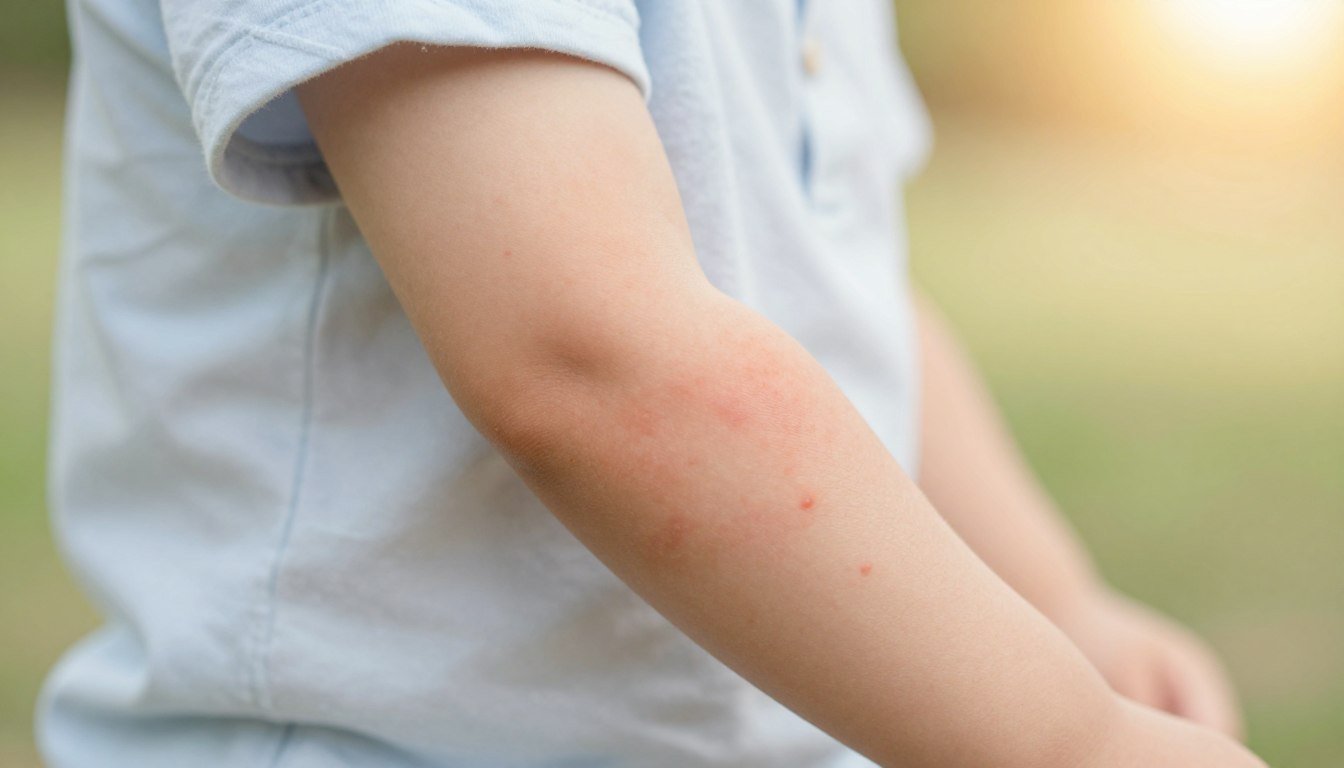
Have you ever seen tiny red spots on your child and wondered if a simple fix will help or if you should seek medical advice?
We know that spotting a new rash can trigger worry. Miliaria, often called heat rash, happens when sweat gets trapped under the skin. This leads to small blisters or red spots and discomfort for your little one.
Our guide gives clear, practical information to help you spot symptoms early and offer gentle care at home. We explain simple steps to keep the skin cool and dry, when to try basic treatment, and when to consult a doctor.
Stay with us for easy tips grounded in evidence and tailored for families in Bangalore who want reassuring, expert advice.
Understanding Heat Rash in Children
Noticing tiny skin spots after playtime can raise questions about cause and care. We offer clear information to help you tell what is common and what needs medical attention.
This condition, often called prickly heat or miliaria, happens when sweat gets trapped beneath the surface. Trapped moisture leads to small bumps or mild irritation on the skin.
It commonly appears during hot, humid months and affects a child who is warm or bundled. Most cases are harmless and settle with simple cooling and air flow.
- Called prickly heat or miliaria, this issue is a frequent summer condition.
- It results from blocked sweat ducts and shows as tiny, clustered bumps.
- Understanding underlying health factors helps you manage and prevent recurrences.
When spots look unusual, spread rapidly, or your child shows fever, seek medical advice. Early recognition helps keep your little one comfortable and lets us guide next steps.
Primary Causes of Prickly Heat
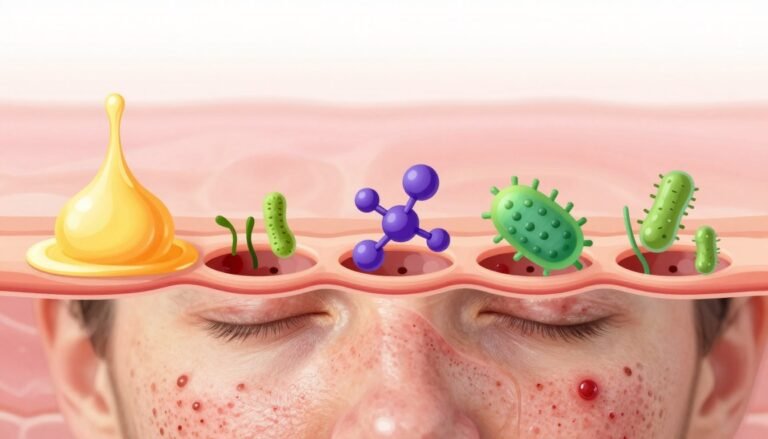
Most cases start when the body’s own cooling system cannot push moisture out to the skin surface. Sweat ducts become blocked and fluid collects beneath the outer layer.
Babies face higher risk because their sweat glands are still developing. Immature glands and ducts may not open well. That makes young ones more prone to these small bumps.
Environmental factors also play a role. Hot, humid weather and wearing too many layers trap warmth and reduce air flow. Fever or vigorous activity can raise body temperature and overwhelm the sweat glands.
Keeping your child well hydrated is important. Adequate water helps normal sweating and reduces the chance of blocked ducts.
- Sweat ducts blocked → fluid builds under the surface.
- Babies: higher risk due to immature sweat glands.
- Hot, humid conditions and excess layers increase risk.
| Cause | Example | Simple prevention tip |
|---|---|---|
| Obstructed sweat ducts | Small clustered bumps on neck or chest | Keep skin cool and dry; avoid tight clothing |
| Immature glands in babies | Newborns after swaddling | Dress in light layers; monitor temperature |
| Environmental warmth and humidity | Play outdoors on humid afternoons | Use fans and breathable fabrics |
| Raised body temperature (fever) | Illness with high temperature | Manage fever and offer fluids promptly |
Recognizing Common Symptoms
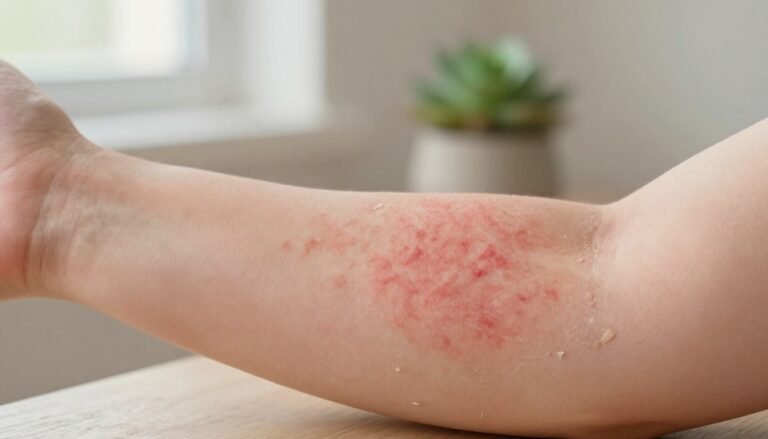
A cluster of tiny clear blisters or small red spots often points to a common skin issue. We call this miliaria or, more simply, heat rash for parents who want a plain term.
Typical signs include tiny, clear blisters, small red spots, or deeper red or white bumps that can feel prickly. You may notice the area becomes uncomfortable and the rash itchy, especially where sweat gathers.
A child with a fever may sweat more and develop this type of rash on the neck, upper chest, or skin folds. These spots often form in clusters and usually do not signal a serious problem.
- Clear blisters or red spots that come as small clusters.
- Prickly bumps that feel like tiny pins.
- Common areas: neck, chest, and skin folds.
| Symptom | How it looks | Quick action |
|---|---|---|
| Clear blisters | Small, fluid-filled bumps | Cool skin and remove excess layers |
| Red spots | Flat or slightly raised areas | Keep area dry and breathable |
| Prickly bumps | Deeper red or white papules | Watch for fever; seek advice if spreading |
How Doctors Diagnose Skin Rashes
A hands-on skin inspection by a doctor usually reveals characteristic signs that guide care. We start with a clear, calm review of the affected area and recent history.
Clinical Examination
We observe the pattern, color, and distribution of the rash and ask about recent fevers, clothing, or activity. This helps us tell miliaria from other common conditions.
If the appearance is unusual or there are signs of a possible infection, we may suggest further testing. A skin biopsy can help rule out other types of dermatitis or infections when needed.
- Careful visual exam to note lesion type and location.
- Biopsy only when symptoms or appearance raise uncertainty.
- Full assessment to separate this condition from other rashes and infections.
| Step | What we look for | Possible outcome |
|---|---|---|
| Clinical exam | Pattern, color, clusters | Likely diagnosis and advice |
| History | Recent fever, clothing, activity | Guide to treatment or watchful waiting |
| Biopsy | Atypical signs or suspected infection | Rule out other conditions |
Effective Treatment Options
Most effective plans combine cooling measures, appropriate topical creams, and close monitoring.
First-line care focuses on keeping the skin cool and dry. This simple step helps the condition improve within a few days for most patients.
If the spots itch, applying calamine lotion can ease discomfort. For deeper blisters or widespread irritation, we may suggest specific creams or ointments to soothe the area.
When signs suggest a secondary infection—such as spreading redness, pus, or a persistent fever—antibacterial creams are considered. A short course of topical antibiotics can stop bacteria from worsening the condition.
- Keep clothing light and breathable to reduce trapped sweat and friction.
- Use cool compresses for brief relief; avoid vigorous rubbing.
- Monitor for fever or increasing pain; seek medical review if symptoms persist beyond a few days.
| Treatment | When to use | Expected benefit |
|---|---|---|
| Cooling and dryness | Mild spots with no infection | Resolves within days; reduces sweat |
| Calamine or lotion | Itchy or uncomfortable skin | Soothes and reduces itch |
| Antibacterial creams/ointments | Signs of infection or pus | Prevents bacterial spread; faster healing |
Home Care Tips for Parents
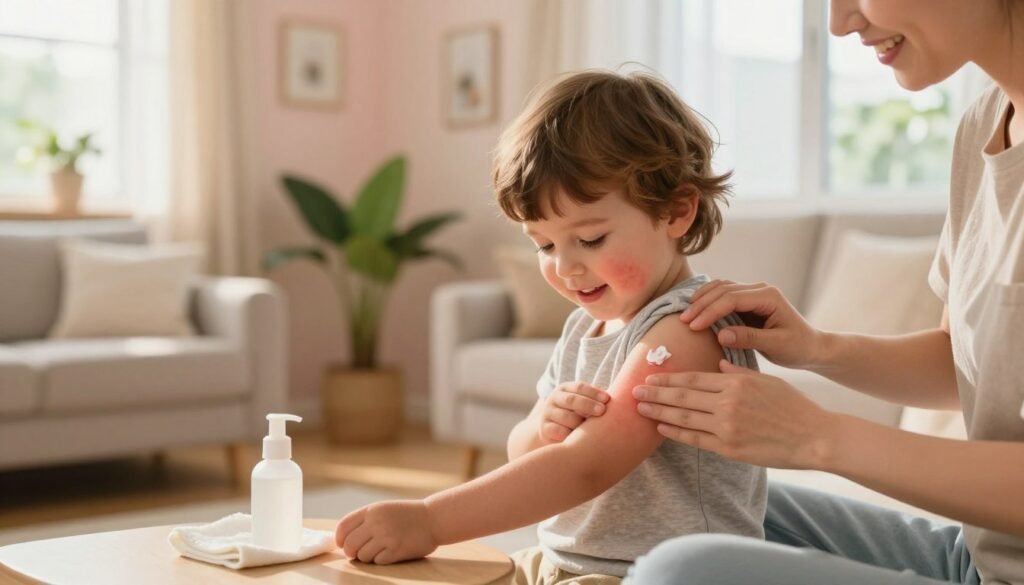
You can often manage mild skin irritation at home by focusing on cooling, breathable clothing, and gentle lotions. These simple steps ease discomfort and help spots settle within a few days.
Cooling the Skin
Keep your child in a cool, well-ventilated area. Use brief cool baths to remove sweat and bacteria from the skin.
Pat dry gently and avoid vigorous rubbing. If fever appears or the area spreads, seek advice from a clinician.
Clothing Choices
Dress your child in loose cotton clothing to allow air flow and prevent trapped warmth. For babies, avoid too many layers or tight swaddling.
Light layers help you adjust temperature quickly during day or night.
Managing Itchiness
Apply calamine lotion or a gentle moisturizer to soothe itchy bumps and reduce scratching. Over-the-counter creams or ointments may help, but follow product directions.
Keep nails short and cover itchy areas at night if needed to stop skin damage and reduce risk of bacterial infection.
| Home Tip | When to use | Expected benefit |
|---|---|---|
| Cool baths | After sweating or play | Remove sweat and bacteria; cools skin |
| Loose cotton clothing | Daily wear in warm weather | Improves airflow; prevents trapped warmth |
| Calamine or gentle moisturizers | Itchy or prickly spots | Soothe skin; reduce urge to scratch |
| Short nails & coverings | Nighttime or persistent itch | Prevents skin breakage and bacterial entry |
Preventing Heat Rash in Hot Climates
A few small changes at home can greatly lower the chance of clustered bumps when temperatures rise.
We advise staying in air-conditioned or well-ventilated spaces to reduce excess sweating. This keeps the body cool and helps sweat glands and sweat ducts work normally.
- Choose loose cotton clothing to allow air flow and keep the skin surface dry.
- Avoid tight or synthetic fabrics, for example polyester, which trap warmth and irritate sensitive areas and babies.
- Keep activity brief during the hottest part of the day and offer fluids often to help normal sweating.
Miliaria, often called prickly heat, is usually preventable. Good ventilation, breathable clothing, and prompt cooling lower the risk of blocked ducts that cause spots and bumps.
| Measure | Why it helps | Quick tip |
|---|---|---|
| Air-conditioned rooms | Reduce sweating | Use fans or A/C during afternoon |
| Loose cotton clothing | Improves airflow on skin | Choose soft, light layers |
| Avoid synthetics | Prevents trapped warmth | Replace polyester with cotton |
When to Seek Medical Attention
If a rash lasts beyond a few days or seems to worsen, seeking professional advice is the safest step. We recommend a doctor’s review when simple care does not bring steady improvement.
Seek urgent care if you notice signs of infection such as pus-filled blisters or a high fever. Also consult us if the spots cover a large area of the body or the child seems unwell.
Be alert when the skin looks different from the usual pattern or when the condition returns repeatedly. Early assessment helps rule out other conditions and speeds recovery.
- Does not improve after a few days or spreads widely across the body
- Pus-filled lumps, rising fever, increasing pain, or spreading redness
- Unusual appearance or frequent recurrence of similar outbreaks
- General unwellness, reduced feeding, lethargy, or worsening symptoms
When in doubt, contact your local clinic for guidance. Prompt review protects health and prevents small problems from becoming more serious.
| Sign | What it may mean | Recommended action |
|---|---|---|
| Persistent spots after 3–5 days | Needs clinical reassessment | Schedule a dermatologist or pediatric visit |
| Pus or oozing | Possible secondary infection | Seek urgent care; topical or oral antibiotics may be needed |
| Widespread coverage | Extensive skin involvement | Medical review to guide treatment and comfort measures |
Expert Dermatological Care at Boss Multispeciality Hospital
Access to a trusted dermatologist helps parents and caregivers find safe, proven treatments quickly. At Boss Multispeciality Hospital, Bangalore, we offer focused evaluation and clear, practical advice for skin concerns.
Consulting Dr. Varsha D.V.
Dr. Varsha D.V (MBBS, DDVL) is our Consultant Dermatologist & Dermatosurgeon. She guides families on suitable creams and the right medicated lotion when needed.
We provide compassionate, evidence-based care for patients of all ages. Our goal is to protect your family’s skin health with personalised plans that match the child’s age and activity levels.

- Comprehensive assessment and treatment plans at Boss Multispeciality Hospital, Bangalore.
- Personalised advice on soothing products and medical interventions.
- Comfortable clinic setting with follow-up support for steady recovery.
| Service | When to Visit | Benefit |
|---|---|---|
| Clinical diagnosis | Persistent or spreading spots | Accurate treatment plan |
| Topical guidance | Itchy or irritated skin | Appropriate creams and lotion choices |
| Procedural care | Complicated or recurrent cases | Specialist-led, evidence-based care |
Consult Dr. Varsha at Boss Multispeciality Hospital, Bangalore — Call +91 9986607601 to Book an Appointment.
Conclusion
Knowing when to cool, dry, or call a doctor gives you confidence when spots appear on a child.
Most cases of milionaria (miliaria) are mild and resolve quickly with gentle care. Keep skin cool and breathable; avoid excess layering and vigorous activity that raises body temperature.
If a rash does not ease, shows spreading, or brings worrying symptoms, seek professional treatment promptly. We hope this information helps you protect your child’s skin health during hot, humid days.
For personalised advice and expert dermatology support, our team at Boss Multispeciality Hospital, Bangalore, is ready to help your family.
FAQ
What causes prickly heat in babies and toddlers?
Prickly heat happens when sweat ducts become blocked and sweat gets trapped under the skin. This often occurs in warm, humid weather or when a child wears tight or layered clothing that traps moisture. Bacterial growth on moist skin can worsen the bumps, though the condition itself is not usually an infection.
How can I recognize the symptoms early?
Look for small red or clear bumps, tiny blisters, or areas that feel prickly or itchy. It most often appears on the neck, chest, folds of skin, and areas covered by clothing. Babies may seem fussier or scratch more at affected spots.
When should we see a doctor?
Seek medical advice if the spots become very painful, show signs of infection (increasing redness, warmth, yellow pus), or if your child develops a fever or is unusually unwell. Also consult a doctor if symptoms don’t improve after a few days of home care.
What home care measures help clear this quickly?
Keep the skin cool and dry. Dress your child in loose, breathable cotton and remove extra layers. Give cool baths or sponging, avoid oily creams that can block ducts, and pat skin gently to dry. Over-the-counter mild calamine or cooling lotions can ease itchiness—use sparingly and follow product instructions.
Are there effective medical treatments?
For most cases, simple measures work. If needed, a doctor may recommend topical corticosteroids for severe itch or a mild antibiotic cream if there’s a bacterial infection. Prescription-strength treatments are rarely required for typical blocked-sweat-duct rashes.
How can we prevent recurrences during hot months in Bangalore?
Prevent by dressing your child in single, loose cotton layers, keeping indoor spaces well ventilated, and avoiding heavy lotions or occlusive oils. Regularly change damp clothing and keep playtimes in shaded or cooler areas when possible. Maintaining good hydration helps too.
Can bathing more often help or harm?
Gentle, regular baths with lukewarm water help remove sweat and bacteria. Avoid hot water and harsh soaps that dry or irritate the skin. After bathing, pat the skin dry and allow air to cool the body before dressing.
Is prickly heat contagious or dangerous?
It’s not contagious and is usually harmless. The main risks are discomfort and secondary skin infection from scratching. With proper care, most children recover within a few days to two weeks.
Which clothing materials are best and which should we avoid?
Choose lightweight, breathable fabrics like cotton and linen; these let air circulate and wick moisture. Avoid tight garments, synthetic fabrics that trap sweat, and heavy layers that increase warmth and block sweat ducts.
Are there special steps for infants with sensitive skin?
For infants, keep clothing minimal and breathable, change diapers promptly, and avoid oily emollients on affected areas. Use mild, fragrance-free cleansers and pat dry. If you notice worsening redness or pus, contact your pediatrician or dermatologist.