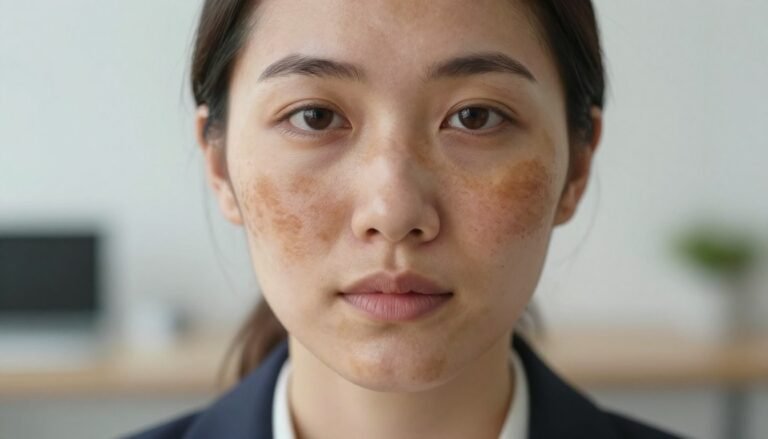

Melasma & Pigmentation Treatment in Bangalore: What Are Your Options?

Have you ever wondered why dark patches return no matter how many creams you try?
At Boss Multispeciality Hospital, Bangalore we see this concern often. Our team, led by Dr. Varsha D.V (MBBS, DDVL, Consultant Dermatologist & Dermatosurgeon), focuses on clear, safe care that fits your lifestyle.
We explain how excess melanin and sun exposure can cause stubborn pigmentation on the forehead and cheeks. Then we map a personalized plan that may include laser care, chemical peels, and tailored creams to reduce flare-ups and protect your skin.
During your consultation we assess your skin type and goals. Our priority is steady improvement with minimal irritation and proven products that lower risk of side effects.
Read on to learn how targeted therapies and long‑term control can help you regain confidence and healthier skin tone.
Understanding Melasma and Skin Pigmentation
Many people notice symmetrical dark areas on the face that seem to deepen after sun exposure.
Melasma appears as brown or grayish patches on the cheeks, forehead, nose and upper lip. This pigmentation disorder happens when skin cells make excess melanin.
Triggers include sun exposure, hormonal changes and genetic factors. Each factor boosts melanin production and makes patches more visible.
We assess your skin type to guide any treatment and to reduce recurrence. Identifying the exact type of pigmentation helps us choose safer, more effective options for the face and affected areas.
- Chronic, often symmetrical patches on cheeks and forehead.
- Driven by excess melanin and UV exposure.
- Professional diagnosis is the first step to control pigment production.
At our clinic we explain the biology behind the condition and work with you to set realistic goals for clearer, healthier-looking skin.
Common Triggers for Melasma Development
Dark facial patches often appear after changes in hormones, heat, or repeated sun exposure. We look at the main internal and external drivers so you can spot risks early and act to protect your skin.

Internal Biological Factors
Hormonal shifts during pregnancy or while using hormonal medicines can spark this condition. Thyroid imbalances may also play a role.
Family history often suggests genetic susceptibility. If relatives have had persistent patches on the forehead or cheeks, your risk can be higher.
Environmental and Lifestyle Triggers
Prolonged sun and heat increase melanin production and deepen discoloration. Avoiding intense light exposure helps prevent worsening.
Harsh skin products can inflame the barrier, causing irritation and damage that make dark areas worse. We advise gentle, dermatologist-recommended products and stress management to lower flare-ups.
- Protect skin from UV rays to limit new pigmentation.
- Use mild products to reduce inflammation and further damage.
- Recognize hormonal or genetic risks to guide early care.
Professional Melasma Treatment in Bangalore
Persistent facial discoloration often needs targeted procedures to achieve lasting improvement. At Boss Multispeciality Hospital we combine precise therapies and gentle care to reduce pigment and restore an even tone.
Advanced Laser Therapies
Our FDA-approved laser treatment uses focused energy to break down deep pigment safely. This approach resurfaces the outer layers while targeting melanin in deeper skin layers for better results with minimal downtime.
Chemical Peels and Exfoliation
Chemical peels remove damaged cells and speed cell turnover. Controlled peels help smooth texture and fade dark patches. We match peel strength to your skin type for safe improvement.
Medical Facials and Topical Care
Medical facials add hydration and nourishment to support long-term control. We pair advanced therapies with prescription creams to reduce recurrence and promote steady improvement.
- Plans set by our dermatologists, led by Dr. Varsha D.V.
- Customized sessions based on pigment type and skin type.
- Focus on safety, comfort, and measurable results.
Preparing for Your Skin Consultation
Being ready for your consultation lets us focus on precise assessment and personalised care.
Please avoid direct sun exposure for at least two weeks before your visit. Reducing sun exposure helps us see true pigment patterns and plan safe, effective melasma care.
Stop retinoids and strong exfoliants five days before your appointment. This lowers the chance of irritation during your consultation with our dermatologist, Dr. Varsha D.V.

Bring a list of current products, medications and hormonal therapies. We review these to design a tailored treatment plan for your skin type and to improve long-term results.
| Pre-Visit Action | Why It Matters | Expected Benefit |
|---|---|---|
| Avoid sun for 2 weeks | Prevents temporary darkening that hides true severity | More accurate assessment and safer care |
| Pause retinoids 5 days | Reduces irritation risk during procedures | Smoother consultation and better immediate results |
| Bring product & medication list | Helps us spot interactions and triggers | Personalised plan with clearer expectations |
We welcome Fitzpatrick skin types III–V and offer specific protocols for these tones. Hydrate, avoid hair removal on the area, and arrive ready to discuss goals. This helps us target the right path and set realistic expectations for results.
What to Expect During Your Treatment Session
We start by mapping your skin to target problem areas precisely and safely. Dr. Varsha D.V conducts a focused skin assessment before any procedure. This helps us set a clear plan that fits your needs.
Most sessions take under 45 minutes and use either a gentle laser or a medical facial. You may feel a mild warming sensation; this is normal and shows the device is working.
We explain every step, from cleansing the area to applying soothing serums after the session. Our team gives clear post-care guidance so you can recover with confidence.
| Step | What Happens | Typical Time |
|---|---|---|
| Assessment | Detailed skin mapping by Dr. Varsha D.V and record of areas to treat | 10–15 minutes |
| Procedure | Laser or medical facial aimed at dark patches with comfort measures | 20–30 minutes |
| Aftercare | Soothing serums, sunscreen counsel, follow-up plan set | 5–10 minutes |
You can expect minimal downtime and a recovery period of about 4–6 months for full improvement. We monitor progress closely and adjust your plan as needed to help you reach the best results.
Essential Aftercare for Lasting Results
Aftercare shapes how long your results last, so small daily steps matter. We ask you to use broad-spectrum SPF every morning to block UV-triggered pigment and preserve clinic gains.
Avoid direct sun exposure for the first 48 hours. Keep out of saunas, hot showers, and intense workouts to limit sweating and irritation.
Use only the gentle professional products we recommend after chemical peels or laser work. Do not use physical scrubs or strong exfoliants for at least one week to let the skin renew without added irritation.
- Apply SPF daily and reapply during extended sun exposure.
- Skip hot baths and heavy exercise for 48 hours to reduce inflammation.
- Follow our product list to maintain control and support healing.
| Action | When | Why |
|---|---|---|
| Broad‑spectrum sunscreen | Daily | Prevents UV‑driven pigment and preserves results |
| Avoid heat/sweat | 48 hours | Reduces irritation and speeds recovery |
| No physical exfoliation | 1 week | Allows gentle skin renewal and lowers risk of flare-ups |
Keep follow-up appointments so we can track progress and adjust your plan. We are here to answer questions and help you protect your skin for longer‑lasting, clearer results.
Managing Potential Side Effects
You may notice brief redness or dry patches as your skin renews after procedures. These signs are usually mild and pass within a few days.
Common Temporary Reactions
Mild redness, light peeling, or a tight feeling are common. These responses show that surface cells are shedding and melanin is moving up to fade.
Some areas may darken slightly before they improve. We explain this so you know it is often a normal step toward better results.
Long-Term Skin Maintenance
Consistent sun protection and gentle, non-comedogenic products are key to control and lasting results. Our dermatologists monitor your skin type and adjust the plan as needed.
Regular follow-ups and occasional maintenance sessions with laser or chemical peels help keep pigment under control and reduce recurrence of patches.
| Reaction | Typical duration | Recommended care |
|---|---|---|
| Mild redness | 24–72 hours | Cool compresses, gentle moisturiser, avoid sun |
| Dryness / peeling | 3–7 days | Hydrating creams, no scrubs, avoid hot water |
| Temporary darkening of pigment | 1–4 weeks | Continued sunscreen, follow clinic products and advise |
Conclusion
Lasting results follow a tailored approach that matches your skin and lifestyle. We combine focused clinic procedures with daily protection to reduce stubborn dark patches and help you feel more confident.
Our team offers personalised plans led by a dermatologist who uses advanced laser care and evidence-based topical support. We track improvement and manage any side effects with clear follow-up steps.
Don’t let persistent patches hold you back. Consult Dr. Varsha at Boss Multispeciality Hospital, Bangalore — Call +91 9986607601 to Book an Appointment.
FAQ
What causes melasma and other pigmentation on the face?
Pigment changes occur when melanocytes make excess melanin. Hormonal shifts, sun exposure, certain medications, and skin inflammation can trigger darker patches on the forehead, cheeks, upper lip, or jawline. Genetics and skin type also affect risk and pattern.
Which therapies are commonly offered at dermatology clinics for this condition?
Clinics in the city offer a combination of approaches: topical prescription creams to reduce pigment, chemical peels to exfoliate pigmented layers, and laser or light therapies to target melanin. A personalized plan often blends these with medical facials and ongoing skin-care products.
How do laser treatments work, and are they safe for darker skin types?
Many modern lasers selectively heat pigment cells so the body clears them gradually. Some devices are designed for darker Fitzpatrick skin types, but choice of wavelength and settings matters. A dermatologist evaluates risks like irritation or post-inflammatory hyperpigmentation before recommending laser therapy.
What should I expect during my initial consultation with a dermatologist?
We review your medical history, current products, and any triggers such as sun exposure or hormone therapy. The clinician examines your skin type and patch pattern, discusses realistic goals, and suggests a staged plan—often starting with gentle topicals and sun control before in-clinic procedures.
Can chemical peels improve facial pigmentation, and how many sessions are needed?
Superficial and medium-depth peels reduce excess pigment by removing outer skin layers and promoting cell turnover. Results vary by peel type and skin response; most patients need several sessions spaced weeks apart. We tailor peel strength to minimize irritation and downtime.
Which topical products help control pigment and prevent recurrence?
Prescription agents such as hydroquinone alternatives, azelaic acid, kojic acid, and topical retinoids can suppress melanin production and speed exfoliation. Broad-spectrum sunscreen and antioxidant serums help prevent relapse. Use under dermatologist guidance to avoid irritation.
How important is sun protection for managing pigmentation?
Sun avoidance and daily broad-spectrum sunscreen are essential. UV and visible light stimulate melanin production and undo procedural gains. We advise a physical sunscreen (zinc oxide or titanium dioxide), protective clothing, and limiting peak sun exposure.
Are there side effects from procedures like peels or lasers?
Temporary redness, swelling, peeling, or increased sensitivity are common. In some cases, especially if skin is irritated, pigmentation can worsen. Proper pre-procedure preparation and gentle aftercare reduce risks. We monitor you and adjust therapy as needed.
How quickly will I see improvement, and can results be permanent?
Noticeable improvement often appears after several weeks to months, depending on therapy and skin type. While pigment can significantly fade, recurrence is possible without ongoing sun protection and maintenance. Long-term control is realistic with combined care and follow-up.
Can pregnant or breastfeeding patients receive these therapies?
We avoid certain topical agents and procedures during pregnancy and lactation. Safer options include strict photoprotection and gentle skincare. Any medical or procedural choice is made after discussing benefits and potential risks with your dermatologist.
How do you personalize a care plan for different skin types and pigment patterns?
We assess your Fitzpatrick skin type, pigment depth, and triggers, then select compatible therapies—gentler options for darker skin and staged protocols to reduce irritation. The plan balances efficacy with safety, using conservative steps and close follow-up.
Will topical creams alone clear my patches, or do I need in-clinic procedures?
Some patients respond well to prescription creams and strict sun care; others require adjunctive peels or laser to reach desired results. We often start with topicals and escalate based on response, always prioritizing skin safety and minimizing irritation.
How should I care for my skin after a peel or laser session?
Aftercare emphasizes gentle cleansing, regular moisturizing, strict photoprotection, and avoiding harsh products or exfoliants until the skin heals. We may recommend soothing creams, topical antibiotics if needed, and scheduled follow-up to manage healing and pigment clearance.
What factors can cause pigment to return after successful clearance?
Recurrent pigment often stems from unprotected sun exposure, hormonal changes, new drug exposures, or skin inflammation. Ongoing maintenance—sunscreen, targeted topicals, and periodic professional reviews—helps keep pigment suppressed long-term.
How do you minimize irritation and side effects when treating sensitive or reactive skin?
We begin with patch tests, lower-strength agents, and spaced procedures. Preconditioning the skin with gentle retinoids or barrier-repair creams can reduce risks. If irritation appears, we pause active therapies and address inflammation before resuming treatment.
Do lifestyle changes help alongside clinical therapies?
Yes—limiting sun exposure, using sunscreen daily, managing stress and hormonal factors when possible, avoiding triggers like certain cosmetics or medications, and following a dermatologist-approved skin-care routine all improve outcomes and reduce recurrence.