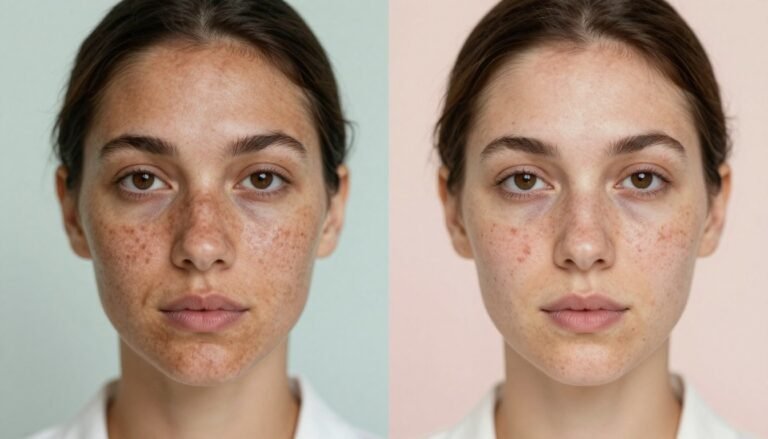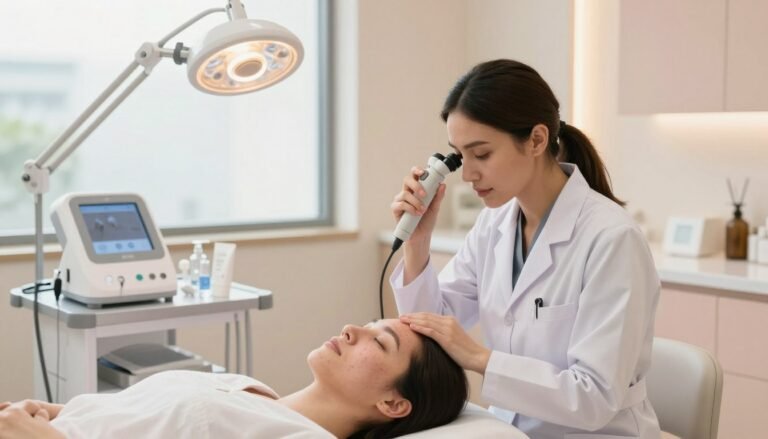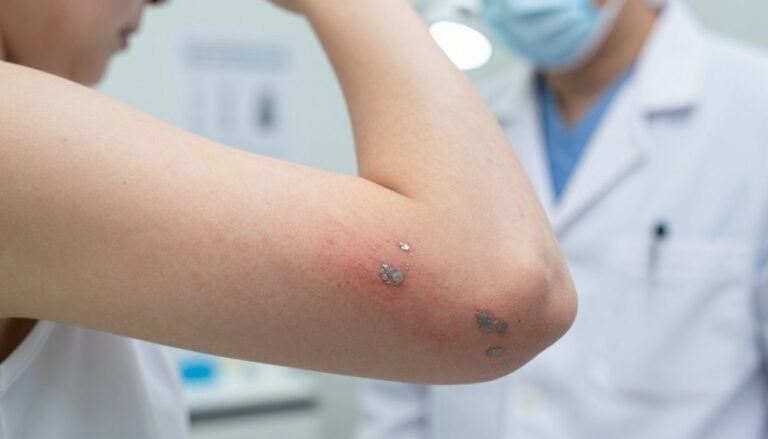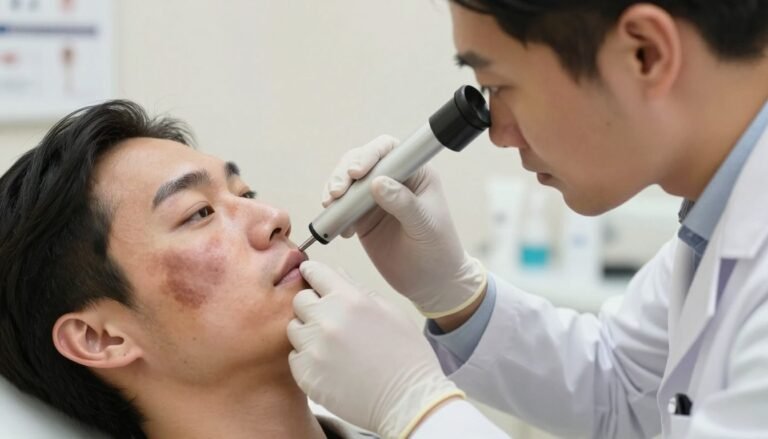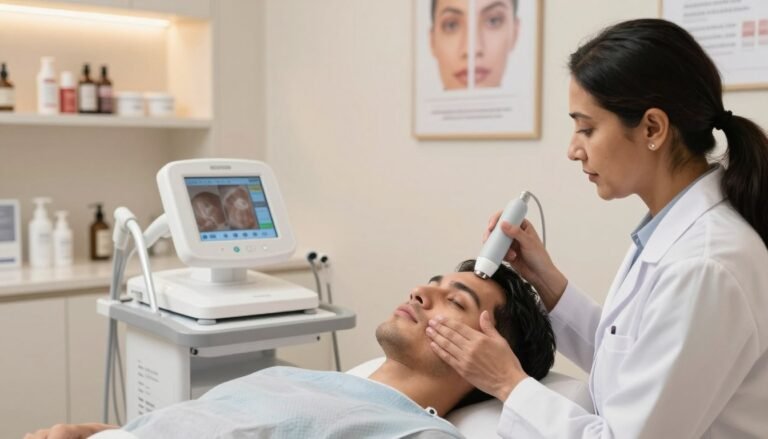

When Should You See a Dermatologist for Acne?

Curious if persistent spots need expert care rather than another store-bought product?
Almost everyone gets blemishes at some point, but persistent acne can harm your skin long term. We offer private acne consultations with amin anna ascott and anita amin anna across Sussex.
Dr. anita amin and Dr. anna ascott create a personalised treatment plan that explains how oil, dead cells and bacteria block pores. Our clear, evidence-based approach helps you learn about your skin and choose the right treatment and products.
Booking an acne clinic consultation is a positive step. If you struggle despite home routines, it makes sense to see dermatologist care at a specialised clinic rather than trial and error.
We focus on empathy and results, and we work with BrightonEastBourneGoring HallHastingsMontefioreSussexNuffield Hospital partners when needed. Schedule an appointment and let us guide you toward a tailored plan.
Understanding the Causes of Acne
Understanding how oil, cells and bacteria interact helps explain why clear skin can be hard to keep. We explain the basic biology so you can make sensible daily choices.
The Role of Sebum and Bacteria
Glands in the skin sometimes produce excess sebum. That oil mixes with dead cells and bacteria and blocks pores.
Blocked pores can become blackheads, whiteheads or inflamed spots that resist simple products and basic skincare. Knowing this process helps you pick suitable routines and avoid common mistakes.
Common Triggers
Several factors change oil production and inflammation. Hormonal shifts, stress, diet patterns and family history all play a part.
- Excess oil plus dead cells and bacteria blocks pores.
- Blocked pores often lead to visible spots that are hard to manage with gentle routines alone.
- Hormones, stress, diet and genetics shape the severity of breakouts and overall skin health.
We aim to help you understand these causes so you can choose the right care and avoid ineffective trial and error.
When to See Dermatologist for Acne
Severe, inflamed nodules and cysts often need focused medical care rather than home remedies.
.
If painful spots are large or tender, you should consider an acne consultation at our clinic. Moderate or severe breakouts can harm skin and leave scars without early treatment.
We recommend consulting specialists such as amin anna ascott and amin anna when over-the-counter options fail.
- Persistent, deep lesions that hurt or recur need specialist review.
- If blemishes affect confidence or daily life, book a consultation with anna ascott.
- Our clinic offers an evidence-based approach and personalised treatment plans to protect skin and reduce scarring.
By choosing prompt care, you gain access to proven therapies beyond retail products. We guide each step with empathy and clear explanations so you feel supported throughout treatment.
The Impact of Acne on Mental Health
Living with persistent blemishes can quietly erode confidence and daily mood. Changes in appearance often affect social life and self-worth.
We recognise the emotional strain and treat it as part of care. During an acne consultation we offer a safe space to share how your skin affects sleep, work, and relationships.
Our team listens and plans treatment that respects your feelings. We support you through every stage and adjust plans based on your response.
- Emotional signs: low mood, anxiety, or withdrawal.
- Practical support: counselling referrals and gentle treatment options.
- Early action often reduces worry and improves outcomes.
| Issue | Common Signs | Clinic Support |
|---|---|---|
| Self-esteem | Avoiding photos, low confidence | Personalised care plan and regular reviews |
| Anxiety | Worry about flare-ups and social events | Listening consultations and coping strategies |
Recognizing Severe Forms of Breakouts
Some breakouts form under the skin as large, sore nodules that rarely clear on their own. These lesions sit deep and can cause lasting marks if not treated early.
Identifying Cysts and Nodules
Cysts and nodules are deeper forms of acne that penetrate the skin. They often feel firm, swollen, and painful.
Dr. Anita Amin and Dr. Anna Ascott note these severe patterns usually need prescription-strength intervention. Home remedies rarely reach deep enough to stop inflammation.
- Cysts and nodules are painful, deeply seated lesions that cause major inflammation.
- These breakouts rarely respond to over-the-counter care and risk permanent scarring.
- Early recognition helps you get the right treatment before damage increases.
- We specialise in identifying deep skin issues and offering targeted solutions for healing.
- If you notice large, painful spots that do not improve with standard care, contact our team for an evaluation.
Why Over-the-Counter Products Often Fail
Trying endless over-the-counter options often leaves skin frustrated and unchanged. Many people spend months switching cleansers and creams without the promised results.
Over-the-counter products often lack the strength or the correct active agents needed to treat persistent acne. This can lead to repeated cycles of use and disappointment, or even worsen irritation.
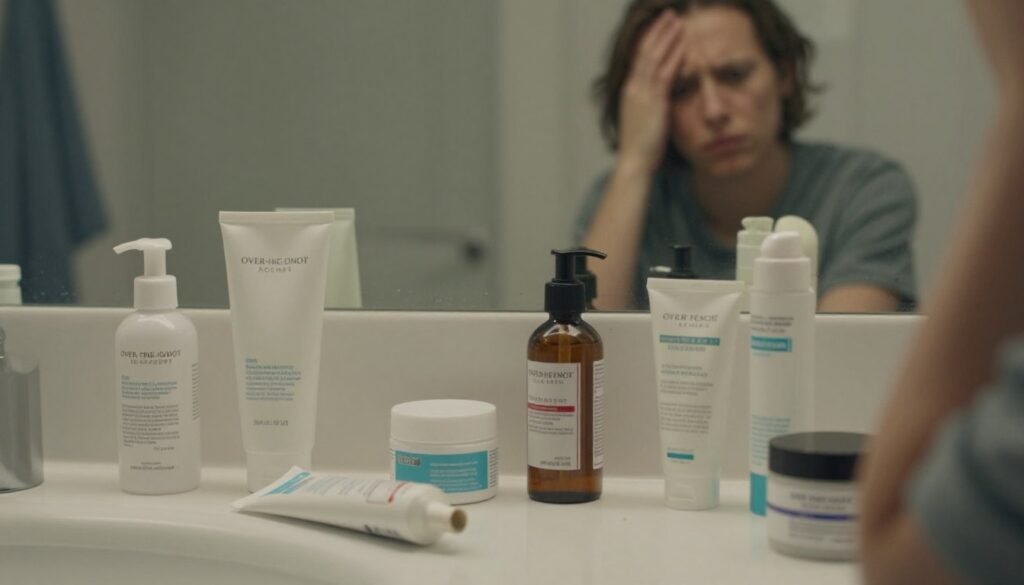
Relying on products without success wastes time and money. Without a clear assessment, you may miss underlying causes that need specific medical attention.
- Many patients try products without success for months or years and feel frustrated.
- Common skincare items often do not contain effective concentrations of key ingredients.
- Purchasing more products can sometimes irritate skin rather than help.
We help you break the cycle with a personalised acne treatment plan based on evidence. Our approach focuses on targeted treatment that matches your skin type and clinical needs, so you see measurable progress.
The Importance of Early Intervention
Addressing flare-ups at the outset helps protect your skin and confidence.
Acting early cuts the risk of pitted scars and long-term pigmentation. Dr. Anita Amin and Dr. Anna Ascott note that prompt care shortens the time you live with active acne.
Many people delay help after using products without success. This often lets lesions deepen and scars form.
We guide you away from trial and error and toward targeted treatment. Early steps usually mean fewer clinic visits and a faster return to clear skin.
- Early review by a specialist reduces permanent skin damage.
- Delay after using products without success often worsens outcomes.
- Persistent pigmentation or pitted scars should prompt professional advice.
| Action | Short-term benefit | Long-term outcome |
|---|---|---|
| Early assessment | Faster symptom control | Lower scar risk, fewer treatments |
| Delay after products without success | Longer active period | Higher chance of pitted marks |
| Targeted treatment plan | Clear guidance, less guesswork | Improved skin health and confidence |
If you feel frustrated by products without success, we can help. Reach out and we will explain clear options and next steps in a caring way.
Expert Care at Boss Multispeciality Hospital
At Boss Multispeciality Hospital in Bangalore, we offer focused skin care that blends clinical evidence with gentle support.
Our clinic provides tailored dermatological services suited to the needs of local patients. We treat a wide range of concerns and design plans based on current research and each person’s skin type.
We work with compassion and clear communication. Our team understands the daily impact of blemishes and aims for long-term, practical results.
- High-quality, evidence-based medical support in a modern facility.
- Compassionate staff who guide you through each treatment step.
- Long-term strategies focused on skin health and confidence.
| Service | Benefit | Typical timeline |
|---|---|---|
| Personal assessment | Clear diagnosis and treatment plan | Initial visit |
| Prescription therapies | Targeted reduction in lesions | 6–12 weeks |
| Follow-up care | Monitoring and adjustment | Ongoing reviews |
What to Expect During Your First Acne Consultation
Your first clinic visit is an opportunity to build a clear plan for healthier skin. We focus on listening, assessing, and explaining each step so you feel calm and informed.
Medical History Review
Dr. Varsha D.V (MBBS, DDVL, Consultant Dermatologist & Dermatosurgeon) takes a complete history of your skin. We ask about past treatments, current products, medications, and any family patterns.
Physical Skin Examination
We perform a detailed examination to gauge severity and spot signs that guide treatment. This helps us decide if topical care, oral medication, or procedures suit your needs.
Discussing Potential Triggers
We review triggers such as stress, hormones, and skincare items. You can share photos of flare-ups and a list of medications; these details help us tailor a practical plan.
- Bring current medication names and photos of active flare-ups.
- Expect clear notes on next steps and an individualized treatment plan.
| Visit Part | What We Do | What You Should Bring |
|---|---|---|
| History review | Complete review by Dr. Varsha D.V | Medication list, past treatment notes |
| Skin exam | Assess severity and areas involved | Photos of past flares, recent product list |
| Plan discussion | Personalised plan with follow-up | Questions you want answered at appointment |
Personalized Treatment Plans for Clearer Skin
Our team creates a clear, step-by-step plan that matches how your skin behaves. Every acne treatment plan we build is tailored to your skin type, lifestyle, and past responses.
Dr. Varsha D.V explains options in plain language during your acne consultation. She answers questions and outlines likely benefits and side effects so you feel confident in the chosen treatment.
We review progress regularly and adjust the plan as your skin improves. Ongoing support helps maintain results and reduces the chance of future flare-ups.
- Personal review and realistic timelines
- Simple explanations and shared decisions
- Follow-up care with gradual updates
| Component | Benefit | Typical timeline |
|---|---|---|
| Topical and oral choices | Targeted reduction in lesions | 6–12 weeks |
| Skin care routine | Lower irritation, steady improvement | Immediate with review at 4 weeks |
| Follow-up consultation | Adapt treatment based on response | Every 4–12 weeks |
Addressing Acne in Unusual Body Areas
Breakouts can appear in surprising places beyond the face, and these areas often need a tailored approach.
We assess whether the issue is true acne or another skin condition that mimics it. Accurate diagnosis guides safer, more effective care and prevents added irritation.
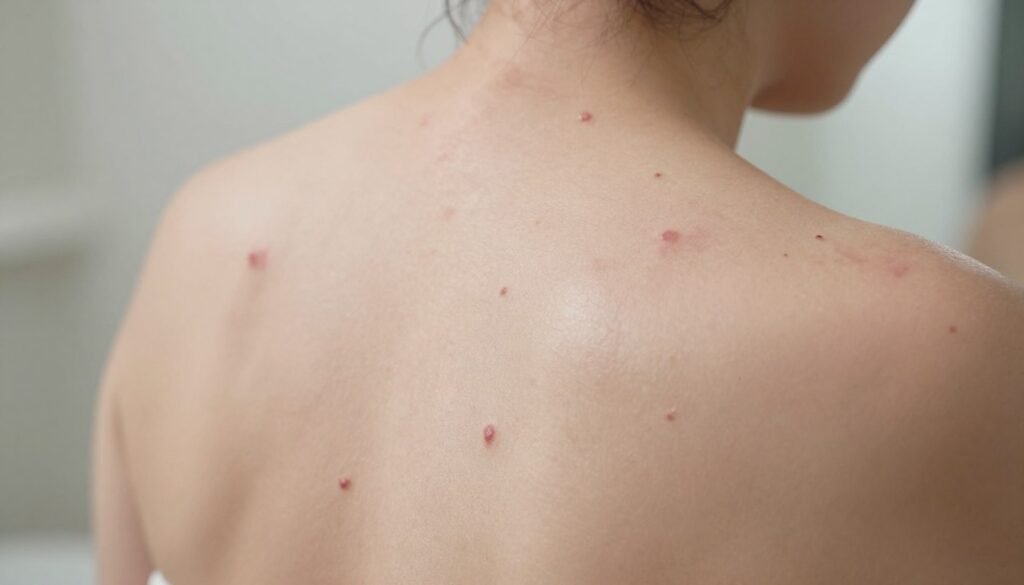
If you notice odd spots in non-traditional locations, a focused review helps identify triggers and the best plan. Our team considers local factors like friction, products, and underlying health.
- Unusual areas may need different medicines or procedures than facial treatments.
- Correct identification prevents unnecessary treatments and speeds healing.
- We create a personalised plan that respects daily life and cultural routines.
| Location | Likely Cause | Typical Approach |
|---|---|---|
| Chest | Oil buildup or sweat-related irritation | Topical therapy and lifestyle advice |
| Inner thighs | Friction or folliculitis | Barrier care and targeted creams |
| Scalp line | Clogged follicles or contact reactions | Medicated washes and review of products |
Preventing Long-Term Scarring and Pigmentation
Early care can greatly reduce the chance of lasting marks and uneven tone on your skin.
Prompt assessment limits deep scars and stubborn dark patches. If you notice pitted marks or lasting dark areas, please see dermatologist advice early. A timely plan often reduces damage and speeds recovery.
We offer evidence-based treatment options that match your skin type. Our team guides you on procedures, creams, and follow-up that help restore texture and even tone. Small, steady steps now make a big difference later.
- Identify marks early and note their size and colour.
- Follow a tailored plan rather than guessing with multiple products.
- Attend regular reviews so treatments can be adjusted for best results.
| Intervention | Benefit | Typical timeline |
|---|---|---|
| Topical regimens | Reduce pigmentation, limit new marks | 8–12 weeks |
| Procedural care (peels, lasers) | Improve texture, reduce pitted scars | Multiple sessions over 3–6 months |
| Maintenance and review | Protect gains, prevent recurrence | Ongoing follow-up |
We are here to support your recovery and protect long-term skin health. Early action gives the best chance of a smooth, even complexion.
Preparing for Your Visit with Dr. Varsha D.V
Gathering a few simple items helps us build an accurate treatment plan at your first visit. Bring a list of all current medications and every skincare product you use. This helps our team spot interactions and past triggers quickly.
Note any allergies or medical conditions on a sheet you can hand over. If you have photos showing past flare-ups, bring them; images often reveal changes not clear in a single visit.
Dr. Varsha D.V (MBBS, DDVL, Consultant Dermatologist & Dermatosurgeon) leads each consultation with careful questions and a calm approach. We aim to make your first acne consultation productive so you leave with a clear plan and next steps.
- Bring medication names and current products list.
- Note allergies, ongoing conditions, and recent treatments.
- Photos of past flares help us compare progress.
- Expect a clear discussion about an acne treatment plan and follow-up.
| What to Bring | Why It Helps | Outcome |
|---|---|---|
| Medication list | Checks interactions and history | Safer, tailored treatment plan |
| Photos of flares | Shows progression over time | Better diagnosis and tracking |
| Allergy notes | Avoids unsuitable options | Lower risk of reactions |
Common Myths About Acne Treatment
Many widely held beliefs about treatment can steer you away from options that actually help your skin. Quick fixes and harsh routines often promise rapid results but deliver irritation instead.
We share evidence-based advice so you can separate myth from fact. Misapplied home remedies may mask symptoms without addressing root causes. That delays real progress and can raise the risk of marks.
Understanding the truth helps you choose sensible acne treatment that matches your skin type and lifestyle. Our approach explains likely benefits, realistic timelines, and possible side effects in plain language.
- Avoid overloading your routine with unproven products.
- Look for targeted plans based on assessment rather than trends.
- Ask questions during your consultation so you feel confident about next steps.
| Myth | Reality | Action |
|---|---|---|
| More products = faster cure | Often increases irritation | Use a simple, evidence-based plan |
| Spot fixes remove deep lesions | They usually do not | Discuss prescription options if needed |
| Natural always safer | Some irritate sensitive skin | Patch test and review with us |
Lifestyle Factors Influencing Your Skin Health
Daily habits shape how your skin responds to treatment and recovery.
Diet, stress levels, and sleep quality each affect inflammation and oil balance. Small shifts in meals, regular rest, and stress management often help reduce flare-ups and improve texture.
We give personalised advice that fits your routine and local life in India. Our guidance supports medical plans and helps build resilience through sensible choices rather than strict rules.
Simple adjustments can make a clear difference over weeks. Consistent hydration, balanced meals, and steady sleep often support better outcomes alongside clinical care.
- Identify triggers in daily habits and tweak them gently.
- Combine lifestyle changes with prescribed treatment for steady gains.
- Focus on manageable steps that fit work, family, and culture.
| Factor | Practical change | Expected result |
|---|---|---|
| Diet | Include whole grains, vegetables, moderate dairy | Lower inflammation, steadier texture |
| Sleep | Aim for regular sleep hours | Better repair and reduced redness |
| Stress | Short daily relaxation or breath work | Fewer flare triggers, improved coping |
The Benefits of Professional Dermatological Support
Expert assessment helps you move from frustration with shop buys to a focused, evidence-based plan. We often find patients have tried many products without success and feel trapped in cycles of trial and error.
At our acne clinic, an initial acne consultation gives a clear treatment plan tailored to your skin. Specialists such as amin anna ascott and anita amin anna evaluate history, triggers, and past responses. This fast-tracks a reliable approach and cuts wasted time.
Many people report relief after their first acne consultation because they finally have clear goals and support. Working with a qualified dermatologist gives access to therapies not sold in shops and reduces the risk of lasting damage.
- Stop using products without success and save time and money.
- Receive an expert diagnosis and a step-by-step treatment plan.
- Gain ongoing follow-up so treatment adapts as your skin improves.
| Benefit | What you gain | Expected outcome |
|---|---|---|
| Expert diagnosis | Clear causes identified | Targeted treatment |
| Prescribed therapies | Stronger, proven options | Faster lesion reduction |
| Follow-up care | Adjustments and support | Better long-term skin health |
Conclusion
Choosing expert review gives you a realistic plan and steady progress rather than guesswork. We focus on clear steps that match your skin and daily life.
Taking the first step with a focused consultation often shortens recovery and protects long-term skin health. Our team offers practical guidance and regular reviews so you feel supported.
Consult Dr. Varsha at Boss Multispeciality Hospital, Bangalore — Call +91 9986607601 to Book an Appointment.
We look forward to helping you on your journey toward better skin during your upcoming consultation.
FAQ
When should you consult a dermatologist about persistent breakouts?
Seek an appointment if over-the-counter cleansers and spot treatments fail after several weeks, if breakouts are widespread, painful, or leave marks, or if they affect your daily life and mood. Early review helps prevent scarring and offers faster relief with evidence-based therapies.
What causes common breakouts?
Breakouts result from excess sebum, clogged follicles, and bacteria that inflame the skin. Hormonal shifts, genetics, and certain medications can raise oil production. Environmental and lifestyle triggers often worsen symptoms.
How do sebum and bacteria contribute to flare-ups?
Sebum mixes with dead skin cells to block pores. Bacteria that live on the skin multiply in these blocked follicles and trigger inflammation, producing red bumps, pustules, or deeper nodules.
What typical triggers should I watch for?
Look for hormonal changes, high-glycemic diets, stress, heavy or comedogenic cosmetics, and certain medications. Friction from clothing or helmets can also cause localized breakouts.
Which signs indicate severe cystic disease needing specialist care?
Deep, painful nodules or cysts, rapidly spreading lesions, or lesions that bleed and form open sores suggest severe disease. These forms often require prescription medications or procedural treatments to reduce scarring.
Why do many over-the-counter products fail?
OTC products sometimes use low-strength ingredients or mismatched formulations for your skin type. Without a proper diagnosis, treatments may miss key causes like hormonal imbalance or bacterial overgrowth, so results remain limited.
How does early intervention help long-term outcomes?
Timely, targeted treatment lowers inflammation, reduces the chance of permanent scars and dark spots, and shortens the duration of active disease. It also allows safer stepwise therapy tailored to your needs.
What expertise does a hospital dermatology team offer?
A specialist team assesses underlying causes, prescribes systemic or topical medications when needed, and performs procedures such as drainages, intralesional steroids, or light-based therapies. Comprehensive care includes follow-up and scar-prevention plans.
What happens during the first acne consultation?
We review your medical history, assess current skin care and medications, and perform a focused skin exam. We discuss habits, triggers, and past treatments to build a clear picture before recommending a plan.
Why is your medical history important during assessment?
History reveals hormonal issues, family patterns, medications, and previous responses to therapy. That context guides safer, more effective choices such as hormonal therapy or antibiotics when appropriate.
How is the physical skin exam conducted?
The clinician inspects lesion types and distribution, notes severity, and checks for signs of scarring or infection. This helps classify the breakout and determine whether topical care, oral medication, or procedures are best.
What triggers will the clinician discuss?
We talk about skincare products, diet, stress, menstrual cycles, hair and cosmetic products, and any recent treatments that may worsen symptoms. Identifying triggers helps refine the treatment plan.
What does a personalized treatment plan include?
Plans combine topical retinoids, benzoyl peroxide, prescription antibiotics, hormonal agents, or isotretinoin when needed. Procedural options and scar prevention strategies are included, plus clear follow-up steps.
How are breakouts in unusual body areas managed?
We evaluate the area and contributing factors such as friction or occlusion. Treatment uses appropriate topical or oral agents and advice on clothing, cleansing, and topical preparations suited to body skin.
How can scarring and pigmentation be prevented?
Rapid control of inflammation is key. We use targeted medications, sun protection, and early procedural options when needed. Post-inflammatory hyperpigmentation responds to specific topical agents and controlled resurfacing later.
How should I prepare for a visit with Dr. Varsha D.V?
Bring a list of current medications and skincare products, photos of past outbreaks if available, and notes on what has or hasn’t worked. Be ready to discuss lifestyle and menstrual or medical history openly.
What common myths about treatment should I ignore?
Avoid the idea that drying out skin cures everyone, that natural products are always safer, or that antibiotics are always required. Effective care is tailored and evidence-based, not one-size-fits-all.
Which lifestyle factors influence skin health most?
Balanced diet, consistent gentle cleansing, sleep, stress management, and non-comedogenic cosmetics play strong roles. Quitting tobacco and protecting skin from sun also support healing and reduce pigmentation.
What are the benefits of professional dermatological support?
Professionals provide accurate diagnosis, access to prescription and procedural options, monitoring for side effects, and long-term strategies to prevent relapse and scarring. That support speeds recovery and improves quality of life.