
Nutritional Deficiencies That Cause Hair Fall: Iron, Vitamin D & More
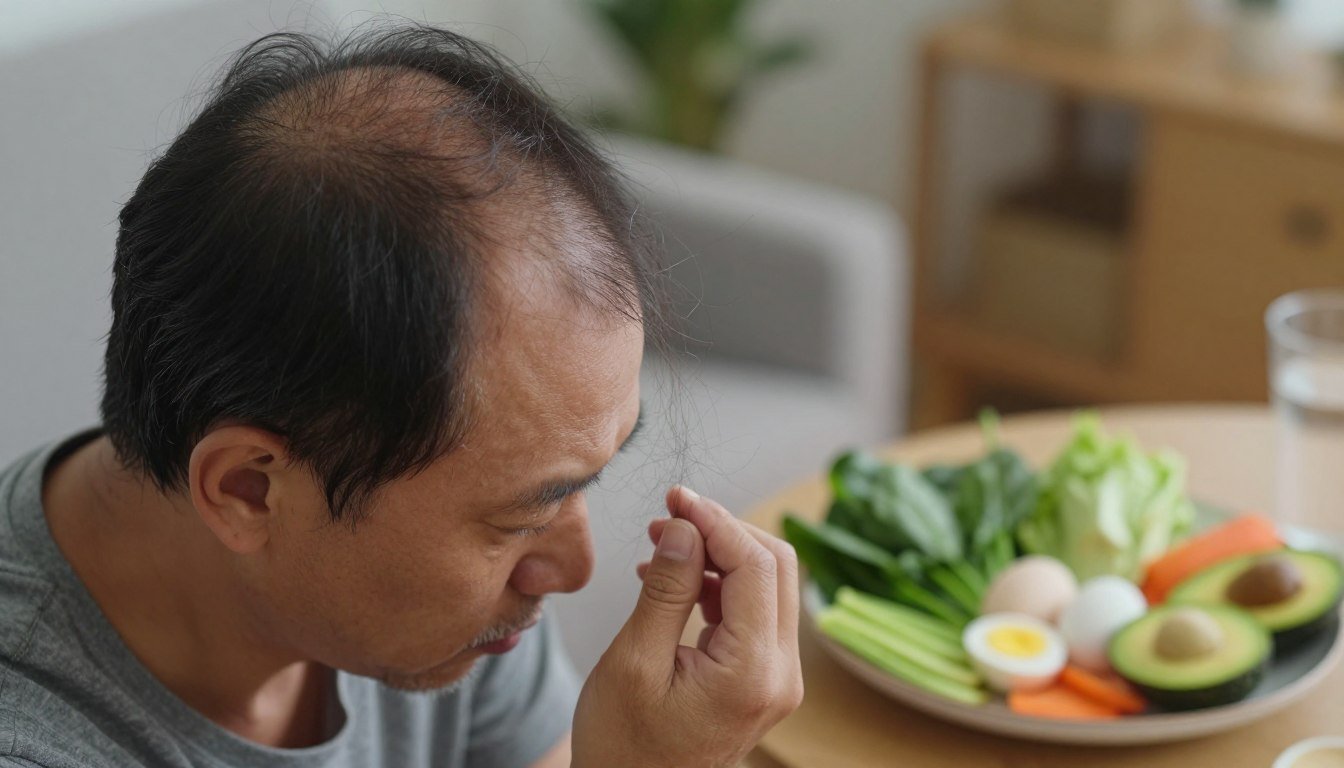
Could a simple blood test reveal why you are seeing more shedding than usual?
We know a balanced diet is central to strong, shiny hair, says Francesca Nicholas, an accredited nutritionist. Low levels of key vitamins and minerals show up more often in people with thinning and alopecia, and clinical trials link replenishing those vitamins to better density and less shedding.
In India, we see different patterns in women and men — iron and vitamin B12 issues are common culprits that can cause hair to thin. Understanding the science behind these shortages is the first step toward targeted treatment.
We’ll explain how testing, diet changes, and sensible supplements can help you and your doctor build a plan to restore strength and reduce shedding without dramatic promises.
Understanding the Science of Hair Growth
Understanding how strands grow helps us spot what interrupts that process. We break down the biology simply so you can see where problems start and how to address them.
The Hair Growth Cycle
The cycle has four stages: anagen (growth), catagen (involution), telogen (rest), and exogen (shedding). Each follicle moves through these phases independently.
Long anagen phases mean thicker, more resilient strands. Shortened anagen reduces regrowth and can show as increased shedding.
Factors Influencing Follicle Health
Follicles act like tiny organs. Hormone shifts and oxidative stress can impair their function and shorten the growth phase.
Proper nutrient delivery to follicles keeps the anagen phase steady. Low vitamin levels or chronic stress often speed up the move to telogen and exogen.
- Chronic stress can trigger premature shedding and poorer hair health.
- Hormonal imbalance and inflammation affect follicle cycling and regrowth.
- Consistent nourishment supports cellular activity inside each follicle.
| Phase | Typical Duration | Main Role | Effect of Poor Nutrition |
|---|---|---|---|
| Anagen | 2–6 years | Active growth | Shortened growth time, weak strands |
| Catagen | 2–3 weeks | Transition | Early regression of the follicle |
| Telogen | 2–4 months | Rest | More follicles enter resting phase |
| Exogen | Weeks | Shedding | Increased visible shedding |
How Nutritional Deficiency Hair Loss Impacts Your Scalp
A shortfall in essential nutrients often shows first on the scalp as sudden, heavy shedding. One common pattern is telogen effluvium, where many follicles shift into the resting phase at once. This causes a visible thinning over weeks to months.
Poor vitamin levels also raise the risk of scalp inflammation. Inflammation can make the skin hostile to new growth and may worsen conditions like alopecia areata, leading to patchy loss.
A healthy scalp lets the shaft emerge cleanly and resist breakage. Low nutrient levels make strands brittle and weaken the follicle anchor. That combination speeds shedding and reduces regrowth.
- Excessive shedding can start when the scalp lacks key vitamins and minerals.
- Low vitamin levels often make strands fragile and increase breakage.
- Poor scalp health can contribute to patchy alopecia areata or broader thinning.
| Scalp State | Likely Cause | Effect |
|---|---|---|
| Inflamed | Low vitamin levels | Patchy shedding, slower regrowth |
| Dry or brittle | Low nutrient levels | Breakage and reduced thickness |
| Resting follicles | Telogen trigger | Diffuse thinning over the scalp |
We assess scalp signs and measure vitamin levels to guide treatment. Addressing root causes helps restore scalp health and improves the chance of steady regrowth.
The Role of Essential Minerals in Hair Health
Minerals form the biochemical backbone that keeps each follicle working well. When key minerals are low, the root processes that build strands slow down and growth can falter.
Zinc and Protein Synthesis
Zinc is critical for DNA and protein synthesis. Those processes help follicles produce the keratin and structural proteins that form each strand.
A zinc deficiency impairs protein assembly. That weakens the strand structure and makes follicles less able to regenerate during the growth phase.
- Zinc supports repair and cell division inside the follicle.
- Iron in the blood carries oxygen to follicles, so low iron slows growth.
- Eggs are a rich source of protein and biotin and help meet structural needs.
- We check mineral levels to decide if supplements are needed to restore healthy hair.
| Mineral | Primary Role | Practical Tip |
|---|---|---|
| Zinc | Protein and DNA synthesis | Include legumes, seeds, and lean meat |
| Iron | Oxygen transport to follicles | Eat iron-rich foods and pair with vitamin C |
| Biotin (from eggs) | Supports keratin structure | Add whole eggs a few times weekly |
Remember that the body prioritizes vital organs over the scalp. We focus on correcting mineral imbalances to optimize follicle function and support steady growth.
Vitamin D and Its Connection to Follicle Function
Low vitamin D is increasingly linked to disrupted follicle cycles and noticeable thinning across the scalp.
Vitamin D helps follicles move through their growth phases. When levels are low, many follicles enter the resting phase too soon. That change can lead to more shedding and weaker, brittle strands.
How we assess and support vitamin D for better growth
We check blood levels to confirm low vitamin status. If tests show low levels, supplements may be advised to restore normal cycling.
- Vitamin D supports proper follicle function and can be a direct factor in hair loss when low.
- Eating fatty fish, like salmon, boosts vitamin and omega-3 intake to support scalp health.
- We monitor your levels and recommend supplements when diet alone is not enough.
| Source | Effect on follicles | Practical step |
|---|---|---|
| Fatty fish (salmon) | Raises vitamin D and omega-3s for scalp support | Add fish twice weekly where culturally appropriate |
| Blood testing | Confirms low levels that disrupt growth cycle | Use targeted supplementation when needed |
| Diet + supplements | Restores follicle cycling and reduces shedding | Follow clinician guidance for dose and duration |
Why Iron Levels Matter for Hair Density
Measuring iron gives a clear picture of whether follicles get enough oxygen to thrive.
Iron is central to hemoglobin, the protein that carries oxygen in your blood. When iron levels fall, follicles receive less oxygen and growth slows.
Clinically, serum ferritin below 30 ng/mL is often linked to increased shedding and thinning. We use this cutoff when assessing patients in our clinic.
Replenishing iron through diet or supplements can help reverse thinning and support regrowth. We tailor plans to your blood results and overall health.
- Iron supports follicle oxygenation and sustained strand production.
- Low ferritin (
- Correcting levels reduces shedding and improves density over months.
| Measure | Threshold | Typical action |
|---|---|---|
| Serum ferritin | Dietary advice + oral iron or IV if needed | |
| Hemoglobin | Below normal range | Assess for anemia and treat accordingly |
| Follow-up | 3–6 months | Recheck levels and monitor regrowth |
The Impact of B Vitamins on Hair Shedding
Small B-group vitamins often make a big difference in how well follicles produce new growth. We check these vitamins when you report increased shedding, because they support key metabolic steps inside each follicle.
The Importance of Biotin
Biotin (vitamin B7) helps enzymes process amino acids and fats. That metabolic work builds the proteins strands need and keeps strands less brittle.
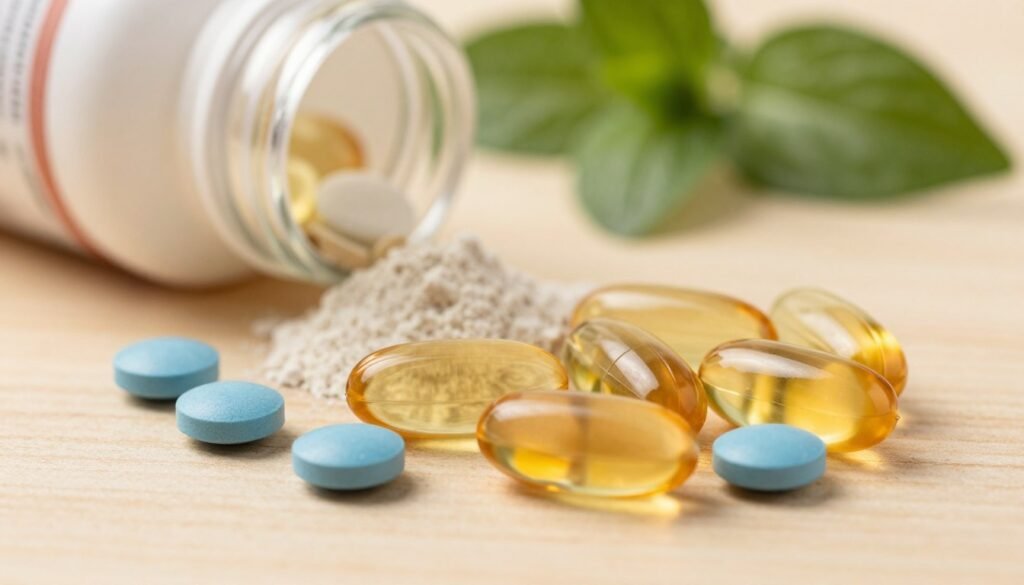
We may recommend a biotin supplement alongside dietary changes for better strength and reduced hair shedding.
Vitamin B12 and Cellular Division
Vitamin B12 supports cell division in the follicle. Low vitamin b12 can slow regrowth and increase shedding over months.
We measure blood levels to guide treatment and to decide if supplements are needed, especially when stress may have reduced your nutrient stores.
| Vitamin | Primary role | Practical tip |
|---|---|---|
| Biotin (B7) | Protein and fat metabolism for strand structure | Add eggs, legumes; consider a supplement if levels are low |
| Vitamin B12 | Supports cell division and regrowth | Test blood levels; supplement if low, especially in strict vegetarians |
| B-complex mix | Works synergistically to sustain follicle metabolism | Use under clinician guidance with diet and stress management |
Dietary Strategies for Stronger Hair
A varied, nutrient-packed plate is one of the simplest ways to support stronger strands and reduce shedding.
We follow Francesca Nicholas’s “rainbow” approach: fruits, vegetables, pulses and lean proteins. This mix supplies iron, vitamin B12, biotin and other key micronutrients that keep follicles active.
Include spinach, lentils and fortified cereals for iron. Add eggs and oily fish to boost protein, biotin and vitamin B12—elements that aid strand structure and growth.
- A balanced diet lays the foundation for healthy hair and helps prevent further loss.
- Focus on iron-rich greens and B12 sources like fish to support scalp and growth.
- We may recommend supplements when diet alone does not restore levels.
| Food | Key Nutrient | Practical Tip |
|---|---|---|
| Spinach, lentils | Iron | Pair with vitamin C (lemon) for better absorption |
| Eggs | Biotin, protein | Include whole eggs a few times weekly |
| Fatty fish | Vitamin B12, omega-3 | Eat twice weekly where suitable |
Lifestyle Habits That Support Hair Regrowth
Your routine—sleep, movement and smoking—affects how follicles receive nutrients and recover. Small, consistent habits help preserve strand strength and support steady regrowth.
Managing Stress for Better Growth
High stress raises cortisol and can push more follicles into a resting phase. We encourage regular relaxation to reduce that impact and protect scalp health.
- Practice yoga or short meditation sessions to lower stress and support normal growth cycles.
- Daily scalp massage for 5–10 minutes boosts circulation and helps deliver vitamins and blood to follicles.
- Quit smoking: toxins impair follicle function and speed up thinning over time.
- We review lifestyle as part of assessments for vitamin levels and possible deficiencies.
| Habit | Effect on follicles | Simple step |
|---|---|---|
| Stress management | Reduces cortisol and supports anagen phase | Try 10 minutes of breathing daily |
| Scalp massage | Improves blood flow and nutrient delivery | Use fingertips with light oil twice weekly |
| Avoid smoking | Prevents toxin-related thinning | Seek support programs to quit |
We combine these lifestyle changes with diet and targeted supplements when needed. Our holistic plan aims to restore levels, protect follicles, and promote gradual, lasting regrowth.
When to Seek Professional Medical Advice
When thinning appears quickly or in patches, timely medical evaluation can make a big difference.

If you count more than 100–150 strands a day, please see a doctor for a full review. A painful or burning scalp is a red flag that needs urgent attention.
Blood work is the standard tool clinicians use to check vitamin levels, iron and vitamin b12. These tests help reveal whether vitamin deficiencies or hormonal issues contribute to shedding.
- If sudden shedding starts, a doctor can assess whether a vitamin issue is the likely cause.
- Seek help if hair loss continues despite diet changes or over-the-counter supplements.
- Early diagnosis of conditions such as alopecia areata improves the chance of effective hair loss treatment.
| Sign | Recommended Action | Why it matters |
|---|---|---|
| Excessive shedding (100–150+) | Book blood tests and consultation | Identifies low levels that affect follicles |
| Painful or burning scalp | Immediate medical review | Rules out infection or inflammatory condition |
| Persistent thinning or patches | Specialist referral and targeted treatment | Improves outcomes with early care |
We know this can be stressful. Our team is here to guide you through testing, explain results, and design a treatment plan that fits your health and goals.
Expert Care at Boss Multispeciality Hospital
A structured clinical plan helps identify whether low iron or low biotin is contributing to thinning and poor growth.
At Boss Multispeciality Hospital, Bangalore, we provide focused evaluations for people facing hair loss and related concerns. Dr. Varsha D.V (MBBS, DDVL) leads care as a Consultant Dermatologist & Dermatosurgeon.
We use targeted blood tests, scalp assessment, and a personalised treatment plan. Our goal is steady growth and better hair health rather than quick fixes.
- Dr. Varsha creates tailored hair loss treatment plans based on test results and clinical findings.
- We focus on root causes such as low iron and low biotin to guide therapy and diet advice.
- Care covers alopecia, routine thinning, and strategies to support healthy hair over months.
| Service | What to expect | Follow-up |
|---|---|---|
| Consultation | Medical review with Dr. Varsha | Plan within 2 weeks |
| Testing | Blood tests for iron and vitamin markers | Results in 3–7 days |
| Treatment | Personalised medical and procedural options | Ongoing review |
If you need specialist care, consult Dr. Varsha at Boss Multispeciality Hospital, Bangalore — Call +91 9986607601 to Book an Appointment.
Conclusion
A targeted plan that combines diet, testing and clinical care gives the best chance of steady growth. Small, consistent steps often add up to visible improvement over months.
Addressing the causes behind hair loss is a key step in reversing thinning. By pairing a balanced diet with medical guidance, you can manage the factors that affect scalp health and strand strength.
We encourage you to act early, seek expert help, and follow a guided treatment plan when needed. Consistent care and attention to your needs build the best foundation for lasting growth.
You are not alone in this journey. Contact our clinic for a personalised review and clear next steps.
FAQ
What are the common vitamin and mineral causes of hair fall?
Low iron, low vitamin D, insufficient B vitamins (including biotin and B12), and inadequate zinc are frequent contributors. These nutrients support scalp circulation, follicle function, and the growth cycle. A blood test can identify low levels so your clinician can recommend targeted treatment.
How does the hair growth cycle affect shedding?
Hair grows in three phases: anagen (growth), catagen (transition), and telogen (rest). When more follicles enter telogen at once—due to illness, stress, or low nutrient levels—you notice increased shedding. Restoring balance and nutrient support helps follicles return to normal cycling.
Can low iron alone cause thinning and reduced density?
Yes. Iron carries oxygen in the blood, and low levels reduce oxygen delivery to follicles, slowing growth and causing thinner strands. Treating iron deficiency through diet or supplementation often improves density over months, but it’s best guided by a doctor.
What role does vitamin D play in scalp and follicle health?
Vitamin D helps regulate hair follicle cycling and may support new follicle formation. Low levels have been linked to certain types of hair thinning. Correcting low vitamin D with sensible sun exposure and supplements can support recovery when combined with other therapies.
Is biotin useful for people with normal biotin levels?
Biotin helps keratin production, but supplements mainly benefit people who are deficient. If your levels are normal, extra biotin usually won’t speed regrowth. A clinician can test levels and advise whether supplementation is likely to help.
How do zinc and protein affect strand strength?
Zinc supports protein synthesis and tissue repair, while dietary protein provides the amino acids that make up hair. Low zinc or low protein intake can cause weak, brittle strands and increased breakage. A balanced diet with adequate protein, eggs, fish, and lean meats helps maintain strength.
Which dietary changes help improve hair health?
Aim for a varied diet rich in iron (leafy greens, red meat, legumes), vitamin D (fatty fish, fortified foods), B vitamins (eggs, dairy, whole grains), zinc (shellfish, nuts), and quality protein. Small, consistent changes and nutrient-dense meals support the scalp and follicles over time.
Can stress cause shedding even when nutrient levels are normal?
Yes. Physical or emotional stress can push follicles into the telogen phase, producing noticeable shedding several months later. Managing stress through sleep, exercise, relaxation techniques, and professional support reduces this effect and complements nutritional care.
When should I see a doctor about increased shedding?
See a physician if you notice sudden, widespread thinning, patchy bald spots, or if shedding persists despite dietary changes. Also consult if you have symptoms of anemia, rapid weight loss, or scalp inflammation. Early evaluation helps identify causes such as iron deficiency, thyroid issues, or alopecia areata.
What tests will a dermatologist run for suspected nutrient-related thinning?
Common tests include a complete blood count, ferritin (iron stores), vitamin D level, B12, thyroid function tests, and sometimes zinc. These results guide personalized treatment, which may include supplements, topical therapies, or referrals for systemic care.
How long does it take to see regrowth after correcting low nutrient levels?
Hair regrowth is gradual. You may notice reduced shedding within 6–12 weeks, but visible regrowth often takes 3–6 months or longer. Consistent treatment, good scalp care, and addressing underlying causes yield the best outcomes.
Are over-the-counter supplements safe and effective?
Many OTC supplements are safe when taken as directed, but unnecessary high doses can cause side effects or interfere with other nutrients. We recommend testing before starting supplements and discussing brands and dosages with your clinician to ensure safety and effectiveness.
How does alopecia areata differ from nutrient-related thinning?
Alopecia areata is an autoimmune condition that causes round, patchy hair loss and may affect otherwise healthy people with normal nutrient levels. It requires a different treatment approach—often topical or injectable therapies—so medical evaluation is important to distinguish causes.
Can children and teenagers experience nutrient-related shedding?
Yes. Rapid growth, dietary restrictions, or chronic illness can cause low levels of key nutrients and increased shedding in young people. Pediatric evaluation helps identify causes and safe interventions appropriate for growing bodies.
How does Boss Multispeciality Hospital approach assessment and care?
We perform a thorough medical history, scalp exam, and targeted blood tests to identify treatable causes. Our team offers evidence-based plans combining diet guidance, supplements when needed, topical treatments, and stress-management strategies tailored to each patient’s needs.