
When Can I Drive After Foot or Ankle Surgery?
Have you wondered if getting behind the wheel will put you or others at risk today?
I am Dr. Lokesh Chowdary R, MBBS, MS – Orthopaedics, Managing Director and Senior Orthopedic Surgeon at Boss Multispeciality Hospital on Magadi Main Road, Bangalore.
Driving is a coordinated task that needs alert reflexes, clear judgment, and stable control of the lower limb. Effects of anesthesia and pain medicines often blunt these abilities, so immediate return to the road is unsafe.
In my clinic the key checks I use are simple: impact of anesthesia, quality of pain control, medication side effects, and pedal control with steering stability. These pillars form a step-by-step guide I follow for each patient.
I will outline practical at-home tests and a safe parking-area routine before your first short trip. My goal is a plan that protects healing, uses physiotherapy and graded activity, and fits each patient’s recovery timeline.
Why this question matters after foot or ankle surgery
Regaining safe control of a car involves more than healing skin and bones. Driving asks for steady posture, clear judgment, and quick foot movement. Small problems in any area change how safely you handle traffic.
Driving is a full-body task, not just “sitting in a car”
Your core and shoulders help with steering, while legs manage pedals. The lower limb must time pressure correctly for smooth braking. If the body is stiff or weak, simple actions become risky.
What can go wrong if you drive too soon
Pain and stiffness slow reaction and distract attention. Medications may blunt judgment. In a true emergency a delayed or weak press on the brake can harm healing tissue and put others at risk.
- Sudden braking stresses the operated area and slows healing.
- Swelling and low confidence reduce pedal control and endurance.
- Even minor distraction from pain raises accident risk in traffic.
For these reasons, I reintroduce driving among other activities only once control, confidence, and alertness are reliable.
What I consider first in clinic before I advise returning to driving
My first step in clinic is a focused test of pedal control and posture, not a calendar date.
Which side was treated
Right‑side procedures often affect braking and acceleration in a standard car. Left‑side work matters more with manual transmissions.
Emergency‑stop readiness
The test is a firm, fast press on the brake without hesitation or pain. Reflex speed and confidence are measured, not just gentle braking.
Effect of casts, splints, and braces
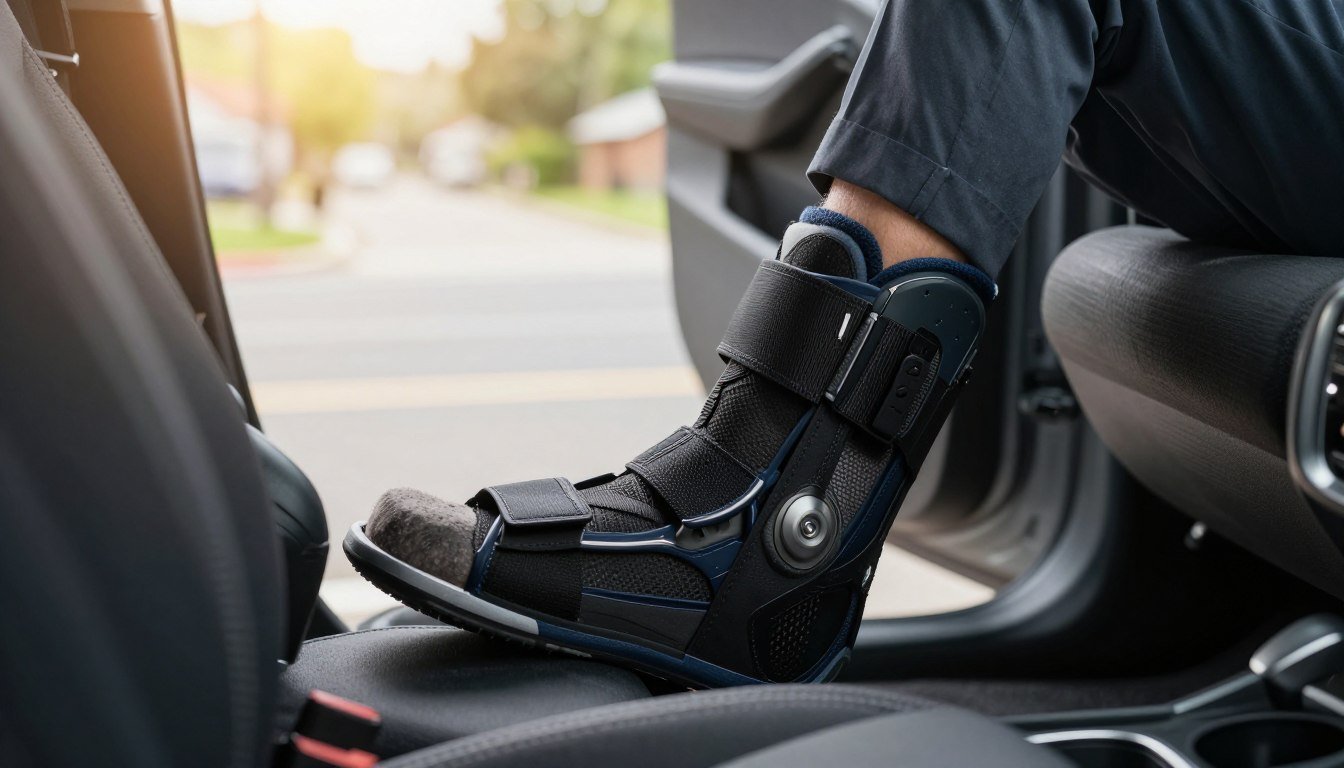
Immobilisation changes pedal feel and foot position. A bulky cast may reduce ankle motion and alter control of pedals and steering.
Transmission and steering factors
Manual cars add clutch work and higher left‑leg demand. Automatics reduce lower‑limb stress. Power steering helps, but altered posture may still impair safe steering during tight turns.
- Assessment focuses on function and strength, not only elapsed days since the procedure.
- Advice is medical; final responsibility rests with the patient based on ability and safety.
when can I drive after surgery without putting myself or others at risk
Before returning to the wheel, assess alertness, foot control, and pain responses in simple, repeatable tests. Safety is about function, not fixed dates, and timelines vary by procedure and healing.
Minimum waiting period after anesthesia and sedation
I generally advise waiting at least 24–48 hours post anesthesia or sedation. Reflexes and judgement may remain slowed for several hours and that raises risk on the road.
When pain is manageable enough for safe steering and pedal control
Manageable pain means you can steer, move your foot quickly between pedals, and press the brake firmly without a spike of pain that makes you hesitate. If pain interrupts these actions, postpone the return.
Why being off strong pain medications matters for alertness and reflexes
Strong pain medications and some other medications cause drowsiness and slower processing. This reduces reaction speed and raises crash risk similar to alcohol impairment.
Practical readiness checks I ask you to try before the first drive
- Sit in the driver’s seat and confirm comfort and posture.
- With the engine off, move your foot between pedals quickly and naturally.
- Do a firm, rapid brake press to simulate an emergency stop.
- If any test causes hesitation, pain, or fear, wait more time and use physiotherapy to rebuild control.
How anesthesia can affect driving for the next day or two
Even when you feel clear, anesthesia may slow key skills that the body uses for safe travel. Small changes in attention and reflex speed can persist for many hours. This is why I stress functional checks, not a calendar alone.

Common lingering effects on reaction time, judgment, and memory
Anesthesia acts on the brain and nervous system. Patients often report drowsiness, lightheadedness, or a foggy mind.
Short-term memory gaps and slower decision-making are possible. These issues reduce reaction speed and blunt reflexes, increasing discomfort and risk on busy roads in India.
Why I recommend avoiding driving for 24–48 hours
Most guidelines suggest no vehicle tasks for 24–48 hours. I advise this window because full recovery of judgment and reflexes may take up to two days.
Arrange a responsible ride home and for follow-up visits. If pain or fatigue is present, I prefer a more conservative plan to protect healing and safety.
Pain medicines and driving safety after orthopedic procedures
Feeling “okay” does not always mean reaction times are back to normal. Strong pain medicines and some muscle relaxants blunt focus, coordination, and alertness. That makes emergency braking and quick steering unsafe even if you feel comfortable.
Strong pain medicines can impair focus like alcohol
Many narcotics slow reflexes in a way similar to alcohol impairment. Slower judgement and delayed foot movement raise crash risk and may harm healing at the operated site.
A safer transition plan from strong pain medicines to milder options
Use strong medicines for the shortest necessary time, then step down to milder analgesics as pain lessens. Combine medication changes with physiotherapy and non-surgical care to rebuild strength and control.
- Follow your prescription and medical history closely.
- Report side effects or persistent drowsiness to your clinician.
- Practice pedal control only when off heavy medications and cleared by your provider.
How long to wait after your last narcotic dose before considering driving
As a practical guide, I often advise waiting about 48 hours from the last narcotic dose before you even consider driving. The exact time varies by medication, dose, body size, sleep, and healing progress.
If doubt remains, postpone travel. Early driving risks poor control, renewed pain, and setbacks to recovery.
Foot and ankle surgery-specific limits that delay return driving
Specific limits depend on which foot was treated and the exact procedure performed.
Right‑side work often delays return more than left‑side procedures. The right foot provides braking force and rapid pressure in emergencies. Reduced strength or hesitation risks poor stopping power and greater harm.
Left‑side procedures matter differently in India because many cars use manual transmissions. If you use an automatic car, left‑foot demands are low. With a manual, clutch use and timing increase lower‑limb load and delay safe return.
Swelling, immobilisation, and movement limits
Swelling and stiffness reduce ankle movement. That slows the lift‑shift‑press action needed for safe pedal work.
Casts, splints, or braces may block feel and ankle travel. Low pain does not always mean safe control; immobilisation can still impair function and posture.
| Factor | Effect on driving | Typical delay | Recovery focus |
|---|---|---|---|
| Right foot procedures | Reduced braking strength, delayed reaction | 2–8 weeks | Strength training, emergency‑stop drills |
| Left foot procedures | Manual car: clutch difficulty; Automatic: less impact | 1–6 weeks | Gait drills, coordination practice |
| Immobilisation (cast/brace) | Limited pedal feel and ankle motion | Varies by procedure | Gradual mobilisation, physiotherapy |
| Swelling/stiffness | Slower movement, fatigue and discomfort | Weeks during healing | Edema care, range‑of‑motion exercises |
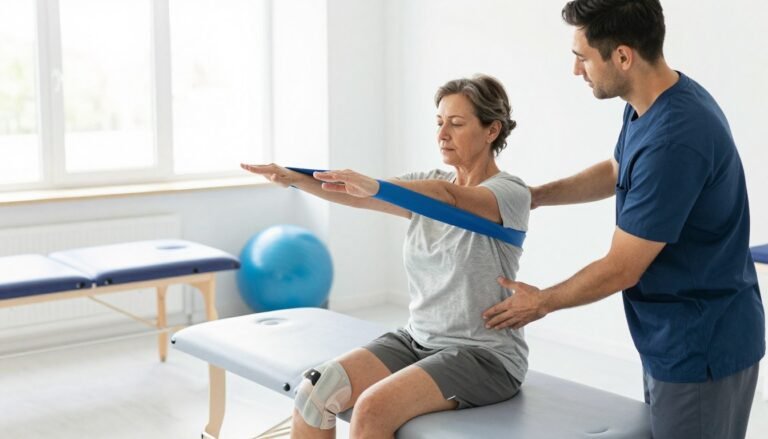
Functional control means steady posture, confident steering, quick foot movement, firm braking, and tolerance of short trips without pain flare. For many procedures the safe return may take weeks. Physiotherapy restores movement, strength, and ability while protecting healing.
How to restart driving step by step without setting back recovery
A staged return helps your body regain movement without risking a setback. Use a clear, graded plan that blends simple checks, short trips, and physiotherapy‑led exercises.
Start with short, local trips and build up gradually
Begin with short daytime errands close to home. Limit outings to quiet streets for the first few days and increase duration only as comfort and pedal control improve.
Parking‑lot practice to test braking force and ankle comfort
Before traffic, rehearse firm, rapid brake presses and quick foot shifts in a safe parking area. Stop if a sharp pain or swelling appears; rest and follow physiotherapy guidance.
Seat, steering, and seatbelt positioning to reduce discomfort
Adjust the seat so your knee bends slightly and your ankle can move freely for smooth steering and pedal use. Keep both hands on the wheel for steady control.
- Start with short drives, then add time over several days.
- Test accelerator‑to‑brake transitions without pain.
- Use a small cushion to ease seatbelt pressure if needed, without compromising safety.
Plan each return carefully and stop if ability or comfort drops. I recommend follow‑up with your physiotherapist to guide progression and protect recovery.
Situations where I advise extra caution before you return to driving
Some travel demands are higher risk in early recovery. Match each trip to your current capacity and recent clinical checks.
Long-distance trips and fatigue
Long journeys cause tiredness, reduce concentration, and raise discomfort. Fatigue slows responses and lowers strength over hours.
Avoid long commutes during the first few weeks and plan regular rests if travel is unavoidable.
Heavy traffic and repeated braking
Stop‑and‑go roads test emergency reflexes and increase pain with repeated braking. Busy city routes magnify risk.
Two‑wheelers and balance demands
Scooters and motorcycles need quick foot placement and balance. These tasks often require more recovery time than car trips.
Professional driving needs closer review
Cab, delivery, or commercial driving means long hours and fewer breaks. I advise medical follow‑up and a staged return for such work.
- Discuss your job, commute length, and vehicle with your surgeon or doctor.
- Only consider driving when functional tests show firm braking, steady control, and low pain on short trips.
Conclusion
A safe resumption of vehicle use rests on tested control and steady healing. This guide’s core message is simple: wait until alertness, pedal control, and pain levels protect your recovery rather than rely on a fixed time.
Non-negotiables include no travel for 24–48 hours after anaesthesia, no driving while on strong pain medicines or narcotic medications, and ability to perform a firm emergency brake and steady steering without hesitation or a pain flare. Different procedures and affected parts of the foot or ankle may require weeks of rehabilitation.
I offer a personalised plan at Boss Multispeciality Hospital on Magadi Main Road, Bangalore (near Kamakshipalya and RR Nagar). Book an assessment with your surgeon so we can review healing, review medications, and set a safe, physiotherapy‑guided return to use of your vehicle.