
What Causes Acne? A Dermatologist’s Complete Guide

Have you ever wondered if a simple change in routine could clear your skin for good?
We know this common skin condition touches many lives in Bangalore and beyond. Understanding the basics is the first step to better care.
At Boss Multispeciality Hospital, we believe knowledge helps you make calm, informed choices about your daily routine and long-term wellness. We support you with clear, evidence-based advice so you feel confident about treatment options.
Many patients ask about the underlying factors behind flare-ups. This guide will walk you through the main drivers, simple self-care tips, and when to seek specialist help.
Understanding the Biological Roots of Acne
Understanding how skin cells and oils interact is key to real, lasting improvement. We explain the processes simply and with respect for your concerns.
Our evidence-backed information review shows that acne is a complex process taking place beneath the skin surface. Tiny changes in hair follicles, sebum flow, and local inflammation start this chain of events.
We provide based evidence-backed information so you can trust the medical explanations you read. Every information review medical professional here explains cell activity, bacteria roles, and immune responses in plain terms.
- This review helps you move beyond myths to evidence-based reality.
- We show how follicle blockage, excess oil, and inflammation link to visible signs.
- Using this evidence-backed information review, we help you choose targeted care with confidence.
Our goal is to give clear, practical insight so you feel empowered to protect and improve your skin. When you understand the biology, treatment choices become clearer and more effective.
What Causes Acne and How Follicles Become Blocked
Clogged follicles start a chain of events that shows up on your skin. We explain how small changes inside tiny pores lead to visible spots and discomfort.
The Role of Sebum Production
Hair follicles are small openings that hold a hair and a sebaceous gland. These glands make sebum to keep hair and skin soft.
When glands make too much sebum, it mixes with dead skin cells and forms a plug. That trapped material can let bacteria on the face multiply and trigger inflammation.
Identifying Whiteheads and Blackheads
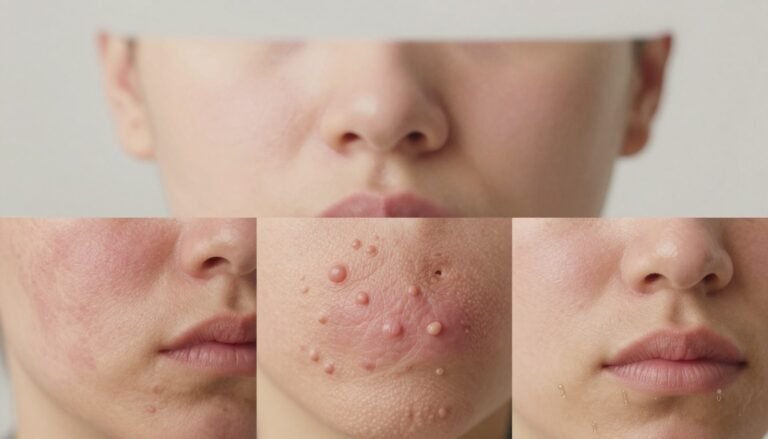
Open follicles clogged with a dark surface are blackheads. Closed follicles that sit beneath the surface skin form whiteheads.
- Dead skin cells and excess sebum start the block.
- Blocked follicles can become inflamed and lead to papules, pustules, nodules, or cysts if infected.
- Gentle cleansing and targeted care help reduce plugs and bacterial growth on the face.
The Role of Hormones in Skin Health
Hormones steer many of the changes your skin shows during life stages like puberty and pregnancy. We see clear patterns over time, and understanding them helps us plan care that fits your needs.
Impact of Testosterone on Sebaceous Glands
Testosterone increases sebum production by stimulating sebaceous glands. More oil mixes with dead skin and may lead to the formation of clogged follicles and visible spots.
During puberty, rising hormone levels often trigger teenage flare-ups. At other times, such as your period or pregnancy, shifts in balance can change the symptoms you notice.
- Sebaceous glands respond quickly to hormone swings, so flare-ups can appear at specific times in a cycle.
- Hair follicles and nearby skin tissue react to increased oil and inflammation.
- Recognizing these patterns helps us tailor treatments that address root factors, not only surface signs.
We focus on gentle, evidence-based plans that respect your daily life and reduce symptoms with care and understanding.
Genetic Factors and Family History
Your genes play a big role in how your skin behaves over time.
Research shows that many people inherit a predisposition to breakouts from their parents. If both parents had acne, you may face more severe symptoms earlier in life.
We often see patients who share a family history of acne. This background helps us predict likely patterns and choose treatments that suit you.

Understanding family history lets us provide personalised care. While you cannot change genetics, we can build a proactive plan to protect your skin throughout life.
- Family patterns can indicate higher risk and guide early intervention for people at risk.
- Knowing parental history helps us tailor medicines and skin routines for better results.
- A clear genetic picture gives practical steps to reduce flare-ups and long-term scarring.
Common External Triggers and Lifestyle Habits
External triggers—routine items and environment—frequently shape how your skin behaves. We focus on practical steps you can take to lower risk and ease symptoms.
Cosmetic Products and Medications
Most modern products are non-comedogenic, but the wrong choice can still clog glands and make acne worse. Check labels and avoid heavy oils on areas that flare.
Certain medications, such as lithium or steroid medicines, can also trigger new symptoms in some people. If you suspect a drug is involved, discuss alternatives with your doctor.
Dietary Influences
Diets high in refined carbs and sugar may increase inflammation and make acne more likely. We encourage balanced meals and mindful snacking to support healthy skin.
Small nutritional changes can lower your risk and improve how your skin responds to treatment over weeks.
Smoking and Environmental Factors
Smoking is a known environmental factor that can worsen skin health in older people. It may change skin texture and complicate existing conditions.
Other exposures—humidity, sweat, or repeated friction—can add to the problem. Identify triggers and adjust routines to protect your skin.
- Certain medications, such as lithium or steroid medicines, can make acne worse or trigger new symptoms in some people.
- Using the wrong cosmetic products can clog your glands and raise your risk of breakouts.
- Smoking contributes to skin problems in older people and can complicate overall condition.
- Diets with a high glycemic index may also make acne more likely; consider dietary choices carefully.
- Identifying external triggers helps you lower risk and maintain healthier skin through informed choices.
Debunking Popular Myths About Skin Hygiene
Many trusted tips about face care are myths that can harm your skin more than help it.
Washing the face more than twice a day may strip natural oils. This can worsen symptoms and lead to dry, irritated skin.
Squeezing spots to get rid of them is risky. Pressing a blemish can push bacteria deeper and cause scarring that lasts.
Sunbathing or using tanning light to clear the condition offers no proven benefit. Prolonged exposure can cause painful damage and worsen long-term scarring.
Household remedies like toothpaste can irritate the face and do not reliably get rid of spots. They often increase redness and delay proper healing.
- Over-cleansing can strip the skin barrier and raise inflammation.
- Avoid popping lesions to reduce scarring and infection risk.
- Do not rely on sun or household items to treat symptoms safely.
- The condition is not contagious; you cannot pass it to others through touch.

Seeking Professional Care at Boss Multispeciality Hospital
When persistent skin problems affect your confidence, expert care can make a clear difference. We offer focused evaluation and evidence-based plans so you know exactly what to expect.
Consult Dr. Varsha D.V for Personalized Treatment
At Boss Multispeciality Hospital, Bangalore, we provide tailored treatments based on your medical history and current skin needs. Our goal is safe, steady improvement rather than quick fixes.
Dr. Varsha D.V (MBBS, DDVL, Consultant Dermatologist & Dermatosurgeon) leads a compassionate team. When you see healthcare provider Dr. Varsha D.V, you receive a personalised plan that goes beyond what an advertising site helps you find online.
- Evidence-based treatments selected for your skin type and severity.
- Clear scheduling through our primary care providerschedule to suit your routine.
- We do not endorse non-cleveland clinic advice from random forums; your safety comes first.
To book an appointment and see healthcare provider Dr. Varsha, call +91 9986607601. We are here to guide you through each step of treatment and follow-up.
Conclusion
Sustained progress needs both medical guidance and small, consistent changes at home. We encourage a clear plan that balances targeted treatment with daily habits that protect your skin.
Your journey need not be lonely. If symptoms persist or affect your confidence, our team offers personalised, evidence-based care to address underlying triggers and reduce flare-ups of acne.
By prioritizing expert advice and realistic routines, you can improve outcomes and quality of life. When you are ready to take the next step, contact Boss Multispeciality Hospital for a compassionate, practical treatment plan tailored to you.