
How Stress Causes Hair Loss & How to Reverse It

Could a period of intense pressure be the unseen cause of your thinning scalp and sudden shedding?
We know this concern brings worry, so we explain it plainly and kindly. When your body faces prolonged anxiety, it can trigger telogen effluvium, a condition that pushes more follicles into the resting phase. That change often shows as noticeable hair loss due to more strands falling out than usual.
Understanding how this happens on the scalp is the first step toward real solutions. Many people mistake stress-related hair for pattern baldness or alopecia, but telogen effluvium is often temporary and reversible with the right treatment.
We will guide you on what to expect, when to see a doctor, and which treatments can help over time. Our goal is to make the science clear and give you calm, practical next steps.
Understanding the Biology of Stress Related Hair Loss
A tiny shift inside the body can push many follicles from growth into a quiet state. We will explain how the natural cycle works and why more hairs may fall out for a time.
The Hair Growth Cycle
The hair follicle cycles through three clear stages: anagen (growth), catagen (transition), and telogen (rest). Each follicle repeats this process independently, which keeps the scalp covered under normal conditions.
How Stress Disrupts Regeneration
Research published in Nature on March 4, 2021 by Dr. Ya‑Chieh Hsu showed that prolonged pressure forces hair follicle stem cells to stay inactive. When those cells pause, follicles enter an extended telogen phase and fewer new hairs replace the ones that shed.
This condition, called telogen effluvium, differs from pattern baldness. The cause is biological and often reversible with the right treatment and time. For people in India seeking answers, understanding this process helps set realistic expectations about whether your hair will grow back and which treatments may help restore scalp health.
The Role of Cortisol and Adrenal Function
Hormones released by the adrenal glands have a direct line to how hair follicles behave. In humans, cortisol is the main stress hormone; in rodents, researchers measure corticosterone to study the same pathway.
The adrenal glands set thresholds that tell follicle stem cells when to activate. When cortisol stays high, more follicles shift into the telogen phase and fewer hairs enter active growth. That change can trigger telogen effluvium and visible shedding on the scalp.
Poor sleep and ongoing anxiety make these hormone swings worse. Addressing the root cause helps restore hormonal control and supports treatment options that promote regrowth.
- Improve sleep and reduce chronic anxiety to balance hormones.
- Discuss medical treatments that target the telogen phase with your clinician.
- Focus on whole-body health to aid follicle cell recovery and hair growth.
| Hormone | Species | Main Effect |
|---|---|---|
| Corticosterone | Rodent | Models systemic control of follicles |
| Cortisol | Human | Raises telogen incidence, affects regrowth |
Recognizing the Signs of Telogen Effluvium
Noticing sudden, even thinning across your scalp can point to a reversible shedding event rather than hereditary pattern. We want you to know what to watch for and when to seek help.
Distinguishing Stress-Induced Shedding from Pattern Baldness
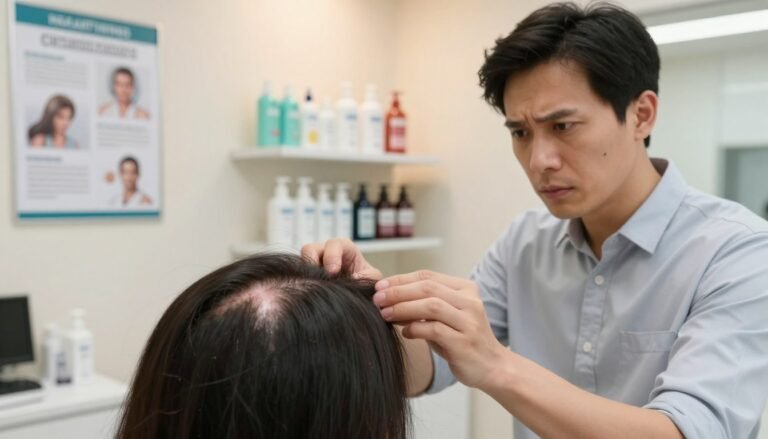
Telogen effluvium often appears as diffuse thinning, with many strands shedding across the entire scalp. You may see more hairs on your pillow or in the shower when a large number of follicles enter the resting phase at once.
Pattern baldness usually starts in specific zones, while effluvium is widespread. Clumps of fallen hairs and a sudden change over weeks are classic signs of this condition.
- Talk to a qualified doctor to rule out alopecia or other causes.
- Track when shedding began and any triggers, such as sleep loss or anxiety.
- Early evaluation lets us suggest treatments and support follicle cells to return to growth.
How Chronic Stress Impacts Hair Follicle Stem Cells
Long-term emotional and physical strain can stop a crucial messenger molecule from waking dormant hair follicle stem cells.
Researchers at Harvard found that dermal papilla cells, just beneath each follicle, normally secrete GAS6. GAS6 tells stem cells to leave the resting phase and begin new growth.
Under prolonged stress, the dermal papilla fails to release GAS6. That change pushes more follicles into telogen effluvium and delays new hairs from emerging.

In mice models, delivering GAS6 into the skin restored normal regeneration even after long periods of high hormone levels. This shows the process is reversible and not always permanent.
- Chronic high hormone levels blunt GAS6 secretion and slow follicle activation.
- Restoring GAS6 reinstates the signal for stem cells to produce new strands.
- Understanding this lets us design targeted treatments and lifestyle steps that support scalp health.
| Factor | Location | Effect |
|---|---|---|
| GAS6 secretion | Dermal papilla | Activates follicle stem cells for growth |
| High hormone levels | Systemic (body) | Increases resting (telogen) phase |
| GAS6 delivery (experiment) | Skin | Restores regrowth in animal models |
Lifestyle Adjustments to Promote Hair Growth
We recommend simple, steady habits to support scalp recovery after telogen effluvium. Small changes in daily routine can help follicles return to the active phase and improve overall health.
Managing Anxiety for Better Health
Lowering anxiety helps reduce cortisol and other hormones that push follicles into rest. Try short daily practices like mindful breathing, gentle walks, or brief yoga sessions.
Improving sleep quality is essential. Aim for consistent bedtimes and avoid screens before sleep to give your body time to repair and support growth.
Nutritional Support for Follicles
A balanced diet with protein, iron, vitamin D, B vitamins, and zinc gives your scalp the building blocks it needs. Hydration also supports cells at the base of each hair follicle.
While pattern baldness needs targeted medical treatment, many people notice less thinning with these lifestyle steps. Consistency helps your body reclaim the resources required for hairs to grow back.
| Action | Effect | Practical tip |
|---|---|---|
| Improve sleep | Better hormone balance | Set a regular sleep schedule |
| Mindful movement | Lower cortisol, better circulation | Walk 30 min most days |
| Nutrient-rich diet | Supports follicle cells | Include lean protein and greens |
Professional Dermatological Treatments at Boss Multispeciality Hospital
When shedding accelerates after a major life event, expert care can help restore scalp health and guide regrowth.
At Boss Multispeciality Hospital, Bangalore, Dr. Varsha D.V (MBBS, DDVL) evaluates telogen effluvium and other causes of hair loss. We use evidence-based testing to check scalp condition, blood markers, and hair follicle function.
Our treatment options include topical therapies, targeted injections, platelet-rich plasma, and protocols that support follicle cells to re-enter growth. We tailor each plan to your needs and to whether alopecia or pattern baldness is present.
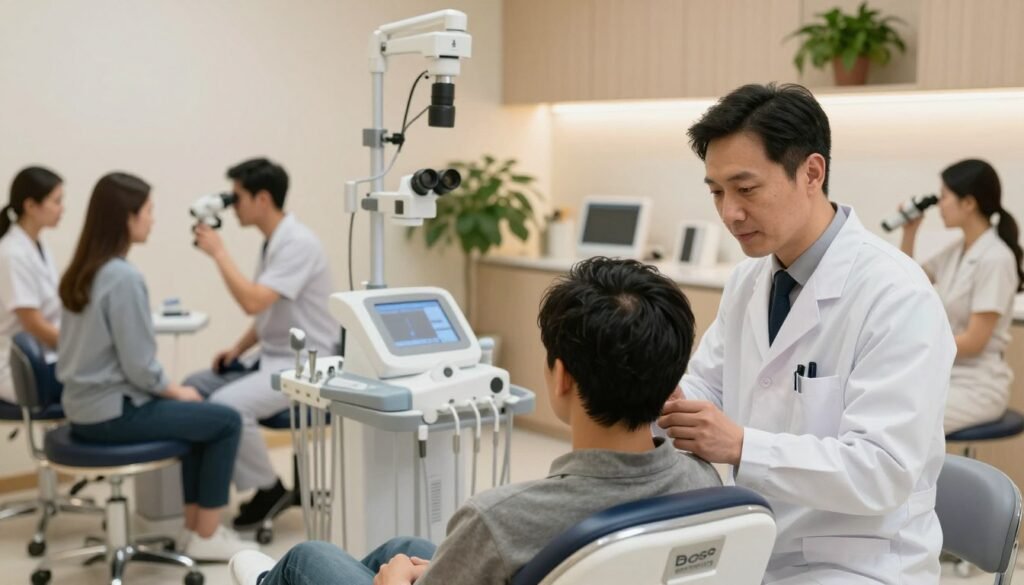
Follow-up care focuses on monitoring progress so your hair can grow back safely. We explain expected timelines and share practical steps you can take at home to promote hair growth while under medical care.
- Personalized diagnosis and treatment plan
- Procedures to stimulate follicle cells and scalp health
- Clear guidance on realistic recovery and maintenance
| Service | Goal | Typical Outcome |
|---|---|---|
| Topical therapy | Support follicles | Reduced shedding, improved density |
| PRP injections | Stimulate cells | Accelerated regrowth over months |
| Medical review | Identify causes | Targeted, long-term plan |
Consult Dr. Varsha at Boss Multispeciality Hospital, Bangalore — Call +91 9986607601 to Book an Appointment.
Conclusion
Recognizing how body signals affect follicle cycling gives you power to seek the right care.
Telogen effluvium is often reversible. Modern dermatological treatments and targeted therapies can help restore normal growth and reduce visible shedding.
Alongside medical options, simple daily habits support recovery. Improve sleep, eat balanced meals, and use the coping tools that work for you.
You do not have to navigate this on your own. We invite you to discuss your concerns with our team at Boss Multispeciality Hospital in Bangalore. Dr. Varsha D.V and our staff provide clear evaluation and a tailored plan to help your scalp regain health and confidence.