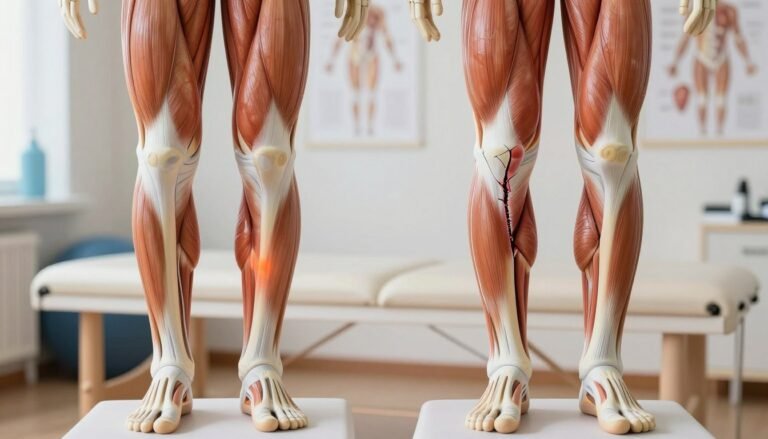

Stress Fractures in Athletes: Signs, Risk Factors, and Recovery
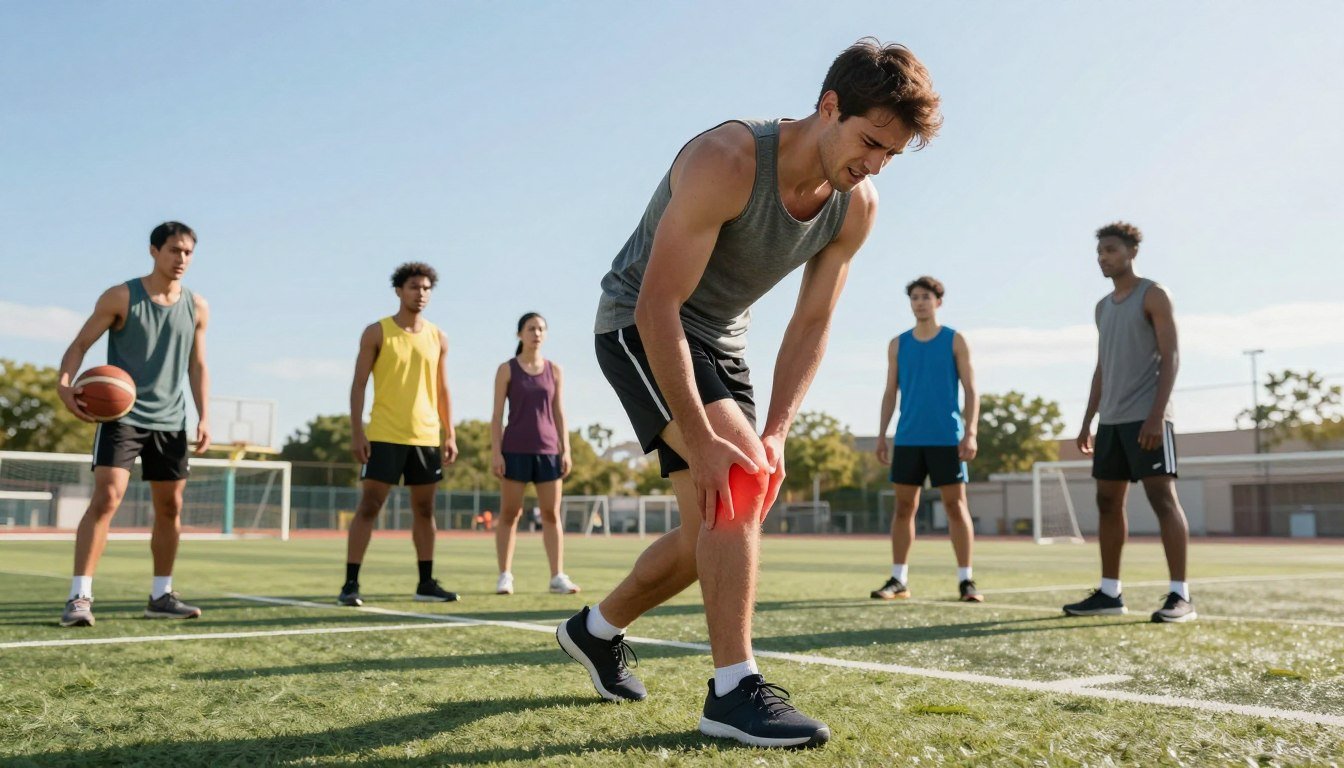
Have you ever wondered how a tiny crack in a bone can stop your training cold and threaten a season?
I’m Dr. Lokesh Chowdary R, MBBS, MS – Orthopaedics, and I see these injuries often at Boss Multispeciality Hospital on Magadi Main Road, Bangalore.
A stress fracture is a small crack or severe bone bruise that usually comes from repeated impact. Pain often starts slowly and worsens with weightbearing, and returning too soon can turn a small problem into a complete fracture that may need surgery.
In this guide I will explain how to spot early warning signs, why runners, jumpers, and active adults face higher risk, and what to do first to protect healing.
I focus on accurate diagnosis, non-surgical care when possible, physiotherapy-guided recovery, and surgery only when medically required. Treatment is tailored to your sport, daily needs, and bone health — because recovery is never one-size-fits-all.
What a Stress Fracture Means for Athletes and Active Adults
Small cracks from repeated loading can quietly end a training block if you miss the signs. I explain this simply in clinic so you know how it happens and how to prevent it from coming back.
Stress fracture vs sudden fracture
An acute fracture follows one big event, like a fall. A stress fracture develops slowly when repeated impact causes tiny bone damage that outpaces repair.
How weightbearing bones weaken
Bone is always remodeling: old tissue breaks down and new tissue builds up. When training volume or intensity rises too fast, repair lags and the bone becomes vulnerable.
Why running and jumping sports are common triggers
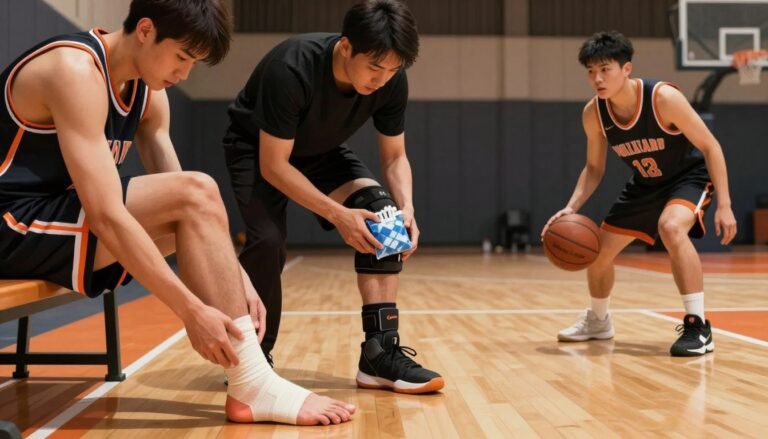
Track, basketball, soccer, and dance load the same foot and lower leg areas again and again. Muscles tire, mechanics change, and more load shifts to specific bones.
I focus on gradual progression, adequate rest between sessions, and simple strength work to protect bone health and reduce recurrence.
Early Signs and Symptoms I Ask You to Watch For
A minor, recurring ache during activity can be the earliest sign that something needs checking. I listen for how pain starts, where it sits, and whether rest brings relief.
Gradual pain linked to weightbearing
Pain usually begins subtly and grows with repeated loading. It often eases when you rest and returns once you resume the same activity.
Pinpoint tenderness over the bone
If pressing one small spot reproduces your pain, that pinpoint tenderness raises my concern for a possible stress fracture rather than a muscle strain.
Swelling, bruising, and location clues
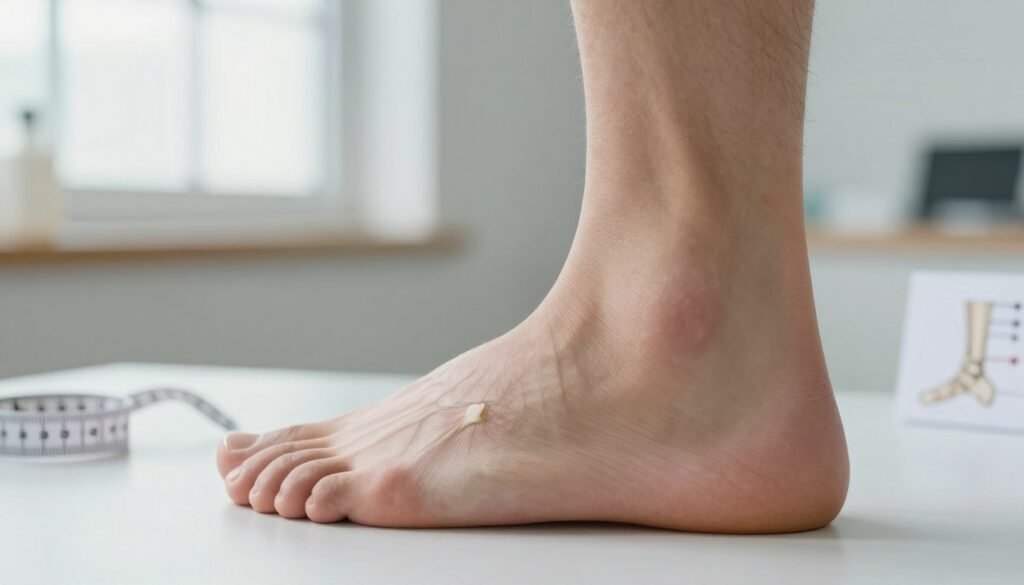
Swelling may appear on the top of the foot or outside the ankle. Some people notice light bruising. These signs help me narrow where the injury might be.
- I tell patients that “warming up and it goes away” is not always reassuring; patterns across days matter.
- If pain is repeatable with impact and lasts several days, seek an orthopedic evaluation—early diagnosis shortens downtime.
| Sign | What I suspect | Next step |
|---|---|---|
| Localized pain | Possible stress fracture | Clinical exam, consider imaging |
| Tenderness to press | Bone-focused injury | Pinpoint exam, early MRI if needed |
| Top of foot/ankle swelling | Local inflammation or bruising | Reduce load, evaluate within days |
Common Locations: Foot, Ankle, and Lower Leg Stress Fractures in Sports
Location matters: where you feel pain in the foot or lower leg changes how I evaluate and treat the injury. Below I describe common sites in plain language and link each to typical sport demands I see in Bangalore.
Metatarsal injuries — why the second and third are common
The second and third metatarsal get high push-off loads during running and jumping. Repeated force can cause tiny bone damage along these shafts.
Base of the fifth metatarsal (Jones pattern)
The fifth metatarsal base has poorer blood supply. That is why healing can be slower and why I watch it closely in quick-change court players.
Calcaneus (heel) vs plantar fasciitis-like pain
Heel bone pain can feel like plantar fasciitis. When pain lingers, I often order MRI to check the bone rather than assume soft-tissue pain.
Navicular, talus, tibia and fibula notes
- Navicular and talus: midfoot or ankle pain that is hard to pinpoint; imaging helps.
- Tibia: ranges from shin‑splint pattern to a true bone injury if loading continues.
- Fibula and sesamoid: smaller bones that cause focused forefoot or outer-leg pain and need specific protection.
Each location changes how strict I am about rest and return to play. Identifying the exact bone speeds recovery and reduces repeat problems for active people in India.
Key Risk Factors for stress fractures athletes in India Today
I see a clear pattern: most cases follow a recent, often abrupt change in training or environment. Identifying these risk factors helps me guide safe recovery and prevention.
Training errors
Doing too much, too soon is the single biggest error. A sudden increase in training mileage, intensity, or session frequency raises load faster than bone can adapt.
Surface changes and biomechanics
Moving from treadmill to hard outdoor roads or from grass to a concrete court alters impact. Small alignment issues like overpronation focus load on the same bone repeatedly.
- Worn-out shoes lose cushioning and raise repetitive load on the foot and lower leg.
- Low energy availability (RED-S) or poor diet reduces bone repair and raises recurrence risk.
- Medical risks include osteoporosis, long-term steroids, or a prior injury that signals weaker bone.
| Factor | Common cause | What I advise |
|---|---|---|
| Training | Rapid increase in intensity/duration | Progress gradually; plan rest |
| Nutrition | Low calcium or vitamin D | Check labs; add calcium vitamin support |
| Footwear & surfaces | Worn shoes, harder courts | Replace shoes; adjust surface exposure |
What to Do Right Away if You Suspect a Stress Fracture
If you feel a persistent ache in your foot or lower leg, treat it as a warning and act promptly. I give simple, immediate steps I use in clinic so you can protect healing while you arrange an orthopedic visit.
Use the RICE approach while you arrange an evaluation
I tell patients to follow RICE until they see me. Rest: avoid high-impact activity and limit walking; wear a supportive shoe to reduce bending at the foot ankle.
Ice: apply for 20 minutes several times a day, never directly on skin. Compression: use a light wrap to reduce swelling. Elevation: keep the foot above heart level when resting.
Modify daily activities safely
Stop running and jumping immediately. Reduce standing and unnecessary steps. Use handrails on stairs, take frequent breaks at work, and consider crutches if weightbearing causes significant pain.
Smart pain control and why self-treatment is temporary
Short-term NSAIDs like ibuprofen or naproxen can ease pain and swelling, but do not use them to mask pain and keep training. Early imaging and a protection plan often change the treatment and speed recovery.
- Treat recurring pain as a warning—stop high-impact activity first.
- Protect the foot ankle early to prevent progression to a complete break.
- Seek orthopedic evaluation rather than prolonged self-treatment.
| Immediate Step | Why it helps | Practical tip |
|---|---|---|
| Rest and supportive shoe | Reduces load on the injured bone | Avoid running; use a stiff-soled shoe |
| RICE (Ice/Compression/Elevation) | Controls swelling and eases symptoms | 20 min ice, light wrap, elevate when sitting |
| Pain meds short-term | Improves comfort to arrange care | Use NSAID as directed; don’t resume sport while masked |
How I Diagnose a Stress Fracture Accurately
Accurate diagnosis begins with a clear timeline of what changed in your training and daily routine.
I start by asking about recent workload, surface changes, footwear, medications, diet, and any prior stress fractures. This history guides which diagnostic methods I choose.
Clinic exam findings I trust
On exam I focus on pinpoint tenderness over a single bone rather than diffuse pain. That focal sign often separates a bone injury from soft tissue pain.
Imaging choices and why timing matters
Early X-rays can be normal because the crack is tiny; callus may only appear weeks later. That is why I often order an MRI when the X-ray is unrevealing but concern remains. MRI detects bone reaction and locates the injury precisely.
When CT, bone scan, and labs help
CT is useful for detailed bony anatomy or surgical planning. Bone scan can detect activity but is less specific than MRI for exact location. I request labs for vitamin and calcium levels, and a DEXA scan when low-impact cases or risk factors suggest reduced bone density.
| Test | Best use | When I order it |
|---|---|---|
| X-ray | Initial screen for clear breaks | First visit; repeat if symptoms persist |
| MRI | Early detection and precise location | If X-ray is normal but pain continues |
| CT | Detailed bone view, surgical planning | Complex cases or suspected displaced fracture |
| Lab/DEXA | Assess bone health (vitamin/calcium) | Low-impact cases, recurrent problems |
I aim for clear, evidence-based steps so you get the right tests and focused care without delay. My goal is accurate diagnosis and safe return to activity with preserved long-term bone health.
Non-Surgical Treatment Options I Prefer Whenever Possible
Conservative care often heals these injuries without surgery when we act early. My first goal is to calm pain and protect the bone so it can begin repair while you keep overall fitness.
Relative rest and safe cross-training
Relative rest means stopping impact loading but staying active with low‑impact options. I commonly recommend cycling or swimming so you maintain cardio without loading the affected foot ankle.
Offloading the bone
Protection depends on location and severity. Options range from supportive footwear and stiff‑soled shoes to a removable short‑leg brace boot.
When pain is significant I advise crutches or a cast to enforce non‑weightbearing for several weeks.
Typical healing timelines and higher‑risk sites
Many cases show clear healing in about six to eight weeks with proper rest and modified activities. That timeline varies by bone, nutrition, and general health.
Some sites, such as the base of the fifth metatarsal (Jones injuries), need stricter non‑weightbearing and may delay return to sport to around 12 weeks because blood supply is limited.
| Goal | Common option | Usual effect |
|---|---|---|
| Reduce load | Supportive footwear / brace | Less bending at the injury site |
| Strict protection | Crutches or cast | Promotes reliable healing |
| Maintain fitness | Swimming, cycling | Cardio preserved without impact |
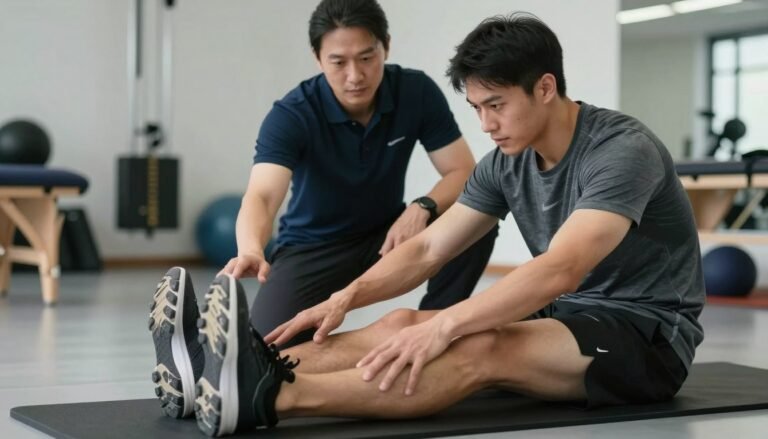
I emphasize physiotherapy‑guided recovery and individualized timelines. Returning too early can restart the cycle of injury; we base clearance on symptoms and, when needed, follow‑up imaging.
When Surgery Is Medically Necessary and What It Involves
When a bone shows signs it will not mend reliably with protection and rest, I consider surgery as a focused medical option. I do not recommend an operation as a first step. Instead, I reserve it for cases where nonoperative treatment is unlikely to succeed.
When I consider fixation
I recommend fixation for clear displacement, progression to a complete fracture, or when a particular bone has poor blood supply and high non‑healing risk. Recurrent non‑healing despite protection is another reason to operate.
What the operation may include
Surgical methods usually use screws, plates, or pins to hold the bone in correct alignment so healing proceeds. In difficult cases I may add bone grafting to boost biological repair.
Why post‑op limits matter
Hardware stabilizes the bone, but early overloading can still disrupt union. Strict weightbearing rules, staged rehabilitation, and nutrition support help maximize the chance of durable healing.
- Surgery is a targeted choice, not the default for every fracture.
- Common indications: displacement, progression, repeat non‑union risk, or poor blood supply.
- Procedures: internal fixation with screws/plates/pins; bone grafting when biological support is needed.
- Adherence to post‑surgical restrictions protects the repair and lowers re‑injury risk.
| Situation | Typical method | Why it helps |
|---|---|---|
| Displaced fracture | Screws or plate fixation | Restores alignment and stability for healing |
| Non‑union risk | Fixation ± bone graft | Combines mechanical support and biological boost |
| Poor blood supply bone | Rigid fixation, tailored rehab | Improves success where conservative treatment may fail |
Physiotherapy-Guided Recovery and Safe Return to Sports
Rehabilitation is about rebuilding reliable movement, not just waiting for pain to fade. I guide a structured plan that mixes supervised exercises, graded loading, and close monitoring so you return sports safely.
Rehab goals
I focus on restoring strength, balance, and mechanics without reloading too early. Targeted work addresses calf, foot, and hip weakness common in lower leg injuries.
Graded loading plan
Early on I use alternating activity and rest days so bone adapts between sessions. We increase load cyclically and reduce training every third week as a safety step.
Preventing recurrence
- Biomechanical correction: fix overpronation, stride, and landing mechanics.
- Footwear advice: replace worn shoes and choose the right sole for your sport.
- Cross-training: cycling, swimming, or pool running to keep fitness without impact.
| Goal | Method | Typical timeline |
|---|---|---|
| Strength & balance | Physio exercises, proprioception | 4–8 weeks |
| Gradual running return | Walk‑run progression, monitored increases | 6–12 weeks (varies by site) |
| Maintain fitness | Swimming, cycling, pool treadmill | Throughout rehab |
Healing time depends on blood supply, fracture location, nutrition, and individual factors. If pain returns during progress, I reduce load, reassess, and protect you from repeat injuries while planning a safe return to sports.
Conclusion
Early action matters: recurring weightbearing pain that eases with rest often marks a true bone injury in the foot or ankle and should not be ignored.
I look for focal tenderness and a clear history, because early X-rays can be normal and MRI helps confirm the diagnosis. A sudden increase in load, surface changes, worn shoes, poor nutrition, or prior injury raise the risk and deserve attention.
The safest immediate step is simple — stop impact activities and protect the area while you arrange evaluation. Most cases heal without surgery in a few weeks with proper rest, offloading and physiotherapy‑guided return to sport.
If you need a definitive plan, book an appointment with me, Dr. Lokesh Chowdary R (MBBS, MS – Orthopaedics) at Boss Multispeciality Hospital, Magadi Main Road, Bangalore (near Kamakshipalya and RR Nagar) for focused care.