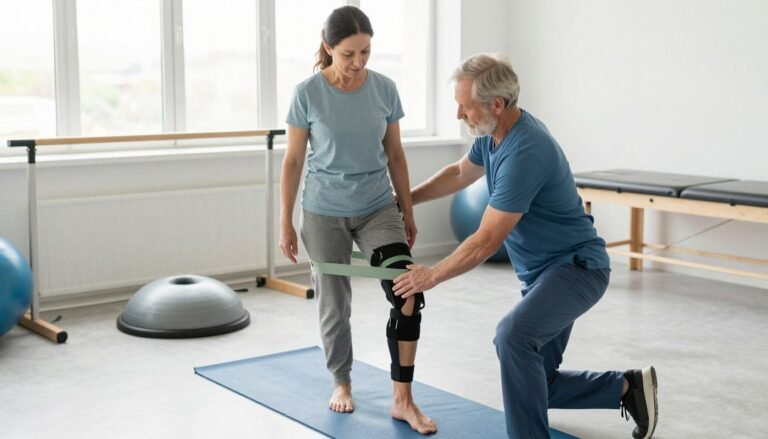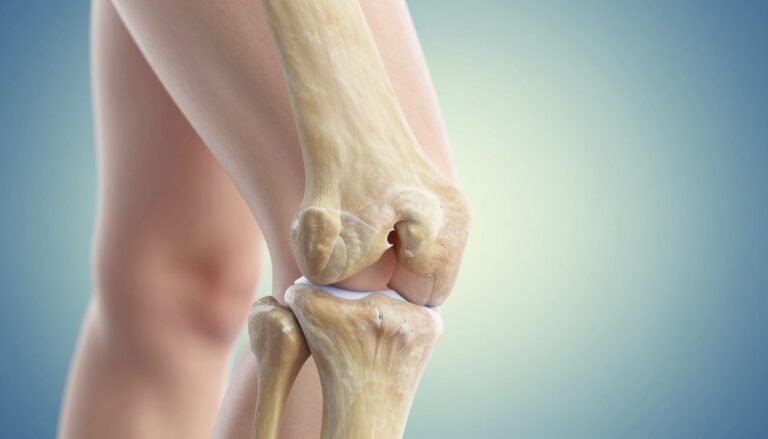

Preparing Your Home Before Orthopedic Surgery: Essential Checklist
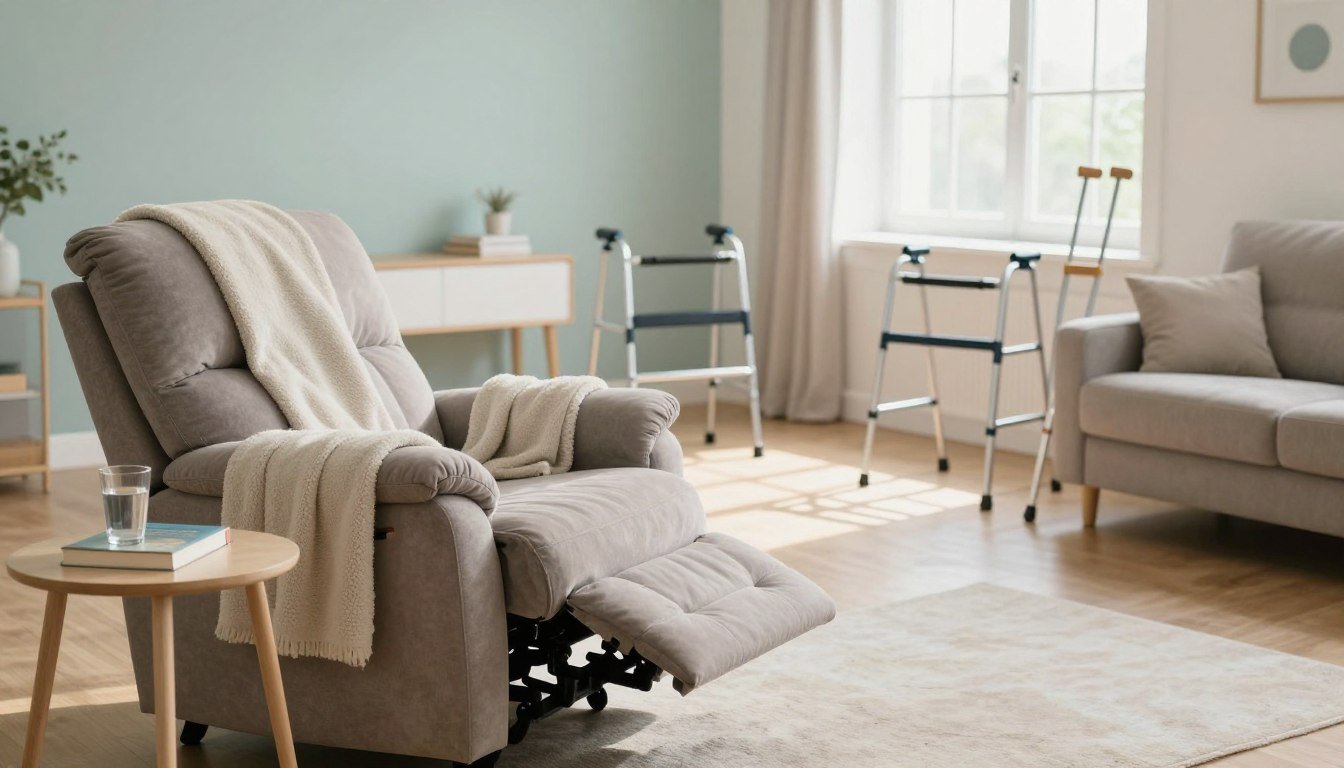
Have you ever wondered which simple changes make the first days after a joint procedure much easier?
I’m Dr. Lokesh Chowdary R, MBBS, MS – Orthopaedics, Managing Director and Senior Orthopedic Surgeon at Boss Multispeciality Hospital on Magadi Main Road, Bangalore near Kamakshipalya and RR Nagar.
Planning and preparing home for surgery is part of recovery, not an optional extra. Small adjustments reduce stress when you return with pain, swelling, or limited bending.
This short guide is written from clinical discharge-day experience and is easy for families to follow. It is aimed at patients facing hip or knee operations, fracture fixation, spine procedures, arthroscopy, or those with arthritis and chronic joint pain who may need an operation later.
Recovery varies by procedure, which joints are involved, other health issues, and how much support you have. I will explain room-by-room safety, essential supplies, support planning, and what to expect in the first days back.
Most items are simple things done ahead of time. They lessen worry and help you focus on healing.
Why home preparation matters for a safer orthopedic recovery
A simple, safe living space reduces risks and helps you focus on healing after an orthopedic procedure. I ask patients to think ahead because a lower-risk environment cuts falls and sudden twists that can increase pain or disrupt early recovery.
How a fall-proof, low-stress setup supports healing
A calm, clutter-free area makes physiotherapy easier. Short walks, basic exercises, and restful sleep are less stressful when pathways and bathroom access are safe.
What I consider when advising patients in Bangalore before discharge
I review the type of surgery, which joints are affected, other medical issues, and how much family support is available. Narrow hallways, mixed floor levels, and bathroom layouts in many Bangalore flats change my recommendations.
- I coordinate with the hospital discharge planner and physiotherapist so instructions match your mobility level.
- I warn about common early challenges: soreness, low mood, constipation from medicines or inactivity, and practical limits on bending.
- Preparing the living area before you return reduces stress in the first difficult days and supports the overall recovery process.
| Scenario | Main Risk | Simple Mitigation |
|---|---|---|
| Knee replacement | Stairs and bending | Set up ground-floor resting area |
| Hip fixation | Twisting and low seating | Use raised chair and toilet seat |
| Spine procedure | Forward bending and lifting | Keep essentials within arm’s reach |
Preparing home for surgery with a room-by-room safety checklist
Before you return, a quick walkthrough can reduce falls and protect healing joints. I will guide you through simple, practical steps to set up each room so daily tasks stay safe and calm.
Whole-home fall prevention
Clear clutter from main walking paths and remove throw rugs or secure them with non-slip pads. Tuck electrical cords behind furniture or use cord covers so a walker or crutches won’t catch.
Lighting for safe night movement
Install nightlights in hallways and the bathroom and keep switches within easy reach. Good low-level light prevents unsafe trips during night-time bathroom visits.
Bedroom and ground-floor recovery area
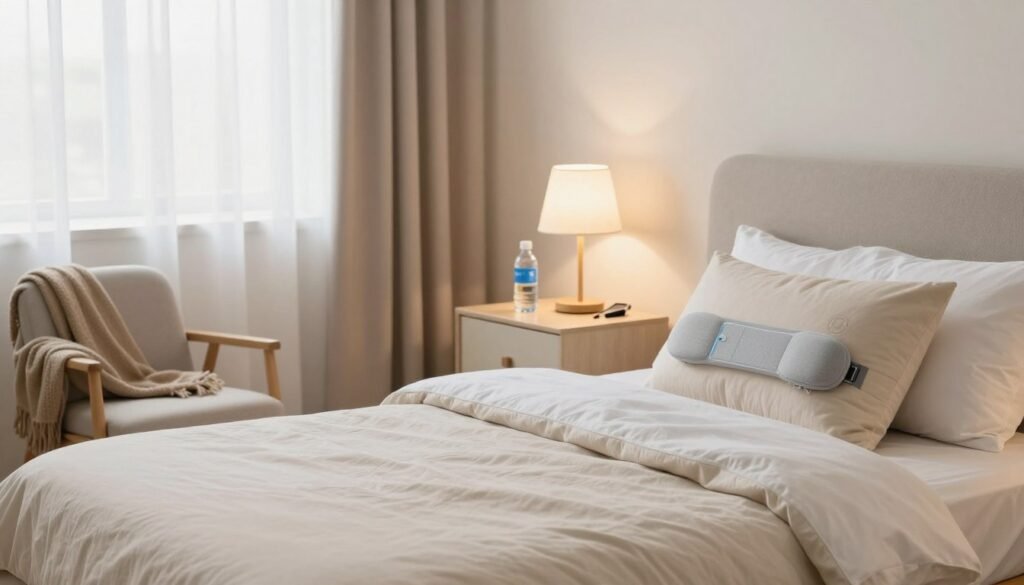
Set the bedroom bed at a comfortable height; a low bed makes standing hard. Put fresh sheets on and keep water, phone, charger, meds, and a small towel within arm’s reach.
If stairs are hard, create a recovery area on the ground floor—a spare room or a quiet corner in the living room with a stable chair and side table works well.
Bathroom, shower, and toilet upgrades
Fit grab bars near the toilet and in the shower. Use non-slip mats, a shower chair, and a handheld showerhead to reduce standing time.
Consider an elevated toilet seat or a commode if deep bending is restricted after hip or knee procedures.
- Kitchen: store daily items at counter height and stock easy meals.
- Living area: choose a supportive chair at the right height and keep one clear resting spot.
| Area | Quick upgrade | Why it helps |
|---|---|---|
| Hallway | Clear pathways | Easy walker turns |
| Bedroom | Raise bed | Safer sit-to-stand |
| Bathroom | Grab bars & chair | Reduces falls, limits bending |
Supplies, support, and planning for the first days back from the hospital
In the first 48–72 hours after discharge you will rely on simple tools and clear plans to keep recovery safe. I tailor advice to each case, based on the procedure, mobility level, and physiotherapy goals.
Assistive devices and practical items
Core supplies I suggest include a reacher/grabber, walker basket or apron with pockets, and loose, easy-on clothing. Pack ice packs in the freezer; a safe DIY mix is three parts water to one part rubbing alcohol in a sealed bag.
TED hose may be advised after joint replacement to reduce clot risk. Follow the hospital’s guidance on when to wear them.
Medications, wound care, and emergency contacts
Keep medications organised and a small wound-care kit near your bed. Place a written discharge list and emergency phone numbers where everyone can see them.
Meals, hydration, and support services
Stock easy-to-digest, protein-forward meals and keep water within reach to lower dizziness and constipation risk. Arrange family help or paid services for bathing safety, laundry, and shopping during the first few days.
- Transport: book a roomy car and a driver who can help with safe entry/exit on discharge day.
- Expect some discomfort, limited mobility, constipation from pain meds, and mood changes—contact me or the clinic if symptoms worsen.
- Physiotherapy-guided steps, patience, and sensible limits usually help steady progress.
| Item | Purpose | When you may need it |
|---|---|---|
| Reacher | Avoid bending | After knee or hip surgery |
| Walker basket | Carry meals and water hands-free | First few days at home |
| TED hose | Clot prevention | As per hospital order |
Conclusion
Small, practical changes around your living area make early recovery easier and less stressful. Setting up a clear, well-lit space and removing trip hazards is one of the simplest ways to reduce avoidable stress.
Focus on a comfortable recovery area, safe bathroom and kitchen access, and good lighting. These things help you follow precautions and make daily tasks safer while you heal.
Remember that each preparation must match the diagnosis and procedure. Recovery differs by age, bone health, arthritis severity, and overall medical condition. Don’t self-decide major restrictions—align your plan with the discharge process and physiotherapy guidance.
If you need a personalised plan, book an appointment at Boss Multispeciality Hospital on Magadi Main Road, Bangalore (near Kamakshipalya and RR Nagar) for a proper orthopaedic evaluation and tailored recovery advice.
– Dr. Lokesh Chowdary R