
How to Get Rid of Acne Fast: Evidence-Based Tips from a Dermatologist
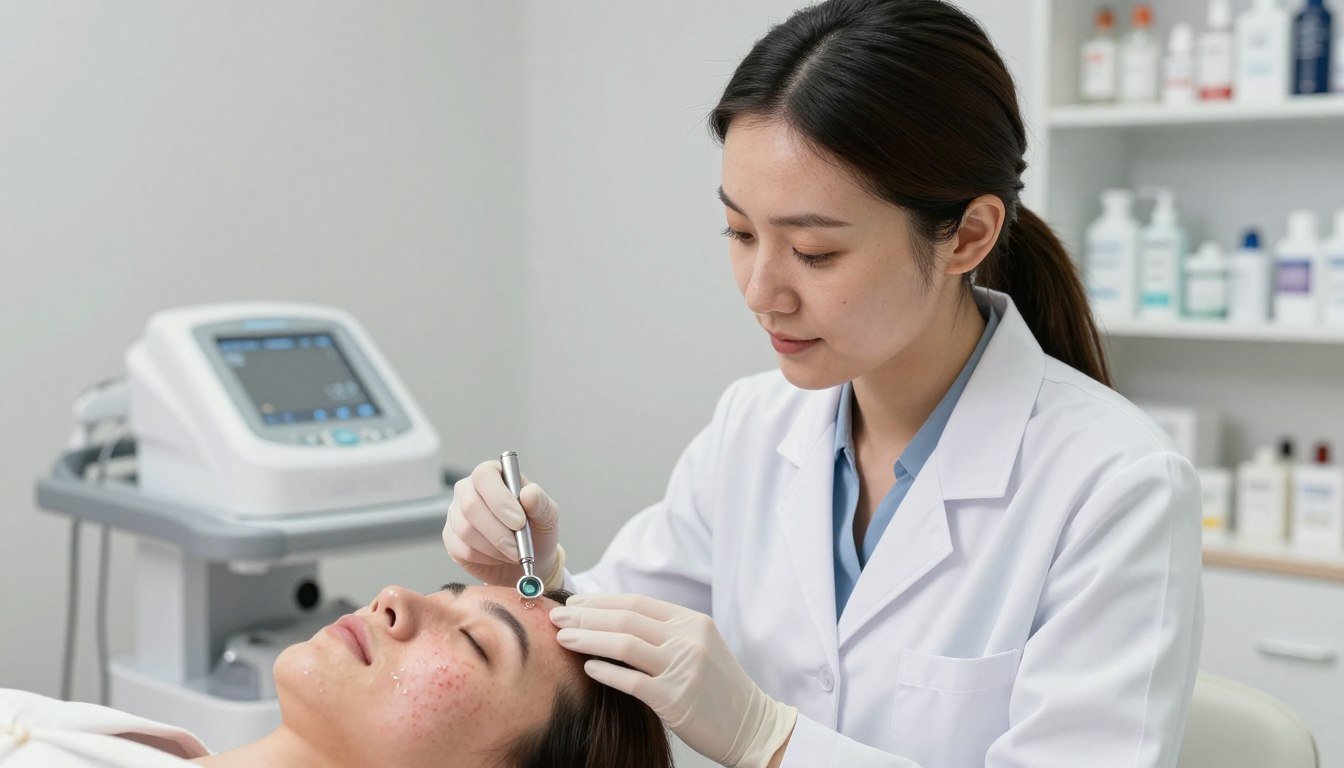
Curious whether a clear, healthy face is within reach without trial-and-error routines?
Acne affects an estimated 50 million people in the United States each year, and many in India seek reliable guidance. We believe planning matters more than quick fixes.
When new pimples appear, consulting a qualified dermatologist can prevent lasting skin damage. Dr. Varsha D.V, consultant dermatologist at Boss Multispeciality Hospital, Bangalore, stresses personalized, evidence-based care for lasting results.
We will help you understand root causes and practical steps for clearer skin. Expect straightforward advice on daily routines, gentle products, and realistic goals that keep breakouts under control.
Read on for calm, professional guidance that respects your concerns and helps you maintain a healthy complexion in everyday life.
Understanding the Root Causes of Acne
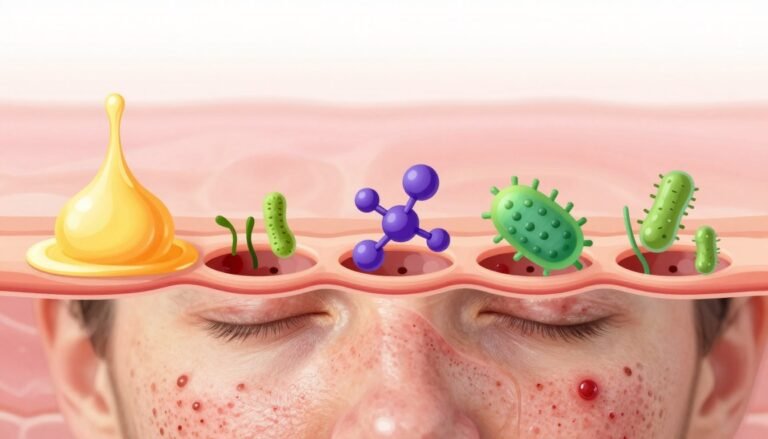
Understanding what fuels breakouts helps you take smarter steps for clearer skin. We look at the biology behind persistent blemishes so you can focus on targeted care.
Hormonal Factors
Hormonal fluctuations often raise levels of IGF-1, a hormone linked with acne development. That rise pushes oil glands to work harder, which can lead to painful pimples.
Dr. Varsha D.V at Boss Multispeciality Hospital, Bangalore, notes that many patients see flare-ups around hormonal shifts. Knowing if hormones drive your breakouts helps us choose the right treatment plan.
Sebum Production
Excess sebum production is a primary driver of clogged pores and subsequent acne formation. When your skin makes too much oil, bacteria find a fertile environment and inflammation can worsen.
- Increased sebum can clog pores and trigger inflamed pimple clusters.
- Targeting oil production and reducing pore blockage prevents new pimples from forming.
How to Get Rid of Acne Fast with Proven Treatments
Proven medical treatments offer the most reliable path toward clearer skin.
Topical agents like salicylic acid and benzoyl peroxide have strong evidence for reducing oil, unclogging pores, and shrinking inflamed blemishes. These treatments are widely recommended by clinicians for steady improvement.
Many people try home remedies first. When over-the-counter options do not clear the face, seeking professional healthcare helps tailor a safe, effective plan.
- Consistent use of prescribed products outperforms sporadic attempts at clearing a pimple.
- Structured treatment addresses skin type and severity, lowering irritation risk.
- Clinicians can combine topical and procedural options for stubborn pimples and acne.
We recommend relying on clinically proven treatments vetted by dermatologists. This approach gives you the best chance to restore healthy skin while protecting long-term tone and texture.
The Role of Topical Ingredients in Clearing Breakouts
Topical treatments are the frontline tools for controlling oil, unclogging pores, and easing inflammation. We focus on three proven ingredients that many clinicians recommend for clearer skin.
Benzoyl Peroxide
Benzoyl peroxide kills acne-causing bacteria and reduces inflammation. It works well for inflamed pimples and can speed recovery when used as directed.
Salicylic Acid
Salicylic acid exfoliates inside pores, helping clear clogs and lower oil buildup. It suits oily and pore-prone skin and can prevent new blemishes from forming.
Niacinamide
Niacinamide soothes redness and improves pore appearance. It pairs well with other products and helps reduce irritation while supporting overall skin tone.
- Use non-comedogenic products so your face and pores stay clear of trapped oil and makeup.
- Apply treatments sparingly at first to limit dryness and irritation.
- Consult Dr. Varsha D.V at Boss Multispeciality Hospital, Bangalore, for tailored ingredient choices.
| Ingredient | Main Action | Best For | Irritation Risk |
|---|---|---|---|
| Benzoyl Peroxide | Kills bacteria, reduces inflammation | Inflamed pimples, moderate acne | Moderate |
| Salicylic Acid | Exfoliates pores, reduces oil | Oily skin, clogged pores | Low–Moderate |
| Niacinamide | Soothes inflammation, refines pores | Sensitive or combination skin | Low |
Dietary Habits That Influence Skin Health
Small shifts in diet often show measurable effects on skin health. Choosing whole grains, fresh vegetables, and fruits helps keep blood sugar steady and lowers inflammation.
High-glycemic foods can raise insulin and increase sebum production. That rise can make skin oilier and raise the chance of pimples and acne flares.
- Eating balanced meals with low-GI carbs may help reduce systemic inflammation and fewer new pimples.
- Dr. Varsha D.V at Boss Multispeciality Hospital, Bangalore, recommends watching daily intake of white rice and sweetened drinks as a practical step to get rid of acne.
- Stabilised blood sugar often lowers oil production, which supports clearer skin over the day.
- We believe nutrition and topical care work together; what you eat affects treatment results.
| Food Choice | Glycemic Effect | Likely Skin Impact |
|---|---|---|
| Whole grains & legumes | Low | Less inflammation, fewer pimples |
| Refined carbs & sweets | High | Higher sebum, more acne |
| Fresh vegetables & fruit | Low–Moderate | Improved skin tone, reduced oil |
For personalised guidance, consult nutrition experts at Boss Multispeciality Hospital, Bangalore. Small, sustained changes often make the biggest difference for skin and overall health.
Managing Stress to Prevent Flare-ups
Stress can change your hormones and make skin problems worse, even when your routine stays the same.
Impact of Cortisol
When you feel stressed, the body releases cortisol. This hormone raises sebum production and can increase inflammation in the skin.
Touching or picking a pimple spreads bacteria and can turn a small spot into a painful, inflamed breakout. Keeping hands away from your face helps prevent that spread.
- Stress raises hormones that increase sebum production and more pimples on your face.
- Good sleep and regular exercise help reduce inflammation and calm hormone shifts, says Dr. Varsha D.V at Boss Multispeciality Hospital, Bangalore.
- Mindfulness, yoga, or brief breathing breaks lower stress and cut the urge to touch skin.
| Trigger | Effect on Skin | Simple Action |
|---|---|---|
| High cortisol | More sebum, worsened breakouts | Improve sleep, gentle exercise |
| Touching spots | Spreads bacteria, increases inflammation | Keep hands away, use spot treatment |
| Chronic stress | Persistent acne flares | Seek clinic support at Boss Multispeciality Hospital, Bangalore |
Benefits of Regular Physical Activity for Your Skin
Physical activity offers a practical way to support clearer skin and reduce oil-related breakouts. Regular movement helps balance hormones in the body that influence sebum and inflammation.

Aim for 150 minutes of moderate exercise per week, as the CDC recommends. This level of activity supports heart and metabolic health and can help lower the risk of persistent pimples.
After a workout, wash your face with a mild cleanser and water. Removing sweat, oil, and makeup prevents trapped bacteria and clogged pores. Dr. Varsha D.V at Boss Multispeciality Hospital, Bangalore warns that skipping this step can raise infection risk.
- Exercise regulates hormones and helps prevent future pimples.
- Use a gentle cleanser after training to clear sweat and makeup residue.
- If you notice exercise-related breakouts, consult the clinic for a tailored post-workout routine.
| Action | Benefit for skin | Practical tip |
|---|---|---|
| 150 min weekly activity | Improved skin tone and fewer breakouts | Spread sessions across the week |
| Post-workout cleansing | Removes oil, sweat, bacteria | Use a mild cleanser and water |
| Hydration and rest | Supports repair and lowers inflammation | Drink water; get regular sleep |
Natural Remedies and Their Limitations
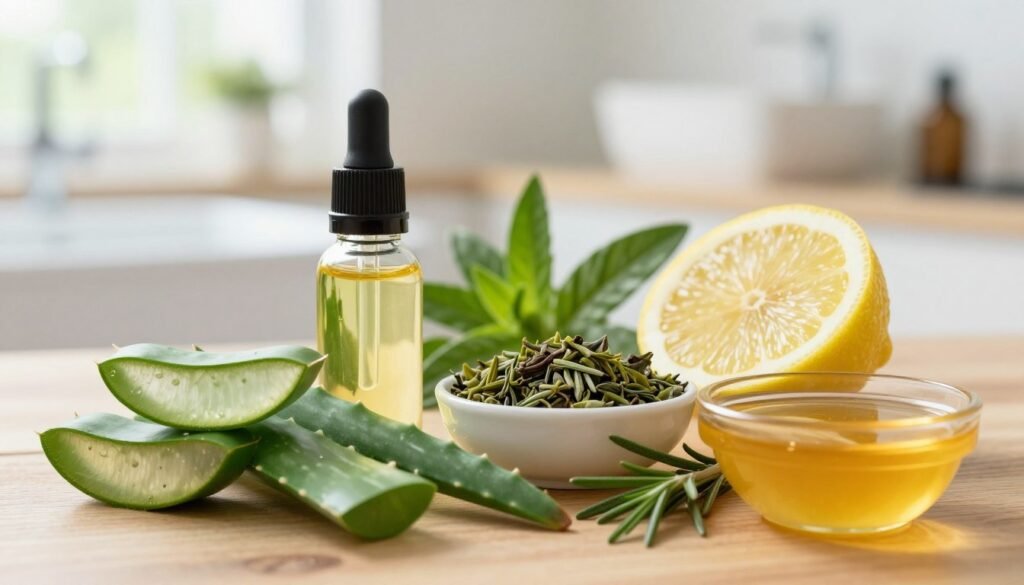
Natural options can support skin health, yet they are not a guaranteed solution for persistent pimples. We want you to use these remedies with caution and realistic expectations.
Tea Tree Oil
Tea tree oil is a potent essential oil with clear antibacterial properties. It can help reduce oil and mild inflammation when used carefully.
Always dilute tree oil with water or a carrier oil before applying. Undiluted use often causes severe irritation and redness.
Green Tea Extract
Green tea extract contains polyphenols that fight bacteria and lower inflammation. Applying products with this extract may help soothe skin and reduce pimples over time.
- Many people try home remedies, but tea tree and green tea have limits for stubborn lesions.
- Dr. Varsha D.V at Boss Multispeciality Hospital, Bangalore, advises dilution of tea tree oil to prevent irritation.
- Although tea tree has antibacterial action, benzoyl peroxide and other medical treatments often clear a persistent pimple more reliably.
- Some natural oils cause photosensitivity or irritation if exposed to direct light without protection.
- Discuss any remedies with a healthcare professional at Boss Multispeciality Hospital, Bangalore before adding them to your routine.
Why Professional Dermatological Care Matters
When over-the-counter steps stop working, expert evaluation changes the outcome for many patients.
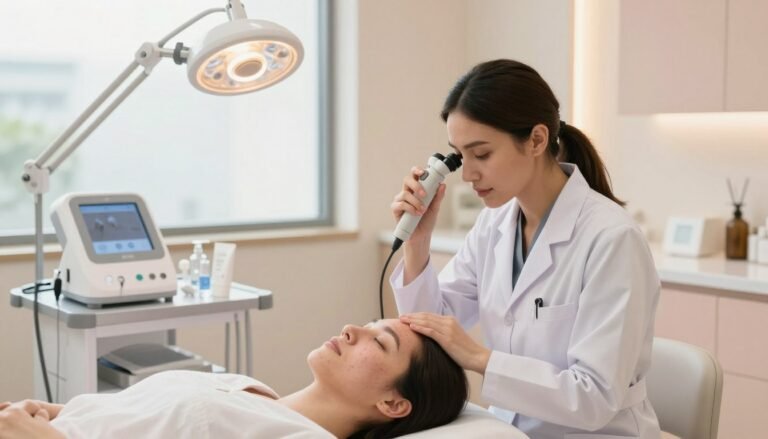
Seeking a qualified dermatologist is recommended if your skin does not improve with basic measures. We see many people whose acne persists or leaves deep marks despite home care.
Dr. Varsha D.V (MBBS, DDVL), consultant dermatologist and dermatosurgeon at Boss Multispeciality Hospital, Bangalore, offers tailored treatments that address root causes. Professional healthcare gives clear options beyond routine choices.
- When OTC approaches fail, a clinical plan reduces pimple frequency and lowers scarring risk.
- Personalised care balances safety and results with advanced treatments suitable for individual needs.
- Early referral prevents long-term damage from severe conditions.
| Care Level | Main Benefit | Who Needs It |
|---|---|---|
| Clinic assessment | Targeted diagnosis | Persistent acne |
| Medical treatments | Stronger, monitored therapy | Moderate–severe cases |
| Procedural options | Scar and lesion management | Longstanding conditions |
Expert Insights from Dr. Varsha D.V
Dr. Varsha D.V (MBBS, DDVL, Consultant Dermatologist & Dermatosurgeon) leads our dermatology team with clear, evidence-based care. Her clinical focus is on personalised plans that match treatment to your skin type and daily life.
We assess each case carefully. This includes a review of medical history, skincare habits, and lifestyle factors that influence skin health. The goal is steady improvement with minimal irritation.
- Dr. Varsha D.V brings years of hands-on experience at Boss Multispeciality Hospital, Bangalore.
- As a practising dermatologist, she favours proven therapies and sensible combinations over trendy fixes.
- Her patient-centred approach balances medical knowledge with clear, kind guidance for daily care.
- If your skin is struggling, you can consult her at Boss Multispeciality Hospital, Bangalore for tailored support.
| Service | What We Check | Expected Benefit |
|---|---|---|
| Clinic assessment | History, triggers, skin exam | Precision in treatment choice |
| Personalised plan | Topicals, routines, follow-up | Safer, steady improvement |
| Procedures | Targeted in-clinic options | Manage stubborn lesions and scarring |
Essential Skincare Practices for Acne-Prone Skin
Keeping skin hydrated and clean helps prevent clogged pores and stubborn breakouts. A gentle routine protects the barrier and lowers inflammation.
Importance of Moisturizing
Moisturizing is vital even for oily skin. We recommend a lightweight, non-comedogenic moisturizer after using a mild cleanser.
Products with salicylic acid help clear pores, but they can dry the skin. Follow salicylic treatments with hydration to avoid irritation and worsening of a pimple.
- Use a gentle cleanser morning and night to remove makeup, sweat, and bacteria.
- Choose non-comedogenic formulas for both moisturizer and makeup.
- Keep a consistent routine; regular care prevents future pimples and reduces inflammation.
- Seek personalised healthcare at Boss Multispeciality Hospital, Bangalore for product choices and conditions that need clinical input.
| Step | Why it matters | Product tip |
|---|---|---|
| Cleansing | Removes oil and bacteria that clog pores | Mild gel or cream cleanser, twice daily |
| Targeted treatment | Helps reduce clogged pores and inflammation | Salicylic acid spot or serum, use sparingly |
| Moisturising | Restores barrier and prevents irritation | Non-comedogenic, water-based lotion |
Conclusion
Clearer skin is a realistic goal when treatment follows a plan based on evidence and careful follow-up. We recommend steady steps, patience, and simple changes that protect your skin barrier and reduce flare-ups.
Addressing root causes helps control acne and each pimple more reliably than random fixes. Use proven products, maintain healthy habits, and seek personalised care when progress stalls.
If you need professional guidance, our team is here for you. Consult Dr. Varsha at Boss Multispeciality Hospital, Bangalore — call +91 9986607601 to book an appointment with a dermatologist who can tailor treatment for your needs.