
Best Exercises for Hip Arthritis Pain Relief (Low-Impact Guide)
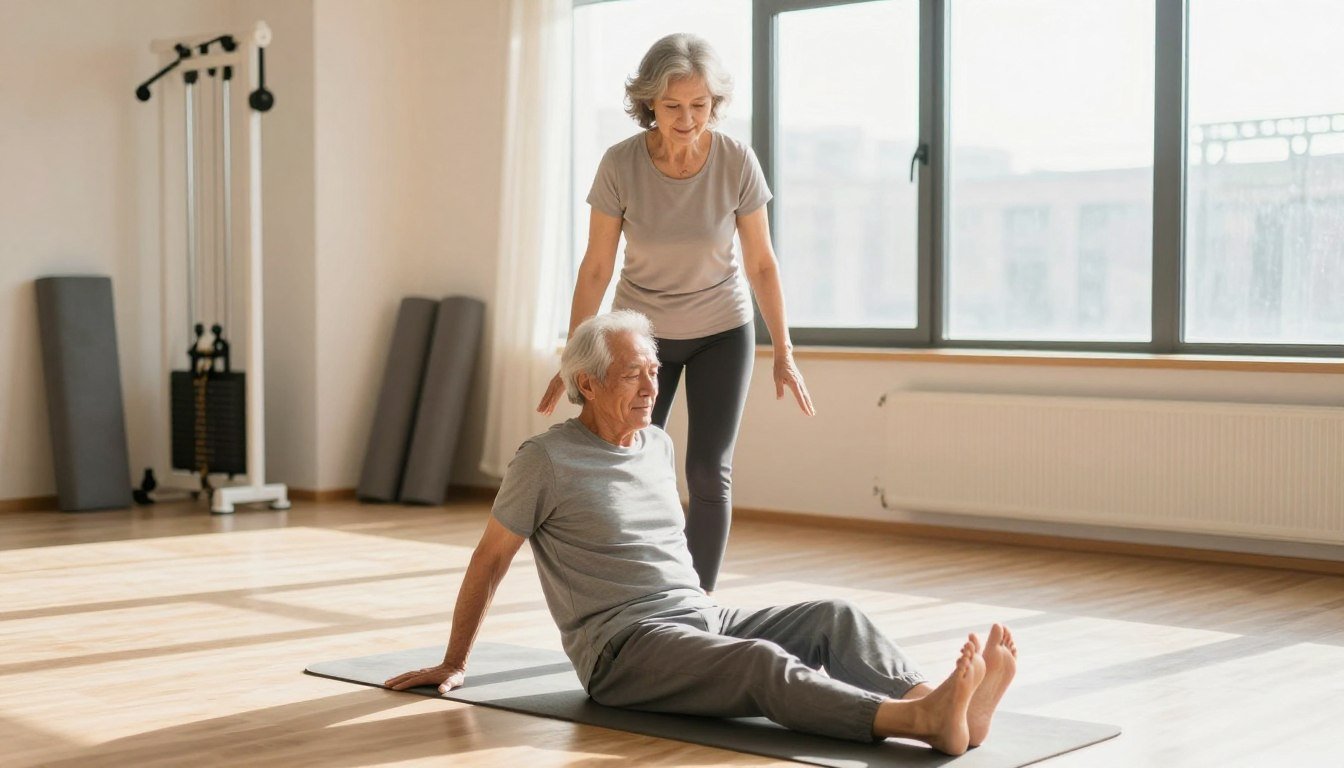
Do you ever wonder whether simple, low-impact movement can really ease chronic joint pain and restore daily function?
I’m Dr. Lokesh Chowdary R, MBBS, MS (Orthopaedics), Managing Director & Senior Orthopedic Surgeon at Boss Multispeciality Hospital on Magadi Main Road, Bangalore (near Kamakshipalya and RR Nagar).
I’ll explain safe, low-impact approaches I recommend and how I guide patients to use them for pain relief and improved mobility.
My focus is on correct diagnosis, conservative care and physiotherapy-led recovery first. Surgery is an option only when needed, and outcomes vary from person to person.
Start in a hydrated state and a safe space. Begin with gentle range-of-motion, then progress to strengthening, functional tasks and stretching, all at a steady pace.
If your pain worsens, your walk changes, or you’re unsure where symptoms come from, please book an evaluation so I can assess your condition and plan next steps.
What I mean by hip arthritis pain and why movement helps
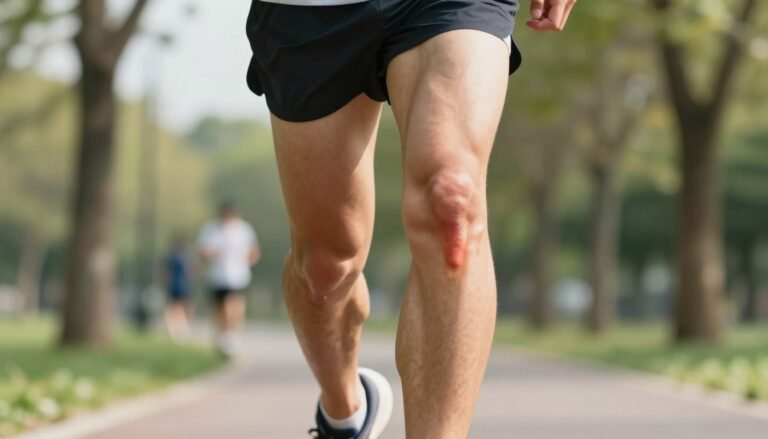
Many people confuse hip pain with lower back or knee trouble. I start by locating the ache and noting patterns. Typical complaints are groin or outer‑hip ache, stiffness after sitting, and trouble rising from a chair or climbing stairs.
Common symptom pattern I see
Patients tell me about reduced range, morning stiffness, pain after prolonged standing, and soreness with leg rotation. These signs point toward joint wear or inflammation.
How strengthening supports the joint
Weak glutes and abductors shift load to other structures. That can overload the knees and strain the lower back during walking. Targeted work to strengthen muscles around the joint improves stability and reduces stress on the worn surface.
Why low-impact is usually safer
Low-impact movement builds strength and control without repeated pounding that can aggravate symptoms. I recommend gradual progression under guidance as part of a plan that may include weight management, physiotherapy, and medical treatment.
| Feature | Typical sign | Clinical impact |
|---|---|---|
| Stiffness | Morning or after rest | Limits mobility and walking |
| Referral pain | Feels like back or knee trouble | Needs careful diagnosis |
| Muscle weakness | Side hip or buttock | Increases joint stress |
Before you start: how to exercise safely with hip arthritis
A few simple precautions make gentle movement safe and more effective. I recommend a short prep routine to reduce risk and keep sessions steady.
Start slow and stay hydrated
Begin with light effort and add a small amount each week. I ask patients to sip water during activity because dehydration raises fatigue and reduces control.
Use stable support and a firm chair
- Clear space and wear stable shoes.
- Keep a firm chair or countertop nearby as support.
- Use a mat on the floor for lying work and keep your feet planted to avoid slipping.
Stretching rules I recommend
Stretch only to a gentle pull. Do not bounce and breathe normally. If you choose to hold seconds during a stretch, keep the effort mild and controlled.
When to stop and when to seek help
Acceptable discomfort is a mild pull or muscle effort; warning signs include sharp pain, catching, or an increasing limp. Stop if pain builds during the session or does not settle after a short recovery time.
| Checklist | Setup | Stop signals |
|---|---|---|
| Clear space | Firm chair available | Sharp pain |
| Stable footwear | Mat on the floor if needed | Increasing limp |
| Plan short sessions | Countertop for extra support | Pain that does not settle |
If you have recent surgery, poor balance, or doubt the proper range to use, please consult an orthopaedic surgeon or physiotherapist for hands-on guidance.
Exercises for hip arthritis to reduce pain and improve range of motion
I introduce these as my “mobility first” moves to ease stiffness, improve range, and make later strengthening safer. Work at a slow pace and stop if you feel sharp pain.
Seated march
Sit tall on a firm chair. Lift one knee to a comfortable height, then lower and switch sides.
Hold a work surface if balance is limited. Do 10–20 gentle lifts, breathing normally.
Knee-to-chest stretch
Lie or sit and bring one knee toward your chest until you feel a mild pull. Hold ~10 seconds and repeat 5–10 times.
If pulling is hard, start with a heel slide to bend the knee before the full pull.
Heel slide and leg straight
On the floor or firm bed, slide your heel toward your bottom to bend the knee, then slide out to a leg straight slowly. Repeat smoothly 8–12 times.
Butterfly and hip rotation drop
Sit with feet together, knees apart and press gently toward the floor. Hold ~10 seconds and repeat 5–10 times.
Lie with knees bent and let one knee drop outward, keeping your back flat. Return slowly and repeat each side 8–12 times.
| What you should feel | Stop signals | Best place |
|---|---|---|
| Mild inner hip or buttock stretch | Sharp front hip pain or increased limp | Floor, mat, or firm chair |
| Improved smooth motion | Nerve tingling or sudden catching | Near a support surface |
| Gentle muscle activation | Pain that does not settle after rest | Quiet, level area |
I recommend physiotherapy guidance if you have recent surgery, major limp, or uncertainty about safe ranges. Consistency matters more than intensity.
Low-impact strengthening for glutes, thighs, and core support
Building targeted muscle strength helps protect the joint and improve walking comfort.
These simple moves focus on the glutes, thighs and core to reduce load during steps and stairs. I recommend learning form with a physiotherapist before adding resistance.
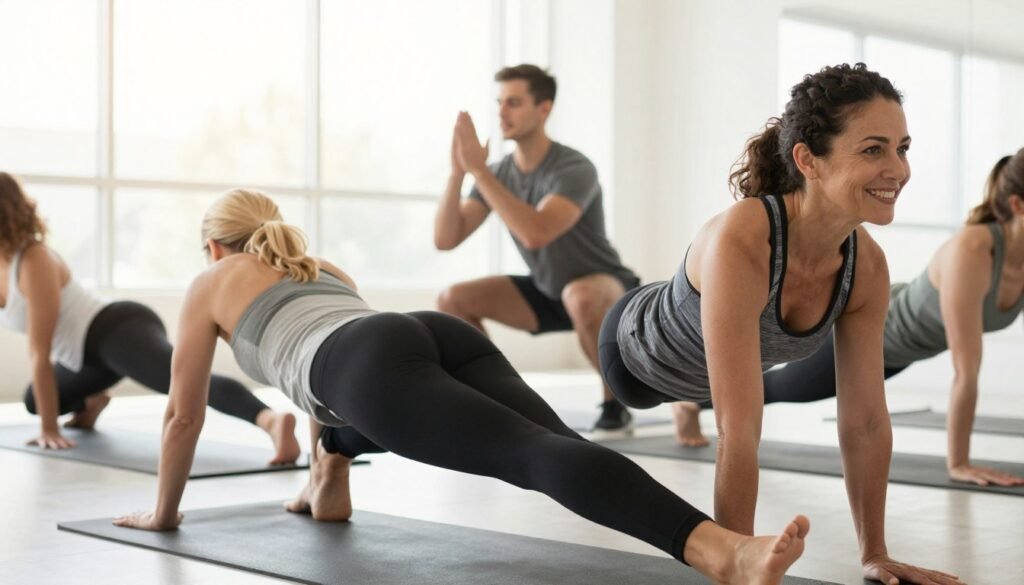
Bridge
Lie on your back with knees bent, feet flat and hip-width apart.
Lift the pelvis and lower back until the hips form a straight line. Hold about 5 seconds, then lower slowly. Aim for 10–15 reps if tolerated.
Pelvic tilt
Place hands under the small of your back. Draw the belly button down to flatten the spine.
Hold 20 seconds to train core control and reduce lower back strain. Repeat as guided by your therapist.
Clam and lateral work
Side-lying with knees bent and feet together, lift the top knee without rolling the pelvis. Do 10–12 reps each side.
Side leg raises: keep the body straight and lift to the side, hold 5 seconds and repeat about 5 times per side.
Standing hip extension
Hold a chair, keep the trunk upright, extend the leg backward with knee straight and squeeze the buttock. Hold ~5 seconds. Do controlled reps and avoid leaning forward.
| Move | Reps / seconds | Key cue |
|---|---|---|
| Bridge | 10–15 reps / 5 seconds | Feet planted, lift smoothly |
| Pelvic tilt | Hold 20 seconds | Flatten lower back, breathe |
| Clam / side raise | 10–12 reps / 5 seconds | Do not roll pelvis |
| Standing extension | 8–12 reps / 5 seconds | Upright position, squeeze buttock |
When bodyweight becomes easy, add light resistance bands or tubes. The last reps should be challenging but pain-free. Quality of movement beats quantity; tailor load to your recovery and work with a physiotherapist to strengthen muscles safely.
Functional exercises that make daily activities easier on your hips and knees
I focus on practical drills that directly improve how you stand, climb and walk at home. These build leg strength, balance and safe mobility without needing heavy gear.
Sit-to-stands: build leg strength safely
Start from a firm chair at an easy level. Use armrests or lean on your hands if needed. Rise slowly, sit with control, and repeat 8–12 times as tolerated.
Progress by lowering the chair height in stages and reducing hand use only when pain stays calm. This trains the pattern you use every time you get up from a chair.
Step-ups: improve stair confidence and control
Begin with a low step and hold a stable support. Step up with the strong foot, pause, then step down slowly. Do 6–10 controlled reps each side.
Increase the step height one small level at a time. Stop if the knees pull inward or walking becomes uneven.
Mini squats and marching with support
Keep feet hip-width and squat only to where the kneecap lines over the big toe. Do not let the knee go past the toes; avoid deeper bends until control is perfect.
March in place holding support, keeping knee height comfortable and breathing steady. Use this as gentle cardio and a balance drill.
- Common mistakes: knees collapsing inward, rushing reps, or pushing depth too soon.
- Integrate these into daily life: a few sit-to-stands before meals or short marching breaks during TV time.
- If your walking pattern worsens, you feel unstable, or pain increases, pause and seek an evaluation for balance, range, or muscle weakness.
| Move | Start level | Progression cue |
|---|---|---|
| Sit-to-stand | High chair, hands | Lower chair slowly, reduce hands |
| Step-up | Low step, hold support | Raise step by one level when calm |
| Mini squat / March | Shallow depth, support | Increase depth slightly; higher march only if stable |
Stretching tight areas that can worsen hip and back strain
Tight front muscles can quietly pull your posture forward and add strain when you stand or walk. Gentle lengthening helps the joint and the lower spine work more smoothly.
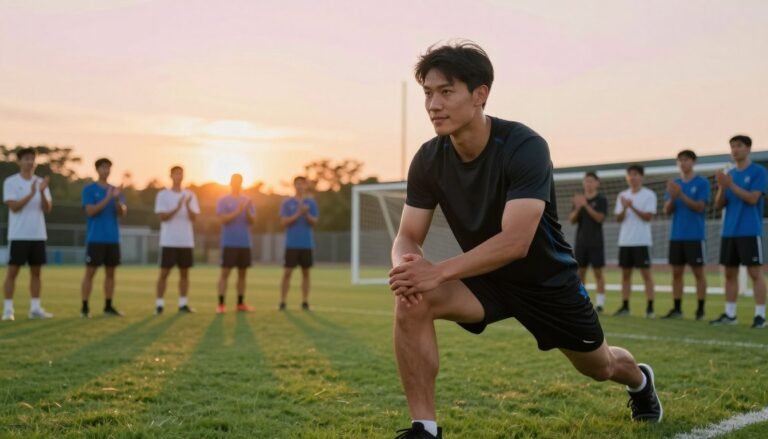
Hip flexor stretch with emphasis on posture
Kneel on one knee with the front foot flat and the other foot behind. Tuck the pelvis slightly and keep your back straight as you shift weight forward until you feel a mild pull in the front of the hip.
Hold about 20–30 seconds and switch sides. Do not bounce; breathe steadily and use hands lightly for balance.
Quadriceps stretch to protect knees and hips
Stand near a chair or wall for support. Gently hold your ankle and draw the heel toward the buttock, keeping knees aligned and the pelvis neutral.
Hold 20–30 seconds, repeat once or twice, and avoid twisting the trunk. Use your hands softly and stop if the knee feels sore.
- Stretch to a gentle pull only, no sharp pain.
- No bouncing; increase depth over time and keep breathing.
- After recent surgery or heavy flare-ups, confirm stretches with your surgeon or physiotherapist.
| Area | Hold | Key cue |
|---|---|---|
| Hip flexor | 20–30 seconds | Back straight, slight pelvic tuck |
| Quadriceps | 20–30 seconds | Knees aligned, gentle hands |
| General | Repeat 1–2 times | No bouncing, steady breath |
How to set reps, seconds, and frequency without flaring pain
A simple dose plan helps you know when to push and when to rest to protect the joint. I use short holds, clear repeat ranges, and planned rest so the body adapts without a flare.
Simple dosage: hold seconds, repeat times, and rest guidelines
Aim for many strength holds at about 5 seconds each and 10–15 times per set for moves like bridges or side raises. Pelvic control moves can use a 20‑second hold seconds when practising core position.
Stretch holds range 10–30 seconds and repeat 5–10 times depending on comfort. Rest 30–60 seconds between sets; increase rest if pain rises the next day.
Progression: floor → chair support → light resistance
Start on the floor to learn control. Move to a chair when balance or pain limits range. Add light resistance bands only when form is steady. Choose resistance so the last few reps feel challenging but doable.
Good soreness versus warning pain
Good soreness is mild muscle fatigue that eases in 24 hours and helps walking and daily tasks. Warning pain is sharp, pinching in the groin, rising limp, or pain that worsens with rest. Stop and seek review if warning signs appear.
Where walking fits as low‑impact cardio
Use walking at a comfortable level as your primary cardio. Start with short durations that leave you mildly tired but not sore. Progress time before speed, and keep stride natural to protect the knee and leg mechanics.
| Element | Typical dose | Progression cue |
|---|---|---|
| Strength holds | 5 seconds, 10–15 times | Good form, minimal pain |
| Pelvic / core | 20 seconds hold seconds, 3–5 times | Control in standing position |
| Stretch | 10–30 seconds, 5–10 times | No sharp pain, gentle range |
| Walking | Start 5–15 minutes, build time | Comfortable pace before speed |
Conclusion
A measured approach that values technique, steady progression and rest aims to calm pain, improve mobility and build lasting strength without forcing the body.
Combine gentle range work, targeted strength, practical movement and light stretching. Use a towel under the knee for short‑arc quad drills or to support position during knee or foot work when needed.
Respect warning signs: stop and seek review if sharp hip pain appears, a limp worsens, or knee or back symptoms do not settle. Individual plans work best.
If symptoms persist or your walking changes, book an evaluation with me, Dr. Lokesh Chowdary R, at Boss Multispeciality Hospital, Magadi Main Road, Bangalore (near Kamakshipalya and RR Nagar) for a tailored, physiotherapy‑guided plan.