
Can You Reverse Arthritis? Treatment Options That Work

Is it realistic to expect a damaged joint to heal back to its original state, or is that a myth we should stop chasing?
I hear this question every day in my hospital in Bangalore. I am Dr. Lokesh Chowdary R (MBBS, MS – Orthopaedics), Managing Director and Senior Orthopedic Surgeon at Boss Multispeciality Hospital on Magadi Main Road.
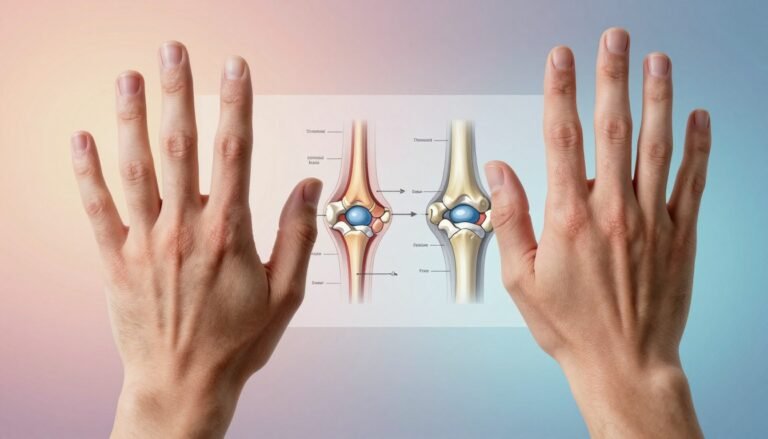
Arthritis is a term for joint inflammation and wear. Osteoarthritis often does not heal fully, but that does not mean people must accept constant pain.
When I say “treatments that work,” I mean measures that reduce pain, restore movement, and protect long-term function. My approach favours correct diagnosis and non-surgical care first.
Which type of arthritis affects you, which joint is involved, and overall health all shape the right plan. Many improve significantly with physiotherapy, medicines, supports, and targeted injections.
My goal is to help patients return to walking, climbing stairs, and daily duties safely—without overpromising results. This article will cover symptoms, risk factors, diagnosis, lifestyle change, physiotherapy, medicines, supports, injections, and surgery.
What I Mean When Patients Ask, “Can You Reverse Arthritis?”
When patients ask whether damaged joints will heal, they usually mean one of three different outcomes. I explain this plainly in clinic so goals match what medicine can realistically offer.
Three different hopes
Some hope for less pain, others want better day-to-day function, and a few expect actual cartilage regrowth. These are not the same thing.
What evidence shows today
Current evidence says osteoarthritis does not fully reverse in most people. Treatment aims to reduce pain, improve motion, and slow further damage over time.
- I focus on symptom control and slowing progression.
- Flare-ups happen even when treatment is right; that is normal.
- Outcomes vary by joint, severity, and other health issues.
| Goal | Realistic Outcome | Common Steps |
|---|---|---|
| Less pain | Meaningful relief with better sleep and activity tolerance | Physio, medicines, braces, injections |
| Better movement/function | Improved walking, stair use, and daily tasks | Strength training, activity change, aids |
| Cartilage regrowth | Limited for most; research is ongoing | Specialised procedures in select cases |
My stepwise approach is simple: confirm diagnosis, start lifestyle and physiotherapy changes, add medicines or devices as needed, then consider injections or surgery if required. I aim for safe, realistic gains rather than promises.
Understanding Arthritis in Simple Terms: Osteoarthritis vs Rheumatoid Arthritis
I explain common joint problems in plain language so my patients understand diagnosis and treatment. Knowing whether the issue is wear-related or immune-driven changes how I manage pain and preserve function.
Osteoarthritis: wear-and-tear of the joint
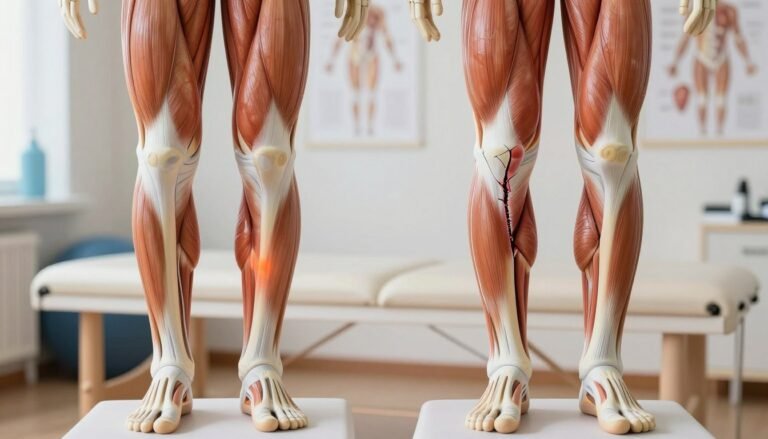
Osteoarthritis is a gradual breakdown of cartilage. The joint loses its smooth surface and movement becomes painful.
This form often affects weight-bearing joints, causing knee pain and hip pain. Non-surgical care like physiotherapy and braces is usually the first step.
Rheumatoid arthritis: an inflammatory, autoimmune form
Rheumatoid arthritis is an autoimmune inflammatory arthritis. The immune system attacks the joint lining, causing swelling, morning stiffness, and ongoing inflammation.
It commonly targets the hands, wrists, and knees. Early treatment matters to prevent joint damage over time.
Why hips, knees, and hands are commonly affected
- Hips and knees take most of the body weight and repeated stress from walking and work.
- Hands show early symptoms like grip weakness and finger stiffness during daily tasks.
- Both wear-related and inflammatory processes may lead to similar pain, so tests guide care.
More than one type at the same time?
Yes, a person may also have both osteoarthritis and inflammatory arthritis. That combination alters the treatment plan and makes accurate diagnosis essential.
| Feature | Osteoarthritis | Rheumatoid Arthritis |
|---|---|---|
| Primary problem | Cartilage wear | Immune-driven inflammation |
| Common sites | Knees, hips, hands | Hands, wrists, knees |
| Early approach | Physio, supports | Anti-inflammatory medicines, referral |
Signs and Symptoms That Suggest Arthritis Rather Than Everyday Joint Pain
In clinic I start by asking when the problem started and how it behaves over time. A few targeted questions help me tell a tired joint from a condition that needs further evaluation.
Pain patterns: constant versus comes-and-goes, day versus night
Some patients have steady pain that limits activity. Others report pain that comes and goes, often worse at night when distractions fade.
Stiffness, especially morning stiffness and after sitting
Stiffness that lasts more than an hour after waking suggests an inflammatory process. Brief stiffness after activity usually points to overuse instead.
Swelling, warmth, and reduced motion
Visible swelling and warmth of the skin over the joint signal inflammation. Reduced motion — like trouble bending a knee fully or making a fist — needs assessment for mechanical block or damage.
Seek review if swelling persists for days, repeated monthly flares occur, or pain limits daily tasks. Symptoms guide next steps, but I confirm findings with an exam and, when needed, imaging or blood tests.
| Feature | Common pattern | What it suggests |
|---|---|---|
| Pain timing | Constant or night-predominant | Likely joint disease needing review |
| Stiffness | Morning >60 minutes | Inflammatory process |
| Swelling/warmth | Red, swollen joint | Active inflammation or infection |
| Reduced motion | Loss of bend or catching | Mechanical damage or advanced wear |
Why Arthritis Happens: Risk Factors I Look For in Clinic
Risk factors act together over years, so I look for patterns in a patient’s history and habits. Family genes and lifetime joint mileage often explain why one person develops pain earlier than another.
Age, family history, and lifetime “miles”
Mother nature and father time both matter. A strong family history raises risk, and repeated use over life wears cartilage slowly.
Weight and load on the knee and hips
Higher body weight increases mechanical stress, especially on the knee and hips. Even modest weight loss often eases symptoms and slows changes in the joint.
Past injuries and repetitive stress
Sports injuries, meniscus tears, fractures, and jobs with long standing or heavy lifting speed wear. I see many patients whose pain began years after an old injury.
Smoking and inflammation
Smoking raises inflammatory risk and links to rheumatoid arthritis severity. Stopping tobacco helps treatment response and overall recovery.
- I assess other conditions such as diabetes or heart disease because they alter safe treatment choices.
- Risk factors do not mean it is too late; they guide a tailored lifestyle and medical plan.
| Risk | How it affects joints | What I do in clinic |
|---|---|---|
| Family + age | Higher lifetime wear | Early monitoring, education |
| Weight | More load on knee and hips | Weight loss strategy, physiotherapy |
| Injury / repetitive use | Faster wear, post-traumatic changes | Targeted rehab, activity change |
| Smoking | Increased inflammation, RA risk | Smoking cessation support |
Getting the Diagnosis Right: Tests That Help Me Decide the Exact Type
Accurate testing is the first step when a joint causes persistent pain or swelling. I explain that naming the exact problem leads to the best treatment, because “arthritis” covers many different conditions.

Physical examination
On exam I look for tenderness points, visible swelling, warmth, and how much motion a joint has. I watch gait and simple tasks to judge real-life function.
These findings tell me whether the problem is mechanical, inflammatory, or both. That guides which tests to order next.
Why I use X-rays first
X-rays are fast and useful for most cases. They show joint space narrowing and bone spurs, which suggest cartilage loss and wear.
When MRI helps
MRI is not routine for wear-related problems, but it helps in complex cases. I order it when soft-tissue injury, unexplained pain, or mismatch between symptoms and X-ray appears.
Blood tests and their role
Blood tests do not diagnose wear, but they help rule out inflammatory causes. When signs point to immune-driven inflammation, tests guide specific treatment choices.
Joint fluid analysis
If a joint is swollen, I may draw a small sample with a needle. Fluid analysis distinguishes inflammatory disease, gout, or infection and changes urgent decisions about care.
- I only order tests that will change management.
- Most steps are quick, safe, and clear the path to effective treatment.
| Test | What it shows | When I use it |
|---|---|---|
| Physical exam | Tenderness, range of motion, swelling | Always first |
| X-ray | Joint space loss, bone spurs | Initial imaging |
| MRI | Soft tissue, complex damage | Unclear or complex cases |
| Blood tests | Markers of inflammation, autoimmune signs | Suspected inflammatory conditions |
| Joint fluid | Crystals, bacteria, inflammatory cells | Marked swelling or infection concern |
can you reverse arthritis with Lifestyle Changes?
Small daily choices shape how much pain and stiffness a joint causes over months and years. I focus on practical lifestyle changes first because many patients gain better motion and less pain without surgery.
Setting realistic goals
I aim for three clear outcomes: reduce pain, improve motion, and slow further damage. Improvement is often gradual; expect weeks to months, not overnight fixes.
Low-impact exercise that helps
Exercise that is gentle on joints builds strength and endurance. Walking, cycling, and swimming or water aerobics suit most people.
Tai chi and gentle yoga improve balance and flexibility. I recommend structured sessions guided by a therapist at first.
Weight loss for knees and hips
Even modest weight loss reduces mechanical stress on knee and hips. Losing 10–12 pounds often eases symptoms and improves function.
Activity modification
Protect joints by pacing activities, using breaks, and swapping high-impact tasks for safer choices. Avoiding complete inactivity is essential, since rest worsens stiffness.
Stress, sleep, and diet
Stress and poor sleep amplify pain, especially at night when distractions fade. Better sleep routines and stress relief help flare control.
Dietary patterns with omega-3 foods, vegetables, and whole grains support overall health. I avoid promising miracle foods, but small diet changes help quality of life.
- Track triggers like long standing, stairs, or long drives to tailor a plan.
- Use lifestyle changes alongside physiotherapy and meds when needed; responses vary by person.
Physiotherapy-Guided Recovery: The Core of Non-Surgical Treatment
Physiotherapy is the backbone of non-surgical treatment because it restores strength and balance around sore joints. I use guided plans to protect cartilage and improve daily movement without immediate surgery.
Strength and stability
I focus on muscle groups that support the joint. For knee pain this means thigh and hip strengthening. Strong muscles reduce load and lower the chance of painful episodes.
Flexibility and motion
Gentle range-of-motion work eases morning stiffness and stiffness after sitting. Regular stretching keeps joints mobile and improves function over weeks.
Posture and gait correction
Posture-related issues often link to back and neck pain. I assess walking, stair technique, and foot mechanics to stop uneven joint loading.
Practical tips for hands and daily tasks
Occupational therapy reduces strain on hands with grip changes, kitchen tools, and task pacing. Small aids make common activities easier each day.
- Consistency matters more than intensity; steady progress beats sporadic effort.
- I tailor programs to work life and local habits in India so patients stick with them.
- Combine physiotherapy with other treatments for best results.
| Focus | Target muscle | Benefit |
|---|---|---|
| Strength | Thigh and hip | Support joint, reduce pain |
| Flexibility | Calf and hamstring | Less stiffness, better motion |
| Gait | Foot mechanics | Even load, protect joints |
Medicines I Commonly Use to Control Arthritis Pain and Inflammation
Medications are tools I use to control pain and limit inflammation while patients follow physiotherapy and lifestyle steps. They help reduce symptoms so therapy and daily activity become possible.
Acetaminophen: mild to moderate relief and safe-use cautions
I use acetaminophen for mild to moderate osteoarthritis pain when stomach or bleeding risk rules out other drugs. It is effective for short-term control.
Do not exceed the recommended daily dose. Overuse risks serious liver damage, so review total intake from all products with your doctor.
Oral NSAIDs: ibuprofen, naproxen — benefits and red flags
NSAIDs reduce both pain and inflammation and often work well for flare-ups. They suit many short-term needs and some chronic presentations.
They increase risk of stomach upset, bleeding, kidney or liver strain, and cardiovascular issues in vulnerable patients. I check age, blood pressure, and other conditions before prescribing.
Topical NSAID gels for localized joint pain
Topical gels target joint pain locally with fewer systemic effects. I recommend them for knees, hands, and other superficial joints when systemic risks exist.
Duloxetine for selected chronic pain
Duloxetine helps when pain becomes chronic and central pain pathways are involved. It may also assist sleep and mood in some patients.
I reserve it for selected cases after assessing other medications, interactions, and side effects.
| Medicine | When I use it | Main benefits | Key cautions |
|---|---|---|---|
| Acetaminophen | Mild–moderate OA pain | Simple pain relief, easy to use | Max daily dose; liver risk if overdosed |
| Oral NSAIDs | Acute flare or inflammatory pain | Reduces pain and inflammation fast | Stomach, bleeding, kidney, heart risks |
| Topical NSAID gel | Localized joint pain (knee, hand) | Lower systemic exposure | Skin irritation; limited depth of action |
| Duloxetine | Chronic sensitized pain | Improves chronic pain pathways and function | Interactions, nausea, sleep changes |
Medication choice depends on time course (acute flare vs chronic), age, other conditions in the body, and treatment goals. Medicines are not a cure; they help control pain and inflammation so therapy, activity, and long-term plans work better. I advise against long-term self-medication without review, since the safest plan is individualized and may change with time.
Supports, Devices, and Pain-Relief Options Beyond Tablets
Using the right brace or walking aid often brings faster relief than extra pills. Simple supports reduce load on sore joints and help people stay active while other treatments work.
Braces, shoe inserts, and offloading
Braces and custom shoe inserts shift weight away from the most damaged area in osteoarthritis. They lower stress with every step and often reduce pain within weeks.
Canes and walkers
Use a cane in the hand opposite the painful knee or hips to cut load on the bad side. Walkers offer more stability when balance or severe pain limits walking.
Heat, cold, capsaicin and TENS
Heat eases stiffness and muscle spasm. Cold helps short-term swelling and post-activity soreness.
Capsaicin cream may reduce chronic pain after regular use; the burning is a normal response that usually fades.
TENS gives short-term relief for some people with knee osteoarthritis and hip pain when applied correctly.
Complementary therapies and supplements
Acupuncture, tai chi, and gentle yoga often lower pain and improve movement. I recommend gentle styles and supervised sessions at first.
Evidence for supplements like glucosamine/chondroitin is mixed. Omega-3s may help inflammation and function. I favour a food-first diet and discuss any supplements with the healthcare team.
- I stress correct technique and safety for all devices.
- These are practical ways to support joint health while other treatments proceed.
| Option | Main benefit | When I suggest it |
|---|---|---|
| Brace / insert | Offloads painful compartment | Early-to-moderate osteoarthritis |
| Cane / walker | Reduces weight on joint | Balance issues or severe pain |
| Topical / TENS | Local pain relief | Short-term symptom control |
When Injections or Surgery Become the Right Next Step
When non-surgical care and medicines no longer control daily symptoms, I discuss clearer step-up options with patients. These choices aim to ease pain, restore function, and protect remaining joint surfaces.
Cortisone injections
Cortisone often gives quick relief that lasts weeks. I limit use to about 3–4 injections per year for a single joint to avoid possible worsening of joint damage over time.
Hyaluronic acid injections
Hyaluronic injections act as lubrication for some people with osteoarthritis. Results vary, and some studies show little benefit above placebo. I select patients carefully when function remains limited despite conservative care.
Surgery options and what they do
Osteotomy shifts knee alignment to unload the more damaged side and delay replacement. Joint replacement removes damaged surfaces and replaces them with metal and plastic parts to restore quality of life.
- Surgical risks include infection and blood clots; I discuss these frankly.
- Rehabilitation is essential. Recovery time differs by fitness, bone quality, and rehab adherence.
| Option | Main goal | When I suggest it |
|---|---|---|
| Cortisone | Short-term pain relief | Acute flare limiting activity |
| Hyaluronic acid | Joint lubrication | Selected osteoarthritis cases |
| Osteotomy | Shift load in knee | Single-side damage in younger people |
| Joint replacement | Restore function, reduce pain | Severe damage affecting quality life |
Conclusion
Most patients benefit from treatment that eases pain and preserves daily life, even if full healing is rare.
I do not promise a cure for arthritis, but I do offer clear steps to reduce joint pain and protect quality of life. Correct diagnosis matters, especially to tell osteoarthritis from rheumatoid arthritis and other inflammatory causes.
Seek evaluation for persistent joint pain, morning stiffness, swelling, warmth, or reduced motion. These symptoms guide tests and a tailored plan.
My foundation plan is simple: sensible lifestyle change, guided exercise and physiotherapy, sensible supports, and staged medical treatments. Diet and whole-food choices, including omega-3-rich foods, help as supportive measures—not miracle fixes.
If conservative care fails, we discuss injections or surgery safely and stepwise. For a proper orthopedic evaluation, visit Boss Multispeciality Hospital, Magadi Main Road, Bangalore (near Kamakshipalya and RR Nagar). I will examine your joints, confirm the condition, and build a personalised plan over time.