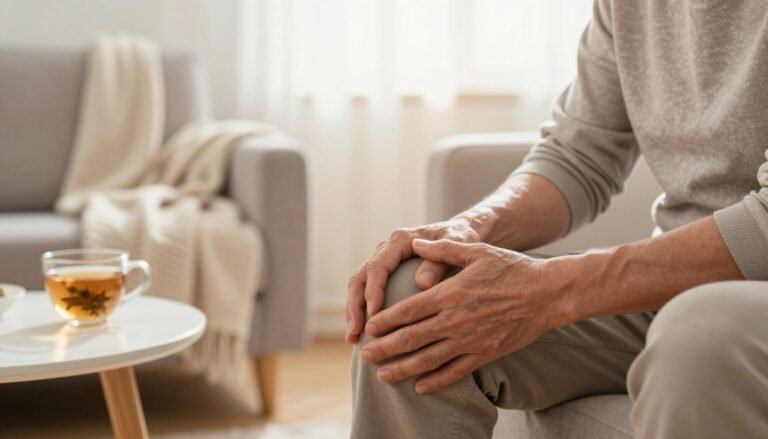

Arthritis Pain Management: Medical and Non-Medical Approaches
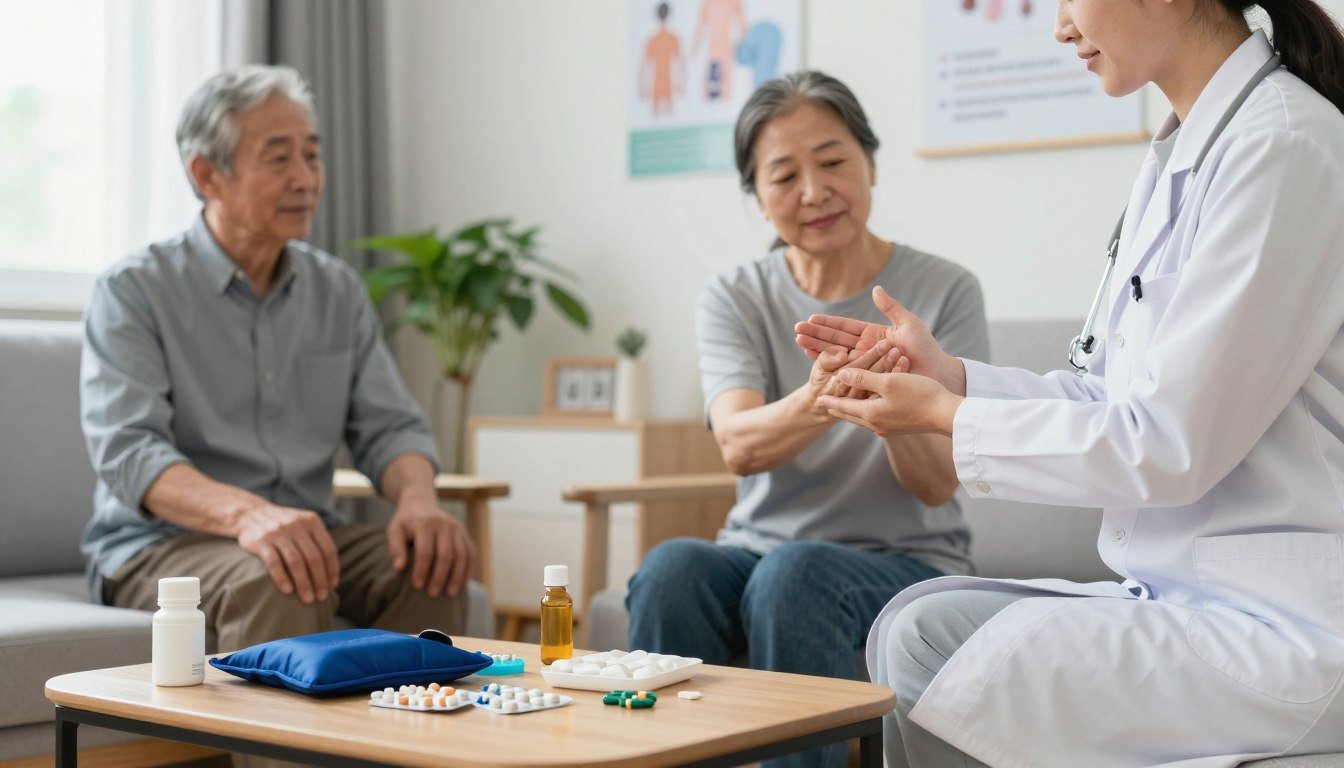
Can a simple, step-by-step plan help you move better and worry less about joint symptoms?
I am Dr. Lokesh Chowdary R (MBBS, MS – Orthopaedics), Managing Director and Senior Orthopedic Surgeon at Boss Multispeciality Hospital on Magadi Main Road, Bangalore. In my clinic I listen, examine, and confirm the cause before choosing treatments.
By “arthritis pain management” I mean reducing discomfort, improving movement, and protecting daily function—not promising a cure. Treatment balances benefit and side effects, and stronger medicines carry higher risk so we review them over time.
My approach rests on two pillars: medical options like selected medications and injections, and non-medical care such as physiotherapy, movement plans, and home measures.
Most people do not need surgery right away. Accurate diagnosis, guided exercise, and smart symptom control help many improve. Plans are individualized, especially when there are concerns like stomach, kidney, heart disease, diabetes, or blood-thinner use.
What I Mean by Arthritis Pain in the Clinic
When you sit in my clinic chair, I listen for specific patterns that explain joint trouble. That helps me decide whether inflammation or wear is the main driver.
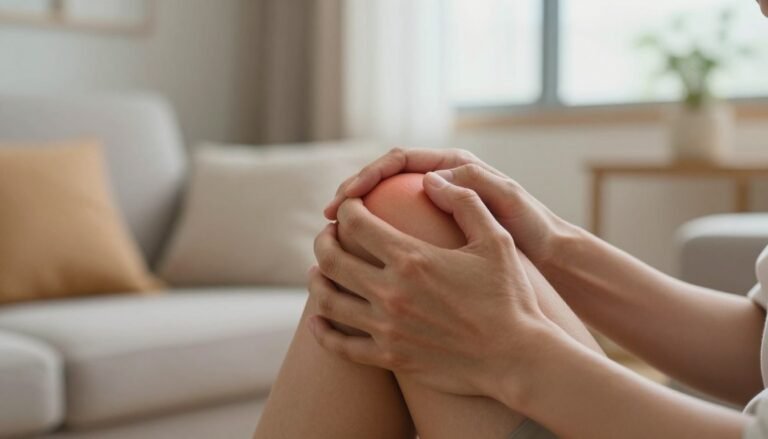
Typical symptoms I ask about are aching with activity, stiffness after rest, swelling or warmth during a flare, and reduced movement. These clues tell me if the problem is mainly inflammatory or due to cartilage wear.
I see problems most often in the knee, hip, hands, shoulders, and back. Knee issues may worsen after walking. Hand trouble can make gripping and opening jars hard. Spine symptoms often feel like back strain or a stiff neck.
- I explain that this is not one single disease; the type matters for treatment and outlook.
- Osteoarthritis shows wear-and-tear and lost cartilage.
- Rheumatoid arthritis is immune-driven inflammation, gout is crystal-driven, and spondyloarthritis affects the spine and pelvis.
| Type | Key feature | Common site | Treatment focus |
|---|---|---|---|
| Osteoarthritis | Cartilage wear, mechanical symptoms | Knee, hip, hands | Load reduction, exercise, local therapy |
| Rheumatoid arthritis | Immune inflammation, morning stiffness | Hands, wrists, feet | Immune modulation, early control |
| Gout | Sudden flares with crystals | Big toe, knee | Anti-inflammatory during flare, uric acid control |
| Spondyloarthritis | Spine/pelvic stiffness, younger onset | Spine, sacroiliac joints | Spine mobility, targeted anti-inflammatories |
Symptoms sometimes mimic tendon or nerve problems, so I confirm the cause before labeling it. That keeps treatment specific and safer for you.
How I Diagnose the Cause Before I Treat the Pain
Diagnosis comes first: understanding the root cause guides every next step.
I start with a short history. I ask when symptoms began, which activities trigger them, whether morning stiffness is present, and how walking, stairs, sleep, or work are affected.
History and physical exam
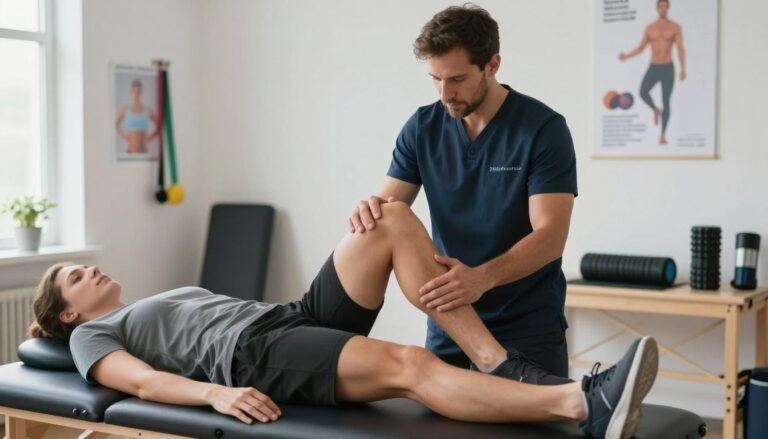
On exam I check for tenderness, visible swelling, warmth, range of motion, and joint stability. These simple tests tell me if the problem is likely joint damage, soft tissue trouble, or nerve-related.
Imaging tests
I use X-ray to look for joint space loss or bone changes. MRI or ultrasound is chosen when I suspect early inflammation, ligament or cartilage tissue injury, or a tendon problem.
Blood tests and ruling out mimics
If the pattern fits inflammatory conditions, I may order ESR/CRP, rheumatoid factor, or uric acid. I also rule out common mimics: sports injuries (meniscus or ligament tears), fractures after a fall, tendonitis around shoulder or hip, and nerve pain coming from the back or neck.
- I explain that confirming “why” prevents unnecessary medicines and missed injuries.
- Every body is different, so the same knee symptom can come from different causes.
- The exam guides the next step and helps match treatment to the correct cause.
| Tool | What it finds | When I use it |
|---|---|---|
| Physical exam | Tenderness, swelling, instability | First visit |
| X-ray / MRI / US | Joint damage, soft tissue, ligaments | If exam suggests structural or early inflammatory issues |
| Blood tests | Inflammation markers, gout indicators | When inflammatory or crystal conditions are suspected |
arthritis pain management With Medicines: What Helps and What to Use Carefully
I use medicines to reduce symptoms enough for you to join physiotherapy and daily activities. Medicines do not cure joint damage but they help control pain and inflammation so other therapies work better.
Simple analgesics and safety
Paracetamol can suit mild symptoms. I check liver risk and other tablet combinations before advising a dose.
NSAIDs and topical options
Oral NSAIDs—ibuprofen, diclofenac, naproxen—reduce inflammation and pain. Topical gels and creams can give local pain relief with fewer systemic effects.
Stronger and targeted medicines
COX-2 inhibitors (celecoxib) may suit patients with stomach sensitivity but require cardiovascular review. I limit tramadol and opioids to short courses and reassess often for side effects and dependence.
Steroids, nerve drugs, and injections
Short steroid courses or single joint injections ease flares; long-term routine use causes harm. Low-dose amitriptyline, gabapentin, or pregabalin help nerve-related symptoms but need monitoring.
| Option | Benefit | Common cautions | When I use it |
|---|---|---|---|
| Paracetamol | Mild pain relief, well tolerated | Liver disease, combo products | Milder symptoms, as a starter |
| NSAIDs / Topical | Reduces inflammation and pain | Ulcers, kidney, heart risk, interactions | Localized or systemic inflammatory signs |
| COX-2 / Opioids | Lower GI risk (coxibs); stronger relief (opioids) | Cardio risk (coxibs); sedation, dependence (opioids) | Selected patients, short term, under review |
| Steroids / Nerve drugs | Rapid flare control; neuropathic symptom relief | Metabolic effects (steroid); drowsiness, dizziness (nerve drugs) | Flares, nerve-dominant symptoms, guided injections |
Physiotherapy and Movement Therapy for Safer, Longer-Lasting Relief
Targeted exercise and guided therapy form the backbone of non-surgical recovery for many joint problems. I focus on movement that protects tissues while restoring function. A tailored plan helps you return to daily life with less flare and better control.

Why stronger muscles help
Stronger muscles reduce load on joints and improve stability. I teach exercises that target key groups so joints bear less stress during common tasks.
For knee examples, strengthening the quadriceps and hip muscles lowers joint strain when climbing stairs, squatting, or standing for long periods.
Low-impact activities I recommend
I favour steady, joint-friendly activities that you can keep doing for years. Consistency matters more than intensity.
- Walking: short, regular sessions that build time slowly.
- Cycling and swimming: low joint load with good cardiovascular benefit.
- Gentle yoga: mobility and balance gains with modifications.
Stretching, hand exercises and safe progression
Short stretching routines ease stiffness and keep range. I show simple hand exercises to preserve grip for daily tasks like cooking or using a phone.
Progress safely: warm up, pace effort, increase duration by no more than 10% weekly, and stop if sharp pain occurs. Mild muscle soreness is expected, sharp pain is not.
Manual therapies and supervised programs
A qualified therapist assesses posture and movement, provides supervised exercises, and may add manual techniques when needed. Sessions teach you how to continue at home and how to adapt activities for lasting relief.
| Activity | Main benefit | Suitable for |
|---|---|---|
| Walking | Builds endurance, easy to start | Early to moderate knee or hip symptoms |
| Swimming/Cycling | Low joint load, cardio and strength | Those needing minimal impact activities |
| Supervised strength | Targets muscles for joint protection | Progressive recovery under therapist guidance |
Non-Medical Pain Relief You Can Use at Home
You can use simple tools at home to ease stiffness and calm swelling after activity. These options are supportive — they help other treatments work better and are not a substitute for medical review when symptoms change or worsen.
Heat for stiffness, cold for swelling
Apply heat before gentle exercises. Warm showers, heating pads, or a short warm bath loosen stiff tissue and improve circulation. Use heat for about 15–20 minutes to make movement easier.
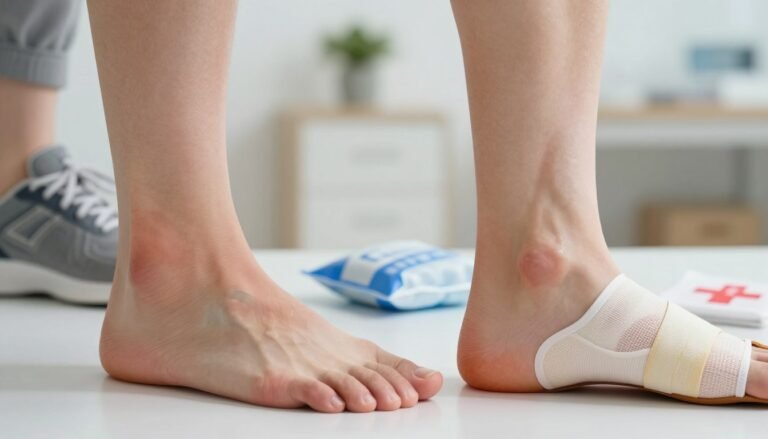
Use cold after walking or heavy use if you notice swelling. Ice packs for 10–15 minutes lower blood flow and reduce swelling. Always protect skin with a cloth and check every 10 minutes.
TENS and how it helps
TENS delivers mild electrical pulses to disrupt pain signals. It can give short-term pain relief when placed correctly.
Get pad placement and settings from a physiotherapist; correct placement and intensity matter for safety and effect.
Water, braces, and soft therapies
Hydrotherapy and warm-water exercises support the body and reduce joint stress. Water workouts let you move with less load on knees, hips, back, and shoulders.
Splints or braces help hands, neck, or foot by positioning and resting the joint. Avoid continuous use to prevent muscle weakening and skin problems.
Acupuncture and massage as add-ons
Acupuncture may help by altering pain perception and releasing endorphins. Massage can reduce tension and improve local blood flow. Use these as supportive options alongside exercise and medical advice.
- Simple home routine: heat before movement for stiffness; cold after activity for swelling.
- Consult your doctor if swelling is persistent, red, hot, or if you have sudden severe symptoms.
Daily Habits That Reduce Inflammation and Joint Stress Over Time
Small, steady daily choices shape how your joints feel over months and years. I focus on habits that support medical care and physiotherapy rather than promising quick fixes.
Weight and low-impact activity
Extra weight increases load on knees, hips, and the spine. Even modest weight loss eases stress during walking and stairs.
Choose low-impact activities — walking, cycling, or swimming — to protect joints while improving fitness and weight control.
Diet basics and vitamin D
Follow an anti-inflammatory diet: more whole foods, vegetables, beans, and lean protein. Adequate protein helps muscle that supports joints.
Some people find triggers (dairy, wheat, caffeine, alcohol) worsen symptoms. Try a short trial-elimination with sensible monitoring, not strict restriction.
Vitamin D sources include fatty fish like salmon, tuna, and mackerel. Test and supplement only on medical advice.
Posture, sleep, stress and smoking
Set screens at eye level, keep shoulders relaxed, back supported, and take brief movement breaks to protect the neck and back.
CBT-style skills — pacing, goal-setting, relaxation — and mindfulness often improve sleep and reduce the stress–pain cycle.
Quitting smoking matters: it raises rheumatoid arthritis risk and links with greater cartilage loss in some diseases.
- I encourage small, sustainable steps practiced over years, tailored to each person’s condition and goals.
When I Consider Procedures or Surgery for Arthritis
I consider surgery when well-delivered non-surgical treatment has not restored useful movement or quality of life. The decision is about your daily function, not X-rays alone.
How I decide a procedure is needed
I look for persistent pain, shrinking walking distance, trouble with stairs, sleep loss, or inability to work or manage home tasks despite good therapy, weight control, and home measures.
Common surgical pathways
- Targeted injections or nerve blocks for specific patterns that limit activity.
- Arthroscopy in select cases—not a routine cure for joint wear but useful for certain tears or loose bodies.
- Joint replacement (knee or hip) when severe joint damage causes major disability and conservative care fails.
Setting realistic expectations
Surgery often reduces pain and improves function, but results vary. Age, bone quality, type of condition, muscle strength, and other problems affect outcomes.
We discuss risks and benefits, recovery time, and likely functional gains so you understand what surgery can and cannot guarantee.
Recovery basics I emphasise
Rehab is physiotherapy-guided: swelling control, staged walking progression, strengthening, and gradual return to activities. Adherence to rehab is a key driver of recovery.
| Decision trigger | Typical pathway | Expected focus after surgery |
|---|---|---|
| Persistent symptoms despite conservative care | Injections → targeted procedures → consider replacement | Restore movement, control swelling, rebuild strength |
| Loss of walking or stair ability | Assess for replacement (knee/hip) | Improve mobility and daily activities |
| Mechanical symptoms (locking, catching) | Arthroscopy in selected cases | Relieve mechanical block and protect joint |
My goal is the least invasive effective way to improve your life. I recommend surgery only when it is medically required and likely to help your recovery and activity goals.
Conclusion
Start with a clear goal: more movement and better daily function, not a promise of a cure. I focus on finding the true cause, then matching treatment to the type of joint problem.
Most people do best with non-surgical care first — guided exercise, weight control, home measures, and carefully reviewed medicines. This combined approach often brings lasting relief for swelling, stiffness, and pain.
If symptoms limit sleep, work, or walking, seek evaluation early. Procedures or surgery are chosen only when needed and after we set realistic recovery goals.
To discuss a personalised plan, book an appointment with me, Dr. Lokesh Chowdary R, at Boss Multispeciality Hospital, Magadi Main Road (near Kamakshipalya and RR Nagar), Bangalore.