
How Does Arthritis Affect Sleep? Tips for Better Rest

Have you ever wondered why joint pain seems louder at night and robs you of good rest?
I am Dr. Lokesh Chowdary R, MBBS, MS – Orthopaedics, Managing Director and Senior Orthopedic Surgeon at Boss Multispeciality Hospital on Magadi Main Road, Bangalore. I explain in a calm, simple way how arthritis and sleep often interfere with each other.
Good-quality rest supports physical and mental health. Most adults need about six to nine hours, and falling asleep usually takes under 30 minutes.
In clinic I see stiffness and discomfort that show up once patients settle into bed. This can turn a manageable day into a restless night.
In this guide I will outline clear steps: identify likely causes, improve routines, adjust sleeping position, use physiotherapy-guided recovery, and consider treatment choices only when medically required.
If trouble persists, see a doctor — other conditions may be involved. My goal is better rest and better function, not perfection.
Why sleep matters when you have arthritis
Good nightly rest has a direct effect on how well your joints recover and how you feel the next day. I focus on simple changes that help healing, conserve energy, and make daily tasks easier.
How good night sleep supports healing, immunity, and mental well-being
Rest helps tissue repair, hormone balance, and immune function. This matters when joints or soft tissues are irritated after activity, injury, or surgery.
Restorative rest also protects mood. Low mood and anxiety often make pain feel worse, which slows recovery and reduces the quality of life for many people.
Why getting enough sleep can help you manage pain better
Getting enough sleep reduces daytime fatigue and improves concentration. You cope better with discomfort when you are rested, so physiotherapy and daily activity become more effective.
- Better repair overnight means fewer night flare-ups and easier mornings.
- Improved immunity makes the body less reactive to ongoing inflammation.
- Less fatigue lowers the tendency to focus on pain and boosts rehab progress.
How arthritis pain disrupts night sleep
The quiet of night can make even small aches feel much bigger. I see three main reasons why people wake or fail to settle when joints act up.
Pain, stiffness, and inflammation that feel worse in bed
Less movement in bed, cooler air, and attention on the body raise awareness of discomfort. Inflammation can cause a deep ache or throbbing that prevents relaxation.
Fatigue, stress, and mood that keep the body alert at night
Mental tension and low mood keep the nervous system on edge. Even when you are tired, worry or pain-related stress can stop you from drifting off.
How lack sleep lowers your pain threshold
Repeated poor rest makes the same problem feel harsher. The result is a cycle: poor rest increases sensitivity, which causes more night symptoms.
The role of the central nervous system in pain sensitivity
The central nervous system can amplify signals. Over time it may start to register light touch as painful. That’s why I focus on clear diagnosis before changing treatment.
- Less movement and quiet make pain more obvious at night.
- Inflammation often feels like a deep ache that hinders rest.
- Addressing both the joint issue and sleep problems works best.
Common sleep problems I see in people with arthritis
Many patients describe a few predictable night problems that change how well they rest. I use these patterns to decide what to examine, which questions to ask, and which tests might help.
Trouble falling asleep, waking often, or waking too early
Some people take longer than 30 minutes to fall asleep. That signals a problem with routine or pain timing.
Others wake repeatedly during the night. Repeated awakenings often link to stiffness after long stillness or to discomfort in the bed position.
Waking too early can mean the body’s clock is off or that pain flares at a certain time.
Not feeling refreshed even after enough sleep
Patients sometimes log six to nine hours yet feel unrefreshed. Fragmented rest, breathing issues, or periodic limb movements can reduce rest quality and cause daytime fatigue.
- I listen for when symptoms start, which joints hurt, and what makes pain worse.
- Brief awakenings once or twice are normal if you fall back quickly.
- Long awake periods, daytime sleepiness, or frequent pain awakenings need attention.
When arthritis and sleep issues might signal something more
Some night problems that seem joint-related may actually come from other causes that need a different approach. I encourage safe evaluation rather than guessing.
Restless legs and periodic limb movements
Unpleasant urges to move or jerking limbs can mimic joint restlessness. These conditions often worsen at night and disrupt rest.
Triggers include caffeine, alcohol, smoking, low iron or vitamin levels, certain medicines, and high stress. Simple changes help many people.
Snoring and possible sleep apnea
Loud snoring, choking at night, daytime tiredness, or paused breathing may signal obstructive sleep apnea. Risk rises with excess weight, long-term nasal blockage, smoking, or diabetes.
- Evaluation can include overnight oxygen or a sleep study.
- Treatment ranges from weight measures to CPAP or surgery if needed.
Nighttime cramps and medication links
Cramps may come from diuretics, statins, or electrolyte loss rather than the joint. Gentle stretching, hydration, and checking medicines can help.
If night problems are frequent, please see a doctor so we can find the correct cause and target treatment safely.
Start with accurate diagnosis before changing treatment
My first step is a focused history: which joints hurt, how long stiffness lasts, and what time pain reaches its worst. I use simple questions to map symptoms, daily routines, recent injuries, and medicine timing.
What I ask about symptoms, joints involved, and timing
I ask which joints bother you most, whether one side is worse, how long morning stiffness lasts, and if pain wakes you at night. This tells me if the pattern is inflammatory or wear-related.
Clues that suggest rheumatoid arthritis versus other types
Symmetrical joint pain, especially in both hands, wrists, or knees, points toward rheumatoid arthritis. Fatigue and feverish feelings can support that diagnosis.
How I check for related neck, back, posture, and nerve-related pain
I examine the neck and spine, test nerve signals, and review posture; nerve irritation from the cervical spine can mimic joint pain in the limbs. Old sports injuries or past fractures often change mechanics, so I factor those in before I change any treatment.
- I tailor non-surgical plans and physiotherapy to the findings.
- Clear diagnosis guides medicine timing and rehabilitation choices.
My practical bedtime routine for getting good night sleep with arthritis
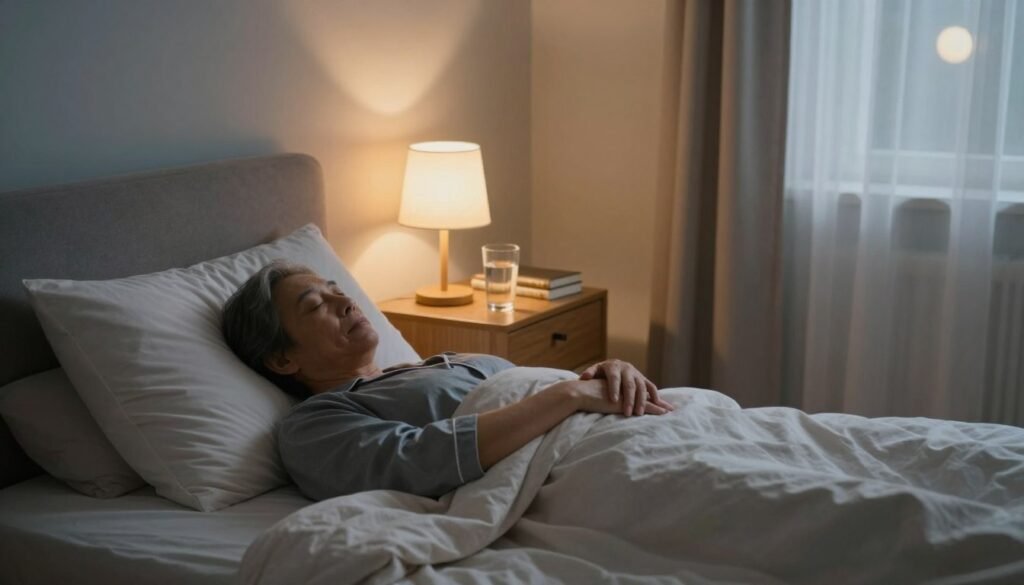
I recommend a simple bedside routine that I use with patients to lower night flare-ups and ease rest. Start with the environment, then calm the mind, and finally support your joints before you get into bed.
Keep the room calm, dark, and screen-free
Dim lights an hour before bed. Put phones away and silence bright screens to prevent your brain from thinking it is daytime.
Use a consistent sleep schedule
Wake and sleep at the same time most days. Natural morning light helps reset your clock and makes it easier to fall asleep at night.
Warm bath and gentle joint care
A warm shower or bath 30–60 minutes before bed eases stiffness. Use a soft pad or extra pillow to support sore areas while you rest.
If you can’t fall asleep without anxiety
Don’t watch the clock. Get up and do a quiet, non-stimulating task for a short time. Return only when you feel drowsy.
Simple sleep diary on a pad
Keep a paper pad by the bed. Note bedtime, wake time, ease of falling asleep, pain or mood, and evening food or drinks. This helps spot patterns we can change.
- Calm the room (30–60 minutes before).
- Warm bath, gentle stretches, support sore joints.
- Quiet time off screens; write worries on the pad.
- Go to bed at the same time each night.
| Action | Best time | Benefit |
|---|---|---|
| Dim lights / no screens | 30–60 minutes before bed | Reduces alertness, helps melatonin release |
| Warm bath / shower | 30–60 minutes before bed | Eases stiffness, lowers muscle tension |
| Paper diary (pad) | After waking or before bed | Identifies triggers to help improve sleep |
Best sleeping positions and pillow support for painful joints
Small changes in how you lie down at night can cut joint pressure and ease pain.
I explain simple steps so your spine stays neutral while sore areas rest. Choose a position that reduces direct load on the affected joint and use pillows to keep alignment.
Side guidance for shoulders, hips, knees
When you sleep on your side place a thick pillow under the head to keep the neck level. Put one or two pillows between knees to stop the top leg from rotating the hip. For a painful shoulder hug a small pillow close to the chest to prevent forward roll.
Back alignment: neck, knees, lumbar
Lying on the back works well if you use a neck-support pillow and a soft pillow under the knees. A small roll at the lower spine keeps the lumbar curve gentle and reduces pressure on the hips and knees.
Why stomach position can worsen neck and back
Prone resting forces head rotation and lumbar extension for hours. That increases strain on the neck and lower spine and often raises night pain. I generally advise avoiding this long-term.
Hand, wrist, foot support options
For hand or wrist pain brief use of a nighttime splint or compression glove may help, but check with your doctor first. For foot or ankle soreness try light top-of-foot padding or compression stockings on a side lie to ease circulation.
| Position | Key pillow support | Primary benefit |
|---|---|---|
| Side | Head pillow, knee pillow, chest bolster | Keeps hips aligned; protects shoulder |
| Back | Neck pillow, pillow under knees, lumbar roll | Neutral spine; reduces hip/knee load |
| Stomach | Thin head pillow only (if unavoidable) | May increase neck and lower back strain |
Daytime habits that improve sleep quality at night
What you do by day has a big effect on how well you rest at night. Daytime routines influence your circadian rhythm and nervous system arousal, which in turn shape night recovery.
Aerobic exercise and why timing matters
I recommend regular aerobic exercise like brisk walking, cycling, or swimming to help improve sleep. Aim for at least 30 minutes most days; steady effort that raises your heart rate benefits recovery and mood.
Finish moderate or intense activity at least two to three hours before bed. Late vigorous sessions can leave the body alert and stiff, making it harder to relax at night.
Caffeine, alcohol, and smoking—practical guidance
Avoid caffeine after midday. Tea, coffee, cola, chocolate, and energy drinks can quietly disrupt night rest even when you feel alert.
Alcohol may make you drowsy at first but it lowers sleep quality and often causes early waking. Cut back in the evening to reduce night fragmentation.
Nicotine can cause insomnia and withdrawal at night. If quitting is hard, reduce evening use to help your body settle.
Eating sensibly so hunger or heavy meals don’t disturb rest
Eat a balanced dinner that avoids very heavy or oily meals close to bedtime. Large meals and alcohol can trigger reflux and interrupt rest.
If you feel hungry late, choose a light snack with protein and complex carbs to avoid spikes and drops in blood sugar overnight.
- I focus on lifestyle changes that help improve sleep without medicines.
- Regular daytime exercise, timed right, reduces stress and helps the body restore at night.
- Simple food and drink choices in the late day make a measurable difference by night.
| Habit | Recommended timing | Benefit |
|---|---|---|
| Aerobic exercise | Morning or early afternoon | Boosts mood, aids night recovery |
| Caffeine cutoff | After midday | Reduces alertness at night |
| Light evening meal | 2–3 hours before bed | Prevents reflux and late hunger |
Physiotherapy-guided recovery to reduce night pain
Therapist-led mobility and strength work helps the body keep joints safe while you lie down. I focus on calm, steady progress rather than pushing through sharp pain.
Gentle mobility and strengthening for knees, hips, and spine
I use gentle range-of-motion drills and graded strengthening to improve joint mechanics. Better muscle support around knees and hips eases load and lowers night pain.
Posture-related issues: neck and back alignment that affects rest
Poor posture strains discs, facets, and nerves when you lie down. I retrain posture and core control so the neck and back stay neutral at night, which helps getting good night rest.
Sports injuries, old fractures, and targeted rehab
Old injuries change joint loading and can speed wear in specific areas. Targeted rehab corrects the pattern instead of using generic exercise. This often delays or removes the need for surgery as the main treatment.
| Focus | What I do | Expected result |
|---|---|---|
| Mobility drills | Slow joint rotations, nerve glides | Improved range, less nocturnal pain |
| Strength | Low-load, progressive sets | Better support for knees and back |
| Posture | Postural retraining, ergonomic advice | Less nerve irritation when lying down |
Nighttime pain relief options that may help without over-relying on medicines
Simple, non-drug measures often reduce discomfort at night and may help you rest better. I start with what the joint feels like, then match cold or heat and add calm routines to lower arousal before bed.
Cold for hot, inflamed joints; heat for stiffness
Use a cold compress for short, hot flares. Apply for 10–15 minutes with a thin cloth between skin and pack.
Use a warm pad for tight, stiff joints before you get into bed. Limit heat to 15–20 minutes. Check skin frequently to avoid burns, especially in older adults or those with numbness.
Relaxation, breathing, and stress downshift
I teach a short routine to help with getting good rest. Try six slow breaths in and out for two minutes, then gentle muscle release from toes to neck.
When you can’t sleep, avoid watching the clock. Get up and do a calm task. Return only when drowsy to break the worry–bed link.
- I’ll help you choose cold versus heat based on symptoms and skin sensitivity.
- Use timing and protection to reduce the risk of irritation.
- Short meditation or breathing exercises lower stress and the perceived effect of pain.
| Method | When to use | Benefit |
|---|---|---|
| Cold compress | Hot, swollen episodes | Reduces inflammation and soreness |
| Heat pad | Morning stiffness or pre-bed tightness | Improves flexibility, eases muscle tension |
| Relaxation breathing | Before bed or at night awakenings | Reduces stress, aids sleep onset |
These are practical tips that may help you get a good night without leaning on pills. If pain persists or skin changes occur, see a clinician for further care.
Medication timing and safety considerations for arthritis-related sleep disturbance
When nighttime pain interrupts rest, small timing changes to medicines can make a clear difference. I review medicines as part of a wider plan that includes physiotherapy and lifestyle steps.
NSAIDs and other pain relievers: how timing can affect nighttime pain
NSAIDs such as ibuprofen or naproxen reduce pain and stiffness. Taking the last dose with or after food shortly before bed can blunt a night flare while protecting the stomach.
Paracetamol with or without low-dose codeine may ease sleep onset but may not last all night. Avoid formulations that include caffeine near bedtime.
Steroids and sleep: why dosing time matters
Oral steroids can raise alertness if taken late. I usually recommend morning dosing when possible to protect the body clock and help you get enough sleep.
Sleep medicines and sedatives: why I avoid long-term use when possible
Hypnotics like temazepam or zolpidem can help short-term but carry dependence and daytime grogginess risk. I avoid long-term prescriptions, especially in older patients, and prefer non-drug measures first.
When amitriptyline, gabapentin, or pregabalin may be considered
For nerve-sensitivity pain or fragmented rest, low-dose amitriptyline given a few hours before bed can help pain and promote good sleep without a strong morning hangover if timed right.
Gabapentin or pregabalin may reduce nocturnal nerve pain; dosing times vary and must be tailored by a doctor. Review medicines that cause cramps, such as diuretics or statins, and adjust under supervision.
| Drug class | Timing tip | Key safety notes |
|---|---|---|
| NSAIDs (ibuprofen, naproxen) | Last dose with food near bedtime | Watch stomach, kidney, BP; avoid if high risk |
| Steroids (oral) | Prefer morning dosing when possible | Late doses can disrupt sleep and mood |
| Hypnotics / sedatives | Short-term use only; take at bedtime | Risk of dependence, falls, daytime drowsiness |
| Amitriptyline / gabapentin / pregabalin | Often taken evening or a few hours before bed | May help nerve pain; adjust dose for side effects |
Medication plans must be individual. If you cannot get enough sleep despite basic measures, let us reassess diagnosis, inflammation control, and possible coexisting disorders before adding long-term drugs.
Conclusion
A clear plan that links daytime care with bedside routines usually improves night recovery. I focus on diagnosis-first care, physiotherapy-guided recovery, and non-surgical steps before considering surgery.
If you are regularly waking in pain or finding lack sleep despite good habits, see a doctor for review. Neck, back alignment, medication timing, or rheumatoid arthritis patterns can change night sleep quality.
Simple practical tips help: refine your bedtime routine, adjust sleeping posture (side support, correct pillow), keep a small pad for notes, and time day exercise well.
For a personalised plan, book an appointment with me, Dr. Lokesh Chowdary R, at Boss Multispeciality Hospital, Magadi Main Road, Bangalore (near Kamakshipalya and RR Nagar). Recovery differs for everyone; I will tailor care to your needs.