
Why Is My Hair Falling Out? A Dermatologist’s Complete Guide
Have you noticed more strands on your pillow or brush and felt alarmed? This single question brings many people to our clinic in Bangalore, seeking clear, calm answers.
We aim to explain hair loss in simple terms so you can take the next steps with confidence. We break down common triggers—from genetics to stress, nutrition, and scalp health—and show which signs need urgent care.
Our approach blends evidence-based facts with practical advice you can use today. We respect your concerns and provide clear next steps, tests, and treatment options so you feel supported every step of the way.
Understanding the Normal Hair Growth Cycle
Daily strand loss can feel unsettling, but it often reflects a normal cycle. We want to reassure you with clear facts so you can tell normal day-to-day loss from a problem that needs care.
The Anagen Phase
The anagen phase is the active growth period for hair follicles. Cells divide quickly and the strand lengthens. This phase lasts years for many people and supports steady growth.
The Telogen Phase
The telogen phase is a resting stage. Each day, a small number of follicles enter telogen and then shed naturally. It is normal to lose up to 100 hairs per day.
- Normal daily loss helps keep the scalp healthy and does not usually signal a serious condition.
- If many follicles move prematurely into telogen, you may see increased shedding known as telogen effluvium.
- Understanding this cycle helps you notice when to seek a professional evaluation.
| Phase | Role | Duration | When it becomes a problem |
|---|---|---|---|
| Anagen | Active growth | Years | Shortened by illness or genetics |
| Telogen | Resting and natural shedding | Weeks to months | When many follicles enter telogen at once |
| Telogen Effluvium | Excessive hair shedding | Weeks to months | Often follows stress, illness, or nutritional change |
Why Is My Hair Falling Out?
When shedding increases noticeably, it usually reflects one or more identifiable causes.
Hair loss can stem from hormonal changes, thyroid disorders, certain medicines, or low nutrients in the diet. Autoimmune conditions such as lupus can also trigger loss by affecting follicles.
Alopecia areata is an autoimmune condition where the immune system attacks follicles and causes sudden patches of loss. Telogen effluvium causes excessive hair shedding after a physical or psychological stress event. Both can start quickly and worry you.
- Identifying the specific trigger helps us choose the right treatment plan for you.
- Sudden patchy loss often points to alopecia areata and needs prompt evaluation.
- Widespread shedding after illness, surgery, or major stress suggests telogen effluvium.
- Not all types hair loss are permanent; many respond well to targeted treatments.
| Condition | Typical pattern | Common trigger |
|---|---|---|
| Alopecia areata | Sudden patchy loss | Autoimmune activity |
| Telogen effluvium | Diffuse shedding | Physical or psychological stress |
| Hormonal/thyroid causes | Gradual thinning | Hormone changes or thyroid disorder |
By reviewing your medical history and daily routine, we can pinpoint likely causes and suggest suitable treatments. If you experience hair loss suddenly or it affects your confidence, please seek assessment so we can help plan the next steps.
Genetic Factors and Pattern Baldness
Genetics often shape how and when thinning begins, and many people notice a steady pattern over years.
Androgenetic alopecia is the inherited condition behind male female pattern changes. It affects nearly one in two people and follows predictable stages.

Androgenetic Alopecia
This common condition causes gradual thinning and reduced growth from affected hair follicles. In women, thinning may spread across the top of the head and often becomes more noticeable after menopause due to hormonal shifts.
- Genetic factors are the main causes hair loss for many individuals.
- Treatments such as topical minoxidil and oral finasteride can help stimulate growth and preserve follicles.
- Early assessment of the scalp helps us identify the male female pattern and plan suitable treatments.
We focus on a tailored plan that considers your pattern, age, and overall health. With timely care, progression can often be slowed and thinning hair managed with medical options and follow-up.
Hormonal Changes and Their Impact
Shifts in hormones during key life stages often change how much hair you shed.
Hormonal changes after childbirth or during menopause can trigger noticeable hair loss in many women. Fluctuations in estrogen, progesterone, and testosterone alter the growth cycle and may push more follicles into a resting phase.
We assess whether these internal shifts are the main cause when you report thinning. Often the pattern can mimic female pattern or early pattern baldness, so careful evaluation matters.
- Significant hormonal shifts, such as postpartum changes or menopause, commonly cause temporary loss.
- Lower estrogen and progesterone or relative androgen rise affect shedding and growth timing.
- Identifying hormonal triggers helps us choose blood tests and targeted treatments.
| Trigger | Key hormone | Typical pattern |
|---|---|---|
| Postpartum | Estrogen drop | Diffuse shedding weeks to months |
| Menopause | Estrogen decline | Gradual thinning, may mimic female pattern |
| Hormonal imbalance | Androgens | Thinning at crown and central scalp |
We aim to provide a clear assessment and a plan that addresses the root cause and supports scalp recovery.
Nutritional Deficiencies and Diet
What you eat every day has a direct effect on strand strength and scalp health.
Low levels of iron, zinc, and vitamin D are common deficiencies linked to hair loss. A diet that lacks adequate protein can raise the risk of excessive hair shedding over time.
Iron and Protein Intake
Iron supports oxygen delivery to follicles. Low iron levels can trigger diffuse loss and more visible shedding.
Protein provides the building blocks for strands. We advise steady protein across meals to support growth and reduce thinning.
Vitamin D and Mineral Levels
Vitamin D and zinc also affect follicle health. Deficiencies may slow regrowth and worsen thinning in susceptible people.
- We may suggest blood tests to check iron, vitamin D, and zinc levels when you report increased hair loss.
- A balanced diet with lean protein, legumes, green leafy vegetables, and fortified foods supports scalp health.
- Addressing nutritional gaps often helps treatment plans restore volume and strength over months.
| Nutrient | Role | Common sources |
|---|---|---|
| Iron | Follicle oxygenation | Red meat, lentils, spinach |
| Protein | Strand structure | Eggs, dairy, legumes |
| Vitamin D / Zinc | Follicle regulation | Fortified milk, nuts, sunlight |
The Role of Stress in Hair Shedding
Sustained tension and sudden trauma to the body can push many follicles into a resting phase, raising visible shedding.

Both chronic psychological stress and acute physical events, such as surgery or serious illness, speed up the growth cycle and can lead to noticeable hair loss. This change often shows as diffuse thinning rather than discrete patches.
We take a holistic view. Lifestyle changes—regular exercise, improved sleep, and simple meditation—help balance the body and reduce the effect of stress on follicles.
- High levels of stress disrupt the normal cycle and can cause temporary loss.
- Many patients report increased shedding after major life events or illness.
- Stress management is a key part of treatment and supports recovery over months.
| Type of Stress | Common Trigger | Usual Effect |
|---|---|---|
| Chronic psychological | Work, grief, anxiety | Gradual diffuse thinning |
| Acute physical | Surgery, severe illness | Marked shedding after weeks |
| Lifestyle change | Poor sleep, low activity | Worse scalp health and slower regrowth |
Most stress-induced hair shedding is temporary. We will help identify if stress is the main cause hair changes and plan steps to support regrowth and overall scalp wellbeing.
Medical Conditions Affecting Scalp Health
Medical problems sometimes show first as scalp changes rather than other symptoms. Early signs may be subtle—small, round patches, scaly areas, or brittle strands that break easily.
Autoimmune Triggers
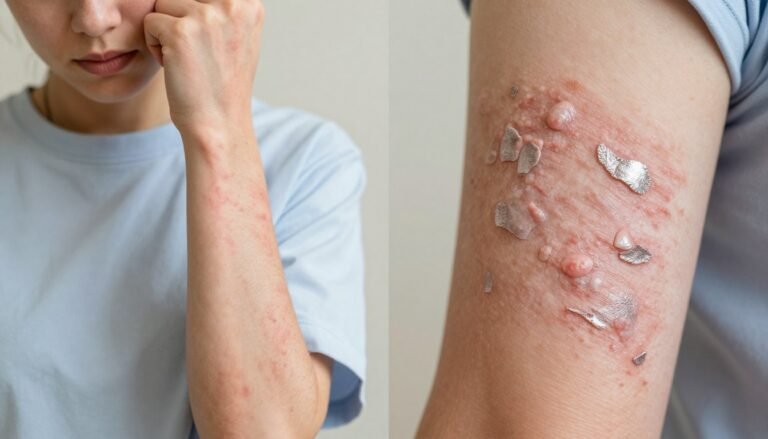
Autoimmune diseases such as lupus can damage the scalp and cause patchy hair loss and lesions. These conditions need specialised evaluation and tailored management.
Alopecia areata occurs when the immune system targets hair follicles, producing sudden round patches. Prompt diagnosis helps us choose the right treatment and support regrowth.
- Various medical conditions, including lupus, can directly harm the scalp and lead to significant loss.
- Ringworm of the scalp (tinea capitis) is a fungal infection that makes hair brittle and causes temporary patches.
- We offer targeted tests and treatments to diagnose complex conditions and guide recovery.
| Condition | Typical sign | Common approach |
|---|---|---|
| Alopecia areata | Sudden patchy loss | Topical or injectable immunotherapy, monitoring |
| Lupus-related scalp disease | Scaly lesions, thinning | Systemic care with dermatologist and rheumatologist |
| Tinea capitis | Brittle hair with round bald spots | Oral antifungals and scalp care |
If you notice scaly patches or unusual thinning, please have your scalp examined. Early assessment helps us identify the causes and start effective treatment tailored to your condition.
Medications and External Triggers
Some medicines and daily styling choices can trigger more shedding than you expect.
Certain drugs — including beta-blockers, some antidepressants, and anticonvulsants — may cause hair loss for a number of patients. Chemotherapy causes rapid, noticeable loss during treatment, though regrowth often follows once therapy ends.
We review your prescriptions to see if any medicines could be causing hair shedding. When needed, we discuss safe alternatives with your treating doctor to reduce this side effect.
External triggers matter too. Tight braids, ponytails, and repeated chemical treatments can damage the scalp and lead to thinning over time. Gentle styling and reduced chemical exposure help protect follicles and support recovery.
- Identify medicines that may cause hair loss and consider alternatives with your physician.
- Limit tight hairstyles and harsh chemical procedures to reduce scalp damage.
- If you’re undergoing chemotherapy, we offer guidance to manage loss and support regrowth when treatment ends.
| Trigger | Common examples | Usual effect |
|---|---|---|
| Medication | Beta-blockers, antidepressants, anticonvulsants | Diffuse shedding over weeks to months |
| Cancer therapy | Chemotherapy agents | Rapid, widespread loss during treatment; regrowth often follows |
| External styling | Tight hairstyles, harsh chemical treatments | Breakage, localized thinning, scalp irritation |
Our goal is to identify all possible causes — including medication-related factors — so we can build a clear treatment plan. We combine medical review with practical scalp care to help you regain strength and confidence.
Professional Diagnosis at Boss Multispeciality Hospital
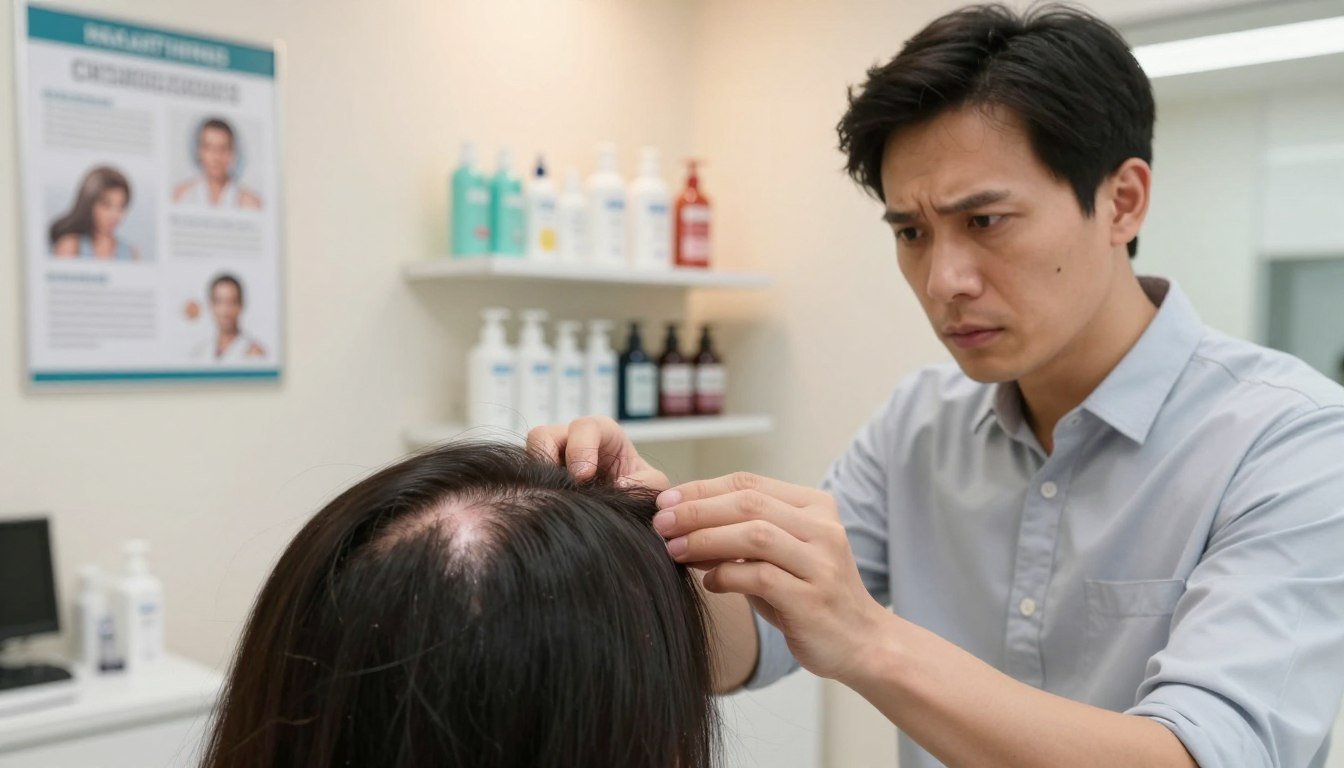
A clear diagnosis starts with a careful clinical assessment and focused tests. We combine your history, scalp exam, and targeted investigations to find the main cause of hair loss.
Expert Care with Dr. Varsha D.V.
At Boss Multispeciality Hospital, Bangalore, we provide professional diagnosis and personalised care for all types of hair concerns. Our team focuses on practical steps that suit your lifestyle and expectations.
- Dr. Varsha D.V., MBBS, DDVL, Consultant Dermatologist & Dermatosurgeon, brings specialist experience in diagnosing scalp conditions and planning treatments.
- We use dermoscopy, blood tests, and hair pull or trichoscopy when needed to identify specific patterns of loss.
- Our approach blends evidence-based medical treatment with supportive care to encourage healthy growth and reduce further loss.
- Choosing Boss Multispeciality Hospital gives you access to a multidisciplinary team committed to restoring confidence through clear, patient-centred care.
| Service | Purpose | Outcome |
|---|---|---|
| Clinical scalp exam | Identify pattern and signs | Targets correct diagnosis |
| Dermatoscopy / Trichoscopy | Visualise follicles | Refines choice of treatments |
| Blood tests | Check nutritional and hormonal factors | Guides medical and supplement plans |
Conclusion
Timely assessment and small lifestyle changes can make a big difference for scalp recovery. We know that hair loss and excess shedding can feel upsetting for many people in a single day.
Identifying causes hair loss—such as hormonal changes, telogen effluvium, alopecia areata, nutritional deficiencies or medical conditions—lets us choose targeted treatments. Stress, pattern baldness and male female pattern differences affect hair follicles and thinning, so a clear plan matters.
Support growth with a balanced diet rich in iron, manage stress, and seek dermatology care for persistent or excessive hair shedding. We invite you to consult Dr. Varsha at Boss Multispeciality Hospital, Bangalore — Call +91 9986607601 to Book an Appointment.
FAQ
What are the common causes of excessive hair shedding?
Several factors can trigger increased shedding: genetic pattern hair loss (androgenetic alopecia), telogen effluvium after illness or a major life event, autoimmune conditions such as alopecia areata, nutritional shortfalls like low iron or protein, hormonal changes including thyroid dysfunction or menopause, certain medications, and scalp infections. A focused clinical assessment helps identify the likely cause.
How does the normal hair growth cycle work?
Hair grows in cycles with three main phases. The anagen phase is active growth, lasting months to years. The catagen phase is a short transition. The telogen phase is a resting phase when hairs shed naturally. Disruptions that push more follicles into telogen lead to noticeable thinning.
What is androgenetic alopecia and how does it affect men and women?
Androgenetic alopecia, often called pattern baldness, is a hereditary condition influenced by hormones. In men it commonly causes a receding hairline and crown thinning. In women it usually causes diffuse thinning over the top of the scalp while preserving the frontal hairline. Treatments differ by sex and severity.
Can stress really cause noticeable thinning?
Yes. Emotional or physical stress can trigger telogen effluvium, where many follicles enter the resting phase simultaneously, causing increased shedding two to three months later. Reducing stress, improving sleep, and targeted care can help hair recover over several months.
Which nutritional deficiencies most often contribute to thinning?
Low iron and inadequate protein intake are frequent contributors. Vitamin D deficiency and low levels of zinc or biotin can also play a role. We evaluate diet and order blood tests when needed, then recommend dietary changes or supplements tailored to lab results.
How do hormonal changes influence shedding?
Hormonal shifts such as those from pregnancy, childbirth, menopause, or thyroid disorders affect the growth cycle. For example, postpartum telogen effluvium occurs after childbirth when many hairs shed as hormones normalize. Treating underlying hormonal imbalances reduces ongoing loss.
Could a medication I take be causing my scalp to thin?
Yes. Several drugs — including some blood thinners, certain blood pressure medicines, mood stabilizers, and chemotherapy agents — can cause hair loss. If a medication is suspected, we review risks and alternatives with your prescriber before making changes.
What role do autoimmune conditions play in patchy hair loss?
Autoimmune conditions like alopecia areata cause the immune system to target hair follicles, producing round, often sudden patches of hair loss. Treatment options include topical or injected medications and, in some cases, systemic therapy depending on extent and activity.
When should I see a dermatologist for hair loss?
See a dermatologist if you notice sudden or heavy shedding, patchy loss, scalp symptoms (itching, burning, flaking), rapid progression, or if the change affects your wellbeing. Early evaluation improves chances for effective intervention.
What diagnostic tests will a specialist order?
A dermatologist may perform scalp examination, pull tests, dermoscopy, and blood tests for iron studies, thyroid function, and vitamin levels. In unclear cases, a scalp biopsy can confirm the diagnosis and guide treatment.
What treatment options are available for thinning and pattern loss?
Treatments vary by diagnosis and include topical minoxidil, oral finasteride for eligible men, low-level laser therapy, platelet-rich plasma injections, and addressing nutritional or hormonal causes. Autoimmune cases may need corticosteroid injections or other immunomodulatory therapies.
How long does it take to see improvement after starting treatment?
Hair regrowth is gradual. Some improvement may appear after three to four months, with clearer results by six to twelve months. Consistent follow-up helps adjust therapy and set realistic expectations.
Can lifestyle changes help reduce shedding and support regrowth?
Yes. Balanced protein-rich meals, adequate iron and vitamin D, stress management, good sleep, and gentle hair care reduce breakage and support healthy follicles. Avoiding harsh chemical treatments and tight hairstyles also protects hair.
Are treatments different for children and adults?
Yes. We tailor evaluation and therapy to age, underlying cause, and safety. Some medications used in adults are not appropriate for children, so pediatric-focused approaches and careful monitoring are essential.
What can patients expect from a consultation at Boss Multispeciality Hospital?
We provide a compassionate, evidence-based assessment led by dermatology experts. Dr. Varsha D.V. and the team perform a thorough history, scalp exam, necessary tests, and discuss personalized treatment options with clear follow-up plans.
Are there effective options for long-term management of pattern-related thinning?
Yes. Long-term strategies include approved topical and oral therapies, lifestyle optimization, and procedural options when appropriate. Regular monitoring helps maintain results and adjust treatment as needs change.