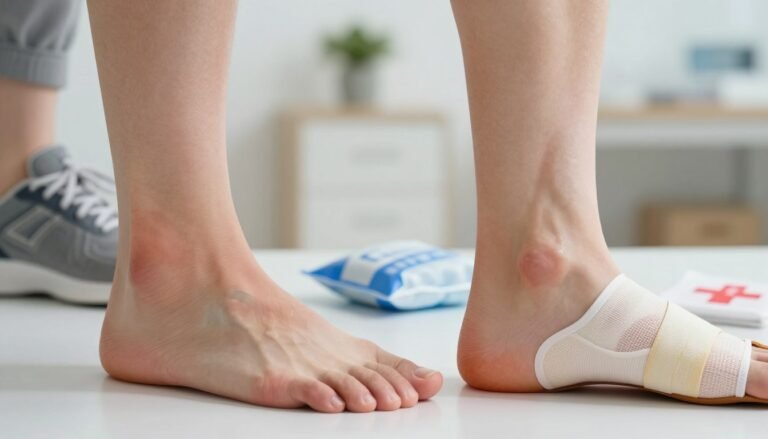

Total Knee Replacement Recovery Timeline: Week-by-Week Guide
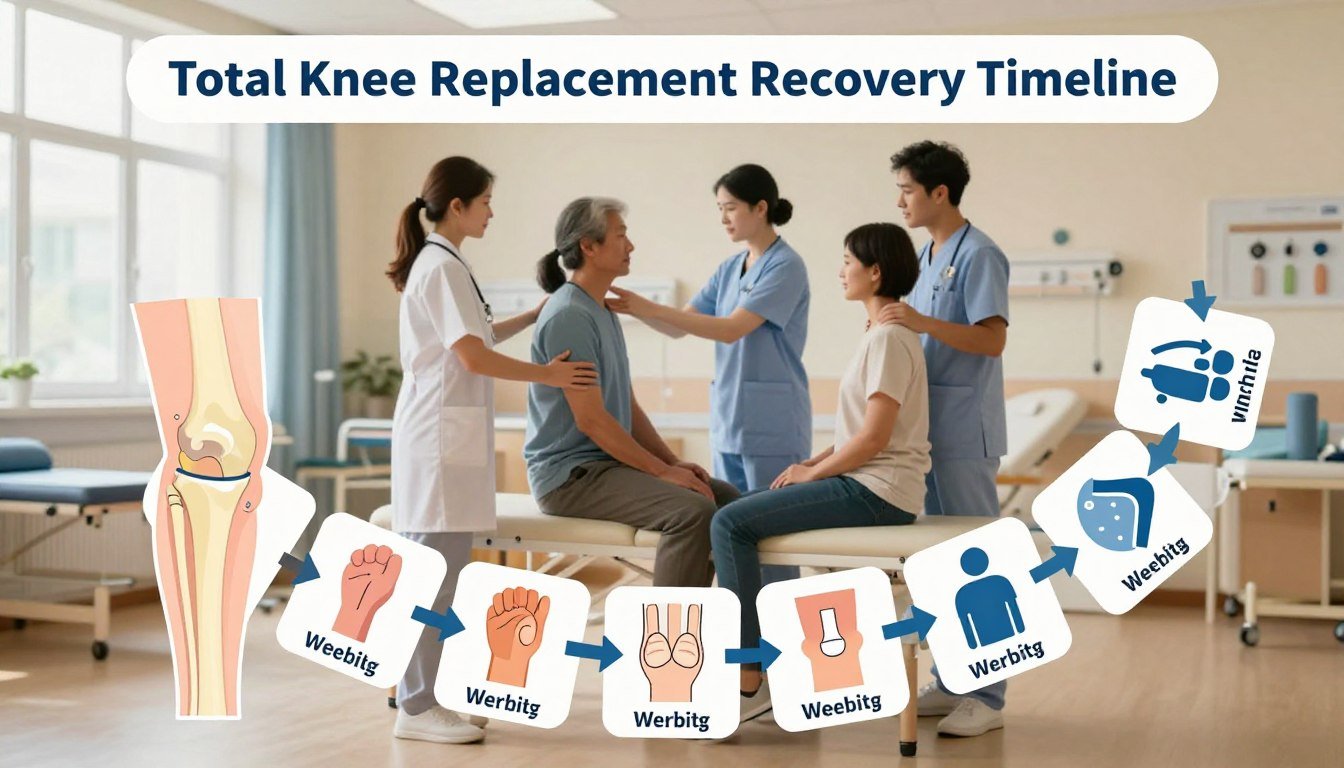
Have you ever wondered how long it takes to get back to normal after joint surgery, and what each week usually feels like?
I’m Dr. Lokesh Chowdary R (MBBS, MS – Orthopaedics), Managing Director and Senior Orthopedic Surgeon at Boss Multispeciality Hospital on Magadi Main Road, Bangalore. I write this to set clear, practical expectations so you feel prepared and safe.
In this short guide I’ll walk you through a practical, week-by-week plan so you know common goals and typical symptoms such as swelling, stiffness, and pain. I’ll explain what to do each week—walking, simple exercises, rest, and icing—and what to avoid to protect your new joint.
Full healing often takes about six months to a year, though many return to daily tasks around six weeks depending on progress. Recovery varies by age, health, and how consistently you follow physiotherapy. I focus on safe, physiotherapy-guided rehab and clear red flags that need urgent attention.
How I Explain Total Knee Replacement Recovery to My Patients
My approach is simple: describe normal symptoms, set realistic goals, and plan steady progress over the coming weeks.
What normal healing looks like after surgery
I tell patients that good health after surgery often includes pain, swelling, warmth, bruising, and stiffness in the first days and weeks.
These signs are common and usually improve with ice, elevation, and guided exercises. I remind people that feeling sore after physiotherapy is normal, too.
Why individual timelines differ
As your surgeon, I review factors that change progress: age, diabetes, body weight, baseline strength, and pre-surgery mobility.
Recovery is rarely linear. You may improve one day and feel sore the next. That is normal and expected in a structured healthcare plan.
- I focus on steady gains in function, not rushed milestones.
- I ask patients to report excessive pain or sudden swelling so we can adjust treatment early.
- Consistent physiotherapy across weeks matters more than one intense session.
| Early Sign | Typical Timing (weeks) | Usual Action | When to Call Surgeon |
|---|---|---|---|
| Pain and bruising | 0–3 | Medications, ice, gentle exercises | Severe uncontrolled pain |
| Swelling and warmth | 0–4 | Elevation, compression, mobility work | Rapid increase or redness spreading |
| Stiffness | 1–6 | Regular physiotherapy, range work | Loss of motion or sudden inability to bear weight |
| Improving mobility | 2–12 | Gradual walking, strengthening | Persistent decline or new numbness |
Is It Total Knee Replacement or Partial Knee Replacement?
Choosing the right operation starts with a focused clinical exam and clear imaging. I first confirm which compartment shows wear and whether ligaments and alignment make a partial option reasonable.
How the two procedures differ
A total knee procedure resurfaces the entire joint surface. It addresses widespread arthritis and restores alignment across the whole joint.
Partial surgery replaces only the damaged compartment. For selected people this can mean less surgical trauma, less pain, and a shorter recovery period when the disease is limited.
Why type affects pain and recovery time
The scope of tissue handled in surgery changes early pain and how fast you regain function. I explain that the best option matches your diagnosis, ligament stability, deformity, and arthritis pattern—not just the fastest route.
| Feature | Total Procedure | Partial Procedure |
|---|---|---|
| Scope | Entire joint resurfaced | Only damaged compartment |
| Typical early pain | Moderate to greater | Often less for suitable candidates |
| Suitability | Widespread arthritis, deformity | Localized wear, intact ligaments |
- I tailor rehab plans to the procedure, walking aids, and your overall health.
- Even with the same operation, people heal at different rates based on strength and swelling response.
Before Surgery: Setting Up for a Safer, Smoother Recovery at Home
A few practical changes at home can cut fall risk and make daily activities easier right after surgery. I ask patients to complete simple tasks so early movement and walking feel secure.
Reduce trip hazards and improve lighting
Remove loose rugs, secure cords, and clear clutter from hallways and stairs. Good lighting in the bedroom, bathroom, and corridors lowers fall risk at night.
Supportive seating and bathroom safety
Choose a firm chair with armrests at seat level so standing does not strain your leg. Fit grab bars and consider a raised toilet seat to protect balance during daily activities.
Plan help and early rehab with your medical team
Arrange assistance for meals, stairs, and errands for the first few weeks. I work with your surgeon and physiotherapist to outline which exercises start immediately, and what walking goals we will set.
- Keep phone, water, and medicines within reach to avoid unnecessary trips.
- Decide on a mobility aid before discharge so you practice the proper level of support at home.
- Simple home prep reduces stress and helps you follow physiotherapy more consistently.
| Home Change | Purpose | Simple Action | When to Do It |
|---|---|---|---|
| Clear pathways | Reduce falls | Remove rugs, organize cords | Before surgery |
| Lighting | Improve visibility | Add night lights, brighter bulbs | Before discharge |
| Seating & bathroom aids | Assist standing and toileting | Firm chair, grab bars, raised seat | Before returning home |
| Support plan | Limit fatigue and unsafe activity | Arrange meal help and stair support | In the weeks after surgery |
These steps make the first days less risky and help you follow a clear plan with your healthcare team. A prepared home helps you focus on steady progress and safe mobility.
What Happens Right After Surgery in the Hospital
The first few hours in the hospital are about safe, steady observation. You leave the operating room and go to a recovery area where my team monitors you as the anesthetic wears off.
Recovery room checks and monitoring
During the initial hours after surgery we track blood pressure, oxygen levels, heart rate, and any bleeding. I also check pain levels and look for signs that your wound and blood circulation are stable.
Same-day discharge versus an overnight stay
I decide whether you can go home the same day or need an overnight hospital stay based on your overall health, age, nausea, dizziness, and how safely you can mobilize. No one can guarantee a same-day plan; safety guides my recommendation.
Discharge readiness checklist
Before you leave, we confirm: controlled pain with a clear plan, ability to stand, safe walking a short distance with an aid, and independent bathroom use. If you must manage stairs at home, we practice them in hospital to lower fall risk.
- Review of medications and clear healthcare instructions.
- Warning signs to report and a contact plan if issues arise after discharge.
| Monitored Item | Why It Matters | Action |
|---|---|---|
| Vitals & blood | Detects instability or bleeding | Continuous checks in recovery |
| Pain | Allows safe mobilization | Adjust medications before discharge |
| Mobility | Reduces fall risk | Walk and stair practice with aid |
Day of Surgery to the First 24 Hours: Early Mobilization Starts
Early movement begins within hours after the operation under careful supervision. I explain that this step protects the new joint and lowers common risks while keeping you comfortable.
Standing and walking safely
On the day of surgery or within the first 24 hours, I usually encourage standing and supervised walking with a walker, crutches, or cane. Expect short walks spaced throughout the day despite normal swelling and a heavy feeling around the knee.
Gentle goals for motion
We focus first on getting full extension—straightening the leg—within the first 48 hours. After that, gradual flexion and range work begins without aggressive pushing.
Why early movement matters
Frequent, gentle motion reduces the chance of blood clots and helps lower infection risk by improving circulation and lung inflation. Physiotherapy guides safe transfers, correct walking technique, and step-by-step mobility so you progress with confidence.
- Short supervised walks several times a day
- Practice bed-to-chair transfers with the therapist
- Begin gentle range of motion exercises as shown
| Action | Timing | Purpose | Notes |
|---|---|---|---|
| Stand & short walks | Day 0–1 | Improve circulation, reduce clot risk | Supervised with aid |
| Full extension goal | Within 48 hours | Protect gait mechanics | Gentle, avoid forceful stretching |
| Begin range of motion | Day 1 onwards | Restore motion and reduce stiffness | Paced by therapist |
| Monitor swelling & vitals | First 24 hours | Watch for complications | Report increased pain or redness |
Week 1: Managing Pain, Swelling, and Protecting the New Joint
Week one is about controlled motion and sensible symptom control so you avoid setbacks while you heal. I expect pain, swelling, and some bruising; these are common in the first days after surgery. My advice focuses on safe symptom relief and protecting the new joint during gentle walking and exercises.
Expected symptoms and how I help
You will have soreness and bruising that can track down the leg. I explain what level of pain is normal and when to call me. I also set goals for short, frequent walks guided by your therapist.
Pain medication plan
I often use a short prescription plus acetaminophen and, when safe, NSAIDs. Take medications exactly as directed. Avoid doubling doses and call me if you feel severe side effects or if pain seems uncontrolled.
Ice, elevation, compression, and pacing
Ice packs, elevation above heart level, and a gentle compression bandage reduce swelling. Pace walking and exercises so you build stamina without triggering big swelling spikes. Rest after therapy sessions.
Signs you’re pushing too hard
Stop and tell me if exercises cause severe pain, marked swelling that worsens after activity, or lasting soreness that does not ease with ice and rest.
Wound care and showering
Keep the incision clean and dry and follow dressing instructions. Waterproof dressings may allow an earlier shower; non-waterproof dressings usually require 5–7 days. Avoid soaking or submersion until the incision is sealed, commonly around 5–6 weeks.
| Dressing type | Shower allowed | Soak/submerge |
|---|---|---|
| Waterproof dressing | Often allowed earlier (ask your surgeon) | Avoid submersion until incision sealed |
| Standard dressing | Wait ~5–7 days | Avoid bathing or pools for several weeks |
| If signs of infection | Contact surgeon immediately | No soaking until cleared |
Weeks 2 to 3: Transitioning From Walker to Cane and Improving Mobility
Around weeks two and three you often notice clearer progress in standing and short walks, even if swelling returns by evening.
Typical walking milestones
In this phase I commonly see patients stand longer and walk farther with less discomfort. Daytime activity increases, but swelling may rise after long walks.
How to use a cane correctly
Transition depends on safety and gait quality, not just confidence. I advise holding the cane in the hand opposite the operated knee to help distribute load and protect joint mechanics.
Balancing activity and rest
Short, frequent walks and gentle exercises reduce stiffness more than long periods of sitting. Break up sitting every 30–45 minutes to avoid a stiff, bent position.
Many people can begin lowering prescription pain medication by week three if pain is controlled and sleep and function are improving. I review this with you before changing doses.
- Practice walking with the cane on smooth, flat surfaces first.
- Use the cane so it contacts the ground at the same time as the operated leg advances.
- If balance or strength is poor, continue the walker until gait is steady.
| Milestone | What I Check | Practical Tip |
|---|---|---|
| Longer standing and short walks | Pain trend and swelling after activity | Pause, ice, and elevate if swelling spikes |
| Transition to cane | Gait symmetry and balance | Hold cane opposite side; step together rhythm |
| Reducing prescription medication | Pain control, sleep, and daily function | Cut doses gradually with my approval |
Weeks 4 to 6: Regaining Independence in Daily Activities
After about four weeks, many patients notice clearer gains in motion and strength compared with the first month. I focus on practical independence goals you can safely aim for at home.
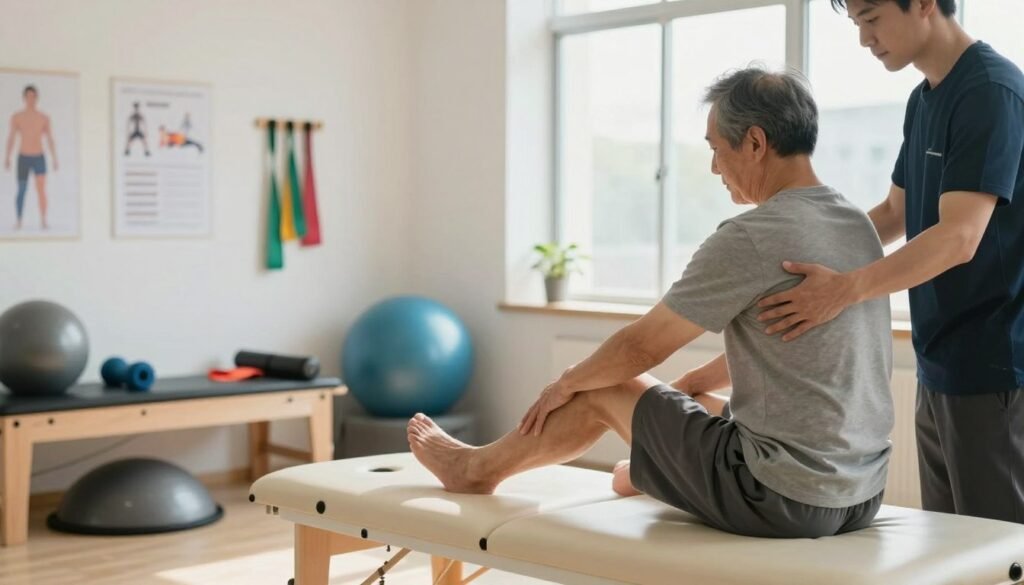
What improved motion and strength often look like after one month
Your straightening and bend usually improve, and walking becomes less uncomfortable for short distances. Stiffness fades, though evening swelling may still occur.
Physical therapy focus
At this stage I shift therapy toward longer walks, gait training, and progressive strengthening of the hip and thigh muscles. Sessions emphasise balanced walking and posture to protect the joint.
Home exercises I commonly recommend
- Toe/heel raises — 3 sets of 10 to build calf control.
- Hip abductions — lying or standing, 2–3 sets of 10 for lateral stability.
- Short, frequent walks to build endurance without swelling spikes.
Returning to work, driving and travel
Desk jobs can often resume around 4–6 weeks if pain is controlled and sitting is manageable. Physically demanding jobs may need up to three months or more depending on strength and tolerance.
For driving, wait until you can react quickly and you are free of narcotic pain medicine. Many people drive safely at roughly 4–6 weeks, though some need 6–8 weeks.
For travel, especially long flights, I recommend waiting until about six weeks when clot risk is lower and you can walk regularly. If travel is necessary earlier, I discuss precautions like movement breaks and compression.
| Activity | Typical Timing | Goal | Practical Tip |
|---|---|---|---|
| Daily walking | Weeks 4–6 | 20–30 min total, broken up | Short frequent walks; ice if swelling rises |
| Home strengthening | Week 4 onward | Build hip and calf strength | Toe/heel raises, hip abductions daily |
| Return to desk work | 4–6 weeks | Resume seated duties safely | Use breaks to stand and walk every 30–45 min |
| Driving & travel | 4–8 weeks | Safe vehicle control and clot prevention | No narcotics for driving; plan movement on long trips |
Weeks 7 to 11: Building Strength, Balance, and Better Range of Motion
This phase focuses on steady gains: more motion, more strength, and safer balance. I expect physiotherapy to continue up to week 12, with clearer endurance and walking quality when sessions are regular.
I set a realistic range goal — often around 120° for many day-to-day tasks — while noting that the ideal range depends on your body and goals. Reaching this range helps with stairs, sitting, and rising from chairs.
Stationary cycling to improve mobility and confidence
Stationary cycling is a low-impact way to increase motion and build cardio without high strain. Start with short, easy sessions and increase time as swelling stays controlled.
Strength drills: mini squats, step-ups, single-leg balance
I progress strengthening to controlled mini squats, step-ups, and single-leg balance drills. These improve leg strength and reduce the risk of missteps as you return to normal activities.
Allowed low-impact activities
As healing and gait mechanics look good, I may clear walking, swimming, and bicycling. Always check the wound, swelling control, and how you feel the day after activity.
- Listen to your body: more swelling or lingering pain means scale back and pace the next session.
- Keep therapy consistent; steady progress beats sudden pushes.
| Focus | Typical Goal | Example Exercise | Precaution |
|---|---|---|---|
| Range of motion | ~120° flexion for many tasks | Stationary cycling, gentle ROM sets | Stop if sharp pain or increased swelling |
| Strength | Improved leg endurance | Mini squats, step-ups (low height) | Keep knees tracking; avoid deep squats |
| Balance | Stable single-leg stance | Single-leg balance drills with support | Use a rail or therapist until steady |
| Low-impact activities | Safe aerobic conditioning | Walking, swimming, bicycling (progressive) | Confirm wound healing and gait first |
Week 12 and Beyond: Returning to Low-Impact Sports and Long-Term Fitness
When healing reaches the three‑month mark, I guide patients toward safe, enjoyable activity while protecting the implant. Before you resume any sport, I check strength, balance, wound healing, and how much swelling you get after exercise.
Activities I commonly clear with careful assessment
Many people return to golf, dancing, and cycling once they demonstrate steady gait and pain control. These activities build endurance and help long-term fitness without heavy joint pounding.
Why I caution against high-impact and twisting sports
I advise avoiding running, football, skiing, and sports with sudden twists. Repeated high-impact forces and sharp rotational loads can speed implant wear, strain surrounding tissues, and raise the risk of injury.
- Focus on consistency, not intensity, to protect your joint for years.
- Progress slowly: increase duration before intensity and monitor pain or swelling the following day.
- Always get surgeon clearance tailored to your function and goals.
| Activity | When I May Clear It | Notes |
|---|---|---|
| Golf | After week 12 | Limit walking; avoid full-force twisting early |
| Dancing | After strength & balance OK | Choose low-impact styles first |
| Cycling | Often cleared at 12+ weeks | Stationary cycling first; watch swelling |
Knee replacement recovery timeline: Milestones From Day One to One Year
I lay out clear milestones so you can check progress from the day of surgery through the first year. Use this as a practical guide, not a strict test. Your healing will vary based on health, age, and how you follow physiotherapy.
Day of surgery through week 1: safe movement, pain control, and early exercises
On day one I focus on safe standing, short supervised walks, pain control, and gentle exercises. Control swelling with ice and elevation. Follow prescribed medicines and avoid overdoing therapy sessions.
By week 3: reduced reliance on assistive devices for many patients
By week three many people move from a walker to a cane, or less support, if gait and balance are steady. I judge progression on how you walk, not just how you feel. Keep practicing transfers and short walks every day.
Weeks 4–6: returning to routine activities and planning work/driving
Most patients resume routine tasks and may plan a return to desk work or driving when pain is controlled and reflexes are normal. I counsel on medication safety and pacing to avoid swelling spikes after activity.
Weeks 7–12: Endurance and strength gains with consistent rehab
With regular physiotherapy you often see steady improvements in endurance, mobility, and leg strength. Stationary cycling and progressive strength drills help build confidence and function.
Six months to a year: When the knee feels stronger and more resilient
Between six months and a year many report a stronger, more resilient joint and clearer ability to resume low-impact activities. Small gains may continue beyond one year; use milestones as a guide, not a deadline.
| Phase | Typical timing | Goal | Key actions |
|---|---|---|---|
| Immediate | Day 0–7 | Safe walking, pain control | Supervised walks, ice, elevation, meds |
| Early progress | Week 2–3 | Less assistive support | Balance work, cane training, gait practice |
| Return to routine | Weeks 4–6 | Daily activities, planning work/driving | Short walks, home exercises, medication review |
| Strength & endurance | Weeks 7–12 | Improved stamina and mobility | Progressive strengthening, cycling, longer walks |
How I Approach Pain Management and Swelling Control Over the First 12 Weeks
Controlling pain and swelling in the first three months shapes how steadily you regain function. My approach balances enough symptom relief to allow safe walking and therapy, while limiting medication risks.
Medication safety and when to call me
I use a stepwise plan: short-term prescription plus over-the-counter options when safe. I give exact dosing and timing, and I ask you to call me if pain feels excessive, suddenly worsens, or does not respond to the plan.
Non-drug strategies that work
Ice after activity, elevation when resting, and light compression reduce fluid buildup and help lower pain and stiffness. Pacing your day—short walks, frequent rests—prevents flare-ups and keeps swelling controlled.
Sleep, fatigue, and the role of rest
Many patients report unexpected fatigue and poor sleep. Rest is part of healing; good sleep helps tissue repair and supports progress in physiotherapy.
- Use meds exactly as directed; never double doses.
- Ice 20 minutes after activity; elevate leg on pillows.
- Call me for sharp pain, spreading redness, or sudden swelling.
| Issue | Why it matters | Action |
|---|---|---|
| Severe, worsening pain | May signal complication | Contact surgeon promptly |
| Rapid swelling or redness | Infection or bleeding risk | Seek urgent review |
| Medication side effects | Safety concern | Call for dose change |
What I Watch for in Follow-Ups: Safety Checks and Recovery Progress
During follow-up visits I focus on safety checks that spot small problems before they grow. I review wound healing, check vitals, and assess how well you meet mobility goals set in earlier visits.
I explain the red flags that need an immediate call to your surgeon or healthcare provider. These include increasing redness or warmth around the wound, new drainage, fever, sudden calf pain or swelling, or a rapid decline in function.
How I monitor healing and overall health
I check blood pressure and other vitals because general stability affects how well you tolerate therapy after replacement surgery. I also inspect the wound for signs of infection and compare swelling trends over time.
Adjusting therapy based on progress
I compare your mobility to expected milestones and change physiotherapy intensity when needed. I never ask you to “push through” sharp pain. Instead, I tailor exercises to steady, safe gains.
- I watch wound appearance, swelling, and pain levels at each follow-up.
- I ask about fever, breathlessness, or sudden leg pain that could indicate clot risk.
- I use visits to answer questions about work, travel, and safe activities through the first year.
| Focus | What I Review | Why It Matters |
|---|---|---|
| Wound & infection | Redness, drainage, warmth | Early treatment prevents serious infection |
| Vitals | Blood pressure, pulse, temperature | Overall health guides rehab pace |
| Mobility | Gait, strength, pain trend | Adjust therapy to meet safe functional goals |
Regular checkups in the first year after replacement surgery make it easier to spot stiffness, infection, clot signs, or implant issues early. Call your surgeon or local healthcare provider at the first sign of a red flag so we can act promptly.
How Long Does a Knee Replacement Last and How to Protect It
People often want to know the expected lifespan of their implant and how to protect it over time. I tell patients that many implants give improved function for 10–15 years, and often longer when you follow sensible habits.
What affects implant longevity
Longevity depends on weight, activity choices, alignment, and how well you keep strength around the joint. Avoid high-impact sports and frequent deep squats that increase wear.
Daily habits that protect the joint
- Regular walking and low-impact cycling, including stationary bike sessions, maintain motion and strength.
- Sustain a moderate, consistent exercise routine rather than sudden intense workouts.
- Manage weight and follow rehab exercises to build thigh and hip strength.
Posture, back and neck during rehab
Good posture and whole-body alignment reduce abnormal loading. If you limp, lean on a walker, or sit poorly, you may get back or neck pain that interferes with rehab.
| Focus | Why it matters | Practical tip |
|---|---|---|
| Walking & cycling | Low-impact conditioning | Daily short walks; stationary bike 10–20 min |
| Posture & alignment | Reduces uneven load | Use upright sitting and gait coaching |
| Long-term check-ins | Spot new pain or swelling | See your surgeon for any new symptoms |
When I Consider Surgery vs Non-Surgical Options for Knee Pain and Arthritis
I always begin by finding the true source of pain so we pick the least invasive, safest plan that works. Accurate diagnosis matters because arthritis, fractures, sports injuries, and referred pain from the spine can present very similarly.
On exam I look for specific signs and order targeted imaging to match symptoms to findings. Correct diagnosis prevents unnecessary procedures and speeds the right treatment path.
Non-surgical care I try first
Whenever possible I prefer non-surgical approaches. This includes physiotherapy, activity modification, weight management, and appropriate medications.
These measures often relieve pain and restore function without an operation. I also address posture and muscle weakness that add load to the joint.
- Structured physiotherapy programs for strength and balance.
- Activity modification to reduce high-stress movements.
- Medications used safely and reviewed regularly.
When surgery becomes medically appropriate
I consider surgery when significant pain and loss of function remain despite well-delivered conservative care and when imaging supports the clinical picture.
If surgery is needed, I explain the procedure, likely outcomes, and the rehabilitation commitment required. The best results come from teamwork and consistent follow-up.
| Decision Factor | Non-surgical Option | When I Recommend Surgery |
|---|---|---|
| Diagnosis clarity | Targeted exams and imaging | Imaging matches severe symptoms |
| Function and pain | Physiotherapy, meds, activity change | Persistent limits in walking or daily tasks |
| Structural damage | Conservative support, bracing if suitable | Fracture or advanced arthritis not helped by therapy |
Conclusion
As we wrap up, remember that steady, guided steps matter more than rushing back to full activity.
I outline a clear plan: early safe motion, progressive strengthening, and gradual return to daily activities. Many people resume routine tasks by about six weeks, yet full healing often continues for months and up to a year.
Follow medication instructions, check the wound, and report sudden pain or swelling right away. Pace exercises, avoid high-impact activities, and keep regular physiotherapy‑guided recovery visits.
I work with you and your physiotherapist as a team. To discuss options or arrange an evaluation, book an appointment with me, Dr. Lokesh Chowdary R (MBBS, MS – Orthopaedics) at Boss Multispeciality Hospital, Magadi Main Road, Bangalore (near Kamakshipalya and RR Nagar).