
ACL Reconstruction Recovery: Complete Guide for Patients
Have you ever wondered why some people return to sport feeling confident while others struggle with the same knee injury?
I am Dr. Lokesh Chowdary R, MBBS, MS – Orthopaedics, Managing Director and Senior Orthopedic Surgeon at Boss Multispeciality Hospital on Magadi Main Road, Bangalore (near Kamakshipalya and RR Nagar). I will explain what reconstruction recovery usually involves so you know what is normal, what needs attention, and how to move forward step by step.
My approach is simple: confirm the diagnosis, try non-surgical care when suitable, and recommend surgery only when instability and your activity needs make it medically reasonable.
Physiotherapy guides every stage. Strength, movement control, and swelling management protect the graft and your joint. Timelines vary by body, activity level, and any other injuries.
Discomfort and swelling are common, but there are red flags that need prompt reassessment. If you want a clear plan tailored to your goals—returning to work, driving, or sport—book an appointment at Boss Multispeciality Hospital for a proper orthopedic evaluation.
How I Explain an ACL Tear and Why the Anterior Cruciate Ligament Matters
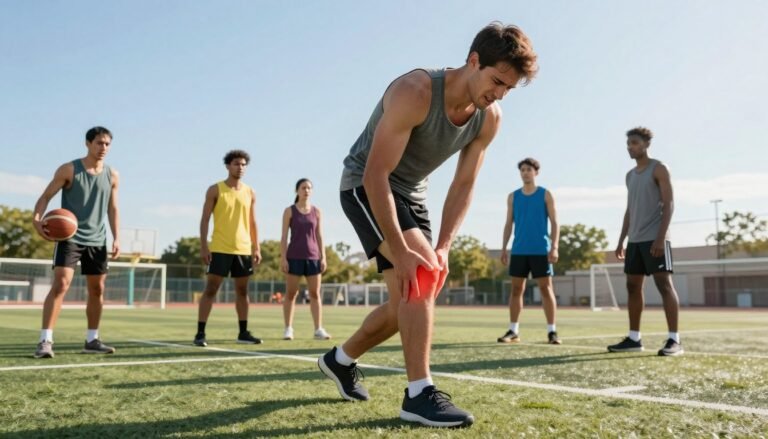
A sudden twist or awkward landing can leave you wondering why your knee no longer feels reliable. I start by showing which structure keeps the joint stable: the anterior cruciate ligament sits inside the knee and controls forward movement and rotation.
Common ways this happens
- Twisting during sports like football or basketball when your foot is fixed.
- Landing badly after a jump or changing direction quickly.
- Less commonly, a slip on stairs or a sudden turn in daily life.
Symptoms patients notice
Most people report sudden pain and swelling soon after the event. Some feel the knee “give way” or note reduced confidence when moving.
Why “don’t rush it” matters
Pushing a hurt knee can increase swelling, limit range of motion, and worsen small tears or meniscus damage. Not every case needs surgery, but every suspected tear should be assessed so you do not keep stressing an unstable joint.
Getting the Right Diagnosis Before Treatment
Before I recommend any plan, I focus on a careful exam to know exactly what your knee needs.
I begin by taking your history: how the injury happened, when swelling started, if you heard a pop, and which activities make it give way or hurt. This tells me how urgent follow-up should be.
Clinical exam: movement, laxity, and swelling
On exam I check swelling, tenderness, and both active and passive range motion. Early stiffness changes the rehab plan.
I test laxity with specific stability tests and compare with the other side. Mechanical instability is a key decision point.
When imaging helps
I use imaging when it adds clarity. MRI confirms ligament status and shows meniscus or cartilage damage.
X-ray helps rule out bony injury. Imaging supports the diagnosis but does not replace functional assessment.
Choosing non-surgical care or acl surgery
I discuss non-surgical care when your knee is stable for daily life, your activity level is low, and you commit to physiotherapy.
I recommend acl surgery more strongly if instability persists, you aim to return to pivoting sports, or repeated giving-way risks more damage. The best plan matches your body, goals, and knee stability.
- I review warning signs that need prompt attention: persistent pain, locking, worsening swelling, or limited range motion.
- I explain clearly why imaging may be needed and what it can show about tears and associated injury.
| Assessment | What I look for | Impact on plan |
|---|---|---|
| History | Mechanism, pop, swelling timing, activity level | Guides urgency and need for imaging |
| Clinical exam | Swelling, tenderness, range motion, laxity tests | Determines mechanical stability and rehab needs |
| Imaging | MRI for ligament and meniscus; X-ray for bone | Confirms diagnosis and detects associated damage |
What to Expect From ACL Surgery and Hospital Care in Bangalore
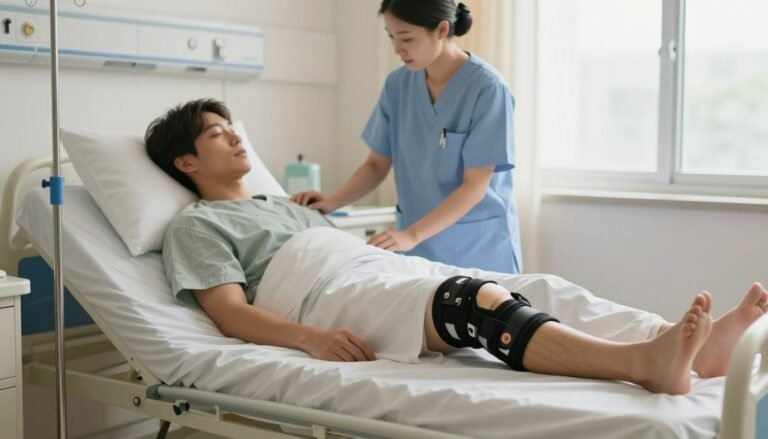
I explain plainly what happens in hospital and how we protect your knee during the initial healing phase.
I perform surgery to restore stability so your knee can handle turning, stopping, and uneven ground without giving way. The goal is functional stability, not an exact return to how you felt before injury.
What the procedure aims to restore
The operation replaces the torn ligament with a graft, which acts like a new ligament. Graft choice and any meniscus or cartilage damage change how quickly the leg heals.
Immediate post-op basics
Early care focuses on protecting the wound, controlling swelling, and starting safe movement. We teach you how to use crutches and how much weight-bearing is allowed.
| Focus area | Why it matters | Practical tips | When to call |
|---|---|---|---|
| Stability | Prevents giving-way and further damage | Follow activity limits; attend physiotherapy plan | Persistent instability or new locking |
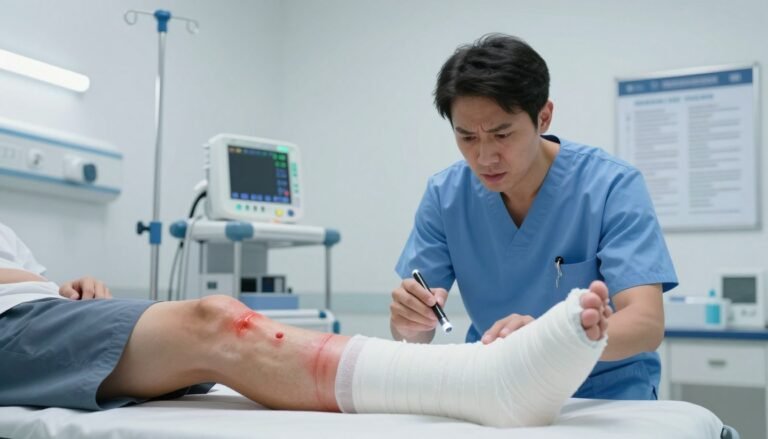
| Wound & dressing | Reduces infection risk | Keep dressings clean and dry; follow dressing change schedule | Increasing redness, warmth, discharge, or fever |
| Swelling & discomfort | Controls pain and promotes motion | Use prescribed meds, ice, elevation after therapy | Uncontrolled pain or spreading redness |
| Mobility & crutches | Protects the graft while rebuilding strength | Learn safe transfers; use crutches as advised | Inability to bear allowed weight or new numbness |
I advise responsible pain control with prescribed medicines and simple measures like elevation and ice. Early swelling and stiffness are common, so we emphasize follow-up checks and early quadriceps activation.
At Boss Multispeciality Hospital on Magadi Main Road, our team arranges post-op visits and physiotherapy close to home. I will guide you through each step so you know what to watch for and when to seek help.
ACL reconstruction recovery timeline: what healing looks like week by week
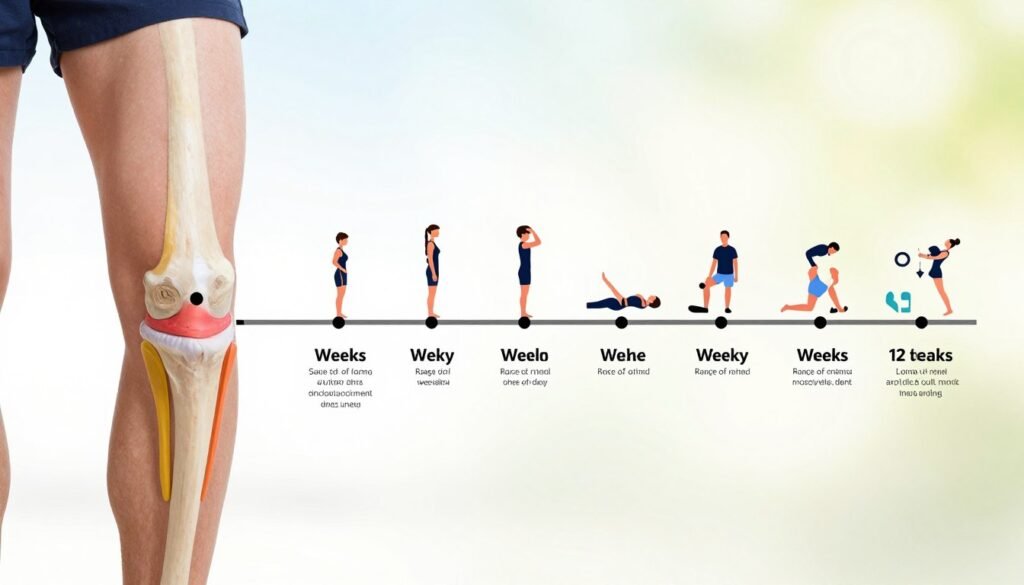
I map the healing timeline so you know what to expect each week and when to ask for help.
The first two weeks
Priority: reduce swelling, protect the leg, and regain gentle motion. Many plans aim for about 90° of knee bend by day 10–14, if pain and associated repairs allow.
Early weeks (week 3–6)
Focus: safe weight-bearing with crutches as instructed, light stationary cycling, and early quadriceps activation to restore walking mechanics.
Around two months
Focus: improved range of motion, steady walking without aids for many patients, and intensified strengthening for quadriceps, hamstrings, and hips.
Around three months and longer-term
By three months mobility and strength usually improve, but high-impact and pivoting sports remain restricted. Full return to sport often needs several more months (commonly 6–12), depending on graft choice, body response, and rehab consistency.
| Timeframe | Main goals | Typical signs to seek review |
|---|---|---|
| 1–2 weeks | Control swelling, wound care, gentle ROM (~90°) | Rising pain, increasing swelling, fever |
| 3–8 weeks | Safe weight-bearing, quadriceps control, cycling | Persistent limp, new locking, severe stiffness |
| 3+ months | Strength, balance, low-impact training; progressive sport prep | Instability with activity, sharp pain, wound issues |
Timelines vary. I tailor the plan to your body, graft choice, any cartilage repairs, and how closely you follow physiotherapy.
Physiotherapy and Rehabilitation: Building Strength Without Setbacks
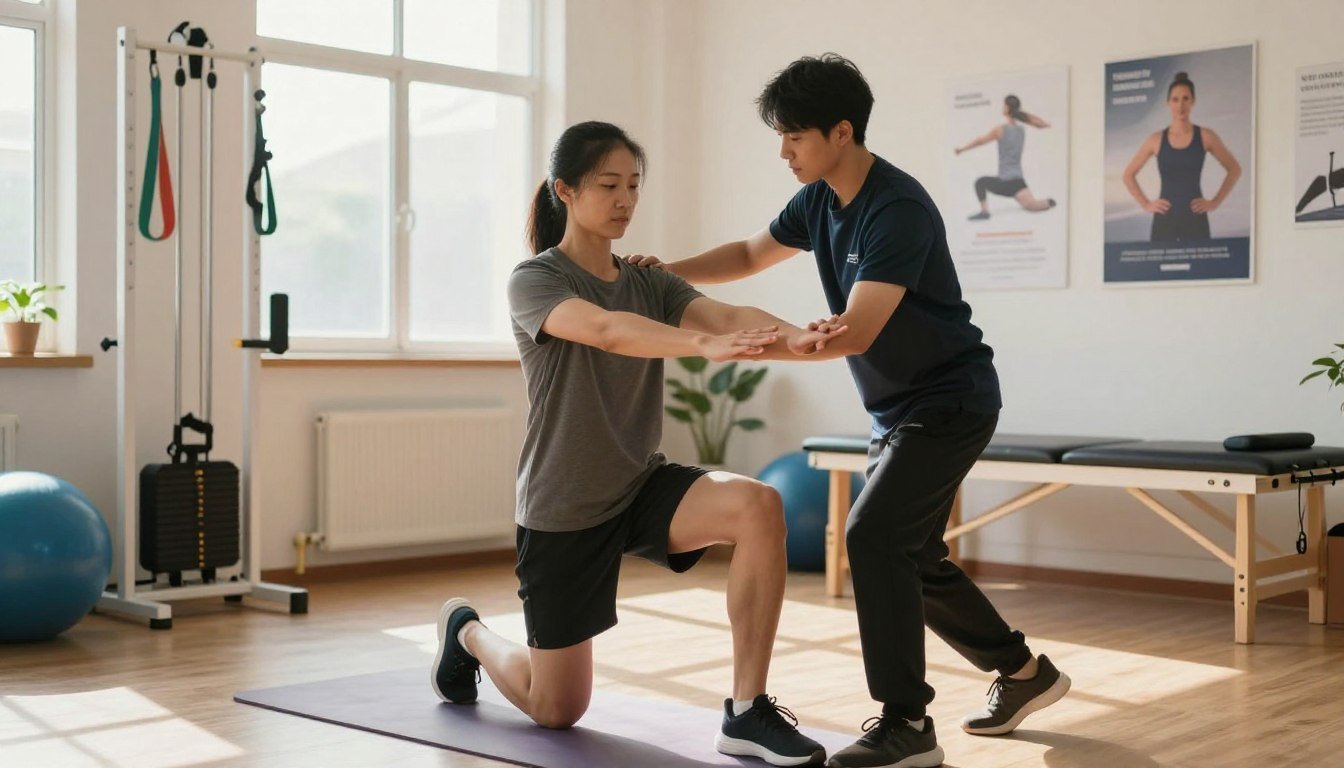
The right rehabilitation plan helps you rebuild strength while avoiding setbacks. I focus on clear, staged goals so each step is safe and measurable.
I prioritise range motion early, then wake up quadriceps strength. Next, I add hamstrings support and balance work to protect the knee in daily tasks.
Common exercises I use
- Stationary cycling for gentle mobility and range motion.
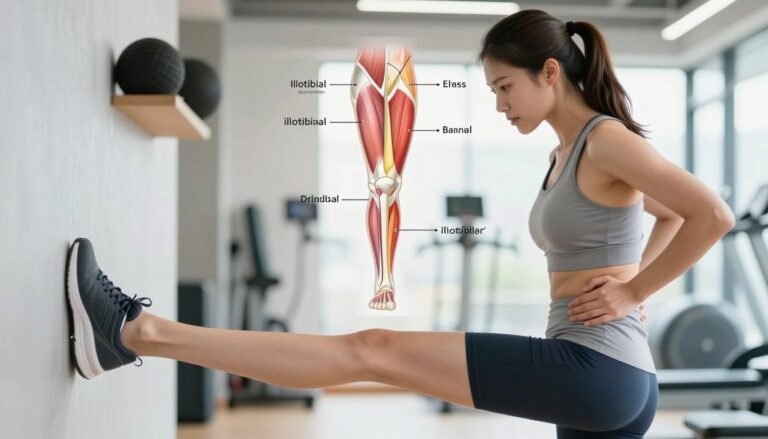
- Straight leg raises to activate the quadriceps without loading the knee.
- Mini squats and step-ups to rebuild functional strength and leg control.
- Bridges, calf raises, and single-leg balance drills for coordination and balance.
Movement quality and posture
I teach control before speed. Good alignment—knee over foot, steady tempo—reduces compensation and protects the graft and joint.
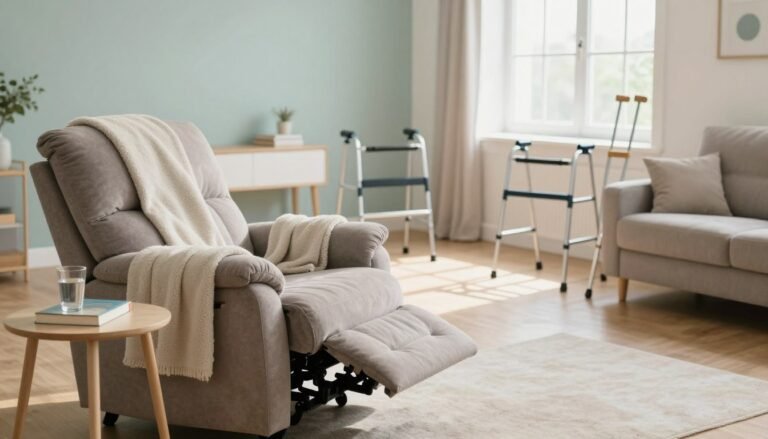
Crutches can cause back or neck pain and posture-related issues if fitted poorly. I check crutch height, show relaxed shoulder use, and add simple neck and back stretches.
| Phase | Main focus | Typical exercises |
|---|---|---|
| 0–2 weeks | Range of motion, gentle activation | Stationary bike, straight leg raises, ankle pumps |
| 3–8 weeks | Strength, gait training | Mini squats, step-ups, bridges |
| 3+ months | Advanced strength, balance, coordination | Single-leg drills, resisted exercises, sport-specific movements |
Managing Pain, Swelling, and Discomfort During Recovery
Simple self-care steps after activity can cut swelling and speed meaningful healing in the knee. I want you to feel confident using clear routines that reduce flares and let therapy progress.
Ice and elevation strategies after activity
After exercise or a long day, elevate the leg for 15–20 minutes. Use a pillow under the calf so the knee is slightly higher than the hip.
Apply ice wrapped in a thin cloth for 15 minutes at a time. Repeat every two to three hours when swelling increases.
Normal soreness versus signs to reassess
Mild to moderate pain or stiffness after new exercises often means muscles are adapting. This should ease in a day or two and improve with consistent rehab.
Seek review if you have sharp pain, worsening swelling, new instability or locking, or signs of infection such as fever, spreading redness, warmth, or wound discharge.
Sleep, hydration, and nutrition that support healing
Good sleep boosts tissue repair. Aim for consistent sleep times and restful hours each night.
Stay hydrated and eat a balanced diet rich in protein and vitamins to support muscle rebuilding and inflammation control.
- Do not push through severe pain; rest and contact your clinician.
- Use ice and elevation after higher-intensity activities or when swelling flares.
- Track trends—symptoms should improve over times, not worsen.
| Issue | Self-care | When to contact |
|---|---|---|
| Mild pain or stiffness | Ice, gentle movement, sleep, hydration | If pain persists beyond 48–72 hours |
| Swelling after activity | Elevate, ice, reduce activity that day | Increasing or daily swelling that limits motion |
| Infection signs | Keep wound clean, avoid soaking | Fever, spreading redness, warmth, discharge |
Returning to Work, Driving, and Sports Safely After ACL Surgery
A safe return to activities starts with honest tests of strength and movement, not a calendar date. I match what you do each day to how the knee responds so we progress without repeated flare-ups.
How I guide a gradual return to daily activities without overloading the knee
I phase tasks to your current strength and swelling pattern. For desk jobs this may mean an earlier return with regular breaks.
For standing or manual work I plan graded increases in walking and lifting, and I monitor for persistent swelling or pain after each increase.
Why pivoting, jumping, and contact sports usually wait until later phases
These movements stress rotational control and demand coordinated muscle timing. The graft and neuromuscular control need time and targeted training before you add high-risk drills.
At about three months many patients begin low-impact activities like cycling or swimming, but running and high-impact sports usually come later when tests show readiness.
Milestones I look for: strength symmetry, confident mobility, and stable knee control
I expect near-equal strength between legs, steady gait without a limp, and reliable single-leg balance before sport-specific drills.
I never promise dates; I clear athletes when function, not time, shows safe progression. Regular checks with your surgeon and physiotherapist guide each step.
| Milestone | What I test | When it matters |
|---|---|---|
| Strength symmetry | Quadriceps and hamstring comparison | Before running or cutting |
| Mobility & gait | Full, pain-free range and no limp | Before work without aids and driving |
| Control | Single-leg stability and sport drills | Before pivoting, jumping, contact sport |
Conclusion
Healing takes time, and each step should show your knee is ready for more. Successful ACL reconstruction and recovery rest on the right diagnosis, a tailored plan, and consistent physiotherapy-led rehabilitation.
Don’t rush progress. Steady gains in range of motion, strength symmetry, and stable control usually protect the joint better than pushing too fast.
Mild pain or swelling can occur as you advance. Seek prompt review for worsening pain, increasing swelling, limited motion, new instability or locking, or any signs of infection.
Timelines vary with your body, graft choice, and associated injuries. Focus on milestones before a full return to sport or high-impact work.
If you have knee pain, sports injury concerns, or post-surgery questions, book an appointment with me, Dr. Lokesh Chowdary R, at Boss Multispeciality Hospital on Magadi Main Road, Bangalore (near Kamakshipalya and RR Nagar) for a personalised assessment and plan.