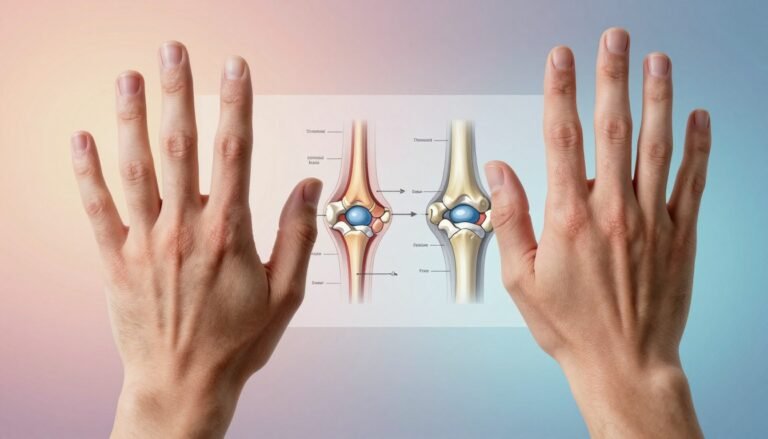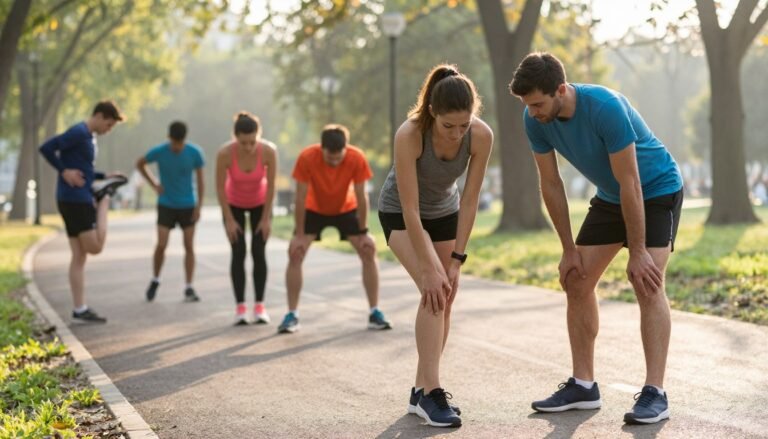

How to Speed Up Sports Injury Recovery (Evidence-Based Tips)
Have you ever wondered if a smart early plan can really shorten time away from the field without risking long-term harm?
I am Dr. Lokesh Chowdary R, MBBS, MS (Orthopaedics) at Boss Multispeciality Hospital on Magadi Main Road, Bangalore, near Kamakshipalya and RR Nagar. I write to share calm, practical information about how to speed up injury recovery while respecting how the body heals.
My approach begins with a clear diagnosis and favors non-surgical care when safe. Early rest, swelling control, good nutrition and guided physiotherapy shape how healing progresses.
This guide covers the first 72 hours, safe pain relief, nutrition, rehabilitation steps and when surgery is needed. Remember, each person and each injury is different; faster does not mean reckless, and I cannot promise identical results for everyone.
What I Look for First When You Want Faster Sports Injury Recovery
I explain things simply when you sit in my clinic. My first goal is to understand the type of injury and which stage of the healing process it is in.
Why “fast” must still mean “safe” for tissue healing
Tissue heals in stages. Pushing too hard too soon can restart swelling and pain and add more time to your return.
I focus on what the body needs now, not what you want now. That keeps progress steady and lowers the chance of setbacks.
Common sports injuries I see in clinic in Bangalore
At Boss Multispeciality Hospital I often treat ankle twists, knee sprains, muscle strains, and shoulder pain after gym work. Each behaves differently and needs a tailored plan.
How swelling, pain, and limited mobility affect everyday life
Swelling makes shoes tight. Pain can disturb sleep. Reduced mobility makes stairs, driving, and desk work harder.
Tell me where it hurts, what movement triggers pain, and whether swelling increased quickly. That advice helps shape safe next steps and sets realistic time expectations.
| Common Injury | Early Signs | Daily Impact | Initial Goal |
|---|---|---|---|
| Ankle twist | Sharp pain, local swelling | Difficulty on stairs, tight shoes | Control swelling, protect joint |
| Knee sprain | Pain with bending, reduced mobility | Problems squatting, driving discomfort | Assess stability, restore motion |
| Muscle strain | Localized tenderness, pain with stretch | Limits gym work, affects walking | Gentle load, prevent re-injury |
Getting the Diagnosis Right Before You Try to Speed Up Injury Recovery
Before changing any plan, I first make sure the diagnosis is clear and simple to understand. I explain findings in plain language so you know what the next steps mean for daily life and sport.
Sprain, strain, fracture, ligament tear — what I look for
I tell patients that a sprain affects ligaments, while strains affect muscles or tendons. A fracture means a bone break. A full ligament tear often needs a different treatment path.
Red flags that need urgent evaluation
- Visible deformity or bone showing through the skin.
- Unable to bear weight or walk at all.
- Numbness, pins-and-needles, or rapidly worsening pain and swelling.
When I order X-ray or MRI
I use X-ray to rule out fracture or dislocation. I choose MRI when the clinical exam suggests a torn ligament, cartilage damage, or persistent symptoms. Imaging supports my exam and guides the treatment plan, not replace it.
| Type | Usual Sign | Typical Care | Timeline |
|---|---|---|---|
| Sprain | Joint pain, swelling | Protected rest, physiotherapy | Days–weeks |
| Strain | Muscle pain with stretch | Gentle loading, rehab | Days–weeks |
| Fracture | Localized severe pain, deformity | Immobilize, possible surgery | Weeks–months |
| Ligament tear | Instability, persistent swelling | Bracing or surgery if needed | Weeks–months |
Getting the diagnosis right lowers stress and gives clear benefits: fewer setbacks, clearer timelines, and better healthcare decisions. I discuss surgery only when it is medically needed and when it will change the outcome for the patient.
What to Do in the First 48-72 Hours to Control Pain and Swelling
Early home care matters: the actions you take in the first two to three days can limit swelling and control pain. I focus on protecting the injured area while keeping the rest of you moving safely to support blood flow and general health.
Rest and protected weight-bearing
Rest means protected rest. Avoid full loads that worsen pain. Use crutches, a brace, or a simple support when needed to reduce stress on the area.
Ice (cryotherapy) and skin protection
Apply ice for 15–20 minutes or short 10-minute intervals, several times a day. Always place a thin towel between ice and skin to prevent cold damage and check skin regularly.
Compression and elevation
Wrap with a snug bandage—never so tight that fingers go numb or change color. Elevate the limb above heart level when possible to help fluid drain and ease throbbing pain.
Use R.I.C.E. wisely and modern updates
R.I.C.E. (rest, ice, compression, elevation) helps control early inflammation, but too much suppression can slow the healing process. Modern approaches like MICE or RACE add early, gentle movement when pain allows.
- I walk patients through protected movement: short, pain-limited motion to maintain range when swelling eases.
- Watch for warning signs—increasing pain, numbness, or rapid swelling—and seek diagnosis before trying to push through symptoms.
- These first steps offer clear benefits: less swelling, lower pain, and better early function without replacing a formal medical assessment.
Safe Pain Relief and Early Care Without Delaying Healing
Practical, measured pain control helps you sleep, move gently, and follow therapy safely. My aim is comfort and function, not masking symptoms that warn of a problem.
Over-the-counter medicines and why dosing matters
I commonly recommend paracetamol or ibuprofen for short-term control. Follow the label dose and discuss prolonged use with your doctor.
Do not use medication to ignore severe pain. If tablets do not improve pain or if you have stomach, liver, or kidney concerns, seek medical advice promptly.
Braces, crutches, and short immobilization to protect tissue
Temporary braces, taping, or crutches can keep weight off the injured part and protect fragile tissue during the early process.
These aids let you rest the area while maintaining safe blood flow and avoiding over-compression that would limit circulation.
When pain is a warning, not something to push through
- Sharp or increasing pain, night pain, or a giving-way sensation needs reassessment.
- If pain fails to fall in a reasonable time, we re-evaluate the diagnosis and adjust the treatment plan.
| Support | Purpose | When I use it |
|---|---|---|
| Paracetamol | Reduce discomfort | Short-term, safe dosing |
| NSAID (ibuprofen) | Reduce swelling and pain | When no contraindication |
| Brace/Crutch | Protect tissue and limit load | Early days to weeks |
Nutrition and Hydration That Support the Healing Process
I advise food and water as part of a practical plan to help tissue heal and to limit muscle loss while activity is reduced. Good nutrition supports physiotherapy and medical treatment, not replace them.
I recommend a protein target of roughly 1.3–1.8 g/kg/day for most people and higher for athletes. Spread protein across the day: about 25–30 g per meal and 10–15 g per snack to aid tissue repair and preserve muscle.
- Omega-3 foods: Include walnuts, tuna or salmon, chia or flax to help balance inflammation while allowing normal healing to occur.
- Vitamin C foods: Eat bell peppers, oranges, broccoli, strawberries or kiwi to help collagen formation from food rather than high-dose supplements.
- Zinc sources: Use eggs, lentils, beef or whole grains to support wound healing when appetite is low.
Hydration is easy to miss. Aim for about 3 quarts of fluids a day as a baseline. Count soups, tea, and water-rich fruits and vegetables toward this total.
Supplements can help if a deficiency is proven, but whole foods offer multiple nutrients together and fewer risks. I remind patients every case is different; diet supports healing and therapy but will not guarantee a fixed timetable.
| Nutrient | Good Indian sources | Typical serving | Why it helps |
|---|---|---|---|
| Protein | Dal, paneer, chicken, eggs, Greek yogurt | 30 g protein ≈ 200 g paneer or 3 eggs + a cup yogurt | Repairs tissue and reduces muscle loss during rest |
| Omega-3 | Walnuts, flaxseed, tuna, salmon | 1 handful walnuts or 1 tbsp flaxseed daily | Supports inflammation balance during healing |
| Vitamin C | Oranges, bell pepper, broccoli, strawberries | 1 orange or 1 cup chopped bell pepper | Aids collagen formation and wound healing |
| Zinc | Eggs, lentils, beef, whole grains | 1 egg + 1 cup dal or 50 g beef portion | Important across stages of wound repair |
Physiotherapy and Rehabilitation to Regain Movement, Strength, and Mobility
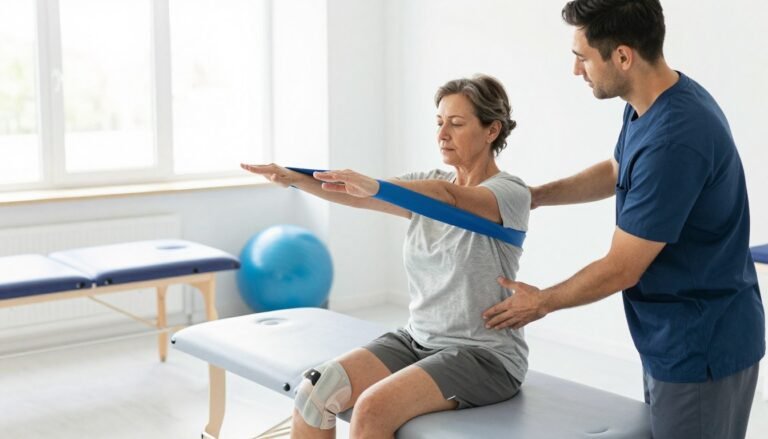
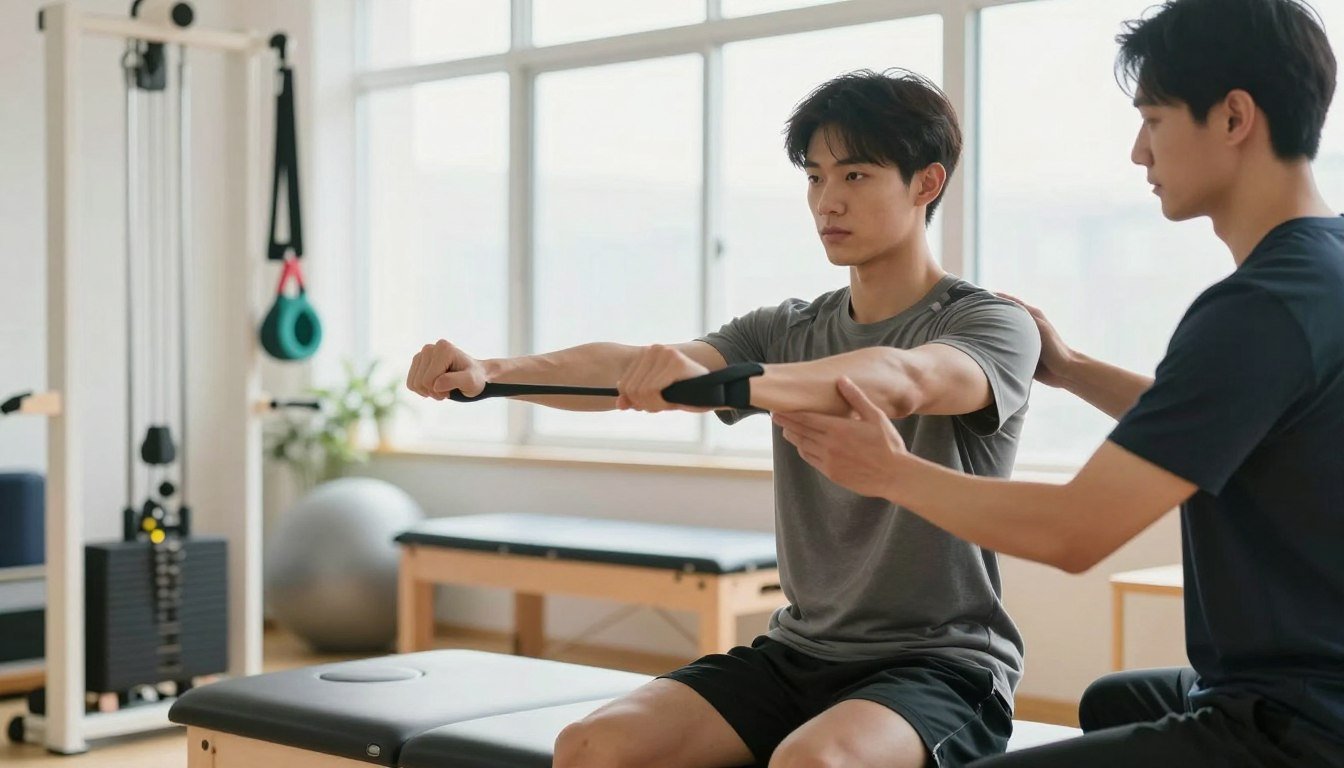
After pain eases and swelling begins to reduce, I start a focused plan of physiotherapy and rehabilitation. My goal is to restore safe movement and build the muscles needed to protect the joint while avoiding setbacks.
When I begin guided exercises
I usually begin rehab exercises once swelling falls and pain is stable. Early, pain-limited movement keeps joints mobile without provoking a flare.
Restoring range of motion
First I work on gentle stretches and controlled motion to prevent stiffness. Restoring mobility early reduces long-term stiffness that can limit activity.
Strength training around the joint
Progressive strength work targets the muscles that support the joint. Stronger muscles share load and improve confidence with daily movement.
Balance and proprioception
For ankle and knee problems, balance drills lower the chance of repeat sprains and “giving way.” Simple single-leg tasks progress to sport-specific patterns.
Manual therapy and movement patterns
I use hands-on techniques and guided movement to correct posture-related compensation. This approach teaches safer mechanics and reduces recurrence risk.
- I track pain trends, swelling response, range of motion, and strength symmetry.
- Functional tests guide progression from mobility to strength, then power and sport-specific work.
- Consistency in therapy matters more than pushing hard on any single day.
| Phase | Goal | Example |
|---|---|---|
| Mobility | Restore joint motion | Gentle range-of-motion drills |
| Strength | Build supporting muscles | Resisted band work |
| Function | Return to daily and sport tasks | Balance, agility, sport drills |
Returning to Sports and Activities Without Setbacks
I guide patients to restart activity in small steps so the body and mind adapt together. A staged plan reduces the chance of pain returning and keeps progress steady over time.
Gradual progression from light movement to sport-specific drills
Begin with gentle stretches and light movement to restore mobility. Then add controlled strengthening before any high-demand drills.
Only when strength, balance, and control match the uninjured side do I allow sport-specific practice and full participation.
Signs you’re not ready yet, even if pain is lower
- Swelling after activity or persistent limp.
- Instability, reduced range of motion, or poor balance.
- Increasing pain with tasks that were previously easy.
Work, gym, and daily activity modifications
For work and commuting in Bangalore, avoid long standing or heavy stair use at first. Plan shorter walks and use lifts where possible.
At the gym, skip high-impact moves. Focus on low-impact cardio, controlled strength sets, and gradual load increases.
| Stage | Goal | Example |
|---|---|---|
| Light Movement | Restore mobility | Gentle stretches, walking |
| Strength | Build support | Band work, controlled weights |
| Sport Drills | Return to play | Progressive skill drills |
Being sidelined can cause stress and affect mental health. I set clear milestones to keep you motivated and I plan follow-ups to adjust the approach. That practical advice helps prevent the common cycle of feeling better, doing too much, and then delaying true recovery.
When Orthopedic Surgery Is Needed and How to Recover Well After It
When an operation becomes the safest option, I explain why and outline a practical plan you can follow. I present surgery only when non-surgical treatment cannot restore safe function.

I recommend surgery for unstable fractures, displaced bones, certain torn ligaments, or when pain and loss of function do not improve with conservative care.
Recovery differs for each person. Age, fitness, diabetes or smoking, the severity of the damage, and how closely you follow therapy all change timelines. I set realistic milestones based on these factors.
Early post-op priorities
- Protect the repair and monitor the wound for signs of infection.
- Control swelling with rest, compression, and elevation to reduce swelling.
- Maintain safe blood flow and watch for excessive blood loss or clot risk.
Physiotherapy is central. Guided work rebuilds muscle, restores joint motion, and prevents stiffness—especially with knee and shoulder repairs. Nutrition and hydration are part of care after major procedures.
| Phase | Goal | Typical timeline |
|---|---|---|
| Immediate | Protect repair, wound checks | First 2 weeks |
| Early rehab | Reduce swelling, gentle motion | 2–6 weeks |
| Strength | Rebuild muscle and function | 6–12 weeks+ |
I also address mental health and stress. Clear goals, regular follow-ups, and honest healthcare communication reduce anxiety and help you return to activity safely.
Conclusion
A clear, practical plan helps most people return to activity safely and with less setback. My approach begins with an accurate diagnosis and favors non-surgical care when that is safe.
Early rest and control of swelling and inflammation set the stage for steady healing. Guided therapy and physical therapy convert tissue repair into usable strength and joint confidence.
Each injury and body is different, so I cannot promise exact timelines. Follow a staged plan, listen to warning signs, and avoid self-diagnosis of persistent pain or recurrent swelling.
For personalized assessment and treatment, book an appointment with me at Boss Multispeciality Hospital on Magadi Main Road, Bangalore (near Kamakshipalya and RR Nagar). — Dr. Lokesh Chowdary R