
When Can I Return to Sports After Injury? A Guide by Injury Type
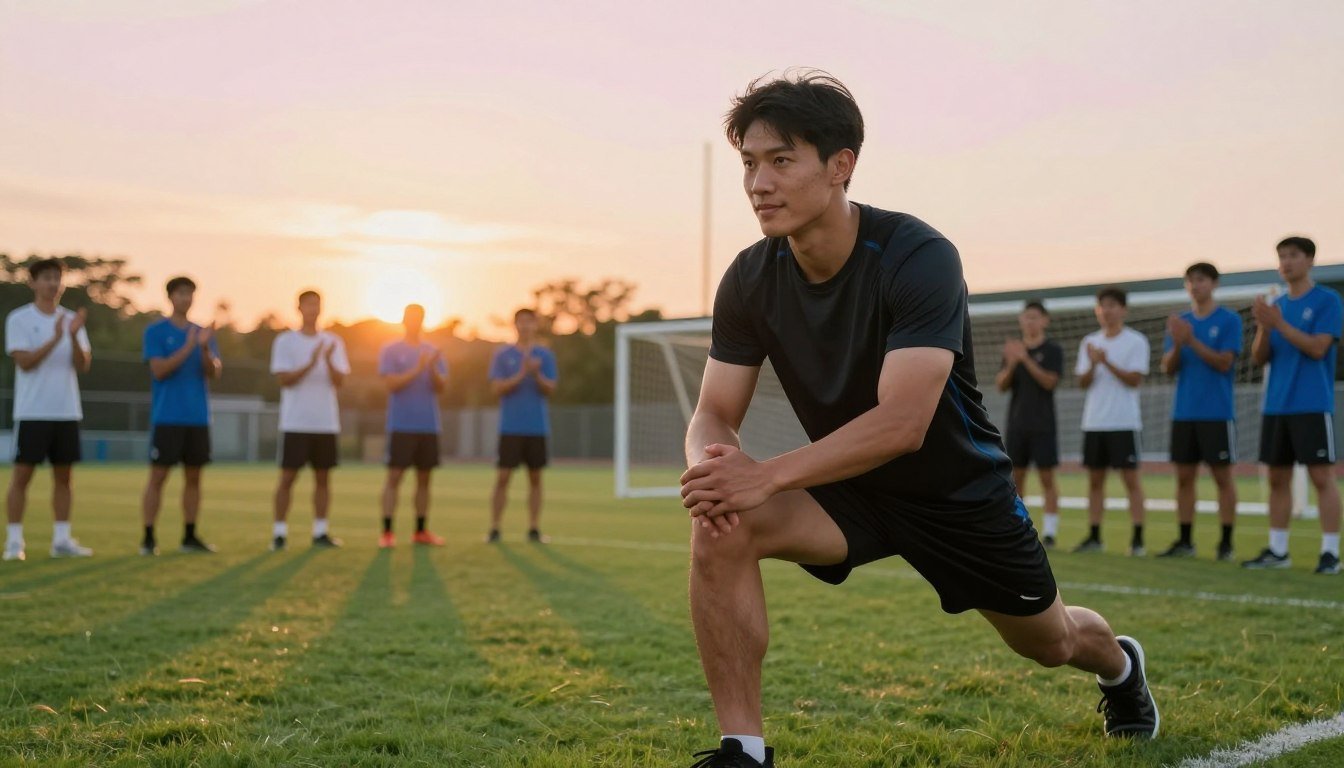
Have you ever wondered if you can safely get back in the game sooner than you think?
I’m Dr. Lokesh Chowdary R, MBBS, MS (Orthopaedics), Managing Director and Senior Orthopedic Surgeon at Boss Hospital, Magadi Main Road, Bangalore, near Kamakshipalya and RR Nagar.
When patients ask “When can I play again?” they mean one thing: am I healed enough for full activity. The safest answer depends on the type of injury, the demands of your sport, and how your body is healing right now.
Most problems improve with a clear plan, guided physiotherapy, and careful monitoring. I focus on accurate diagnosis, non-surgical care first, and surgery only when truly needed. Recovery takes time and a phased approach lowers the risk of setbacks.
This guide gives practical information on assessing readiness, staged rehab, typical timelines by injury type, and team-based care. If you have swelling, instability, locking, numbness, or repeating pain, book an appointment for a proper orthopedic evaluation.
How I decide if you’re ready to return to sport safely
My decision depends on what your body can actually do, not only how it feels. I use clear tests and clinic checks that measure readiness and reduce guesswork.
Why pain alone isn’t a reliable green light or red flag
Pain is useful information, but it does not tell the whole story. You may feel little pain yet lack control or strength that increases risk.
What I check in the clinic
I look for swelling, warmth, side‑to‑side motion, and strength symmetry. I watch single‑leg balance and controlled movement patterns that mimic sport demands.
Why accurate diagnosis matters before training restarts
Imaging or specialist tests are needed when I suspect a fracture, major ligament tear, meniscal damage, or nerve signs. Treating the right problem prevents setbacks.
| Check | What I test | Why it matters |
|---|---|---|
| Swelling & warmth | Observation and simple measurements | Persistent swelling shows tissue not ready for full load |
| Range of motion | Side‑to‑side comparison of joint motion | Limited motion alters mechanics and shifts stress |
| Strength & control | Single‑leg tests, squats, calf raises | Symmetry lowers repeat injury risk |
| Balance & movement | Single‑leg stance, step‑down, hop readiness | Coordination deficits often hide future problems |
I also address fear of re‑injury with a stepwise plan that uses present facts to rebuild confidence. My final call combines current function, your sport needs, and individual risk so you progress with a clear plan.
Return to sports after injury: the step-by-step recovery process I follow
I follow a clear five‑phase plan that guides recovery from day one until you safely rejoin play. Each phase has measurable goals and simple checks so progress is obvious and safe.
Rest and protect
Smart rest means reducing pain and inflammation while protecting the injured area. I encourage keeping other parts of the body active when safe.
Mobility and movement
Gentle, targeted exercises restore range of motion and prevent stiffness. Examples include guided joint glides and controlled stretches.
Strength and stamina
Progressive loading rebuilds muscles and endurance without overload. We watch next‑day symptoms and increase load slowly.
Coordination and proprioception
Balance drills retrain the nervous system so the joint can be trusted again. Single‑leg stands and wobble‑board work are common examples.
Sport‑specific training
In a controlled setting we add cutting, pivoting, jumping, and controlled contact drills. Volume comes before intensity, and straight‑line work precedes chaotic play.
- I’ll guide you with physiotherapy‑led sessions and clear home exercises.
- I progress volume before speed, and predictable drills before game scenarios.
- Rushing increases recurrence; each step depends on your response.
| Phase | Goal | Simple check |
|---|---|---|
| Rest/Protect | Reduce pain, control swelling | Pain and swelling down at rest |
| Mobility/Movement | Restore range of motion | Symmetry with opposite side |
| Strength/Coordination | Rebuild muscles and control | Single‑leg squat, hop test |
Recovery timelines by injury type and what typically delays return
Each kind of problem has a typical healing window, but I personalise timelines based on exam findings and sport demands.
Sprains and strains: restarting running, drills, full play
I let you progress when swelling is controlled and strength matches the other side. First comes easy running, then controlled drills, then full play when movement quality is safe.
Fractures and impact injuries: bone healing and graded loading
Bone healing needs proper diagnosis and sometimes immobilization. Graded loading begins only when imaging and pain signs show safe consolidation.
Knee pain, ligament and meniscus problems
Stability and strength symmetry matter most. I test single‑leg hops and landing mechanics before higher impact work.
Back and neck pain
I watch for nerve signs such as radiating pain or weakness. Rehab focuses on nerve protection, core control, and gradual movement progress.
Arthritis and active adults
Modify surface, footwear, and volume while strengthening surrounding muscles. Stopping all activity is rarely needed.
After orthopedic surgery: training vs competition
“Training” means progressive loading and drills. “Competition” needs proven endurance, reactions, and confidence under stress.
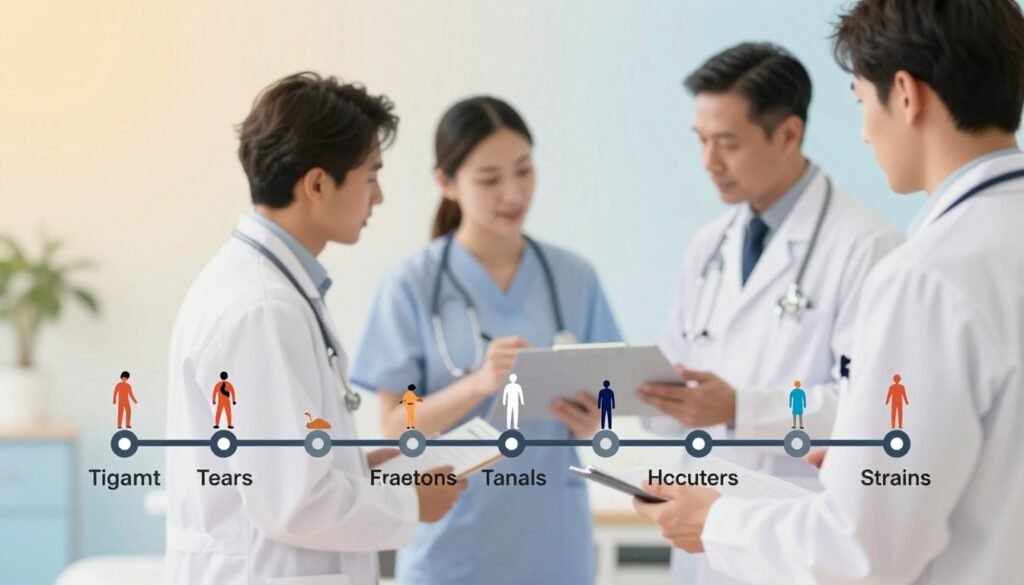
- I give ranges, not fixed dates—severity, tissue, and exam guide progress.
- Common delays: missed diagnosis, persistent swelling, weak muscles, poor sleep or nutrition, inconsistent rehab.
- Prevention needs conditioning, graded progress, and honest functional testing.
| Injury type | Typical range | Key check |
|---|---|---|
| Sprain/strain | 2–8 weeks | Strength symmetry, swelling down |
| Fracture | 6–12+ weeks | Radiographic healing, progressive load |
| Knee ligament/meniscus | 8–24 weeks | Stability, hop and landing tests |
Treatment options I prioritize before surgery
Before recommending surgery, I prioritise clear, evidence-based treatment plans that restore function while limiting downtime. My usual goal is symptom control, progressive loading, and a staged pathway led by a physiotherapist.
Pain control, smart rest, and activity modification
I use targeted pain management to reduce irritation and allow rehab work. Short courses of medication or local injections can help when needed.
Smart rest means avoiding full immobilization. I favour brief rest phases and safe activity that maintains fitness, such as upper-body work or low-impact cardio.
Physiotherapist‑guided rehabilitation
Rehabilitation is the foundation: mobility, progressive strength, balance training, and sport-specific drills come in phases. A physiotherapist adjusts intensity using clinic checks and functional tests.
When surgery becomes medically necessary
Surgery is reserved for unstable fractures, complete ligament ruptures in selected athletes, displaced tears causing mechanical blocking, or problems that fail proper conservative care.
- I protect early with bracing, taping, or short unloading to shorten total downtime.
- Supports, injections, and short medication courses may be adjuncts—not replacements—for rehab.
- I focus on correcting root causes to lower the risk of re-injury.
| Goal | Common option | When used |
|---|---|---|
| Symptom control | Pain management, short meds, injections | Severe pain limiting rehab |
| Maintain fitness | Activity modification, low-impact cardio | During short rest phases |
| Functional recovery | Physiotherapist-led rehabilitation | All non-surgical cases |
The best treatment matches the diagnosis and your sport goals, with safety guiding each decision.
The team approach that supports safe return-to-play
A structured team approach reduces guesswork and helps you rebuild confidence steadily. I coordinate care so each specialist has a clear role in the process.
How I coordinate care with physiotherapists, trainers, and rehab specialists
I work closely with your physiotherapist to match clinic findings with a tailored rehab plan. The physiotherapist focuses on mobility, strength, and muscle balance.
Sports trainers and rehabilitation specialists bridge clinic work and field training. They stage drills that increase exposure in controlled levels before full game demands.
Nutrition, sleep, and basics that support healing
Good nutrition and steady sleep speed tissue repair and muscle rebuilding. I recommend adequate protein, hydration, and consistent rest as simple health priorities.
Mental readiness: fear and rebuilding confidence
Fear after an injury is common and can linger even when tissues are healed. I use present-day facts—measured strength, controlled drills, and clearance from specialists—to retrain the brain and rebuild confidence.
Decisions are shared: I, your physio, trainers, and family weigh function, field demands, and safety before advancing levels of training.
| Team member | Role | Primary focus | When they lead |
|---|---|---|---|
| Sports physician (me) | Coordinate care | Diagnosis, safety decisions | Clinical clearance |
| Orthopaedic surgeon | Manage complex cases | Surgical care, post-op plans | Fractures or major repairs |
| Physiotherapist | Rehab planning | Mobility, strength, muscle control | Daily progression |
| Trainers & rehab specialists | Field training | Sport drills, functional exposure | Bridge to full play |
Conclusion
A safe comeback relies on clear diagnosis, staged progress, and objective checks—not wishful thinking. I prioritise accurate assessment and physiotherapy‑led plans before I consider surgery.
Listen to signs such as swelling, instability, or next‑day pain. These provide useful information that guides each step of recovery and prevents repeated injuries.
Every case is different. Sprains, fractures, knee problems, neck or back issues, arthritis, and post‑op care all need tailored pacing rather than fixed dates.
If you want a safer return to sports, book an orthopaedic evaluation so I can confirm the diagnosis and outline a stepwise plan. I’m Dr. Lokesh Chowdary R at Boss Multispeciality Hospital, Magadi Main Road, Bangalore (near Kamakshipalya and RR Nagar) for timely, practical care.