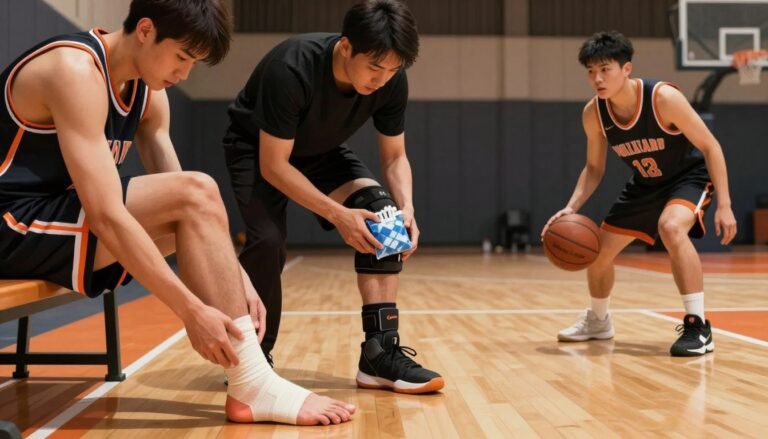

Shin Splints: Causes, Prevention, and Treatment for Runners
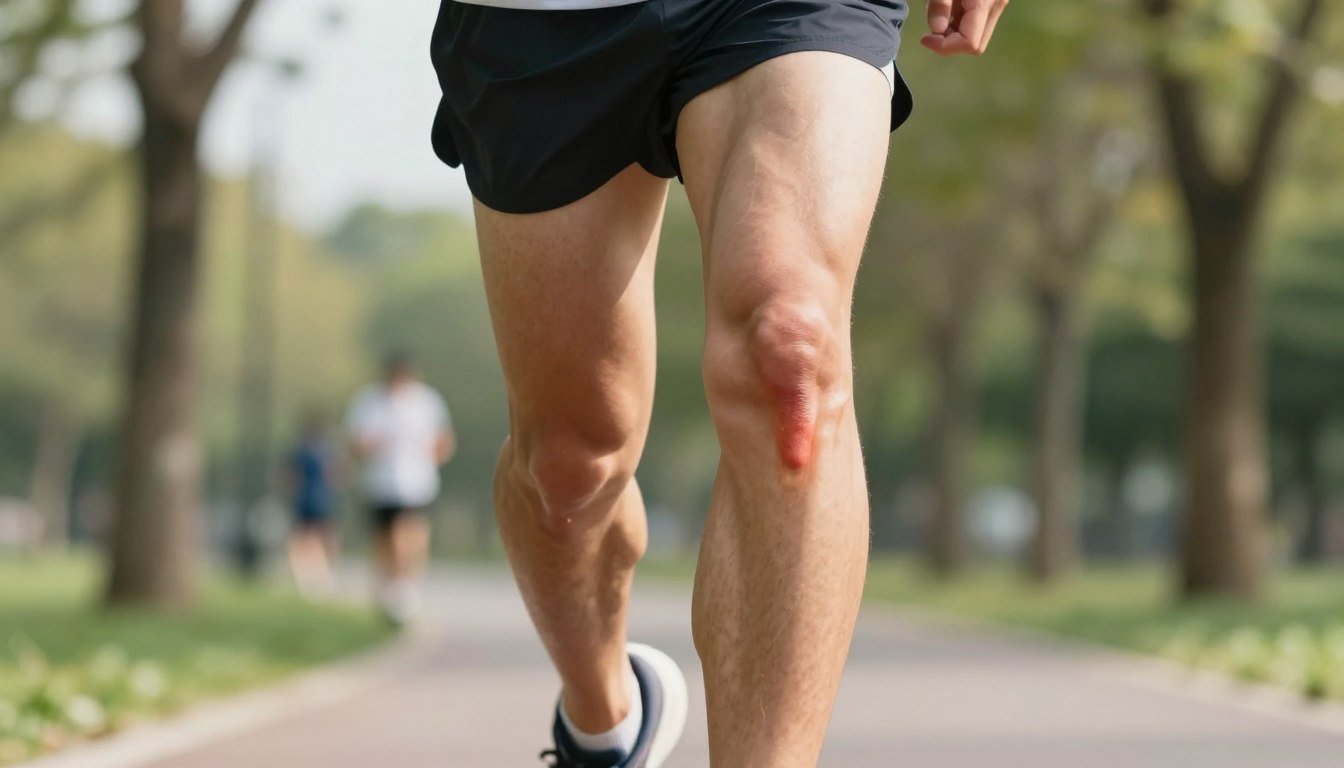
Have you ever wondered why a steady run leaves a nagging ache along the front of your lower leg and what the safest next step should be?
I’m Dr. Lokesh Chowdary R, MBBS, MS (Orthopaedics), Managing Director and Senior Orthopedic Surgeon at Boss Multispeciality Hospital, Magadi Main Road, Bangalore. I will guide you calmly through correct diagnosis, non-surgical care first, and physiotherapy-guided recovery.
Most cases of shin splints are an overuse issue from repeated impact during running or sudden training changes. Rest, smart load management, and targeted rehab usually help. Yet persistent or focal pain needs evaluation to rule out a stress fracture.
In this short guide I will explain what these symptoms mean, when to pause running, safe cross-training options, and simple home steps—rest, ice, and activity changes—before you visit the clinic.
I’ll also cover how footwear, training surface, and lower-leg strength shape recovery, and how to return safely without rushing.
What I mean by “shin splints” in runners
I often see runners who describe a dull lower-leg pain that starts during activity and lingers afterward. In clinic I call many of these cases tibial stress syndrome. That name simply means the tibia and the tissues around it are overloaded by repeated impact.
Tibial stress syndrome and why the tibia gets irritated
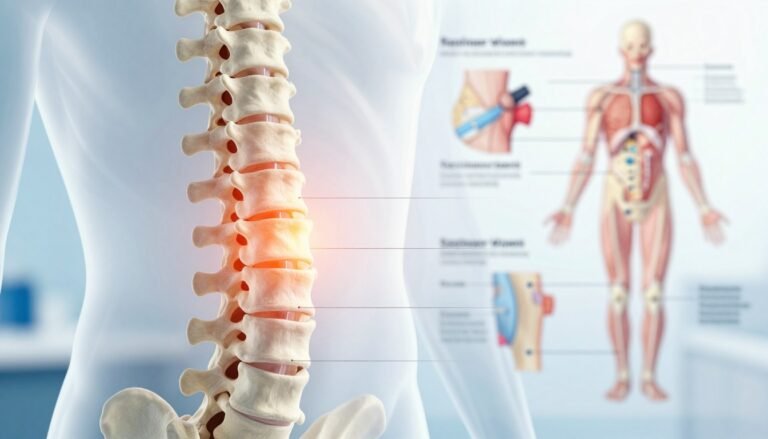
The tibia is a main load-bearing bone. With repeated running or jumping, the soft tissues that attach to it become inflamed before the bone itself shows harm. This is the common path of a stress syndrome.
Medial tibial stress versus anterior patterns
Medial tibial stress (the inner border) is the most frequent pattern. Anterior pain sits more toward the front of the lower leg. Matching your pain location helps me narrow the cause.
Why this happens with repetitive sports
- Sports with running, jumping, or sudden start-stop moves load the tibia repeatedly.
- When weekly training rises faster than tissue adaptation, pain accumulates.
- Not every lower-leg ache is the same; accurate diagnosis guides a proper non-surgical plan.
Symptoms of shin splints and how the pain typically feels
Many runners tell me their lower-leg ache begins slowly and follows them through a few runs before they seek advice. The usual pattern is a dull, aching pain that builds while you exercise and eases with rest.
Common pattern and daily trend
The most typical symptom is a gradual increase in discomfort during activity. You may notice less pain after stopping, but the trend over days matters more than one bad run. Persistent or worsening pain requires evaluation.
Where you feel it
Inner-edge tenderness often points to medial involvement, while soreness on the front of the lower leg suggests an anterior issue. Pressing along the tibial border can reproduce the pain and help map the area.
Swelling, tenderness, and what to watch for
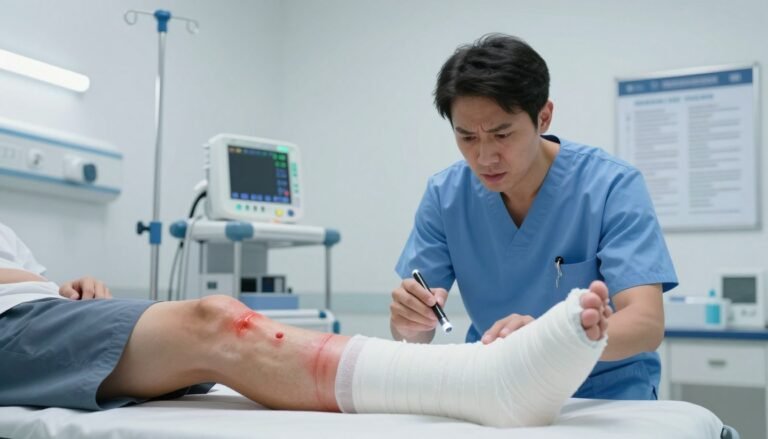
Mild swelling and local tenderness are common. Diffuse soreness along several inches of bone fits typical stress overload. A very sharp, focal spot that stays severe after rest is more concerning and should be checked.
| Pattern | Likely location | Common sign |
|---|---|---|
| Dull ache that worsens with activity | Inner edge of tibia | Diffuse tenderness along bone |
| Ache at front during running | Anterior lower leg | Soreness with dorsiflexion |
| Sharp focal pain or swelling that persists | Pinpoint spot on tibia | Needs prompt evaluation |
Common causes and risk factors I look for in the clinic
I begin every assessment by checking recent changes in your running routine, shoes, and the surfaces where you train. These clues often point to modifiable causes that I can address without surgery.
Training errors
A sudden increase in days, distance, or pace is the single most frequent trigger I see. Adding hills or speed work too early raises tibial stress faster than tissues adapt.
Running surfaces and city roads
Hard, uneven roads and sloped sidewalks common in Indian cities increase impact forces. Training on concrete or irregular footpaths raises the risk of recurrent symptoms.
Foot mechanics and leg-length
Flat feet, overpronation, or very rigid arches alter how forces travel through the foot and lower leg. A small leg-length difference can shift load to one side and keep problems coming back.
Muscles and shoes
Tight calves, weak hip stabilizers, and poor core control increase stress on the tibia during running. Worn-out or unsupportive shoes reduce cushioning and raise impact risk.
- I focus on fixable levers: reduce load now, improve shoes, then rebuild strength and flexibility.
- Simple changes—shorter runs, softer surfaces, supportive insoles—often break the cycle.
| Cause | Typical sign | Modifiable? | Quick clinical fix |
|---|---|---|---|
| Sudden routine increase | Gradual pain with runs | Yes | Cut volume by 30–50% and progress slowly |
| Hard/uneven surfaces | Worse on concrete or slopes | Mostly | Switch to softer ground or adjust route |
| Foot mechanics (flat feet/overpronation) | Inner-edge soreness, shoe wear patterns | Yes | Supportive shoes, insoles, gait check |
| Muscle weakness or tightness | Poor control, calf tightness | Yes | Targeted strengthening and stretching |
When shin pain might be something more serious than shin splints
When lower-leg pain keeps coming back or changes in character, I take a closer look for other causes. Persistent or focal discomfort can mean a different problem that needs timely review.
I watch for clear red flags. These signs help me decide if imaging or a specialist visit is needed rather than simple home care.
Stress fracture warning signs
Stress fractures are small cracks from overuse. I worry when pain becomes pinpoint on the bone, hurts at rest or night, or steadily worsens despite cutting back activity.
Tendinitis that mimics an overuse ache
Inflamed tendons around the ankle or lower leg can feel like an overuse problem. Tenderness with touch and pain during specific movements often points to tendon involvement.
Chronic exertional compartment syndrome — the exercise clue
This condition causes pressure build-up in a muscle compartment during activity. The key hint is pain that starts with exercise and usually settles soon after you stop.
- I take persistent pain seriously because it can progress to a stress fracture if ignored.
- Different conditions need different care paths; guessing wrong delays recovery.
- When symptoms don’t follow the usual “improves with rest” pattern, seek clinic assessment and imaging as advised.
| Condition | Key pain pattern | Red flags |
|---|---|---|
| Stress fracture | Focal bone pain, worse with load | Pain at rest, night pain, increasing intensity |
| Tendinitis | Activity-related tendon pain, local tenderness | Pain with specific movement, swelling near tendon |
| Compartment syndrome | Exercise-induced tightness, numbness | Pain that eases quickly after stopping activity |
How I diagnose shin splints and rule out other conditions
To diagnose lower-leg overuse I follow a stepwise approach: a focused history, a hands-on exam, and selective imaging only when needed. My aim is clarity and a safe return to activity, not unnecessary tests.
What I ask about your recent routine
I start by asking what changed in your training in the last week or month. I want specifics: new routes, added miles, hill work, or speed sessions.
I also check your shoes—are they older, different, or poorly cushioned? Small changes in footwear can shift load across the tibia and ankle.
How I examine the leg
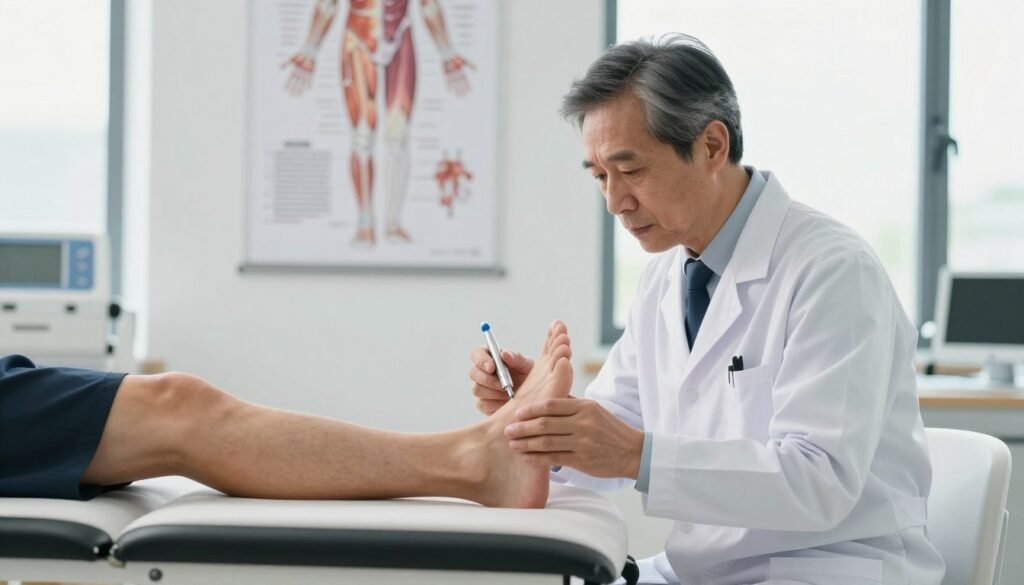
I palpate along the tibial border to see if tenderness is diffuse or sharply localized. Diffuse soreness fits overload; a pinpoint spot raises concern for a stress fracture.
I test related areas too—the ankle, calf, and foot—because tendon or biomechanical issues often mimic this pattern.
When imaging helps and which test I choose
If pain stays focal, worsens at rest, or won’t improve, I order imaging to rule out a stress fracture or other problem. X-rays can miss early stress changes.
MRI or a bone scan shows early stress injury. CT is reserved for specific fracture detail. I use tests to guide a safe plan before you resume running.
| Test | Best for | Notes |
|---|---|---|
| X‑ray | Obvious fractures | Quick, but may miss early stress |
| MRI / Bone scan | Early stress injury | High sensitivity for stress fracture |
| CT | Detailed bone detail | Used selectively for complex fracture |
shin splints treatment I recommend first for most runners
If your lower-leg pain flares with each run, the first steps I advise focus on reducing load while keeping you active.
Relative rest and activity modification
Relative rest means avoiding repetitive impact, not full bed rest. Pause running, skip sprints and hills, and cut weekly volume by about 30–50% until symptoms ease.
Replace high-impact sessions with low-impact exercise such as cycling, swimming, or an elliptical to maintain fitness without stressing the bone.
Ice therapy basics
Apply an ice pack for 15–20 minutes, several times a day, with a thin cloth between ice and skin. This helps reduce pain and local swelling safely.
Pain relief and medicines
Short courses of NSAIDs can ease pain and swelling for many runners. Use them only as advised, especially if you have stomach, kidney, or blood pressure concerns, and follow dosing guidance.
Compression and simple support
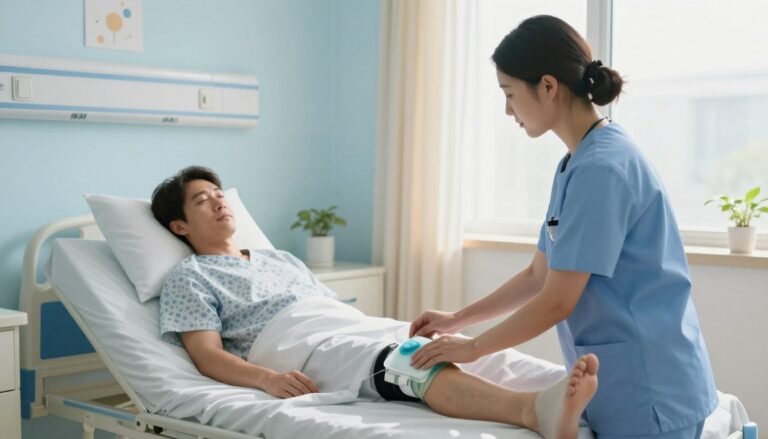
An elastic bandage or calf sleeve helps if the shins feel puffy after activity. Use light compression for comfort, not tightness that impairs circulation.
| Action | When to use | Expected benefit |
|---|---|---|
| Relative rest / cross‑train | During active pain | Reduces repetitive stress while keeping fitness |
| Ice (15–20 min) | Several times daily for first 48–72 hours | Lowers pain and swelling |
| NSAIDs (short course) | If pain limits activity and no contraindication | Temporary pain and inflammation control |
| Compression sleeve | After runs or when puffy | Comfort, reduced swelling |
Improvement often happens stepwise over days to weeks. If pain worsens, becomes focal, or persists beyond a few weeks, seek clinic review for further evaluation.
Physiotherapy-guided recovery and strengthening for long-term relief
Long-term relief depends less on rest and more on specific exercises guided by a physiotherapist. I focus on restoring muscle balance, flexibility, and running mechanics so the tibia and surrounding tissues stop receiving repeated overload.
Stretching focus: calves and lower-leg flexibility
Gentle calf stretches and ankle mobility drills reduce tightness that raises load on the lower legs. I ask patients to do short, consistent sessions rather than long, painful stretches.
Strengthening focus: hips, core, and lower-leg muscles
Stronger hips and core improve alignment. Targeted lower-leg exercises improve shock absorption. Typical work includes resisted ankle exercises, single-leg balance, and hip abductor sets.
Gait and running-form corrections
I assess cadence, foot strike, and arch collapse. Small form changes—like a modest cadence increase or reducing overstride—cut medial tibial stress when combined with strength work.
Foot support and adjunct options
Shock‑absorbing insoles or custom orthotics can help runners with flat feet or recurrent problems. If rehab is slow, clinicians may consider ultrasound, iontophoresis, or shockwave as adjuncts under guidance.
| Focus | Example | Why it helps |
|---|---|---|
| Stretching | Calf wall stretch, ankle circles | Improves flexibility, lowers load on tibia |
| Strength | Single-leg squats, hip abductor band work | Better control and shock absorption |
| Gait & Support | Cadence training, shock-absorbing insoles | Reduces repeat medial tibial stress |
How to return to running safely without triggering shin splints again
Before you lace up again, a simple checklist can help you restart running without reawakening pain. I use a clear rule: be pain-free during daily walking and without tenderness along the lower leg for at least two weeks before attempting a run.
My “pain-free first” rule
Do not resume running if you still feel pain on a normal day. Waiting reduces relapse risk.
Progress gradually
Start with shorter runs, fewer days per week, and lower pace. For example, cut distance to 30–40% of your pre‑injury load for the first week and then increase by 10% each week while watching symptoms.
Cross-training options
Keep fitness with low-impact exercise: cycling, swimming, or an elliptical. These activities let you train without high bone impact.
Warm-up, cool-down, and recovery
Use a 8–10 minute warm-up of easy jogging and dynamic leg drills. Cool down with gentle stretching and calf mobility work. Schedule at least one full rest or active recovery day per week.
If pain returns
If you feel pain during a run, stop immediately. Ice, rest for a day or two, then restart at a lower level rather than pushing through. Seek evaluation if pain persists or becomes focal.
| Phase | Actions | Goal |
|---|---|---|
| Pre-return | Two weeks pain-free during daily activity | Confirm tissue recovery |
| Week 1–2 | 30–40% distance, 2–3 runs, easy pace | Test tolerance |
| Progression | Increase volume 10% weekly, add one quality day at a time | Build load safely |
| Maintenance | Include cross‑training and recovery days | Prevent recurrence |
How to prevent shin splints with smarter training and the right shoes
Preventing lower‑leg overload starts with small, steady changes to how you train and what you wear. I focus on simple, repeatable habits that reduce load while keeping you active.
Build volume slowly and avoid sudden changes
I advise increasing weekly load by no more than 10% and keeping hard sessions to a limited number each week. Rest days are part of progress, not a weakness.
Choose supportive footwear and replace shoes before they break down
Pick shoes that match your foot shape and provide cushioning. Replace them when midsoles compress or tread wears unevenly—typically every 400–600 km for many runners in India.
Surface choices and load management
Mix softer tracks or trails with road work. Avoid long hill repeats early after a break. Uneven pavements increase impact and raise local stress.
Address flat feet and recurring pain with inserts or orthotics
For repeat problems or clear flat feet, consider shock‑absorbing insoles or custom orthotics after a gait check. These often help when good habits alone don’t stop recurrence.
| Prevention step | Action | Benefit |
|---|---|---|
| Gradual volume | +10% weekly | Allows tissue adaptation |
| Shoes | Supportive fit, replace at wear | Reduces repeated impact |
| Surface mix | Softer routes + limited hills | Lowers tibial load |
| Orthotics | Gait assessment, inserts if needed | Improves biomechanics |
Conclusion
Clear guidance helps most runners recover quickly and avoid repeated lower-leg pain.
Shin splints are usually an overload problem. Early correction of training load, stronger muscles, and better footwear prevent prolonged symptoms.
I emphasise accurate diagnosis because stress fracture, tendinopathy, and compartment issues need different care. Most people respond well to non-surgical care and physiotherapy; surgery is only when medically required.
Recovery varies by fitness, bone health, and how fast training errors are fixed. If pain persists, worsens, or returns, seek an in-person orthopaedic review so we can plan the right next step.
To book an appointment with me, Dr. Lokesh Chowdary R, visit Boss Multispeciality Hospital on Magadi Main Road, Bangalore (near Kamakshipalya and RR Nagar) for a personalised assessment.