
Juvenile Idiopathic Arthritis: Signs Parents Shouldn’t Ignore
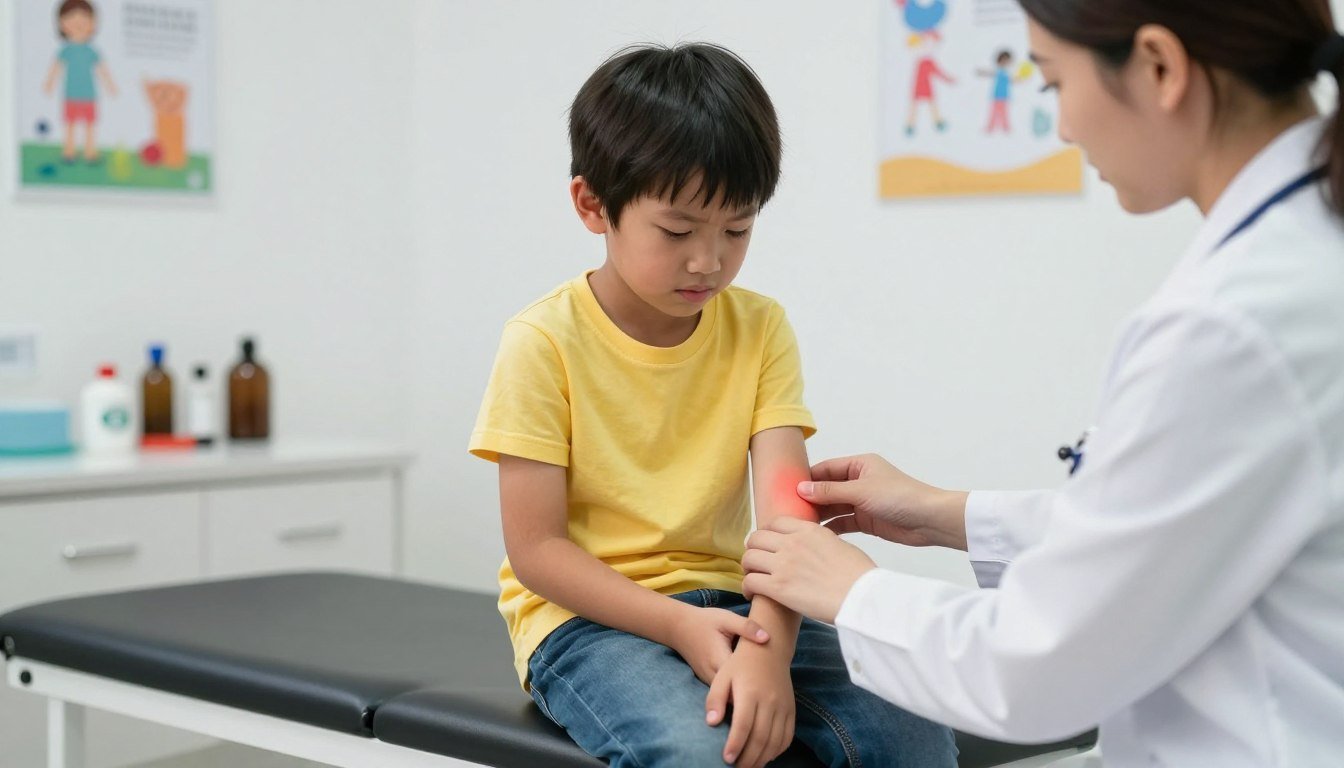
Could a few days of limping mean more than a scraped knee or growing pains?
I am Dr. Lokesh Chowdary R, MBBS, MS (Orthopaedics). I want to calm fears and help parents on Magadi Main Road, Kamakshipalya, and RR Nagar tell harmless aches apart from a condition that may need care.
Occasional soreness after play is common in children. But persistent swelling, stiffness, or changes in movement deserve attention because juvenile arthritis can slowly affect comfort and daily activities.
At its core, this disease is inflammation inside and around the joints. That inflammation can cause pain, stiffness, or limping even without a big injury, and it may reach the eyes if untreated.
My approach in clinic is steady and non‑alarmist: we begin with non‑surgical care like medication and physiotherapy and tailor plans for each child. This article will help you spot warning signs, know when to seek review, and understand tests and treatments so you can protect your child’s mobility and school life.
Understanding Juvenile Idiopathic Arthritis in Children
Small changes in walking or play may point to inflammation inside a joint. I explain this to families in plain language: “juvenile” means it starts in childhood and “idiopathic” means we do not have one clear cause for every case.
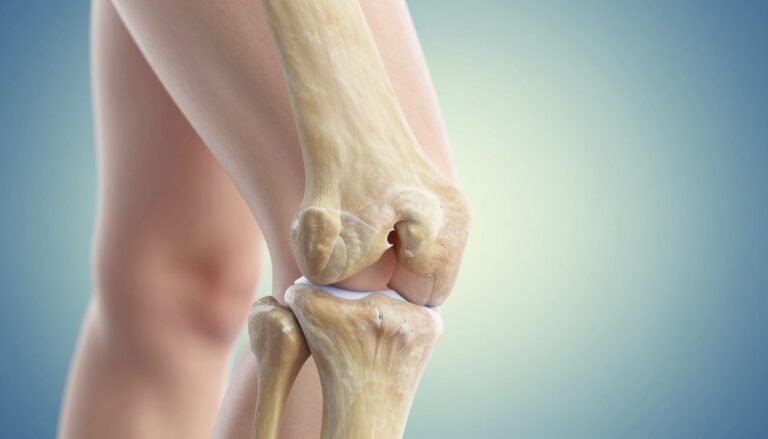
This condition is immune-driven. The lining of the joint, called the synovium, becomes inflamed and makes extra fluid. The joint looks puffy and feels stiff.
If inflammation continues, the cartilage and nearby bone can slowly suffer damage. That can change how a child walks, how they sit or run, and even affect growth if we wait too long.
I want parents to know this is not simply adult rheumatoid disease in a smaller body. Subtypes behave differently and may bring eye or growth issues that we check for early.
- Early treatment aims to control inflammation and protect function.
- Non-surgical care—medicine, physiotherapy, and monitoring—often keeps a child active at school and play.
| Joint change | Typical sign | Impact on function |
|---|---|---|
| Synovial swelling | Puffiness, limited movement | Difficulty squatting or climbing stairs |
| Cartilage thinning | Persistent stiffness | Reduced sports endurance, altered gait |
| Bone involvement | Growth disturbance or deformity | Limb length difference, posture changes |
How to Recognize Juvenile Arthritis Symptoms at Home
Parents notice small changes first: a child who avoids the slide or slows on the stairs. I want to give clear, calm steps you can use at home to spot warning signs without panic.
Morning stiffness and limping
Look for stiffness or a limp right after waking that eases as the day goes on. This “morning clue” is common and easy to watch for, even in kids who cannot explain how they feel.
Visible joint changes
Check for swelling, warmth, tenderness, or a child avoiding full bending or straightening. These signs show active inflammation in the joints and matter more than words.
Behavior and energy
Note fatigue, irritability, skipped sports, or a child asking to be carried more than usual. Changes in play or endurance often show the problem before a child names the pain.
Flares, remissions, and timing
Symptoms can come and go. A good week does not always mean full recovery. If changes last about six weeks or longer, bring the details to clinic review.
- Track which joint, time of day, how long stiffness lasts, and what activities are avoided.
- Note any fever, rash, or eye problems to report at the visit.
- Do not force painful stretches; use gentle movement and rest during flares.
| What to watch | When to see me |
|---|---|
| Persistent limp or morning stiffness | About six weeks of ongoing change |
| Visible swelling or warmth in joints | Any new or worsening swelling |
| Reduced play or lasting tiredness | If activity drops for several weeks |
I will ask these home-tracking details at your visit. That information helps me confirm if a child has juvenile idiopathic arthritis and whether conservative care like physiotherapy is appropriate.
Which Joints Are Commonly Affected and What That Suggests
Different joints tell different stories about a child’s pain and how it may change daily life. I look at patterns to guide tests, physiotherapy focus, and safe activity advice.
Large joint signs: knee, ankle, elbow
When the knee or ankle is involved, parents often notice limping, trouble climbing stairs, or avoiding running. Elbow problems may show as difficulty straightening the arm or pain during writing and play.
Small joints, jaw and neck
Swollen fingers or toes can make buttoning, pencil grip, and fine tasks hard. Jaw or neck inflammation may cause chewing trouble, reluctance to brush teeth, or a guarded neck posture.
Enthesitis — pain at tendon and ligament sites
Enthesitis feels like heel or knee pain where tendons attach to bone. It may not show much swelling but can limit walking or sports.
- Patterns help me suspect specific subtypes and plan monitoring.
- Send a short video of the limp and photos of swelling to speed assessment.
- Early pattern recognition guides targeted therapy so your child stays active safely.
| Joint group | Common signs | Impact on function |
|---|---|---|
| Large (knee, ankle) | Limping, stiffness | Limits climbing, running |
| Small (hands, feet) | Puffy fingers, weak grip | Harder handwriting, buttoning |
| Entheses, jaw/neck | Heel pain, chewing difficulty | Alters gait, posture |
Types of Juvenile Idiopathic Arthritis and the Clues Parents Can Spot
Noting which joints change and how they change gives useful clues for diagnosis. I use subtype labels to predict patterns, plan monitoring (for example, eye checks), and shape treatment. Below I describe each type in plain language and what you might see at home.
Oligoarticular: fewer than five joints
This type often starts in one large joint, commonly the knee. You may see swelling or reduced bending, sometimes with little pain.
Oligoarticular needs eye screening because uveitis can be silent but harmful.
Polyarticular: five joints or more
Here the condition affects five joints or more and often appears on both sides of the body. Small joints of the hands or feet, jaw, and neck can be involved.
Systemic type with fever and rash
Systemic disease shows as high spiking fever for at least two weeks and a rash that comes with the fever. The child may look unwell beyond joint changes.
Psoriatic type
Look for scaly skin patches, nail pitting, or sausage-like swelling of a finger or toe. A family history of psoriasis can be a helpful clue.
Spondyloarthritis / enthesitis-related
This pattern often causes hip, lower back, or heel pain and stiffness. Boys older than seven are commonly affected, and eye inflammation can occur.
- Why types matter: they guide monitoring (eye checks), tests, and treatment intensity.
- Keep a simple diary: which joint, timing, any fever or rash, and loss of activity.

| Type | Key clues | What I check next |
|---|---|---|
| Oligoarticular | One or a few large joints, mild pain | Eye screening, joint exam |
| Polyarticular | Five joints or more, symmetric small joint involvement | Blood tests, imaging, tailored therapy |
| Systemic | High fever, rash with fever, whole-body illness | Urgent review, organ checks, blood tests |
I label types to help plan care, not to alarm. With early review and stepwise treatment many children keep active and do well.
Signs That Need Prompt Medical Review
Certain warning signs need quick review so we can protect your child’s eyes, growth, and mobility.
Eye checks and hidden uveitis
Eye involvement is a key “don’t‑miss” issue. Uveitis can be silent and may not cause obvious redness or pain.
If a child has eye redness, light sensitivity, blurred vision, or a gritty feeling, seek review. Even without these, I arrange slit‑lamp screening because only an ophthalmologist can rule out silent uveitis.
Fever with rash and whole‑body illness
High fevers that spike for about two weeks with a rash and a child who looks unwell need urgent assessment. This pattern can indicate systemic disease that needs prompt tests and care.
Severe loss of function, pain, or inability to bear weight
Rapid refusal to walk, severe pain, or sudden swelling may signal infection, fracture, or other urgent problems. Do not manage these at home alone; bring the child for immediate evaluation.
Growth concerns
Watch for one limb seeming longer, a persistent bend at the knee, uneven walking, or slowed height gain. Ongoing inflammation can affect growth and cause limb‑length difference if not controlled.
| Red flag | Why it matters | What I do next |
|---|---|---|
| Eye changes or silent risk of uveitis | Can cause sight damage if missed | Urgent ophthalmology slit‑lamp exam |
| High fever ≥2 weeks with rash | May indicate systemic inflammation | Immediate clinic review and blood tests |
| Inability to bear weight, severe pain | Could be infection or fracture | Same‑day assessment, imaging if needed |
| Uneven limb length or slowed growth | Chronic inflammation can affect bone growth | Review growth charts and plan targeted treatment |
While you arrange care, avoid strenuous activity, use age‑appropriate pain relief as directed, and document fever patterns and rash photos for the visit. Prompt review often leads to effective, non‑alarmist treatment to protect your child’s long‑term function.
How I Diagnose JIA in the Clinic
In clinic I begin by listening closely to the story of your child’s movement and daily changes. A clear history helps me focus the examination and plan any tests or referrals.
Medical history and timeline
I ask about when the change started, whether stiffness is worse in the morning, and if activity helps or hurts. I also ask about recent infections, falls, or injuries because those can mimic inflammatory disease.
Family history of autoimmune disease or psoriasis is important. It guides screening and whether I involve a pediatric rheumatology or ophthalmology doctor early.
Physical examination
My exam is gentle and child-friendly. I check for swelling, warmth, tenderness, and measure range of motion.
I watch gait, turning, squatting, and stair climbing to see which joint limits function. That observation often narrows the likely joint involved.
Diagnosis criteria and next steps
I follow standard criteria: a child under 16 with inflammation in one or more joints lasting around six weeks, after ruling out injury or infection. Diagnosis often needs more than one visit as we track change over time.
- I may order blood tests or imaging to support my clinical diagnosis.
- I refer to specialists when eye screening or specialist care is needed.
| Step | Focus | Why it matters |
|---|---|---|
| History | Timeline, triggers, family | Guides likely causes |
| Examination | Swelling, motion, gait | Localizes affected joints |
| Follow-up | Tests, referrals | Confirms diagnosis and plan |
Tests and Imaging I May Recommend
To decide the next steps, I use specific blood and imaging tests that give reliable clues. No single exam proves the diagnosis; together they guide treatment and avoid needless procedures.
Blood tests for inflammation and clues
I routinely order basic blood tests: ESR, CRP, and CBC. ESR and CRP show whether inflammation is active. A CBC can point to infection or changes in blood counts that need attention.
Autoimmune markers I check
I may request ANA, rheumatoid factor, and HLA-B27 typing. ANA helps me judge uveitis risk and plan eye screening. Rheumatoid factor can suggest a polyarticular pattern, while HLA-B27 points toward enthesitis-related disease.
Imaging choices and what they tell us
Imaging complements blood work. X-ray looks for bone or growth changes. Ultrasound finds active synovitis and fluid. MRI gives the clearest view of soft tissue and bone marrow—useful for the knee, hip, or jaw; it sometimes requires sedation in young children.
- I explain what each test can and cannot show, and why we avoid unnecessary testing.
- Results shape orthopedic planning and physiotherapy focus, not just medication decisions.
- We weigh MRI benefits against the need for sedation before ordering it.
| Test | What it shows | When I use it |
|---|---|---|
| ESR / CRP | Level of inflammation | To track active disease and response to therapy |
| Ultrasound | Synovial fluid and active swelling | To confirm synovitis and guide injections if needed |
| X-ray | Bone change, growth plate issues | When long-term damage or growth concern is suspected |
| MRI | Detailed soft tissue and marrow inflammation | When deeper assessment of joints like the knee is needed |
Treatment Pathway: Controlling Inflammation and Protecting Joints
I use a stepwise plan so families know what to expect and when I add stronger medications or therapies.
Starting with NSAIDs for pain and inflammation
I often begin with nsaids (nonsteroidal anti-inflammatory drugs) to ease pain and reduce swelling. These anti-inflammatory drugs help short-term comfort while we watch progress.
DMARDs such as methotrexate
If inflammation persists or several joints are involved, I discuss dmards like methotrexate. These drugs take weeks to months to show full benefit and need regular tests and monitoring.
Biologics for persistent or aggressive patterns
For more aggressive or unresponsive cases, biologic medications target specific immune pathways. I choose these in collaboration with pediatric rheumatology and monitor closely.
Corticosteroids and safety
Steroids work fast but I use them sparingly. We aim for the lowest dose and shortest course because of growth and infection risks.
Physiotherapy and rare role of surgery
Physiotherapy restores motion, builds strength, and plans safe return to sport and school life. Surgery is uncommon today and is reserved for persistent deformity despite optimal care.
| Goal | What I do | Timeline |
|---|---|---|
| Calm inflammation | NSAIDs → DMARDs → Biologics | Weeks to months |
| Protect growth & function | Monitoring, physiotherapy, eye checks | Ongoing |
| Limit side effects | Lowest steroid dose, regular tests | Short term |
Conclusion
If your child changes how they play or walks differently for more than a few weeks, it deserves a calm check. Persistent joint swelling, morning stiffness, limping, tiredness, fever or rash patterns are signs not to ignore.
I use a clear workup: detailed medical history, a focused physical examination, and targeted tests or imaging when needed. Early diagnosis and treatment help control inflammation, reduce pain, and protect growth and long‑term function.
Treatment is stepwise and tailored—many children improve with timely medications and a structured physiotherapy plan. Recovery varies, and I will guide you through safe choices without promises of a fixed outcome.
If you are concerned, book an appointment with me, Dr. Lokesh Chowdary R, at Boss Multispeciality Hospital, Magadi Main Road, Bangalore (near Kamakshipalya and RR Nagar) for a thorough orthopedic evaluation and next steps.