
Anti-Inflammatory Diet for Arthritis: Foods to Eat and Avoid
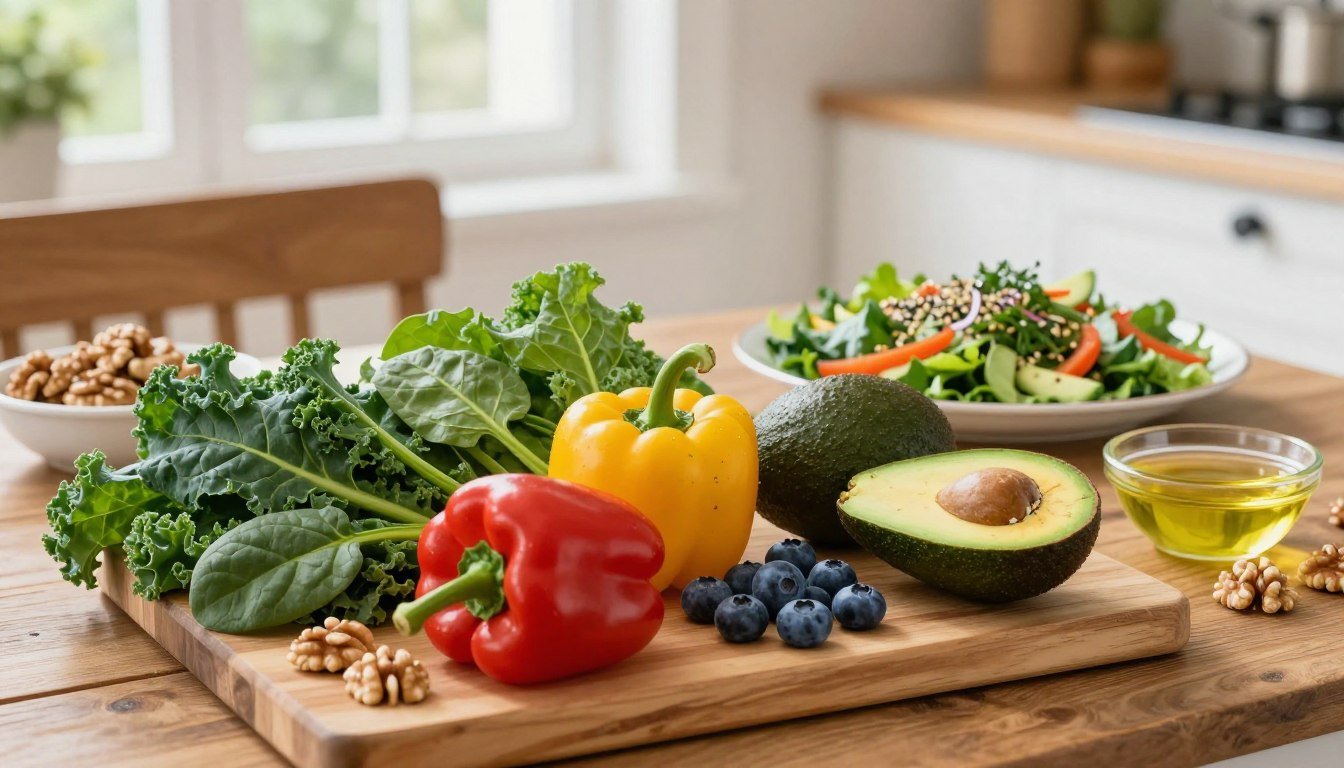
Can a change at the dinner table really ease your daily joint pain and stiffness?
I am Dr. Lokesh Chowdary R (MBBS, MS – Orthopaedics), and I ask this question often at Boss Multispeciality Hospital, Magadi Main Road, Bangalore.
Patients want simple, reliable steps they can follow. They ask which foods help lower inflammation, protect the heart, and support mobility without replacing medical care.
Arthritis is common and affects knees, hands, spine, and other joints. Joint pain usually has multiple causes: inflammation, cartilage wear, posture, muscle weakness, or past injury.
I explain that a Mediterranean-style pattern supports overall health and can lower the body’s inflammation load when used consistently. It helps weight control and heart health, but it is not a substitute for diagnosis, imaging, medicines, or physiotherapy-guided recovery.
In this article I will show how inflammation works, why the arthritis type matters, practical foods to eat and avoid, and simple steps to start. Results vary, and I guide patients toward safe, evidence-informed choices.
What I Mean by “Inflammation” in Arthritis and Joint Pain
When a joint hurts, inflammation is often the signal—sometimes helpful, sometimes harmful. I tell patients that inflammation is the immune system’s repair team. After a sprain, fracture, or soft-tissue injury it brings cells that clean up and rebuild tissue.
When inflammation helps — and when it does not
Acute inflammation is short-lived and useful for healing. Chronic inflammation, however, keeps sending signals inside the joint. That ongoing activity can cause constant tenderness, swelling, and stiffness.
- It is the body’s normal repair response after injury.
- When it fails to switch off, it amplifies pain and reduces range of motion.
- Chronic inflammation can affect walking, gripping, stairs, and sleep.
Why diagnosis and individualized care matter
Not every ache is arthritis, and not every arthritis is the same disease. I focus on identifying the cause so we can combine medical care, movement therapy, and supportive eating patterns to lower inflammation while treating the root problem.
| Feature | Acute | Chronic |
|---|---|---|
| Duration | Days–weeks | Months–years |
| Common signs | Warmth, swelling | Tenderness, stiffness |
| Impact | Helps healing | Limits function |
Which Type of Arthritis You Have Matters for Your Diet Plan
Different joint conditions behave differently, so one eating plan won’t fit everyone. I explain this to patients so they know why tests and a clear diagnosis matter before making changes.
Rheumatoid arthritis and the immune system
In rheumatoid arthritis the immune system wrongly targets joint tissues. That attack irritates nerves and causes ongoing inflammation, swelling, warmth, and long morning stiffness.
Dietary changes may lower systemic inflammation and support symptom control, but they are a support pillar alongside rheumatology-guided medicines and care.
Osteoarthritis, wear-and-tear, and weight
Osteoarthritis is a wear-and-tear disease: cartilage thins, cushioning drops, and bones can rub. Pain and stiffness most often affect knees, hips, and spine.
Excess body weight raises joint load and speeds symptom progression. Gradual, safe weight loss often reduces pain and improves mobility.
- Your nutrition plan should match the specific diagnosis and risk profile.
- Blood tests, X-rays, or specialist review may be needed before major changes.
- Even when we cannot reverse structural change, combined care, exercise, and sensible eating can improve function and quality of life.
| Feature | Rheumatoid Arthritis | Osteoarthritis |
|---|---|---|
| Main process | Autoimmune inflammation attacking joints | Cartilage wear and mechanical stress |
| Common symptoms | Swelling, warmth, prolonged morning stiffness | Activity-related pain, stiffness after rest |
| Role of weight | Weight affects overall health and immune risk | Higher weight increases joint load and pain |
How an Anti-Inflammatory Diet Supports Arthritis Care Without Replacing Treatment
A steady pattern of whole foods often matters more for joint health than an occasional ‘superfood’. I use eating patterns to support medical care, not to replace it.
Patterns beat single foods
Research shows overall intake of fiber, healthy fats, and plant polyphenols has more impact on inflammation than isolated items. Small, consistent swaps across weeks change the body’s response more than one-off meals.
Key nutrients and blood markers
CRP is a simple blood marker linked with inflammation. Studies link higher omega-3 intake and more fiber with lower CRP and IL-6 levels.
How nutrition complements physiotherapy and recovery
Good nutrition helps muscle strength, energy for exercise, and weight control. That reduces joint load and improves function during physiotherapy.
- Omega-3s, fiber, antioxidants and polyphenols repeatedly show benefits in trials.
- Olive oil contains oleocanthal, which can mimic mild COX inhibition seen with NSAIDs in lab studies.
- An eating pattern can lower inflammation signals in the blood but does not replace prescribed medicines or specialist care.
| Nutrient | Common effect on markers | Practical sources |
|---|---|---|
| Omega-3 | Lower CRP/IL-6 | Fatty fish, flaxseed |
| Fiber | Lower CRP | Whole grains, legumes |
| Polyphenols | Antioxidant support | Fruits, green tea |
Expect variation. Some patients feel less morning stiffness; others gain energy or lose weight. If pain or swelling worsens, seek evaluation promptly to rule out injury or active disease.
anti-inflammatory diet arthritis: The Eating Pattern I Recommend Most Often
I recommend a Mediterranean-style approach in clinic because it is realistic, flexible, and supports joint function and heart health.
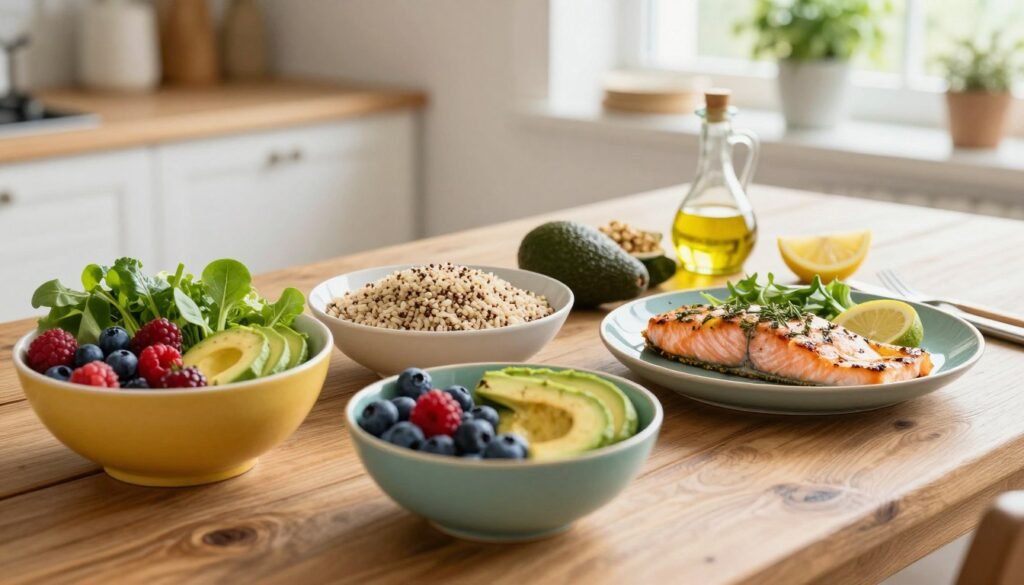
Mediterranean principles that support joints and the heart
Focus on vegetables, fruits, whole grains, fish, nuts, and olive oil. These choices improve nutrition, support weight control, and can reduce inflammation over time.
In India you can follow the same pattern with dals, millets, seasonal vegetables, roasted nuts, and small portions of fatty fish or plant omega-3 sources.
DASH basics for blood pressure and inflammation control
DASH emphasizes potassium-rich foods, more fiber, and less added salt. It lowers blood pressure and complements joint care when hypertension is present.
Shared features and practical notes
- Whole foods over ultra-processed items.
- Better fats (unsaturated oils and nuts) instead of saturated fats.
- Steady fiber from grains, beans, and vegetables to support gut and inflammation control.
| Pattern | Main focus | Clinical benefit |
|---|---|---|
| Mediterranean | Olive oil, fish, vegetables | Heart protection, weight control, lower inflammation |
| DASH | Potassium, low salt, whole grains | Lower blood pressure, reduced cardiometabolic risk |
| Common | Whole foods, healthy fats, fiber | Joint support and overall health benefits |
I stress realistic, sustainable choices. The best plan is the one you can follow long term and that fits medical care, existing conditions, and physiotherapy-guided strengthening.
Foods to Eat More Often for Arthritis-Friendly Anti-Inflammatory Effects
Simple food swaps at meals can ease swelling and help you move better. I focus on familiar, affordable items that fit an Indian kitchen and support recovery.
Fatty fish and omega-3 fatty acids
Fatty fish like salmon and sardines (3–4 oz twice weekly) supply omega-3 fatty acids linked to lower CRP and IL-6. That may ease joint swelling and morning stiffness for some patients.
Nuts, seeds, and healthy fats
A small handful of nuts (~1.5 oz daily) gives monounsaturated fats, fiber, and vitamin B6. Walnuts and seeds are useful sources without adding excess calories.
Colorful produce, leafy greens, and whole grains
Berries (blueberries), citrus, and other fruits supply antioxidants such as anthocyanins and vitamin C. Aim for many servings of fruits and vegetables each day.
Leafy greens (spinach and similar vitamin K–rich vegetables) fit easily into dal, sabzi, or soups and are linked with lower inflammatory markers.
Choose whole grains and millets over refined grains for steadier blood sugar and better inflammation control.
Olive oil, beans, and spices
Extra virgin olive oil (2–3 tbsp/day) contains oleocanthal, which has mild COX-inhibiting properties—use it for salads or low-heat cooking. Beans provide fiber, phytonutrients, and affordable protein to support muscle around joints.
Turmeric, ginger, garlic, and green tea contain useful compounds and can be included regularly, but they are not substitutes for prescribed medicines.
- Practical daily pattern: fish twice weekly, nuts daily, beans several times weekly, wide variety of fruits and vegetables, and most grains whole.
| Item | Portion | Typical sources |
|---|---|---|
| Fatty fish | 3–4 oz, 2×/week | Salmon, sardines |
| Nuts/seeds | ~1.5 oz daily | Walnuts, almonds, flaxseed |
| Beans & grains | Beans 1 cup 2×/week; whole grains ~6 oz/day | Dal, millets, brown rice, oats |
Foods to Limit or Avoid When You’re Trying to Reduce Inflammation
I focus on realistic limits rather than strict bans to help people stick with changes long term. Small cuts in commonly eaten items can lower metabolic stress, lessen pain sensitivity, and support overall health.
Ultra-processed items and common triggers
Packaged snacks, sugary drinks, instant noodles, and deep-fried fast food often combine refined carbs, excess salt, and unhealthy fats. Eating these daily raises the body’s inflammatory load and the risk of long-term disease.
Saturated fats and repeated frying
Diets heavy in fried food, fatty meats, or repeatedly reheated oil increase saturated fat intake. I suggest swapping these with healthier fats like nuts, seeds, or small amounts of cold-pressed oils more often.
Refined grains, added sugars, alcohol and salt
White flour and sugary treats cause blood sugar swings and add metabolic stress. Gradual swaps—more whole grains and fruit—are practical and sustainable.
Alcohol and excess salt can worsen recovery, disturb sleep, and interact with medicines. If you have high blood pressure or heart risk, lower salt fits well with DASH-style choices.
| Food to limit | Why limit | Practical swap |
|---|---|---|
| Packaged snacks & sugary drinks | Raise inflammation and metabolic risk | Fresh fruit, roasted chana, water or spiced buttermilk |
| Deep-fried items & fatty meats | Higher saturated fat and repeated oil use | Grilled fish, legumes, or roasted vegetables |
| Refined grains & sweets | Blood sugar spikes and added calories | Millets, brown rice, oats, and whole-grain roti |
Small, steady changes work best with your medical care and physiotherapy. I tailor advice to each person’s risk, health goals, and medications.
What About Nightshade Vegetables Like Tomato, Potato, and Brinjal?
Many patients ask whether common nightshades — tomato, potato, brinjal (eggplant), and peppers — cause more joint pain. I address this calmly in clinic because it is a frequent concern for people trying to manage arthritis by changing foods.
Why there’s no strong scientific proof they trigger flares for everyone
Overall, research does not show clear evidence that nightshades cause flares in everyone with joint disease. These vegetables are nutrient-dense and often fit well into a balanced plan. Most trials and reviews find no consistent link between nightshades and higher markers of inflammation.
How to do a short, safe elimination-and-rechallenge if you suspect a personal sensitivity
If you think a specific nightshade worsens your symptoms, try a simple test at home.
- Remove all nightshades for 2–3 weeks while keeping the rest of your intake steady.
- Track swelling, stiffness duration, and daily pain scores in a notebook or app.
- Reintroduce one item at a time (for example, tomato for 3 days) and watch for changes.
Avoid long-term, broad restrictions that lower nutrition, especially in older adults or those recovering from surgery. If swelling, redness, fever, or rapid worsening occurs, stop the experiment and seek medical review promptly.
How to Start This Diet in Real Life and Stick With It
Practical steps in the kitchen matter more than perfect recipes. I show simple, repeatable moves that fit an Indian household and support long-term health and recovery.
My simple plate method for building meals at home
Make half the plate vegetables and leafy greens. One quarter should be protein—dal, beans, eggs, lean meat or fish. The last quarter is high-fiber carbs from whole grains.
Add a small measured spoon of healthy oil, like extra virgin olive oil, at meals for flavour and fats.
Indian kitchen swaps and omega-3 options
- Choose roasted or steamed over deep-fried to cut unhealthy fats.
- Mix ground flaxseed or chia into raita or porridge if you don’t eat fish.
- If you consider supplements, discuss them with your clinician—especially before surgery or if you take blood thinners.
Grocery, cooking and portion tips
Batch-cook dal and beans, keep frozen vegetables, buy seasonal fruit, and portion nuts into small containers. Aim for fish twice weekly, a small handful of nuts most days, and many servings of fruits and vegetables each day.
| Focus | Practical aim | Why it helps |
|---|---|---|
| Whole grains | Make them main grain | Steadier energy and better nutrition |
| Olive oil | 2–3 tbsp/day total | Healthy fats that support care and recovery |
| Beans & fish | Beans 1 cup twice weekly; fish 2×/week | Protein for muscle, omega-3 for inflammation |
Small, steady changes improve nutrition, help you attend physiotherapy, and reduce joint pain over time. I personalise plans for diabetes, thyroid, kidney issues, or post-op recovery—progress matters more than perfection.
Conclusion
Small, steady changes at meals often give the biggest wins for joint comfort and overall health. A consistent anti-inflammatory diet arthritis plan—more whole foods, plant-forward plates, healthier fats and fewer ultra-processed items—works best over time.
I emphasise that arthritis is a broad term and the right plan depends on the exact diagnosis. Nutrition supports medical care and physiotherapy but does not replace medicines, injections, or surgery when those are needed.
Most patients who improve food quality and lose weight gradually report better mobility, less pain, and improved heart and blood markers. Results vary with each person and each disease process.
If you have persistent joint swelling, repeated injuries, or difficulty walking, please book an evaluation. Visit me at Boss Multispeciality Hospital, Magadi Main Road, Bangalore (near Kamakshipalya and RR Nagar) for a personalised assessment and safe recovery plan.