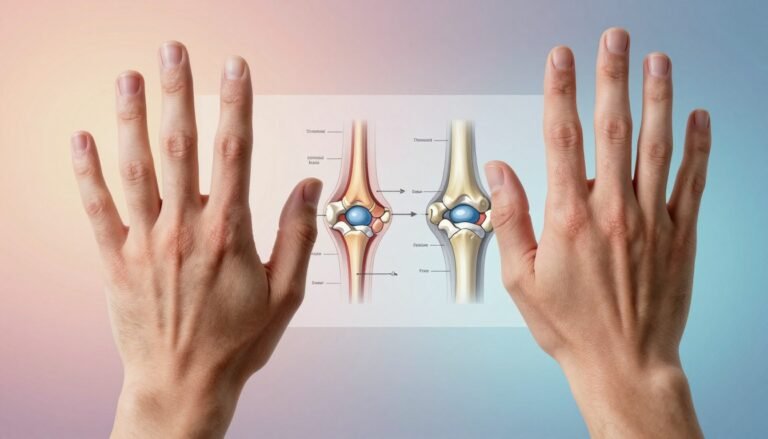

Spinal Arthritis (Spondylosis): Causes and Treatment Options
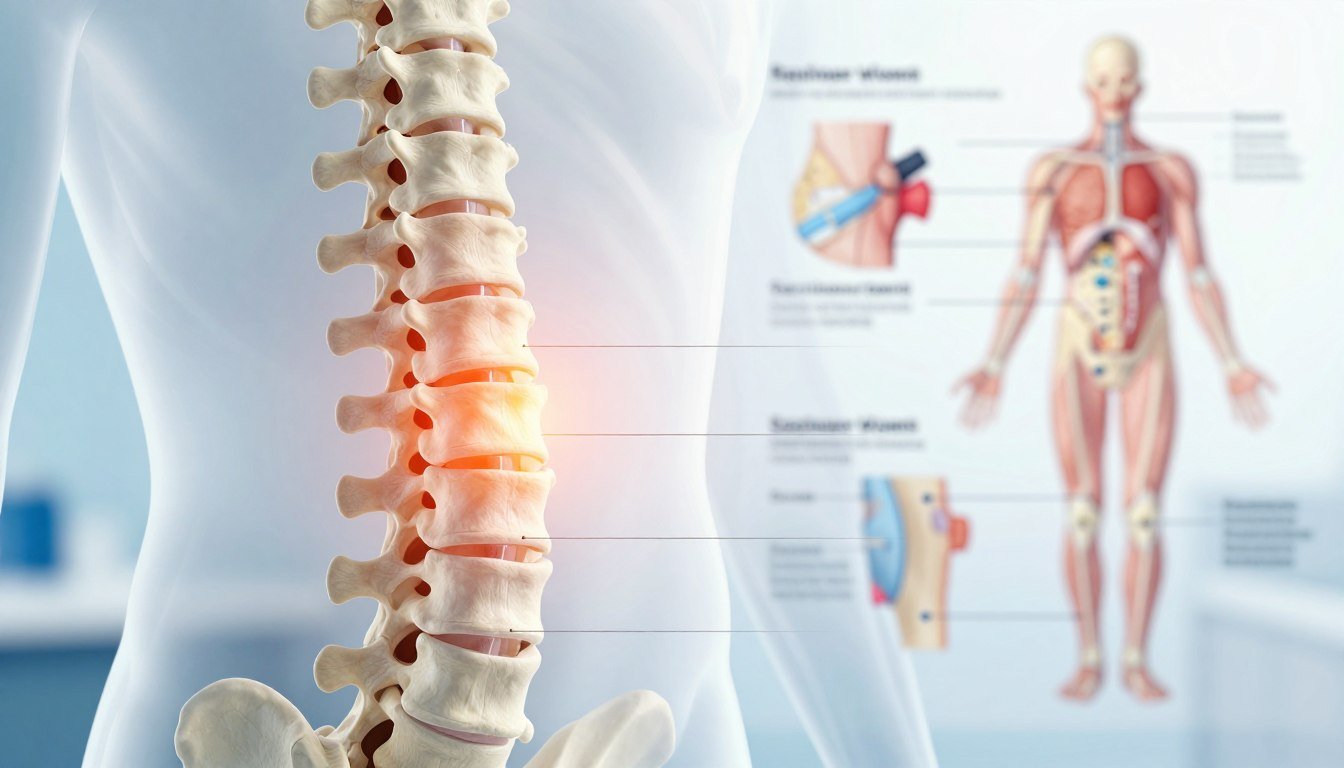
Have you ever wondered if your neck or lower back pain is more than just a muscle strain?
I am Dr. Lokesh Chowdary R, MBBS, MS – Orthopaedics. In my clinic on Magadi Main Road, I see many people with joint changes in the spine that cause stiffness, pain, and inflammation. This condition is often called spondylosis in wear-and-tear cases.
With an early and accurate diagnosis, most patients can keep doing daily activities. I focus on non-surgical care and physiotherapy-led recovery when possible. We will review causes, risk factors, the symptoms that matter, how I confirm the diagnosis, and sensible treatment options tailored to you.
Changes from arthritis are not always reversible, but pain and function can improve with medication, targeted exercises, posture work, and activity modification. Recovery varies by person, and surgery is reserved only for clear nerve compression or instability.
If you’d like a clear plan and calm guidance, book an appointment so we can assess your back and map a safe path forward.
What spinal arthritis means in your back and neck
When neck or low back stiffness stays with you, the tiny joints between vertebrae may be the cause. I call this condition spinal arthritis when there is wear or inflammation in those link points. Symptoms commonly include stiffness, local ache, and brief flare-ups of sharper pain.
How joints and inflammation produce symptoms
Cartilage that cushions joint surfaces can thin over time. That wear leads to joint irritation and tighter nearby soft tissue. You often notice more stiffness after rest or first thing in the morning.
Why many people stay active with the right plan
I explain that this is not a single disease. It may be degenerative wear or an immune-driven type, and that difference guides management.
- I advise paced movement: short walks, gentle stretches, and breaks during heavy tasks.
- A tailored plan of medication, targeted physiotherapy, and posture work often keeps people working and doing household activities.
- Avoiding long bed rest helps prevent worsening stiffness and loss of fitness.
| Feature | Degenerative | Inflammatory |
|---|---|---|
| Typical age | Middle age and older | Younger adults to middle age |
| Main signs | Wear, stiffness after rest | Morning stiffness, systemic symptoms |
| Common management | Exercise, posture, pain control | Medication for immune control + rehab |
Common causes and risk factors I look for during evaluation
I start each visit by reviewing how your daily life and past events may have led to joint changes over time. My focus is on clear, fixable risks and what we can control together.
Wear-and-tear changes over time
Osteoarthritis from gradual wear is the most common reason I see for neck and low back pain. Joint surfaces and supporting tissues thin with age and use.
Prior injury and repetitive strain
Old injuries, heavy lifting, sports strain, and long hours sitting can speed symptoms. I ask about work tasks, hobbies, and accidents to spot these contributors.
Autoimmune inflammation
Some diseases occur when the immune system targets the joint lining. That causes swelling, stiffness, and sometimes other joints or systemic signs. Blood tests help me check for this possibility.
Lifestyle factors that matter
Smoking, excess weight, and low activity raise the load on joints and slow recovery. Small changes here often cut pain and improve function.
| Cause | Common clues | What I ask and do |
|---|---|---|
| Wear-and-tear | Gradual pain, worse after rest | History, exam, X-ray; exercise and posture plan |
| Repetitive strain | Task-related flares, local soreness | Work review, ergonomic advice, targeted rehab |
| Autoimmune disorder | Morning stiffness, multi-joint signs | Blood tests, rheumatology review, immune therapy options |
Types of spinal arthritis and how they differ
Understanding the exact disease behind your pain helps me tailor safer, more effective care for your neck or lower back. The term here is an umbrella one; each type needs a different plan based on diagnosis and tests.
Osteoarthritis and spondylosis in the lower back
Osteoarthritis is the common wear-and-tear pattern I see most often. Cartilage thins, bones form small spurs, and nearby tissues tighten. This can cause local pain, stiffness, and sometimes nerve pressure.
Rheumatoid arthritis affecting the neck
Rheumatoid arthritis is an autoimmune disease that often targets the cervical joints. I watch neck stability closely because untreated inflammation can affect nerves and movement.
Spondyloarthritis and enthesis involvement
This group of inflammatory diseases targets where ligaments and tendons attach. Patients report morning stiffness and reduced spinal mobility more than simple wear.
Ankylosing spondylitis and fusion
Long-term inflammation can lead to vertebral fusion in some people. Early diagnosis helps preserve posture and function with medical therapy and regular exercise.
Psoriatic, reactive and enteropathic types
Psoriatic arthritis links with skin psoriasis and can involve the spine. Reactive arthritis follows infections and may improve over months. Enteropathic disease ties to bowel inflammation and needs joint care alongside gastroenterology.
| Type | Key feature | Typical approach |
|---|---|---|
| Osteoarthritis | Cartilage wear, local pain | Exercise, posture, pain control |
| Rheumatoid | Autoimmune neck inflammation | Blood tests, immune therapy, monitoring |
| Spondyloarthritis | Enthesis and spinal stiffness | Anti-inflammatory meds, rehab |
Spinal arthritis symptoms and patterns you should not ignore
Persistent or repeating pain in the back or neck often follows a recognisable pattern I look for. Noting timing and location helps me decide if the problem is mainly in the joints, soft tissue, or if nerves may be involved.

Back pain and neck pain that persists or keeps returning
Ongoing or recurrent pain — especially when it limits daily tasks — is a key symptom. Location can hint at the level affected and guide tests and treatment.
Morning stiffness and reduced flexibility
Stiffness after rest and less range of motion are common signs. Gentle mobility exercises usually ease stiffness more than complete rest.
Swelling, tenderness, and a grinding sensation
Some patients feel creaking or grinding with motion. Tender, swollen joints suggest surface wear or inflammation in the nearby tissues.
Fatigue and whole-body weakness
Widespread tiredness or weakness can point to inflammatory activity that affects the whole body, not just one area.
Numbness, tingling, or weakness in arms or legs
Nerve crowding may cause numbness, pins-and-needles, or limb weakness. These signs need timely evaluation to protect function.
Headaches linked to neck involvement
When the neck joints are affected, pain can radiate upwards and cause headaches. I check movement and nerve signs to differentiate causes.
I recommend keeping a simple symptom journal: note timing (morning vs evening), triggers (sitting, walking), and any radiation into arms or legs. This record helps me tailor care and decide when imaging or specialist referral is needed.
When back pain needs medical attention
If your back pain lingers beyond a few weeks, it’s time to act rather than wait. I advise an early check when symptoms last more than two weeks, keep returning, or get worse despite rest and simple self-care.
I will explain why waiting can limit non-surgical options. Nerve irritation may progress and reduce function. Early diagnosis with focused tests and imaging helps preserve safe treatment choices.
- Seek urgent review for sudden severe pain, progressive weakness, increasing numbness, or trouble walking.
- Emergency care is needed for loss of bladder or bowel control—this is a true red flag.
- Before your appointment, note timing, triggers, fever or weight loss, medicines tried, and how daily tasks are affected.
| When to see me | Why it matters | Typical tests |
|---|---|---|
| Symptoms >2 weeks or worsening | Preserves non-surgical options and prevents chronic loss of function | Clinical exam, X-ray, basic blood tests |
| Sudden severe pain or walking difficulty | May indicate nerve compression needing prompt care | MRI or CT to check nerves and soft tissue |
| Loss of bladder/bowel control | Requires emergency treatment to protect nerve function | Urgent imaging and surgical assessment if needed |
I encourage booking an appointment if you are unsure. My aim is a clear diagnosis, targeted tests, and a plan that protects your nerves and improves function without fear.
How I diagnose spinal arthritis accurately
Pinpointing the pain source starts with a focused conversation about how your symptoms began and change over time. My goal is not just to label arthritis, but to find the true pain generator — facet joints, discs, sacroiliac joints, or a compressed nerve — so we choose the right therapy.
Medical history I take
I ask where pain starts, what makes it better or worse, morning stiffness length, work posture, exercise habits, and any past injuries. I also check for skin, bowel, or systemic signs that suggest inflammatory disease.
Simple physical exam steps
I test movement, tenderness, muscle strength, reflexes, walking pattern, and nerve-tension signs. These brief checks help me decide which tests to order and whether nerves need urgent attention.
When and why I use imaging tests
I order X-ray for alignment and degenerative change, MRI to view discs, canal, cord, and nerve roots, and CT when bony detail matters. I use imaging tests selectively to match scan findings with your symptoms and avoid unnecessary procedures.
Blood and joint-fluid tests
If I suspect inflammatory or autoimmune disease, I request blood tests and sometimes joint-fluid analysis. These tests confirm inflammation and guide medical therapy when needed.
- Bring old reports, metal-implant info, and prior surgery or fracture history before imaging.
- We always match scans with your story and exam so treatment fits your needs and time frame.
| Test | What it shows | When I use it |
|---|---|---|
| X‑ray | Alignment, bone spurs | Initial assessment |
| MRI | Discs, nerves, cord | Suspected nerve or soft-tissue problem |
| CT | Detailed bone anatomy | Prior to surgery or when bone detail is needed |
How to manage spinal arthritis without surgery
A clear, stepwise plan helps most people reduce pain and keep doing daily tasks. I set realistic goals with each patient: ease pain, improve function for sitting and walking, and slow further joint changes. Recovery varies, so we adjust pace to how you respond.
Safe medication and inflammation control
I explain medicines in stages. Over-the-counter analgesics may work first. If needed, NSAIDs or short steroid courses help inflammation under supervision. For inflammatory disease I use condition-specific drugs with monitoring.
Physiotherapy-focused recovery and exercise
Physical therapy is the backbone of long-term care. I prescribe mobility work, core and hip strengthening, and techniques to ease protective muscle spasm.
- Start with low-impact options: walking, swimming, or cycling.
- Build consistency; avoid infrequent intense workouts that trigger flare-ups.
Self-care: heat, cold, posture and lifestyle
Use heat for stiffness and cold for acute inflammation. Apply each safely for 15–20 minutes.
Fix ergonomics: proper chair height, lumbar support, screen level, and 30–45 minute breaks. Sleep with neutral neck support or a pillow between the knees for lower back comfort.
Weight loss and quitting smoking reduce load on the back and lower inflammation. These changes often improve pain and stamina over time.
Tracking progress and when to review imaging or advanced options
Keep a simple flare log: activity, morning stiffness, pain severity, and what helped. This record guides medication adjustments and therapy focus.
If non-surgical care fails or nerve signs appear, we discuss injections or surgery only when symptoms match exam and imaging findings.
| Goal | Non-surgical approach | When to consider advanced care |
|---|---|---|
| Reduce pain | Analgesics, NSAIDs, targeted physiotherapy | Persistent severe pain despite 6–12 weeks of care |
| Improve function | Exercise plan, posture correction, rehab | Loss of mobility or progressive weakness |
| Control inflammation | Condition-specific meds, short steroid courses | Ongoing systemic inflammation or imaging-confirmed damage |
Conclusion
Identifying whether wear or inflammation drives your neck or back symptoms guides safer care. Most people with spinal arthritis keep working and stay active when we match diagnosis to a clear plan.
Persistent back or neck pain, stiffness that limits movement, or nerve signs like tingling or weakness deserve timely review. I check history, exam findings, and imaging so treatments fit your symptoms—not just the scan.
The best outcomes usually come from a mix of safe activity, posture and ergonomic changes, weight and smoking control, and physiotherapy-led strengthening. Recovery varies by age, disease type, nerve involvement, and how consistently you follow rehab.
If you have ongoing spine pain or stiffness, book an appointment with me, Dr. Lokesh Chowdary R, at Boss Multispeciality Hospital on Magadi Main Road, Bangalore (near Kamakshipalya and RR Nagar) for a personalised evaluation and care plan.