
Living with Arthritis: Daily Habits to Reduce Pain
Have you ever wondered which small changes can truly ease joint pain and help you keep doing what matters most?
I am Dr. Lokesh Chowdary R, MBBS, MS (Orthopaedics), Managing Director and Senior Orthopedic Surgeon at Boss Multispeciality Hospital, Magadi Main Road, Bangalore (near Kamakshipalya and RR Nagar).
In my clinic I explain how everyday life often shapes symptoms. Arthritis commonly brings inflammation, stiffness, and swelling. Home strategies can help, but they should be discussed with a doctor.
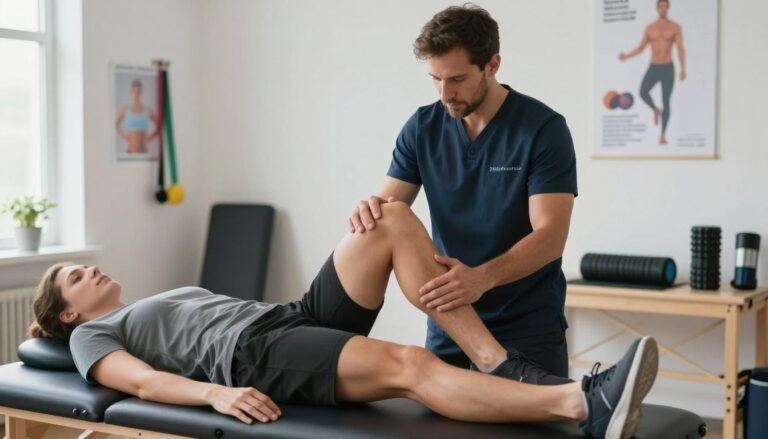
My approach begins with an accurate assessment. I prioritise non-surgical care, guided physiotherapy, and targeted medicines when needed. Surgery is for cases that truly require it.
There is no single plan for all people. Age, arthritis type, weight, work, sleep, and stress affect the best management strategy.
In the list that follows, I will cover morning stiffness, heat and cold use, pacing tasks, exercise, diet and weight, home setup, and mind–body ways to reduce pain. If symptoms persist or worsen, please seek medical review.
Understanding Arthritis Pain, Stiffness, and Inflammation in Daily Life
Joint pain often feels worse after a night of rest because motion helps lubricate stiff tissues. I explain this to patients in simple terms and outline what to watch for in daily life.
Why joints hurt and feel stiff, especially in the morning or after rest
Reduced movement during sleep allows soft tissues to tighten. Inflamed joint lining can add swelling and make the first steps painful.
Mechanical pain from overuse feels different from the deep ache of inflammation. Understanding the pattern helps guide care.
How symptoms can affect mood, sleep, and day-to-day tasks
Pain and stiffness reduce activity and can disturb sleep. Poor rest raises sensitivity to pain and affects mood, which then limits confidence in doing tasks like climbing stairs or opening jars.
When joint pain may signal a flare and needs medical evaluation
Some signs should prompt prompt review. If you see rapid changes, don’t delay evaluation.
- Sudden, marked swelling or warmth
- Fever or inability to bear weight
- Night pain or rapidly worsening symptoms
Medications can control inflammation and pain, but choices (NSAIDs, corticosteroids, DMARDs/biologics) must be tailored and supervised. I reassure patients that with a clear diagnosis and steady plan many regain better function even if the disease is chronic.
Living with arthritis tips I Recommend for Daily Joint Comfort
A simple morning routine can change how your joints feel for the whole day. I use short, practical steps in clinic to lower morning stiffness and reduce daylong pain.
Start the day with gentle movement
Begin with 5–10 minutes of easy motion: ankle pumps, knee bends, shoulder rolls, and hand open/close exercises. These moves warm tissues and ease stiffness before heavier activities.
Use hot therapy to loosen tight joints and muscles
A warm shower or a short soak increases circulation and relaxes muscles around a sore joint. This may help you bend or reach more comfortably before tasks.
Use cold therapy to calm swelling and inflammation
If a joint is swollen or feels hot after activity, apply a cold pack for 10–15 minutes over a cloth. Cold lowers inflammation and can reduce pain after exertion.
Time your tasks and sit to save joints
Plan heavier chores when your energy and pain are lowest, and break longer jobs into short intervals with rests. Sit for prep work—washing dishes, folding clothes—so knees and hips take less load.
- Avoid deep squats if knees hurt; use both hands to lift small loads.
- Keep often-used items within reach to cut unnecessary bending.
- Try gentle self-massage or a physiotherapist-guided approach if it does not increase pain.
These non-surgical measures help reduce symptoms for many people, but results vary. If swelling or severe pain persists, see your doctor or physiotherapist for personalised care and review of inflammation.
Exercise and Physical Activity That Support Joint Health Without Overloading It
Choosing the right exercises can protect joints while keeping you active and independent. I explain how to begin safely and how to build a practical weekly plan that fits daily life in India.

Low-impact options
Walking in short steps is a good start—try 5–10 minutes and increase slowly. Stationary cycling gives smooth motion for knees and hips. Swimming or water activity unloads body weight and may help reduce pain after effort.
Strength training
I recommend light strength work 2–3 times per week. Stronger muscles take stress off the joint side and improve balance. Examples: sit-to-stand, mini-squats to a safe depth, and resistance-band rows.
Stretching and hand care
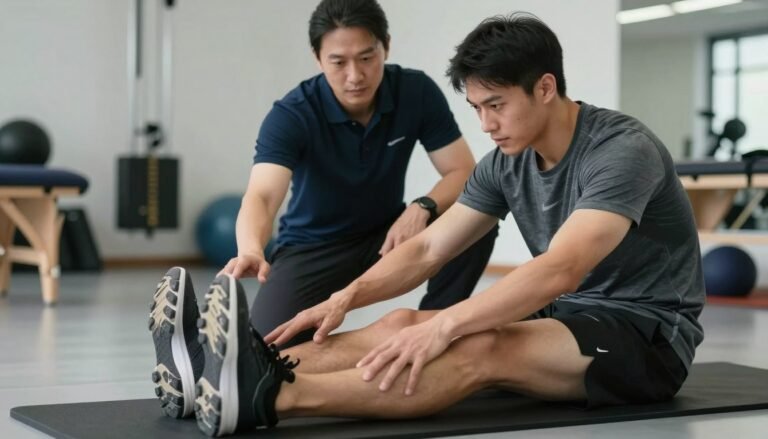
Daily stretching improves flexibility and hand function when grip feels weak. Move gently and stop if you get sharp pain. Small wrist flexes and finger opens can help manage grip over time.
Yoga and balance
Yoga may help sleep and reduce pain sensitivity for some people. Use blocks, straps, or a chair to protect knees and wrists. Add simple balance drills—one-leg stand with support, heel raises, or gentle head-turns—to lower fall risk.
Putting it into a weekly plan
- Mix low-impact aerobic days with 2–3 light strength sessions.
- Do short mobility or stretching sessions one to two times daily.
- Follow a physiotherapist-guided progression and reduce intensity on flare days rather than stopping all movement.
Diet, Weight, and Anti-Inflammatory Habits That Can Reduce Joint Stress
Practical diet steps and modest weight loss can ease load on knees and may help reduce joint pain and stiffness. I focus on changes that fit Indian meals and are safe for long-term management.
Why small weight changes matter
Every 1 pound of extra body weight adds about 4 pounds of pressure on weight-bearing joints. Losing even a little weight can lower joint stress and may help reduce knee pain during daily activities.
Fiber, portion awareness, and food choices
High-fiber foods increase fullness and support steady energy. I suggest dals, whole grains, vegetables, fruit, and chia added to curd or smoothies.
Mindful portions beat strict rules. Choose balanced plates, avoid frequent deep-fried snacks, and prefer home-cooked meals over ultra-processed options.
| Choose | Limit | Why |
|---|---|---|
| Vegetables, dals, fish | Sugary drinks, deep-fried snacks | Whole foods lower inflammation and support weight loss |
| Whole grains, fruits, seeds | Ultra-processed foods, excess alcohol | Higher fiber helps satiety and metabolic health |
| Fatty fish, safe sun | Excess red meat if tolerated | Vitamin D and omega-3s support bone and joint health |
Food triggers and supplements
Some people note triggers such as dairy, wheat, or caffeine. I advise a calm symptom journal to test links rather than broad avoidance.
Check Vitamin D levels and consider safe sunlight or fatty fish like mackerel and tuna. Supplement only under medical advice, especially if you have diabetes, kidney issues, or take long-term medications.
Always discuss diet changes with your clinician so weight loss and food choices fit your overall management plan for rheumatoid arthritis or osteoarthritis and other health needs.
Joint-Friendly Home and Work Setup for Less Pain During Daily Activities
Small changes to how you set up your rooms and desk can ease daily strain and reduce joint pain. I find that a thoughtful environment often helps more than extra exercises alone.
Simple assistive tools that reduce strain
Use items that cut pinching and awkward grips. Jar openers, foam grips on handles, reacher tools, and a stable kitchen stool lower strain during common tasks.
Large-handled cutlery and a tennis ball for self-massage are cheap, easy options that protect the hand and ease muscle tightness.
Footwear that supports gait
Choose structured, low-heeled shoes fitted by a professional. Good support improves body mechanics from ankle to hip and often reduces knee and back pain during activities.
Fall-prevention and safe movement
Declutter floors, remove or tape loose rugs, add bright lights and nightlights, and fit nonslip bathmats and grab bars in bathrooms. These changes cut falls and the secondary pain that follows a tumble.
- Set chair height and back support for work; keep screens at eye level.
- Take micro-breaks to relax neck and muscles during long tasks.
- Ask an occupational therapist or physiotherapist to show personalised ways to manage chores safely.
Stress, Sleep, and Mind-Body Strategies That Help Manage Arthritis Symptoms
Simple mind-body practices can lower stress and help reduce daily symptom burden. I focus on habits that are easy to add to a routine and fit life in India.
How stress raises muscle tension and heightens pain
When stress rises, muscles tighten and sleep becomes lighter. This makes the body more sensitive to pain signals so symptoms can feel worse even without a structural change.
Relaxation habits that may help
Short breath work (3–5 minutes of slow, deep breaths) calms the nervous system and may help reduce pain. Gentle stretching or a quick guided relaxation before bed improves sleep quality and reduces muscle tightness.
Laughter and pleasant activities are not frivolous; they lower stress and may have anti-inflammatory benefits. I tell patients to keep small pleasures in their day as legitimate tools to help reduce symptom load.
Massage, connection, and asking for help
Gentle massage can ease tight muscles around a sore joint, but avoid force over swollen areas. It is a comfort measure that may help reduce pain and support better sleep.
- Stay socially connected—talking to family or friends reduces anxiety and the emotional impact of chronic disease.
- Ask for specific help (carry bags, open jars, climb stairs) so support is practical and preserves independence.
- Keep a simple wind-down routine before bed to protect sleep and lower next-day pain sensitivity.
These strategies have real benefits, but they complement medical care and physiotherapy rather than replace them. If symptoms change rapidly, seek review so we can adjust treatment.
Conclusion
A targeted plan that mixes exercise, weight control, and simple ergonomic changes helps protect joints over time. This combined approach eases stiffness, reduces inflammation, and lowers joint pain more effectively than any single measure. It is a realistic path for living arthritis day-to-day.
Start with small, measurable steps: a short walk, one strengthening move, regular heat or cold when needed, and one home change this week. These routine ways can help manage symptoms while you focus on diet and safe physical activity.
The best plan depends on your arthritis type, medical profile, and goals. Recovery varies and flare days occur. For an assessment and a physiotherapy-guided plan, book an appointment at Boss Multispeciality Hospital, Magadi Main Road (near Kamakshipalya and RR Nagar), Bangalore.