
Arthritis in Hands: Symptoms, Exercises, and Daily Tips
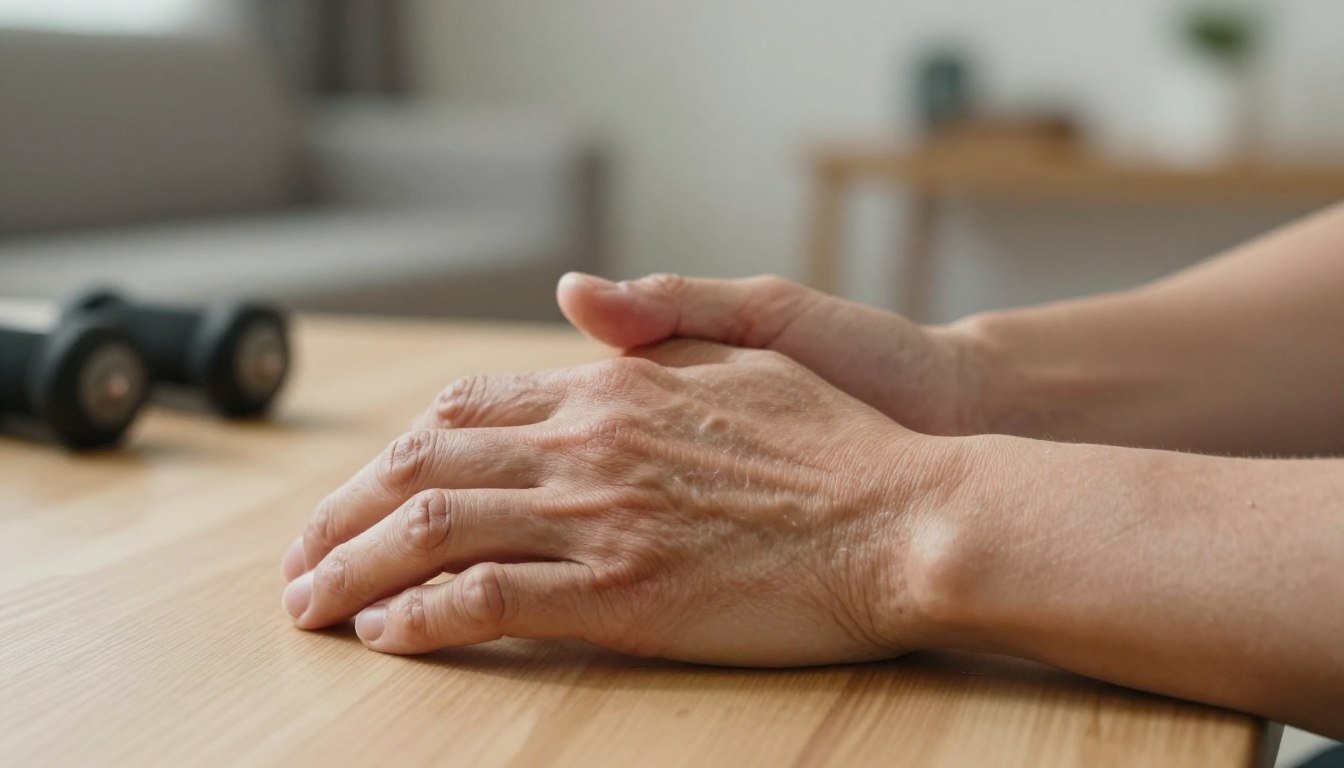
Have you ever wondered why a simple jar or a pen makes your fingers stiff and sore?
I am Dr. Lokesh Chowdary R, MBBS, MS (Orthopaedics), Managing Director & Senior Orthopedic Surgeon at Boss Multispeciality Hospital on Magadi Main Road, Bangalore, near Kamakshipalya and RR Nagar. I see people who call their discomfort “arthritis in hands” and expect a single answer. That term covers many different problems, so I first look for the exact joint and the exact type of the condition.
Early signs often include a dull or burning pain after heavy gripping and stiffness when you wake up. Symptoms can come and go, and most people improve when we act early. I focus on non-surgical care first: protecting the joint, easing pain, and keeping everyday tasks like writing, cooking, and typing possible.
In this article I will explain common warning signs, how I confirm a diagnosis in clinic, and a step-by-step plan that starts without surgery. If your discomfort is getting worse, please seek an in-person evaluation rather than self-diagnose or delay an appointment.
What I Mean by Hand Arthritis and Why It Happens Over Time
Small joint pain often starts as a subtle stiffness that makes precise tasks harder.
I define hand arthritis as inflammation or wear that affects the many small joints of the palm and wrist. Different types behave differently, so knowing the pattern helps me plan treatment.
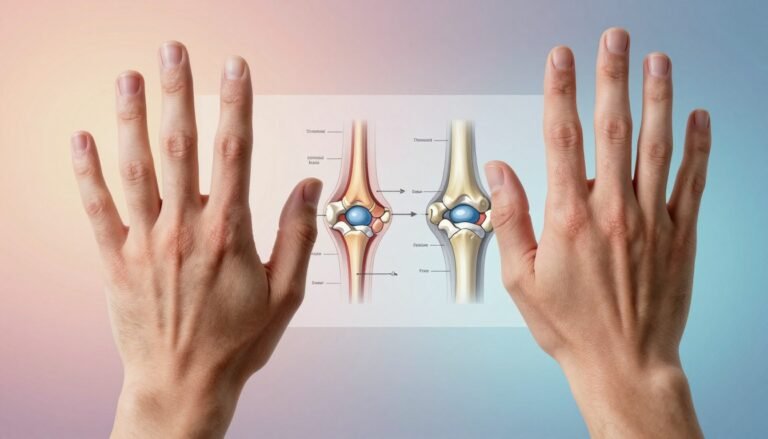
How healthy joints work
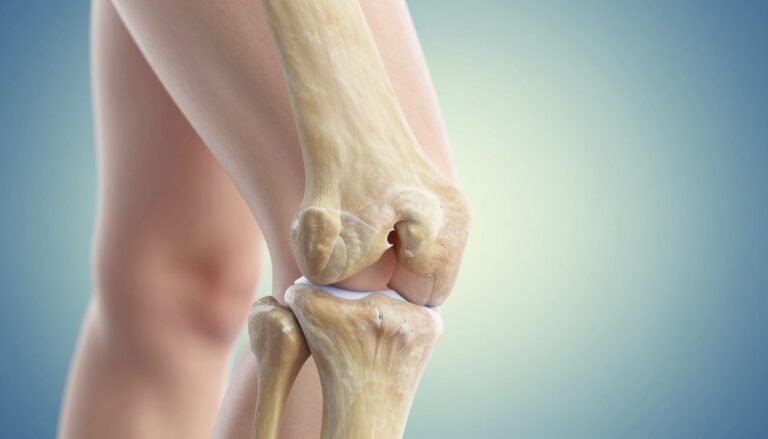
A healthy joint has smooth cartilage covering bone ends and a thin lining, the synovium, that makes slippery fluid. Together they allow quiet, pain-free motion.
Common types I see
Osteoarthritis is wear-and-tear. Cartilage thins over years and the joint may feel rough or stiff with typical joint patterns.
Rheumatoid arthritis is an immune process that swells the synovium. It often starts in small joints on both sides and causes stiffness and swelling.
Psoriatic disease links skin changes and nail signs to a distinct inflammatory pattern. That clue matters because treatments differ from osteoarthritis.
Post-traumatic causes and daily impact
A previous fracture or dislocation can damage cartilage or leave an uneven surface. Years later the joint may develop symptoms even after a well‑treated injury.
Because the hand and wrist rely on many small, precise joints, mild damage can make fine tasks harder and change daily life. The pattern of symptoms helps me narrow the likely type and the best treatment plan.
| Type | Usual Cause | Clinical Clue |
|---|---|---|
| Osteoarthritis | Gradual cartilage wear | Local stiffness, predictable joint involvement |
| Rheumatoid | Autoimmune synovitis | Symmetric small joint swelling; morning stiffness |
| Post‑traumatic | Prior fracture or dislocation | History of injury; uneven joint surfaces on imaging |
Arthritis in Hands Symptoms I Want You to Watch For
I pay attention to symptom patterns more than single signs. The way pain starts and changes tells me whether early tests are needed and how urgently to act.
Pain patterns after gripping and at night
Most people describe a dull or burning pain that follows heavy gripping or repeated use. It may not appear immediately—sometimes it comes hours later or the next morning.
As the condition advances, pain may become more frequent and can wake you at night.
Morning stiffness, reduced motion and weaker grip
Morning stiffness makes the hand feel “stuck” for a while. Reduced range of motion and weaker grip show up when you struggle with jars, keys, or writing.
Swelling, warmth and inflammation
Swelling or warmth around specific joints can follow activity. Inflammatory types such as rheumatoid arthritis tend to fluctuate and need early evaluation.
Crepitus, looseness and visible changes
Grinding or crepitus comes from rough joint surfaces. Ligament strain can cause looseness and, over time, joints may look larger or deformed.
Mucous cysts and nail changes
Mucous cysts may appear at fingertip joints and cause nail ridging. If a cyst ruptures, it can leak and risk infection—see a clinician rather than self-treating.
I use these symptoms to decide which tests will best protect long-term mobility and function. If signs are affecting daily tasks, please seek an early assessment.
How I Diagnose Hand Arthritis in the Clinic
I begin every visit by asking how your pain started and which tasks you can no longer do. That history guides the exam and the tests I choose.

Medical history and physical exam
I ask which joints hurt, what triggers symptoms, how long morning stiffness lasts, and whether one or both hands are involved.
My exam checks each joint for tenderness, warmth, swelling, range of motion, grip and pinch strength, and daily function.
Imaging: X‑ray, ultrasound and MRI
X‑rays are often enough to show joint space loss, bone spurs, alignment, and bone changes. They guide most treatment decisions.
I reserve ultrasound or MRI if the X‑ray and symptoms do not match, if I suspect another wrist problem, or when soft tissues need closer look.
Blood tests and why they matter
When I suspect inflammatory disease such as rheumatoid arthritis, blood tests help confirm inflammation and direct specialist medications.
| Step | What I look for | Why it matters |
|---|---|---|
| History | Symptom pattern, tasks affected | Guides targeted exam and tests |
| Physical exam | Tenderness, motion, strength | Identifies which joint needs treatment |
| Imaging & labs | X‑ray ± MRI/ultrasound; blood markers | Distinguishes wear from inflammatory disease |
A clear diagnosis changes treatment options. I prefer non‑surgical care first and coordinate with specialists when disease‑modifying drugs or long‑term medications are needed.
How to Get Pain Relief Without Surgery: My First-Line Treatment Plan
You can often get meaningful pain relief with simple, evidence-based steps I use before considering surgery. My aim is clear: reduce pain, calm swelling, protect the joint, and keep the hand working.
Splinting and bracing
I prescribe splints to support and reduce stress during painful tasks or flares. A brace helps alignment and can speed symptom relief.
Avoid all-day use unless I advise it. Prolonged wear weakens muscles and slows recovery.
Medications and safety
For osteoarthritis‑type pain I recommend acetaminophen or short courses of NSAIDs as-needed. No drug currently reverses wear, so drugs focus on symptom control.
If I suspect inflammatory disease, medication is guided and monitored with a specialist to prevent joint damage.
Injections, heat and ice, and activity change
Steroid injections can give weeks to months of relief for selected joints. We limit repeats because shots may weaken tendons and carry risks.
Use heat for morning stiffness and gentle tightness. Use ice after overwork to ease swelling.
Activity modification means changing grip, taking breaks, using larger handles, and moving load to bigger joints. Combined treatments and guided therapy produce the best results.
| Option | Benefit | Limit |
|---|---|---|
| Splinting | Support, less pain with tasks | Muscle atrophy if overused |
| Medications | Quick symptom control | Short-term use; side effects with long use |
| Injections | Fast, focal relief | Limited repeats; tendon risk |
Exercises and Therapy to Improve Mobility and Hand Function
Regular, gentle movement is one of the simplest ways I help patients keep useful motion and limit flare-ups.
I guide exercise with pacing and clear rules: start easy, keep sessions short, and follow a little‑and‑often plan. I ask you to stop if pain spikes or swelling worsens and to see a therapist for reassessment.
How I guide exercise: gentle motion, pacing, and avoiding flare-ups
I teach range‑of‑motion and tendon‑gliding routines to reduce morning stiffness and restore smooth motion. The aim is steady improvement, not forcing a painful stretch.
Strengthening with joint protection
Grip and pinch work can improve function. I choose positions and low resistance so the small joints do not take excess load.
Progress is gradual. Stronger muscles help protect joints during usual tasks and lifestyle activities.
Role of an occupational or hand therapist
A therapist tailors splints, adaptive tools, and technique changes for daily tasks. Simple aids—larger grips, jar openers, and task swaps—cut strain while you keep doing what you need.
Posture, ergonomics, and when to pause
Poor posture or neck and shoulder tension can worsen symptoms by increasing arm and hand strain. Fixing your desk setup often eases overall pain.
If sharp pain, new numbness, or growing swelling appear, pause exercises and seek review. I prefer reassessment over pushing through a flare.
| Exercise type | Purpose | Key precaution |
|---|---|---|
| Range‑of‑motion | Reduce stiffness, improve mobility | Keep movements pain‑free; short sets |
| Tendon‑gliding | Smooth tendon motion, reduce catching | Avoid forceful stretches if swollen |
| Grip/pinch strengthening | Boost function for daily tasks | Use low resistance; protect small joints |
When Surgery Becomes an Option for Hand Arthritis
I discuss surgery only when careful non‑surgical treatment, therapy, and time fail to stop steady pain or when cartilage wear has left bone‑on‑bone damage, deformity, or instability that blocks day‑to‑day tasks.
How I decide: cartilage wear, joint damage, deformity, and function loss
I evaluate which joint or joints are affected, how much cartilage is gone, and whether deformity or weakness prevents work or self‑care.
I also consider your age, activity needs, and whether the dominant hand is involved.
Joint-preserving and reconstructive approaches when possible
I prefer procedures that preserve a natural joint when they can ease pain and keep useful motion.
When surfaces are too damaged, reconstructive options become the practical choice.
Joint fusion vs joint replacement: expected motion, stability, and trade-offs
Joint fusion (arthrodesis) reliably reduces pain and adds stability but sacrifices motion at that joint.
Joint replacement aims for pain relief while preserving motion, yet long‑term durability can vary by joint and bone quality.
What to expect after surgery and recovery timeline
After an operation you will usually have a splint or cast, short‑term medication for pain, and planned hand therapy.
Many patients return to most activities around three months after reconstructive procedures, but recovery time varies by surgery type, bone health, and therapy compliance.
| Procedure | Primary goal | Pros | Cons |
|---|---|---|---|
| Joint preservation (repair) | Reduce pain, keep native motion | Maintains joint mechanics; shorter rehab | Not always possible if cartilage loss is severe |
| Joint replacement | Pain relief with motion preservation | Better range of motion than fusion | Implant wear; variable long‑term results |
| Joint fusion (arthrodesis) | Stability and durable pain relief | Reliable pain control; strong grip for duty | Loss of motion at fused joint; altered mechanics |
| Wrist salvage/reconstruction | Restore overall wrist function | Improves load transfer across bones | Longer rehab time; variable outcomes |
My aim is realistic: not perfect hands, but meaningful pain relief and usable function.
I guide each patient through options, expected recovery time, and post‑op care so they can choose what fits their life and work.
Conclusion
Early evaluation and practical steps give you the best chance to stay active. Noticeable symptoms such as pain, stiffness, swelling, or reduced grip deserve prompt review so we can protect joints and preserve daily function.
I remind you that arthritis can take different forms. An accurate diagnosis lets me tailor treatment: education, activity adjustments, splints, safe medications, and therapy-guided exercises before considering surgery. Improvements take time and flare-ups may occur; the goal is steady progress, not instant cures.
If you’d like a proper orthopedic evaluation, book an appointment with me, Dr. Lokesh Chowdary R, at Boss Multispeciality Hospital, Magadi Main Road, Bangalore (near Kamakshipalya and RR Nagar). Early help often supports a return to meaningful life and activity.