
When to See a Doctor for Joint Pain: Warning Signs

Hello. I am Dr. Lokesh Chowdary R (MBBS, MS – Orthopaedics), Managing Director and Senior Orthopedic Surgeon at Boss Multispeciality Hospital on Magadi Main Road, Bangalore.
Joint pain is common, but the right moment to seek help depends on the pattern, severity, and other symptoms rather than the ache alone. My goal in this brief guide is to help you spot warning signs, understand what they may mean, and decide when to book an appointment instead of waiting it out.
Many problems improve with simple, non-surgical steps and physiotherapy. Some types of arthritis need prompt attention to avoid lasting damage. I see patients from Kamakshipalya and RR Nagar for knee issues, sports injuries, and recovery questions, and the same principles apply.
In the sections ahead I will cover red flags such as swelling, stiffness with loss of use, fever or weight loss, clear injury with deformity, and recurring or persistent discomfort. If you are unsure, it is reasonable to see a doctor for proper evaluation.
Understanding Joint Pain and What It Could Mean
Many patients in my clinic describe a single ache with different words — and that matters. I use a short checklist to separate simple aches from problems that need active care.
What I mean by common symptoms
People say aching, sharp pain, soreness, or stiffness. The source may be cartilage, tendons, ligaments, bones, or nearby muscle. I listen for how the symptom began and what limits movement.
Everyday aches versus a larger problem
Minor aches often follow a long walk, a new workout, or long hours at a desk. Rest, gentle stretching, and warm packs usually help. If discomfort affects sleep, work, or daily activities, it often needs evaluation.
Why arthritis is not one single disease
“Arthritis” covers many diseases and conditions. Identifying the exact type guides treatment and urgency. Early clarity usually allows non-surgical care and better long-term joint health.
Common patterns I see in Bangalore
Overuse from repetitive tasks, sports injuries, old injuries that flare, posture-related strain from screen use, and age-related degeneration are frequent. Examples: knee ache after stairs, neck discomfort after long screen time, and ankle trouble after a twist.
| Cause | Typical signs | First-line care |
|---|---|---|
| Overuse | Gradual soreness, worse with activity | Rest, modify activities, physiotherapy |
| Injury (sprain/tear) | Sharp onset, swelling, reduced function | Immobilise briefly, seek exam, imaging if needed |
| Degeneration / arthritis | Stiffness, reduced movement, chronic ache | Weight control, exercises, meds or injections |
when to see doctor joint pain: Key Warning Signs I Don’t Want You to Ignore
I watch for clear signs that suggest more than a simple ache. These clues help me decide on tests, early treatment, or a referral for specialist care.
Pain with swelling, warmth, redness, or tenderness
Swelling paired with warmth or redness often means inflammation and, less commonly, infection. That combination can damage structures if it is ignored.
Stiffness and reduced range of motion
Difficulty squatting, climbing stairs, turning a doorknob, or lifting a bag shows loss of motion. I take this seriously because use matters for recovery.
Symptoms lasting three days or recurring within a month
Short flares are common, but repeated episodes form a pattern. Recurrent symptoms may signal arthritis or an unresolved strain that needs evaluation.
Severe pain with weight-bearing or sleep disturbance
Limiting standing, limping, or night pain often points to mechanical damage—cartilage, meniscus, or ligament—that benefits from prompt assessment.
Fever, unusual fatigue, or unexplained weight loss
Systemic signs with joint complaints raise urgency. Infection or inflammatory disease requires timely tests and early management.
Visible deformity or instability after an injury
A change in shape, a loose feeling, or sudden instability suggests a fracture, dislocation, or major ligament tear. Early care improves outcomes.
- These signs do not always mean surgery; many problems improve with non-surgical care.
- If you notice any of the above, reduce stress on the area, avoid provoking activities, and arrange a clinic visit promptly.
How I Evaluate Joint Pain for an Accurate Diagnosis
A clear, stepwise evaluation helps find the exact cause and avoid unnecessary tests. I prioritise an accurate diagnosis before any treatment so care is safe and effective.
Your history matters
I begin by listening to your story: when symptoms began, activity levels, past injuries, workplace setup, and any surgeries. This context often points toward specific conditions or common injuries.
Clinic exam: movement, strength and function
My hands-on exam checks swelling, tenderness, stability, range of movement, and muscle strength. I watch how the joint works during walking, squatting, or simple daily tasks.
Imaging and lab tests
Plain X-rays assess bones, alignment, and joint space. MRI helps evaluate cartilage, meniscus, ligaments and other soft tissues. Blood tests help when autoimmune diseases or infection are possible. In selected cases I analyse joint fluid for infection or crystals like gout.
Referral pathways and team-based care
Not every case needs every test. If complex inflammatory disease appears likely, I coordinate with a rheumatologist while I manage mechanical aspects. This team approach improves outcomes at Boss Multispeciality Hospital, Bangalore.
Treatment and Recovery: Non-Surgical Care First, Surgery Only When Required
Conservative treatment and guided rehab are the foundation of my plan for most cases. I start with simple, safe steps that reduce discomfort and protect function while we confirm a diagnosis.

Immediate self-care and supports
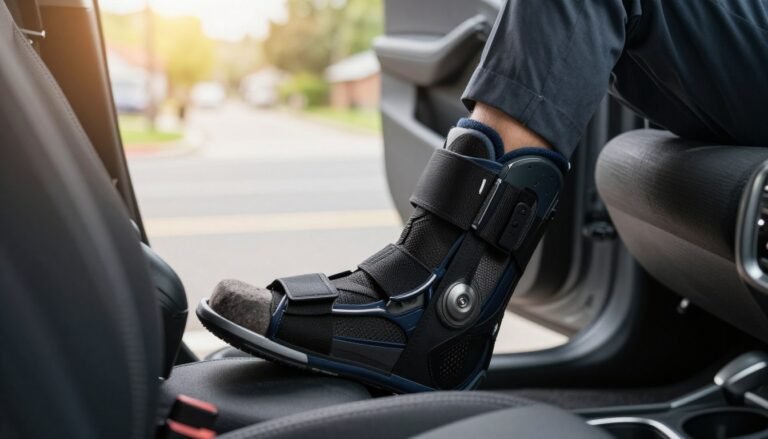
Rest from activities that provoke pain and use a light support or brace if it helps movement. Apply warm packs after the first 48 hours for stiffness and gentle stretches to keep the range.
Medications and injections
I use medications thoughtfully to ease symptoms and promote rehab. Short courses of analgesics or antise-inflammatory drugs help most people.
Corticosteroid injections may be offered as part of a wider plan. They are not a cure, but they can calm inflammation enough for physiotherapy-guided rehab.
Physiotherapy-guided recovery
Physiotherapy restores strength, corrects posture, and reduces recurrence. Regular guided exercises change how your body loads the joints.
Weight, posture, and life tips
Small weight loss and ergonomic changes at work lower stress on knees and back. Balanced diet and low-impact fitness help long-term joint health.
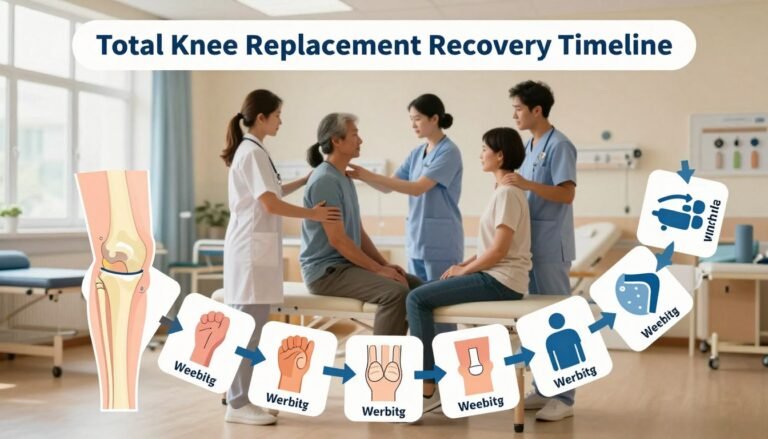
Surgery and recovery expectations
Surgery is reserved for advanced arthritis, serious injuries, or unstable fractures that need stabilization. Recovery time varies by age, fitness, and severity; I never promise fixed dates.
| Approach | When used | Goal | Expected timeline |
|---|---|---|---|
| Rest & support | Acute flare, mild injury | Reduce load, limit damage | Days–weeks |
| Medications / injections | Moderate symptoms, aid rehab | Lower symptoms, enable exercise | Short course; weeks |
| Physiotherapy | Most mechanical conditions | Restore range and strength | Weeks–months |
| Surgery | Advanced arthritis, fractures | Repair, stabilize, or replace | Months (including rehab) |
What success looks like: improved function, safer movement patterns, and a realistic plan you can follow in daily life without fear of recurrence.
Conclusion
Knowing which symptoms matter most lets you act with confidence. Occasional aches are common, but joint pain that lasts, recurs, or shows warning signs deserves prompt attention.
Remember key red flags: swelling with warmth or redness, reduced function or instability after an injury, and systemic signs such as fever or unexplained tiredness and weight loss. These signs often need early evaluation to protect long-term health.
I favour accurate diagnosis and conservative care first. Many conditions improve with physiotherapy and guided measures, and surgery is reserved for clear need. Recovery varies by condition and overall health.
Please book an appointment with me, Dr. Lokesh Chowdary R, at Boss Multispeciality Hospital on Magadi Main Road, Bangalore (near Kamakshipalya and RR Nagar) if ongoing discomfort affects daily life. Early assessment helps preserve movement and quality of life.